


- Brian Moss (President)
- AAAC Wildlife Removal
08/30/2024 Total words : 2223
Are Raccoons Carnivores? Exploring Their Diverse Diet
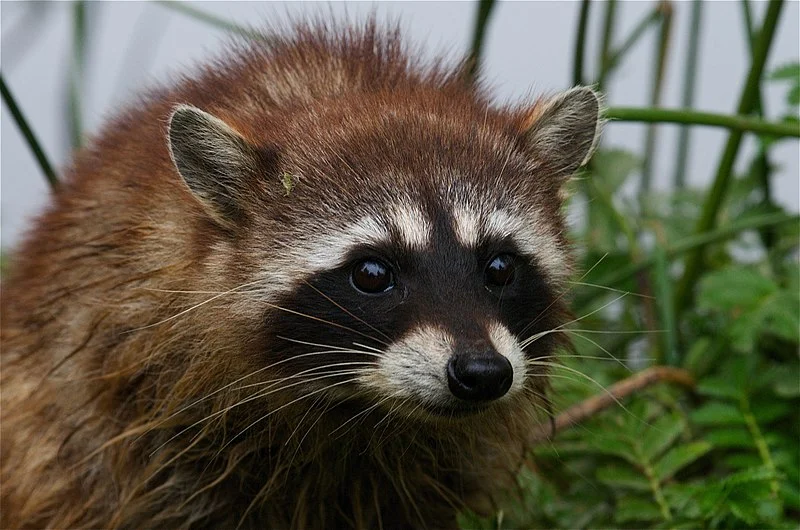
Yes, raccoons are carnivores, but they have a diverse diet that includes more than just meat Raccoons have long been the cheeky bandits of the animal kingdom, sneaking around with their little masked faces and nimble fingers. But what exactly do these nocturnal foragers feast on? You might think of them as dumpster divers with a penchant for human leftovers, but there's much more to their diet than meets the eye. The question "Are raccoons carnivores?" often pops up, and the answer is a resounding yes but with a twist. Raccoons are indeed carnivores, but their culinary preferences are as diverse and adaptable as their mischievous habits. We're going to unravel the dietary mysteries of raccoons, exploring their carnivorous tendencies alongside their omnivorous adventures. By understanding what raccoons eat, we can better appreciate these fascinating creatures and learn how to coexist with them more harmoniously. So, let's dive into the wild and varied menu of the raccoon world and discover what makes these critters such versatile eaters. Key Takeaways Raccoons are primarily carnivores but have a varied diet. They are opportunistic eaters. Understanding their diet helps in managing and coexisting with them. What Makes a Carnivore To truly understand whether raccoons are carnivores, we first need to grasp what being a carnivore entails. In the animal kingdom, a carnivore is an organism that primarily eats meat. This classification is based on their dietary habits and the physical traits that support a meat-based diet. Carnivores often possess sharp teeth and claws designed for hunting and consuming other animals. Their digestive systems are optimized to break down protein and fat from meat efficiently. These animals are typically predators or scavengers, and their diets can range from strictly carnivorous, eating only animal flesh, to facultative carnivores, which eat meat as well as non-animal foods. But not all carnivores are created equal. Some, like lions and tigers, are obligate carnivores, meaning they rely almost entirely on meat for their nutritional needs. Others, like raccoons, are more flexible in their eating habits. Raccoons have the physical traits of carnivores—sharp teeth and claws for catching and eating prey—but they are also opportunistic feeders. This means they eat whatever is available, including plants and insects, blurring the line between strict carnivory and omnivory. Understanding these traits and behaviors helps us see why raccoons, while classified as carnivores, have such a diverse diet that includes much more than just meat. Raccoon Dietary Habits Raccoons are the ultimate foodies of the animal world, and their dietary habits reflect their adaptability and resourcefulness. In the wild, raccoons' diets are primarily carnivorous but highly varied, allowing them to thrive in diverse environments. Meat and Protein Sources Raccoons are adept hunters and scavengers, feasting on a wide range of animal-based foods. Their carnivorous diet includes insects, amphibians, small mammals, and birds. They are particularly fond of eggs, raiding nests when the opportunity arises. Additionally, raccoons are skilled at fishing, often catching crayfish, frogs, and small fish from streams and ponds. Plant-Based Foods Despite their classification as carnivores, raccoons do not limit themselves to meat. They are opportunistic eaters with a taste for plant-based foods, especially when animal prey is scarce. Fruits, nuts, berries, and seeds make up a significant portion of their diet, especially in the fall when these foods are plentiful. Raccoons have been known to raid gardens and orchards, enjoying everything from apples and cherries to corn and melons. Foraging Behavior Raccoons are nocturnal foragers, meaning they primarily search for food at night. Their incredible dexterity allows them to open containers, manipulate objects, and explore their surroundings in search of a meal. This foraging behavior makes them well-suited to living in both rural and urban environments, where they can find food in natural settings as well as human-made ones. Diverse Diet for Survival The key to raccoons' survival lies in their dietary flexibility. This adaptability enables them to thrive in various habitats, from forests and wetlands to suburban neighborhoods and cities. By eating a wide range of foods, raccoons ensure they have access to the nutrients they need year-round, regardless of seasonal changes in food availability. In summary, while raccoons are primarily carnivores, their dietary habits are remarkably diverse. They balance their meat consumption with a substantial intake of plant-based foods, showcasing their versatility and making them true omnivorous opportunists in the wild. Omnivorous Tendencies Raccoons are not your typical carnivores. While they have the tools and instincts of meat-eaters, their diet often veers into omnivorous territory. This omnivorous behavior is a testament to their adaptability and survival skills. Plant-Based Preferences Raccoons have a notable fondness for plant-based foods, especially during certain times of the year. Fruits, nuts, and berries are a significant part of their diet, providing essential vitamins and nutrients. In the summer and fall, when these foods are abundant, raccoons can often be found feasting on wild berries, grapes, and persimmons. Their ability to climb trees and dexterous hands make it easy for them to access these treats. Vegetables and Grains In addition to fruits, raccoons also consume a variety of vegetables and grains. Cornfields and vegetable gardens are common targets for raccoons, who take advantage of the easy access to nutritious food. They are particularly known for their love of sweet corn, often causing frustration for farmers and gardeners. This preference for grains and vegetables highlights their flexible eating habits and ability to exploit different food sources. Foraging in Urban Areas Raccoons' omnivorous tendencies are particularly evident in urban environments, where they often forage through garbage bins and compost heaps. Here, they find a mix of leftovers, food scraps, and even pet food. This behavior not only demonstrates their adaptability but also their ingenuity in finding food in human-dominated landscapes. Urban raccoons have learned to thrive on a varied diet that includes everything from pizza crusts to peanut butter sandwiches. Balancing the Diet While raccoons are equipped to hunt and consume meat, their diet is balanced with significant amounts of plant-based foods. This balance is crucial for their health, providing a mix of proteins, fats, and carbohydrates. The ability to switch between animal and plant foods ensures that raccoons can find sustenance in almost any environment, making them one of the most adaptable animals in the wild. In conclusion, raccoons' omnivorous tendencies are a key aspect of their survival strategy. By incorporating a wide range of plant-based foods into their diet, they can thrive in diverse habitats and take advantage of various food sources, showcasing their remarkable adaptability. Seasonal Diet Variations Just like us, raccoons adjust their diet based on the seasons, taking full advantage of what’s available at different times of the year. This seasonal variation is another testament to their incredible adaptability and resourcefulness. Spring: The Season of Abundance Spring is a time of plenty for raccoons. As the weather warms up and the world comes alive again, raccoons feast on a variety of fresh, seasonal foods. Insects and other small invertebrates become more active, providing a rich source of protein. Amphibians like frogs and toads, emerging from their winter hibernation, also become easy prey. Additionally, the early growth of plants and the availability of young shoots and berries add to their diverse diet. Summer: A Mixed Feast Summer offers a smorgasbord of food options for raccoons. The warmer months bring an abundance of fruits, vegetables, and grains. Raccoons raid gardens and orchards for ripe fruits like apples, cherries, and berries. Cornfields also become a favorite for their sweet corn. In addition to plant-based foods, raccoons continue to hunt small animals and forage for insects. Ponds and streams are teeming with crayfish and small fish, adding variety to their diet. Fall: Preparing for Winter Fall is a crucial time for raccoons as they prepare for the leaner months of winter. During this season, raccoons focus on fattening up by consuming high-calorie foods. Nuts and acorns become staples in their diet, providing essential fats and proteins. Fruits like persimmons and grapes are also in abundance, offering a sugary boost. Raccoons will eat voraciously during this time, building up fat reserves to help them survive through the winter. Winter: Survival Mode Winter is the toughest season for raccoons, as food becomes scarce. During this time, raccoons rely heavily on their stored fat reserves. Their activity levels decrease, and they spend more time in their dens to conserve energy. When they do venture out, raccoons scavenge for any available food, often relying on whatever they can find, including carrion and any leftover human food scraps. Their ability to survive on minimal resources during winter showcases their resilience. In summary, raccoons' diet changes with the seasons, allowing them to make the most of available resources year-round. From the abundance of spring and summer to the preparation and scarcity of fall and winter, raccoons demonstrate remarkable adaptability, ensuring their survival through the changing seasons. Human Impact on Raccoon Diet As humans continue to encroach on natural habitats, raccoons have proven to be remarkably adaptable, often thriving in urban and suburban environments. This adaptability has significantly influenced their dietary habits, leading to some unique and sometimes problematic behaviors. Urban Foraging In cities and towns, raccoons have become adept urban foragers. They exploit human-generated food sources with ease, rummaging through garbage bins, compost piles, and even sneaking into pet food bowls left outside. This urban foraging behavior demonstrates raccoons' opportunistic nature, as they take advantage of the easy, high-calorie meals that human environments provide. Pizza crusts, leftover sandwiches, and fast food wrappers become part of their eclectic diet. Impact on Natural Behavior While raccoons' ability to adapt to human presence is impressive, it does come with drawbacks. Reliance on human food sources can alter their natural foraging behavior and dietary preferences. Instead of hunting and gathering in the wild, urban raccoons often opt for the convenience of scavenging in human areas. This shift can lead to nutritional imbalances, as their diet becomes less varied and more reliant on processed foods. Human-Raccoon Conflicts The intersection of raccoon dietary habits and human environments often leads to conflicts. Homeowners may find their trash cans raided, gardens pillaged, and attics invaded. These behaviors, while driven by the search for food, can cause significant damage and nuisance. Understanding raccoons' dietary needs and habits is crucial for managing these conflicts effectively. Measures such as securing garbage bins, removing outdoor food sources, and raccoon-proofing homes can help mitigate these issues. Positive Interactions Despite the challenges, there are ways humans can coexist peacefully with raccoons by understanding and respecting their dietary habits. Providing alternative food sources, like compost bins that are inaccessible to raccoons, can help divert them from more problematic foraging. Additionally, educating communities about raccoons' role in the ecosystem and promoting humane deterrence methods can foster a more harmonious relationship between humans and raccoons. In conclusion, human impact on raccoon diets is significant, leading to changes in their natural foraging behaviors and sometimes causing conflicts. By understanding these impacts and taking steps to manage interactions, we can coexist with these adaptable creatures while minimizing negative outcomes. Why It Matters Understanding the dietary habits of raccoons isn't just about satisfying curiosity—it's crucial for wildlife management, conservation, and ensuring peaceful coexistence between humans and raccoons. Here’s why it matters: Wildlife Management and Conservation Knowing what raccoons eat helps wildlife managers develop effective conservation strategies. Raccoons play a significant role in their ecosystems by controlling insect and rodent populations and dispersing seeds through their droppings. By understanding their diet, conservationists can monitor ecosystem health and address any imbalances caused by changes in raccoon populations. Effective wildlife management practices can help maintain biodiversity and the overall health of natural habitats. Preventing Property Damage Raccoons' foraging habits can lead to significant property damage, especially when they raid garbage bins, gardens, and homes in search of food. By understanding their dietary preferences, homeowners can take proactive measures to protect their property. Securing trash cans, using raccoon-proof compost bins, and keeping pet food indoors are simple steps that can prevent raccoon-related damage. Knowledge about their diet can also inform better urban planning and waste management practices, reducing the likelihood of human-raccoon conflicts. Promoting Coexistence Educating communities about raccoon dietary habits promotes coexistence between humans and wildlife. When people understand that raccoons are simply looking for food, they can take humane steps to deter them without causing harm. This includes using non-lethal deterrents, such as motion-activated lights and noise makers, to keep raccoons away from homes and gardens. By fostering a greater appreciation for raccoons and their role in the environment, we can reduce fear and negative attitudes towards these intelligent creatures. Reducing Health Risks Raccoons can carry diseases that pose risks to humans and pets, such as rabies and leptospirosis. Understanding their diet and foraging behavior can help minimize these health risks. For example, by securing food sources and keeping areas clean, we can reduce the likelihood of raccoons coming into close contact with humans and domestic animals. Public health campaigns that educate people about raccoon behavior and safe practices can further help in mitigating these risks. In summary, understanding raccoons' dietary habits is essential for effective wildlife management, property protection, promoting coexistence, and reducing health risks. By gaining insights into what raccoons eat and how they forage, we can develop better strategies to live harmoniously with these adaptable and fascinating creatures.
Bat Guano in Attics – Safety and Removal Tips
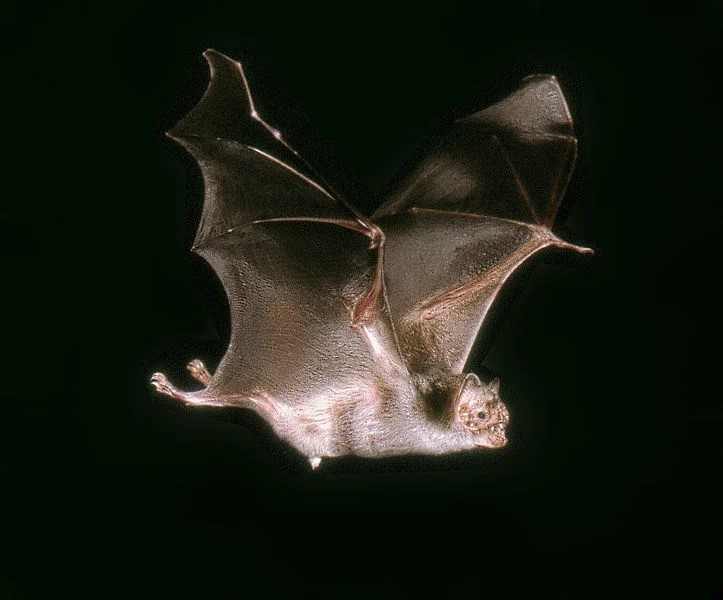
Bat guano in your attic poses serious health risks, but with the right safety tips and removal techniques, you can handle it efficiently Ever had that eerie feeling that something’s lurking above your head? You’re not alone. Imagine this: you're comfortably nestled in your living room, but unbeknownst to you, there’s a growing problem right above you in the attic—bat guano. Yup, bat poop. While bats themselves are fascinating creatures, their guano is a different story. It’s not just a stinky nuisance; it’s a health hazard that needs your immediate attention. Why should you care? Well, aside from the unpleasant odor and the mess, bat guano can harbor dangerous pathogens that pose serious health risks to you and your family. If you’ve recently discovered a pile of guano in your attic or are concerned about a bat problem, you’re in the right place. This article will dive deep into the nitty-gritty of bat guano, including the health risks, safety measures, and foolproof removal tips to help you tackle this problem head-on. We’ll also share some savvy prevention tips to keep those winged critters from turning your attic into their personal restroom again. So, roll up your sleeves, grab your safety gear, and let’s get to work—your attic isn’t going to clean itself! Key Takeaways Bat guano in attics poses serious health hazards, including diseases like Histoplasmosis. Proper safety precautions, such as wearing protective gear and ensuring good ventilation, are essential when dealing with bat guano. Following a step-by-step guide can help you safely and effectively remove bat guano from your attic. Implementing measures to seal entry points and bat-proof your attic can prevent future infestations. What is Bat Guano? Bat guano, simply put, is the excrement of bats. While it might sound like an odd thing to be concerned about, guano has a fascinating history and a significant impact on environments where bats reside. In nature, bat guano is a powerful fertilizer, rich in nutrients like nitrogen, phosphate, and potassium. However, when it accumulates in your attic, it becomes a problematic and potentially dangerous substance. Bats are nocturnal creatures that often seek out attics as their roosting spots due to the quiet, dark, and secluded environment these spaces offer. Over time, their droppings can accumulate into sizable piles. Unlike other animals, bats tend to return to the same spot repeatedly, which means a single bat can produce a surprising amount of guano. In addition to being unsightly and odorous, bat guano can lead to significant structural damage. The acidity of guano can corrode wood and other building materials, leading to costly repairs. Moreover, guano attracts other pests such as insects and molds, compounding the problem. Understanding what bat guano is and why it accumulates in attics is the first step in addressing the issue. In the next sections, we’ll explore the health risks associated with bat guano and provide detailed safety and removal tips to help you manage this unwelcome attic guest effectively. Health Risks of Bat Guano in Attics Dealing with bat guano isn’t just a matter of cleanliness; it’s a significant health concern. Bat guano is notorious for harboring a fungus called Histoplasma capsulatum, which can cause a respiratory disease known as Histoplasmosis. When guano dries and becomes airborne, inhaling these fungal spores can lead to serious health issues, especially for those with weakened immune systems, young children, and the elderly. Histoplasmosis is the most well-known disease linked to bat guano. Symptoms can range from mild flu-like symptoms to severe respiratory issues. Common symptoms include fever, cough, fatigue, and chest pain. In severe cases, it can cause chronic lung disease or even spread to other parts of the body, requiring long-term treatment. Apart from Histoplasmosis, bat guano can also contribute to the growth of other molds and fungi. These organisms thrive in the nutrient-rich environment of guano, leading to additional respiratory problems and allergic reactions. The presence of guano can also attract other pests, such as insects and rodents, further exacerbating the potential for disease transmission. Additionally, the mere presence of bats can pose a risk. Bats are known carriers of rabies, and while the transmission of rabies through guano is unlikely, the proximity of bats increases the risk of accidental bites or scratches. Given these health risks, it’s crucial to address bat guano problems promptly and safely. Ensuring proper safety measures and following a systematic removal process can help mitigate these dangers. Up next, we’ll discuss the essential safety precautions you need to take before diving into guano removal. Safety Precautions Before Removal Before you jump into the task of removing bat guano from your attic, it’s essential to prioritize your safety. Handling bat guano without the proper precautions can expose you to harmful pathogens and allergens. Here’s a step-by-step guide to ensure you’re well-prepared and protected: Wear Protective Gear Respirator Mask: A high-quality respirator mask (N95 or higher) is crucial to protect you from inhaling harmful spores and dust. Gloves: Use sturdy rubber or latex gloves to avoid direct contact with guano. Protective Clothing: Wear long sleeves, pants, and preferably disposable coveralls to minimize skin exposure. Consider using a disposable Tyvek suit for full-body protection. Goggles: Protect your eyes from dust and spores by wearing safety goggles. Ventilate the Area Open Windows and Doors: Before starting the removal process, ensure good ventilation by opening windows and doors to allow fresh air to circulate. Fans: Use fans to help disperse airborne particles and improve airflow, but be cautious not to blow the guano particles around too much. Preparation of the Attic Space: Seal Off Other Areas: Close doors and seal off other parts of your home to prevent spores from spreading. Plastic Sheeting: Cover nearby surfaces and items with plastic sheeting to protect them from contamination. Handling Guano Safely: Moisten the Guano: Lightly mist the guano with water to reduce dust. Avoid soaking it, as this can create a messy slurry. Gentle Removal: Carefully scoop or vacuum the guano using a HEPA-filtered vacuum cleaner to avoid stirring up dust. Avoid sweeping or using regular vacuums that can spread spores. Disinfecting: After removing the bulk of the guano, clean the area with a disinfectant solution to kill any remaining pathogens. Proper Disposal Sealed Bags: Place the removed guano and contaminated materials into heavy-duty plastic bags, seal them tightly, and dispose of them according to local hazardous waste regulations. Clean Up: Thoroughly clean and disinfect any tools and equipment used during the removal process. Step-by-Step Guide to Removing Bat Guano Removing bat guano from your attic is a meticulous process that requires patience and attention to detail. Follow these steps to ensure you do it safely and effectively: Step 1: Initial Assessment and Planning Inspect the Area: Carefully examine the attic to assess the extent of the guano accumulation and identify potential entry points for bats. Plan Your Approach: Determine the best method for removal based on the amount of guano and the layout of your attic. Ensure you have all necessary tools and protective gear ready. Step 2: Gathering Necessary Tools and Supplies Protective Gear: As outlined in the previous section, ensure you have a respirator mask, gloves, protective clothing, and goggles. Cleaning Tools: Gather a HEPA-filtered vacuum cleaner, plastic bags, a spray bottle with water, disinfectant, and scooping tools such as a small shovel or dustpan. Lighting: Use portable work lights or headlamps to illuminate dark areas of the attic. Step 3: Safe Removal Techniques Moisten the Guano: Lightly mist the guano with water from a spray bottle to minimize dust. Avoid soaking it to prevent creating a slippery mess. Scoop and Vacuum: Use a small shovel or dustpan to carefully scoop the guano into heavy-duty plastic bags. For finer particles, use a HEPA-filtered vacuum cleaner to suck up the remaining guano and dust. Work in Sections: Tackle small sections at a time to maintain control and prevent spreading spores throughout the attic. Step 4: Cleaning and Disinfecting the Area Disinfect Surfaces: After removing the bulk of the guano, spray the affected areas with a disinfectant solution to kill any remaining pathogens. Follow the manufacturer’s instructions for proper application and safety. Wipe Down: Use disposable wipes or cloths to clean surfaces and remove any residual guano or dust. Final Inspection: Conduct a thorough inspection to ensure all guano has been removed and the area is properly disinfected. Step 5: Proper Disposal of Bat Guano and Contaminated Materials Sealed Bags: Seal the bags containing guano and contaminated materials tightly to prevent any leakage or exposure. Disposal: Dispose of the sealed bags according to your local hazardous waste regulations. Contact your local waste management service if you are unsure of the proper disposal procedures. Cleaning Tools: Thoroughly clean and disinfect all tools and equipment used during the removal process. Dispose of any single-use items, such as disposable coveralls and wipes, appropriately. Prevention Tips for Future Infestations Once you've tackled the immediate problem of bat guano in your attic, it's crucial to take steps to prevent bats from returning. Implementing these prevention tips will help you keep your attic bat-free and avoid dealing with guano again in the future. Sealing Entry Points Inspect for Gaps and Cracks: Conduct a thorough inspection of your home’s exterior, focusing on the roofline, eaves, vents, and chimney. Look for any gaps, cracks, or openings that bats could use to enter. Use Caulk and Mesh: Seal small gaps and cracks with caulk. For larger openings, use hardware cloth or metal mesh to cover vents and other potential entry points while ensuring proper ventilation. Check Flashing: Ensure that roof flashing is intact and properly installed to prevent bats from squeezing through. Bat-Proofing the Attic Install One-Way Exclusion Devices: If you suspect bats are still roosting in your attic, consider installing one-way exclusion devices. These devices allow bats to exit but prevent them from re-entering. Timing is Key: Perform exclusion during the late summer or early fall when bats are less likely to have pups. Avoid exclusion during maternity season (May through August) to prevent separating mothers from their young. Installing Bat Houses Provide an Alternative Habitat: Bats are beneficial creatures that help control insect populations. Consider installing bat houses in your yard to provide an alternative roosting spot. Place bat houses in sunny locations, at least 15 feet off the ground, and away from busy areas. Monitor and Maintain: Regularly check the bat houses for occupancy and maintenance needs. This humane solution can help keep bats out of your attic while still supporting local bat populations. Regular Inspections and Maintenance Routine Checks: Schedule regular inspections of your attic and home exterior to catch potential entry points and signs of bat activity early. This proactive approach can prevent infestations before they become a problem. Maintain Seals and Screens: Ensure that all seals, screens, and exclusion devices remain intact and in good condition. Regular maintenance will help keep your home bat-proof over the long term. Seasonal Maintenance: Perform additional checks in spring and fall, as these are common times for bats to seek new roosting sites. Professional Help: When to Call an Expert While tackling bat guano removal and prevention on your own is possible, there are situations where calling in a professional is the best course of action. Experts in wildlife removal have the experience, tools, and knowledge to handle infestations safely and effectively. Here are some scenarios where you should consider seeking professional help: Large Infestations Significant Accumulation: If you discover a large amount of guano or multiple roosting bats in your attic, it's wise to contact professionals. Extensive infestations can be challenging and hazardous to handle without the right equipment and expertise. Structural Damage: Heavy guano accumulation can lead to structural damage, such as weakened beams and insulation. Professionals can assess the extent of the damage and recommend repairs. Health Concerns Vulnerable Individuals: If your household includes young children, elderly family members, or individuals with compromised immune systems, professional removal is the safest option. Experts can ensure that all health risks are mitigated during the cleanup process. Histoplasmosis Symptoms: If anyone in your household has developed symptoms consistent with Histoplasmosis, seek medical advice and contact a professional to handle the guano removal and decontamination. Complex Entry Points Difficult Access: If the bats have found their way into hard-to-reach areas or if the entry points are not easily identifiable, professionals can use specialized equipment and techniques to locate and seal all access points effectively. Multiple Entrances: Homes with numerous potential entry points, such as older houses with multiple gaps and cracks, require a thorough and systematic approach best handled by experts. Legal and Ethical Considerations Protected Species: In many regions, bats are protected species, and there are legal restrictions on how and when they can be removed. Professionals are familiar with these regulations and can ensure that the removal process is compliant with local laws. Humane Treatment: Ethical wildlife removal practices prioritize the humane treatment of bats. Experts use methods that safely exclude bats without harming them, respecting their role in the ecosystem. Long-Term Prevention Comprehensive Solutions: Professional wildlife removal services offer more than just immediate removal. They provide comprehensive solutions, including thorough inspections, sealing of entry points, and installation of bat houses to prevent future infestations. Maintenance Plans: Many professionals offer maintenance plans that include regular inspections and preventative measures to keep your home bat-free over the long term. How to Choose a Reliable Wildlife Removal Service Research and Reviews: Look for companies with positive reviews and a strong reputation in your community. Personal recommendations and online reviews can provide valuable insights. Certifications and Licenses: Ensure the company is licensed and certified to handle wildlife removal. Certifications from professional organizations indicate a commitment to ethical and effective practices. Experience and Expertise: Choose a company with extensive experience in bat removal and guano cleanup. Ask about their specific methods and the tools they use. Guarantees: Reputable companies often offer guarantees for their work, providing peace of mind that the problem will be resolved effectively. Conclusion Dealing with bat guano in your attic is more than just an unpleasant chore—it's a critical task for maintaining the health and safety of your home. From understanding the health risks associated with bat guano to taking the necessary safety precautions and following a thorough removal process, you can effectively manage this issue. Here’s a quick recap of the essential points we’ve covered: Health Risks: Bat guano poses serious health hazards, such as Histoplasmosis, which can cause severe respiratory issues. Proper handling and removal are crucial to prevent these health risks. Safety Measures: Always prioritize your safety by wearing protective gear, ensuring good ventilation, and using the right tools to minimize exposure to harmful pathogens. Removal Tips: Following a detailed, step-by-step guide helps you safely and effectively remove bat guano from your attic, ensuring a clean and safe environment. Prevention: Implement preventative measures like sealing entry points, installing bat houses, and conducting regular inspections to keep bats from returning. Professional Help: Know when to call in the experts. Professionals can handle large infestations, complex situations, and provide long-term solutions to keep your home bat-free. By taking these steps, you can not only address the current problem but also prevent future infestations, ensuring your attic remains clean and safe. Remember, prevention is always better than cure, and maintaining a bat-free attic will save you time, money, and potential health issues down the line. If you find yourself overwhelmed or unsure about handling bat guano removal, don’t hesitate to seek professional help. Experts have the knowledge and tools to deal with bat infestations safely and effectively, providing peace of mind and a healthier home environment. Your attic should be a safe, clean space, not a roosting spot for bats. With the right approach and proactive measures, you can achieve this and keep it that way. Take action today to protect your home and health from the risks associated with bat guano. If you need professional assistance, reach out to a trusted wildlife removal service in your area and let them handle the dirty work.
- Brian Moss (President)
- AAAC Wildlife Removal
08/28/2024
Total words : 2691
A Snake’s Habitat
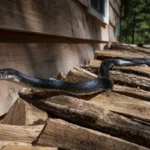
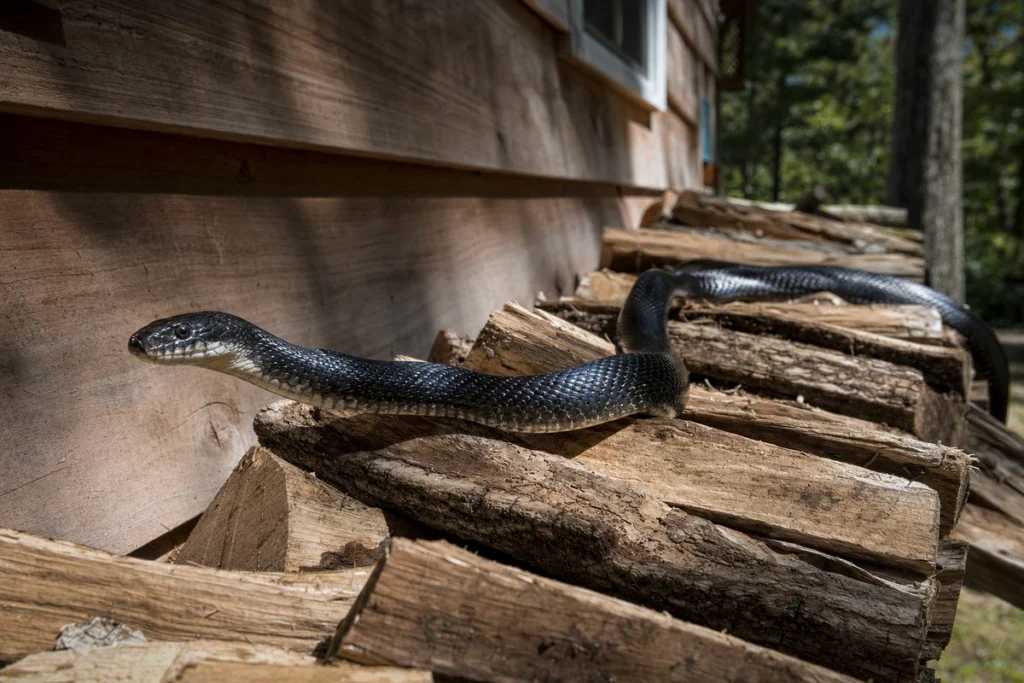
Snakes have been living on our planet for millions of years and are an important part of the ecosystem. They have adapted to a variety of habitats, from arid deserts to humid rainforests, each providing them with unique opportunities for survival. Most snakes live on the ground, but some snake species, such as sea snakes and pit vipers, have adapted to living in the water or in the deserts, respectively. Some venomous snakes, like rattlesnakes and cobras, have adapted to living in dry and hot climates, whereas most nonvenomous snakes live in moisture-rich environments. This apex reptile predator prowls through the desert of rock and sand or scavenges through the forest soil gliding through leaf and insect, blending seamlessly into the grass and underbrush. This article will give a glimpse into how different species of snakes live and what a snake habitat would likely look like. Where do snakes live? Different snake species live on different continents and in different habitats. For example, a green anaconda can be found in the forests of South America, while a king cobra can be found across Asia and Africa. Snakes that live in forests tend to have more cover with a tree, leaves, logs, and other objects; they also benefit from the abundance of prey animals like rodents, lizards, and insects. A few species of snakes prefer warmer climates and humid environments, which is why they are often found in swamps, wetlands, or grasslands in different parts of the world. Snakes living in desert habitats have adapted to the harsh conditions by becoming smaller in size and having a lighter coloration that helps them blend into their environment. Sea snakes can also be found living underwater in coral reefs, estuaries, and coastal waters, where they have a steady diet of fish and other marine animals. Adapting to the Environment Snakes have developed various adaptations to help them survive in their specific habitats. For example, arboreal snakes, which live in trees, have developed prehensile tails to help them grip branches. This adaptation is crucial for navigating the treetops in search of prey or to escape predators. In contrast, fossorial snakes, which live underground, have more streamlined bodies and reduced eyesight, as they spend most of their time burrowing through the soil. Similarly, aquatic snakes have developed specialized scales on their belly that allow them to move smoothly through the water, while snakes that live in dry, sandy environments, such as the Sidewinder, have developed a unique form of locomotion that allows them to move across the sand without sinking. Feeding Habits of Snakes The diet of a snake varies based on its habitat and size. Smaller snakes, such as garter snakes, typically eat insects, frogs, and small rodents. Larger snakes, like pythons and anacondas, can consume larger prey such as deer, pigs, and even alligators. Some snake species, like the King Cobra, specialize in eating other snakes. Most snakes are carnivorous and consume their prey whole. They have flexible jaws that can stretch wide to swallow prey much larger than their head. Some species of snakes, like the Boa Constrictor, will constrict their prey until it suffocates before consuming it, while others, like the Viper, use venom to immobilize their prey. Importance of Snakes in the Ecosystem Despite the fear they often instill in people, snakes play a crucial role in maintaining the balance of the ecosystem. By controlling the populations of rodents and other pests, snakes help to reduce the spread of diseases that these animals can carry. Moreover, snakes themselves are prey for larger predators such as birds of prey, foxes, and large carnivorous mammals, thus contributing to the food chain. Moreover, snakes play a vital role in seed dispersal, which is crucial for the regeneration of forests. Some snakes consume fruits along with their regular diet, and the seeds of these fruits are later excreted in different areas, helping in the dispersion of plant species. Human Interaction and Conservation Human activities such as deforestation, urbanization, and agriculture have led to the loss of habitat for many snake species. Additionally, snakes are often killed due to fear or for their skin, which is used in the fashion industry. This has led to a decline in snake populations in many parts of the world. Conservation efforts are being made to protect snake habitats and to educate people about the importance of snakes in the ecosystem. Protected areas and reserves have been established in different parts of the world to conserve snake populations and their habitats. Additionally, many organizations are working on educating the public about snakes and promoting snake conservation. Need Help With Snakes On Your Property? Need help removing snakes on your property but not sure where to start? Look no further than AAAC Wildlife Removal! We specialize in the humane removal of all wildlife species, including snakes and other reptiles. Our team of experts has the expertise and training to safely remove any snake from your property quickly and efficiently. We understand that having a snake on your property can be concerning and stressful, so we are here to help. We provide customized removal plans tailored to your needs and will work with you step-by-step until the job is done. Contact AAAC Wildlife Removal today for all of your snake removal needs! Conclusion Snakes are cold blooded creatures with a wide range of habitats that vary from rainforests to deserts. Most poisonous snakes maintain a body temperature higher than the surrounding environment by seeking heat from the sun, while non-poisonous snakes rely on burrows, log, branch, vine, or other hiding places to maintain their body temperature. Although wild snakes can pose a threat and cause fear in humans, it is always important to remember that they play an important role and should be respected as such. They are an important part of the ecosystem, playing a key role in controlling rodent populations and keeping ecological balance intact. While other snake species are important to their environment, if you find one on your property, it is best to contact a professional for removal.
- Brian Moss (President)
- AAAC Wildlife Removal
06/25/2024
Total words : 1011

- Brian Moss (President)
- AAAC Wildlife Removal
06/25/2024 Total words : 1011
A Snake’s Habitat
Snakes have been living on our planet for millions of

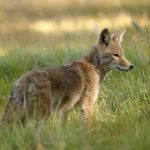
What do most coyotes eat?
The coyote population is widely distributed over most of North and Central America. From the west to the east coast, they can be found as far north as Alaska and as far south as Costa Rica. Coyotes have an extensive range and can adapt to various climatic conditions and habitats. Because of their adaptability, coyotes can live in multiple settings, including where people have settled. They are generally omnivores, but they prefer meat. They consume a lot of small mammals in their diet. Calves and lambs are examples of more significant, young mammals that coyotes occasionally prey upon. A coyote's diet also includes the dead bodies of animals in the natural environment. These can reach up to bison, moose, or elk sizes. Other coyotes will choose fresh meals over dead animals even though they can survive on carrion. A List of Food that Coyotes Eat Coyotes are opportunistic omnivores whose diet varies depending on the season and geographic location. In urban and suburban regions, coyotes help to stabilize and slow the total deer population by feasting on a white-tailed deer or any adult deer. Urban coyotes eat or may scavenge garbage or pet food and have even been known to attack livestock and domestic pets. In general, the diet of coyotes in urban areas is more varied than that of coyotes in rural areas. Here is a more comprehensive list of the food that coyotes eat: Fruits and Veggies Coyotes love to eat meat but are also content to eat various other foods. Whatever they can find to eat, they will consume. The fruit makes up a sizable portion of a coyote's diet. Coyotes spend a lot of time eating vegetables and fruits, especially berries, in autumn and winter when the fruit is in season—even cactus fruit in the desert. Other fruits that coyotes enjoy include: - Apples - Grapes - Melons - Peaches - Pears - Plums Other veggies that coyotes enjoy include: - Cabbage - Carrots - Corn - Lettuce - Peas - Potatoes - Soybeans - Squash - Sweet potatoes Coyotes will also eat grasses, wheat, other grains, the occasional acorn or beechnut, and berries such as blackberries, blueberries, raspberries, and strawberries. Small Animals Coyotes eat just about small animals, rodents, and even small dogs. They can find anything from rodents, rabbits, insects, and birds to reptiles. In fact, small animals make up the majority of a coyote's diet. Some of the animals coyotes eat are: -Chipmunks - Gophers - Ground squirrels - Hamsters - Mice - Mongooses - Opossums - Porcupines - Prairie dogs - Raccoons - Rats - Snakes - Weasels Coyotes will also eat lizards, frogs, and toads. They are not averse to eating carrion (dead animals) either. If they find a dead deer or another large animal, they will also eat that. Insects are not a preferred food for coyotes, but they will eat them if that is all that is available. Grasshoppers, crickets, beetles, ants, and caterpillars are all fair game for a coyote. Coyotes Hunt and Eat Fish You may not think coyotes are fish eaters, but they will eat fish if they can catch them. They are especially fond of trout, salmon, and other similar fish. They have even been known to wade into rivers to catch fish with their mouths. Coyotes will also eat shellfish like crabs, crayfish, and clams, as well as tiny turtles and even those dead in the water. While not their preferred food, fish make up a significant part of the diet. Coyotes Eat Poultry and Birds While not as common as small animals, coyotes will eat poultry and birds if they can catch them. Chickens, ducks, and turkeys are all on the menu for coyotes. They will also eat other birds such as pheasants, quail, robins, and songbirds. Coyotes have even been known to raid chicken coops and other poultry enclosures in search of a meal. If you keep poultry, it is essential to take steps to protect them from coyotes and other predators. Coyotes Eat Big Animals When pursuing large prey, coyotes will often hunt in groups. This gives a better chance of bringing down an animal larger than them. While they prefer smaller prey, coyotes will eat bigger animals. Coyotes have taken down deer, especially fawns, elk, moose, caribou, and bison. Coyotes consume livestock Coyotes will also eat livestock such as sheep, goats, calves, and pigs if they can get to them. They are especially fond of lambs. Coyotes have even been known to attack full-grown cows and horses and domestic pets such as cats and dogs. If a coyote feels incredibly bold, it may even attack a human, although it is rare. If you keep livestock, it is essential to take steps to protect them from coyotes and other predators. Coyote's Diet Adapt to Different Environment One of North America's most cunning big carnivores is the coyote. They have recently moved their species out of the rural American West and into populated regions like Los Angeles and New York. This accomplishment demonstrates a coyote's capacity to modify its diet to local conditions. Coyotes can kill larger prey in packs, but in cities, they can get by on waste left by residents. Coyotes typically hunt at night, especially in populated areas. In metropolitan areas, the best times for coyotes to hunt are at night and in the early hours of the morning. They will hunt during the day if hungry, but they prefer to hunt at night and relax during the day. They can minimize contact with people by food hunting at night in populated areas. How do Coyotes Hunt and Forage for Their Food? Coyotes prefer hunting alone or in packs. They try to be as stealthy as they can while hunting and killing their victim. They do this not to draw the attention of bears or other predators. Coyotes eat or hunt alone or in packs depending on their prey size. A single coyote won't go after a much larger animal by itself if there is one. Coyotes are intelligent animals, and they won't put their lives in danger to get their next meal. Professional Coyote Removal If you have coyotes on your property, it's essential to take action to get rid of them and prevent more damage. We at AAAC Wildlife Removal services, an industry leader in wildlife removal, can help you remove and prevent them from returning. Our thorough understanding of the biology and behavior of coyotes can assist you with difficulties you may have. We will work with you to create a custom plan that fits your specific needs and ensures that your coyote problem is taken care of for good. Contact us today to learn more about our coyote control services! Final Word Coyotes are intelligent and adaptable animals; their diet changes based on their environment and food availability. They are proficient hunters and will hunt in packs if necessary. Now that you know what most coyotes eat, be sure to protect your livestock and pets if you live in an area where they are present. If you have a coyote problem, be sure to contact us to ease your worries away!
- Brian Moss (President)
- AAAC Wildlife Removal
06/10/2024
Total words : 1198
Facts About Raccoon Mating Season You Need To Know
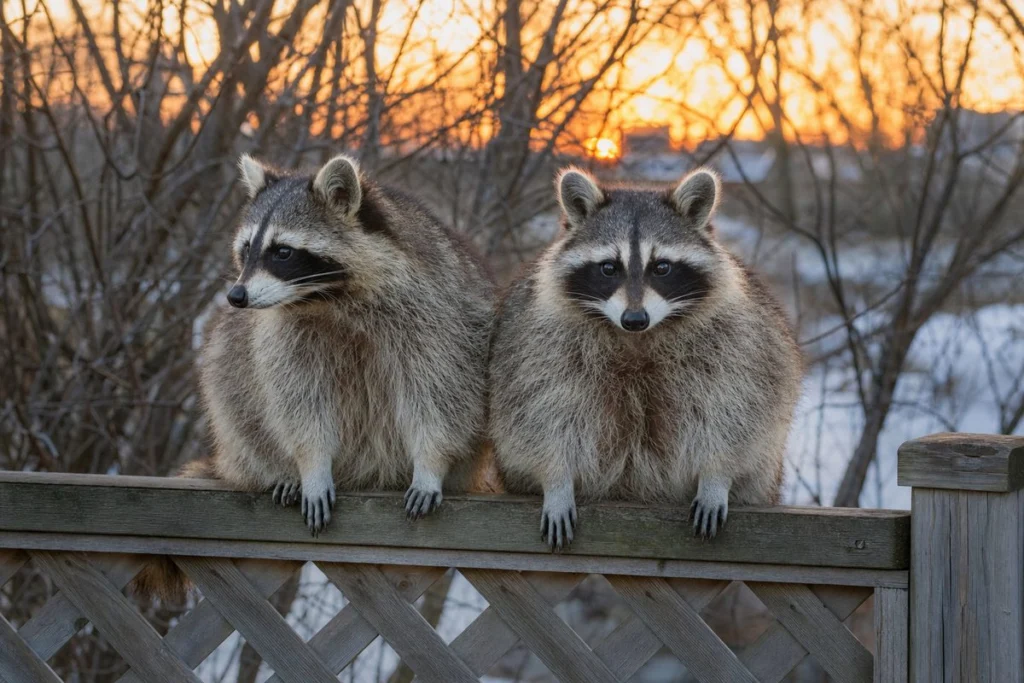
Did you know that raccoons mate between late winter and early spring? Suppose you live in an area with these adorable masked bandits. In that case, you might wonder what exactly goes on during the raccoon mating season. Without further ado, here are facts about the raccoon mating season you need to know! Raccoon Mating Season Is Between January And June Raccoon mating season generally occurs between January and June. However, in some areas, it can start as early as the first weeks of December and last until July, late spring. Late winter to early spring becomes the perfect season because it gives the female enough time to store fat. This will support her during pregnancy and wean her young raccoons. Other mammals, like skunks and foxes, have an overlapping breeding season with raccoons. Skunks have theirs from January to Mid-March and foxes from late December to the end of March. Raccoons Are Solitary Animals But Come Together To Mate Raccoons are generally solitary animals, similar to tigers, polar bears, and pandas. They sleep, eat, and hunt alone- preferring to live without companions. However, during mating season, they will come together to mate. Male raccoons will endlessly search for a mate during this time and will mate with as many females as possible. Once they find a female, they follow her around until she is ready to mate. After mating, the male and female raccoons will go their separate ways, and the female will then raise the offspring on her own. Male Raccoons Are More Likely To Fight In Mating Season No wonder male raccoons are more likely to fight during the mating season- they're trying to impress the ladies! Wrestling to show off their strength. When two male raccoons meet, they usually try to intimidate each other by making loud noises and showing their teeth. If that doesn't work, they will start fighting. The fights can sometimes get pretty violent, with the two raccoons biting and clawing at each other, which can even result in death. Raccoon Mating Call Sounds Like The Whistling of a Screech Owl During the breeding season, you might hear a strange whistling sound at night. This is the raccoon's mating call, and it sounds like an owl screeching. The male will use this call to try to attract a mate. The female will usually answer with a loud "honk." Once they find each other, the male will follow the female around and make a screeching sound until she signals that she is ready to mate. Remember that it's not just raccoons during these seasons, so expect to hear other screams, hisses, and whimpers from skunks and foxes. Male Raccoons Mate With Multiple Females Interestingly, male raccoons are polygamous. They will mate not just with one but with multiple females. This is because the female raccoon is only fertile for a few days, and the male wants to ensure that he can impregnate them. During the female's fertile period, the two will mate multiple times over several days. The male will move on to another female when she is no longer productive. Raccoons Can Be Quite Loud When Mating If you live in an area with raccoons, you might want to prepare for some noise. They're not just loud when they call for their mate, but they can also be quite noisy during the actual mating process, especially for the males. Mother Raccoons Give Birth To Litters Of 3-5 Young The baby raccoons are called "kits," born blind and deaf. After a gestation period of about 63 days, the mother raccoon will give birth to a litter of 3-5 young but can reach up to seven kits in some cases. The mother will take care of them until they are old enough to fend for themselves, usually around 4-5 months. Baby Raccoons Are Born Blind and Deaf As mentioned, these adorable little creatures are born blind and deaf. When they first open their eyes, they are usually blue but will eventually turn brown. This usually lasts for about two-three weeks. Their fur is also different from that of adults. The kits will have a soft and fluffy coat that is grayish in color. As they grow older, their fur will start to change into the typical raccoon's color, a mix of black, brown, and gray. There Is No Better Place For Raccoon Mothers Than Your Own Attic Ever wondered why raccoon mothers prefer your attic? That's because it provides the perfect environment to give birth to and raise their kits. It is warm, safe, and quiet- everything a mother raccoon needs to take care of her babies. If you find a raccoon in your attic, chances are she has given birth and is just trying to provide warmth for her young. The best thing you can do is to leave her be and wait for the babies to grow up and go on their own. You don't want to handle dead babies and fight off raccoon mothers if you force them out. There are also cases where mothers leave their newborn raccoons. The raccoon babies are considered orphans if they are not seen after a day or two. If they still don't go away after child-bearing and maturity, it's time to call for a professional. Call our AAAC Wildlife Removal team if such problems occur. These raccoon kits require extreme care and gentle handling. We are professionals in this field. We'll humanely remove the raccoon babies and ensure no other wildlife can nest in your home. Mother Raccoons Are Very Protective Of Their Young Like how mothers love their babies, raccoons are also very protective of their young. It is their instinct behavior to defend the young under fear and threat. If she feels like her babies are in danger, she will do everything she can to protect them. This includes fighting off other animals, predators, and even humans. This is one of the few reasons they prefer your house's attics. They think it's the safest site away from predatory species like bobcats, coyotes, and wolves. They'll be far more likely to die or be swept away by the harsh weather when they're outside. As with other wild animals, these critters could carry the rabies virus and other diseases. So if you come across this wildlife, it is best to leave them alone. Unless, of course, you want to get into a fight with a wild animal. Raccoon Families Will Stay Together For About A Year A raccoon family usually stays together for about a year. The young will remain with their mother to learn how to fend for themselves and survive in the wild. It's estimated that at eight weeks, the young raccoons can already leave the nest and eat solid food. Once they no longer need parenting and are old enough to survive, they will leave their mother and move on. They'll usually settle into urban environments, forests, or new territories where they can scavenge for food. Then, they find their own mate and raise their family (if female). And the cycle starts all over again. Male Raccoons Do Not Involve Themselves In The Rearing Of Young Unlike the females, male raccoons do not involve themselves in the rearing of the young. In fact, they will usually leave the female and her kits once they are done mating. You will only see a male raccoon with a female and her litter when he tries to mate with her again. Other than that, they will go their separate ways. Most Of The Time... Their Den Is Temporary, But They'll Eventually Settle Somewhere Safest Did you know that their homes are just temporary? Yes, you heard us right! When the female raccoons are finally about to breed and give birth, that's the only time they establish their own permanent spaces. They love places with little to zero disturbance. These can be your attic, your chimney, the hollows of your ornamental trees, or rock crevices around your property. They may look for other entry points in your house. It may be under your porches, sheds, and decks. Final Word So there you have it- If you live in an area where these furry critters are prevalent, it is best to be aware of their mating season. This way, you can avoid any potential confrontations or problems. If they're causing issues, call our pros at AAAC Wildlife Removal, and we'll be happy to help you get rid of the raccoons on your property! Originally published at AAAC Wildlife Removal: https://aaacwildliferemoval.com/blog/raccoons/facts-about-raccoon-mating-season-you-need-to-know
- Brian Moss (President)
- AAAC Wildlife Removal
05/10/2024
Total words : 1431
- Brian Moss (President)
- AAAC Wildlife Removal
05/10/2024 Total words : 1431
Facts About Raccoon Mating Season You Need To Know
Did you know that raccoons mate between late winter and early spring? Suppose you live in an area with these adorable masked bandits. In that case, you might wonder what exactly goes on during the raccoon mating season. Without further ado, here are facts about the raccoon mating season you…
Do Squirrels Eat Tree Bark?
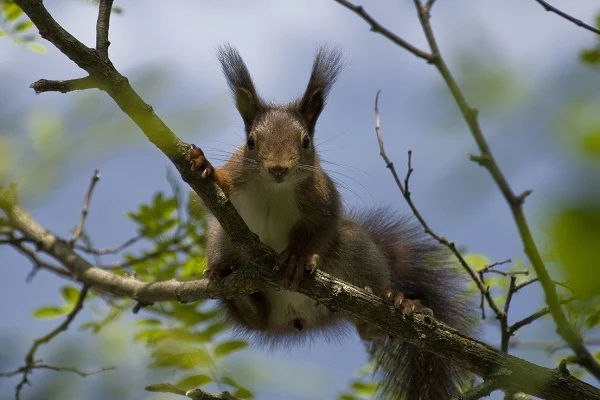
You probably see squirrels all the time in your backyard or when you’re out for a walk in the park. They’re fun to watch as they scamper up trees and bury their nuts for winter. But sometimes, you may notice them nibbling on tree bark. So, what gives? Do squirrels actually eat tree bark? So, Do Squirrels Eat Bark? The answer is yes! Most squirrels prefer to eat nuts, fruits, and seeds but they do, from time to time eat tree bark. Red squirrels, grey squirrels, fox squirrels, tree squirrels, and flying squirrels are known to nibble on tree bark. Tree bark makes up a large part of the food source. Squirrels will strip bark on hardwood and softwood trees in any tree species. Squirrels prefer the softer inner bark, but they'll also eat the more rigid outer bark if nothing else is available. Why Do Squirrels Eat Bark? Squirrels chew bark for a variety of reasons. It can be for sustenance, to sharpen their teeth, or to get materials to build their nests. In the winter, when food is scarce, squirrels may eat tree bark to survive. Tree bark is a good source of fiber, which helps them stay full. Squirrels also get sodium and other nutrients from tree bark. Squirrels will gnaw on tree bark to help keep their teeth sharp. Their incisors, or front teeth, grow about 5 inches per year! Chewing on tree bark helps to keep their teeth at a manageable length. Finally, squirrels chew on tree bark to get materials for their nests. They’ll strip the bark off of twigs and branches to use as bedding material. The soft inner bark is especially useful for lining their nests. Are All Squirrels Bark Eaters? While all squirrels will nibble on tree bark from time to time, not all of them do it with the same frequency. For example, red and grey squirrels are more likely to consume tree bark than their Fox or flying cousins. This is likely because red and grey squirrels live in areas where there are fewer other food options available. What Damage Do Squirrels Cause to Trees? While tree bark is a common part of a squirrel’s diet, that doesn’t mean that they don’t cause damage to trees when they eat it. In fact, excessive bark eating can be detrimental to the health of a tree. When squirrels strip away the bark, they expose the inner layers of the tree to elements. This can cause the tree to become dehydrated and stressed, which can lead to diseases such as canker or death. What Causes Squirrels to Chew Off Branches? There are several reasons why a squirrel might chew off a branch. The most common cause is that they're looking for food. It usually happens in the winter when food is scarce. If there is insufficient food, squirrels will start to nibble on tree branches as the tree sap contains nutrients. Another reason why squirrels might chew on branches is to file or sharpen their teeth. Squirrels' teeth constantly grow, so they need to gnaw on something hard to try and keep them at a manageable length. If there’s nothing else available, they’ll start chewing on tree branches. Branches also make for great nesting material. Squirrels will strip the bark off of twigs and branches to use in their nests. What to Do If Squirrels Are Chewing Your Trees If you've noticed that squirrels or other animals are chewing on your trees, there are a few things to try to deter them. First, you can try wrapping the trunk of the tree with chicken wire. This will create a barrier that squirrels can’t get through. Just be sure to wrap it tightly so that there are no gaps for them to squeeze through. You can also try spraying the tree with a commercial squirrel repellent. These repellents usually contain ingredients like capsaicin or naphthalene, which discourage squirrels from chewing on the tree. Whatever method you choose, keep an eye on the tree and squirrels. If they are undeterred by your efforts, it's time to call in a professional. Need Help With Nuisance Squirrels on Your Property? If you need help with squirrel removal on your property, AAAC Wildlife Removal is here to help! We'll take care of the problem quickly and efficiently so that you can enjoy your yard again. Give us a call today to schedule a consultation! Final Words Despite how adorable and harmless they may appear, squirrels can cause serious damage to your trees. This is especially bad if the tree is young or already in a weakened state. If you’ve noticed that squirrels are starting to chew on your trees, don’t wait to take action. Deter them with one of the methods above, or call in a professional to take care of the problem for you. Learn More About Squirrel: Kinds of Squirrels Do Squirrels Bark? How Long Do Squirrels Hibernate? Where Did Squirrels Originate? Originally published at AAAC Wildlife Removal: https://aaacwildliferemoval.comblog/squirrels/do-squirrels-eat-tree-bark
- Brian Moss (President)
- AAAC Wildlife Removal
05/03/2024
Total words : 851
- Brian Moss (President)
- AAAC Wildlife Removal
05/03/2024 Total words : 851
Do Squirrels Eat Tree Bark?
You probably see squirrels all the time in your backyard or when you’re out for a walk in the park. They’re fun to watch as they scamper up trees and bury their nuts for winter. But sometimes, you may notice them nibbling on tree bark. So, what gives? Do squirrels…