
- Brian Moss (President)
- AAAC Wildlife Removal
08/04/2026 Total words : 999
What Does it Mean When a Rabbit Stays In Your Yard?
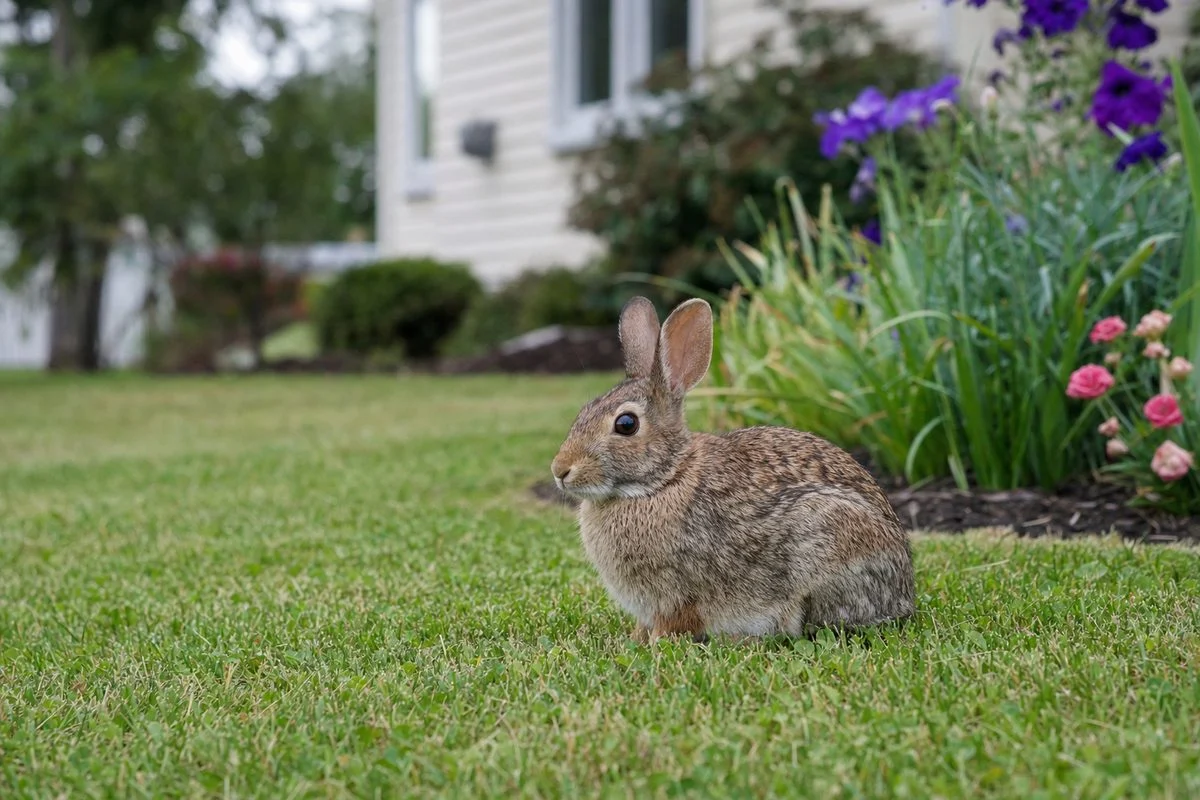
A rabbit staying in your yard usually means it’s found food, shelter, and safety. It may also be nesting nearby or using the area to feed regularly. Rabbits might seem like quiet, harmless guests, but when one keeps hanging around your yard, it’s worth paying attention. What starts as a cute sighting can quickly turn into garden damage, hidden nests, or even a rabbit family settling in for the long haul. In this guide, we’ll break down why rabbits choose certain yards, what their behavior means, and how to tell when it’s time to step in, or call a wildlife expert for help. Learn more: What kills rabbits in your yard? What does it mean when a rabbit stays in your yard? If a rabbit keeps returning or settles in your yard, it’s likely found a perfect mix of food, shelter, and safety. Yards with garden beds, tall grass, bushes, or open compost piles are basically rabbit paradise; easy to hide in, easy to eat from, and mostly undisturbed. In some cases, the rabbit may have a nest nearby or be preparing to raise young, especially during spring and summer. Their presence often signals that your property is part of their regular routine or territory, which means they could be sticking around longer than you’d expect. Why do rabbits choose certain yards over others? Rabbits are picky about where they settle, and they’re naturally drawn to yards that feel quiet, lush, and protected. If your yard has tall grass, dense shrubs, woodpiles, or low-traffic areas, it becomes a cozy shelter from predators and harsh weather. They’re also big fans of easily accessible food like vegetable gardens, flowerbeds, birdseed, and even fallen fruit. Add in a water source like a birdbath or dripping hose, and your yard becomes a full-service bunny buffet that’s hard for them to resist. Should you be concerned about a rabbit staying in your yard? At first glance, a rabbit might not seem like a problem; but over time, they can cause real damage. Rabbits love to chew on tender plants, dig around garden beds, and nibble bark off young trees, which can ruin your landscaping and even kill certain plants. There’s also the potential for bigger issues, like attracting predators such as foxes, hawks, or coyotes that follow prey animals into residential areas. Plus, if one rabbit feels comfortable enough to stick around, it may be a sign that more are on the way, especially during breeding season. How can you tell if there’s a rabbit nest nearby? Rabbit nests are often hidden in plain sight and can be easy to miss if you don’t know what to look for. They typically appear as shallow depressions in the ground, lightly covered with grass, leaves, and tufts of fur pulled from the mother rabbit’s belly to insulate her young. You might also notice increased rabbit activity in a specific area, such as repeated visits to the same patch of lawn or garden bed. If you see disturbed mulch, narrow trails in tall grass, or sudden movement from a hiding rabbit, there’s a good chance a nest is nearby. What should you do if a rabbit won’t leave? If a rabbit keeps returning to your yard, the first step is to remove anything that’s making it feel at home. Keep your lawn trimmed, secure your garden with fencing, clean up fallen fruit or birdseed, and remove brush piles or low-lying shrubs where they might hide. Avoid handling or disturbing a rabbit nest directly, especially if babies are present. Instead, use gentle deterrents like motion-activated sprinklers, reflective garden tape, or predator scent granules to make your yard less appealing without harming the animal. When should you call a wildlife removal expert? You should contact a wildlife expert if a rabbit has nested too close to your home, refuses to leave despite deterrents, or is causing noticeable damage. Nests near walkways, patios, or dog runs can create stress for the animal and risk for pets or small children. Professionals can assess the situation, safely relocate the rabbit if necessary, and help you secure your yard to prevent future visits. They’ll also make sure all actions follow local wildlife laws, which often protect rabbits and restrict how they can be handled. How AAAC Wildlife Removal helps with rabbit problems At AAAC Wildlife Removal, we specialize in humane, effective solutions for managing unwanted wildlife, including rabbits that have overstayed their welcome. Our team begins with a full property inspection to identify hiding spots, feeding areas, and signs of nesting, then creates a custom plan tailored to your yard. We use safe relocation practices, secure any entry points or shelter zones, and offer expert advice on long-term prevention. Whether it’s a single rabbit or an entire family, we’ll help restore balance to your outdoor space without harming the animals or your landscape. Stop the Spread Before It Starts Seeing a rabbit lounging in your yard might seem harmless at first, but it’s often a sign that your property has become a hotspot for nesting, feeding, or long-term shelter. Left unchecked, one quiet visitor can lead to plant damage, predator attraction, or even a full-blown rabbit colony. Understanding what draws rabbits in, and how to respond, makes all the difference. With the right mix of prevention and professional help from AAAC Wildlife Removal, you can keep your yard safe, clean, and bunny-free without harming local wildlife. Ready to Reclaim Your Yard from Unwanted Rabbits? If a rabbit has made your yard its new hangout; or worse, its nesting ground, it’s time to call in the pros at AAAC Wildlife Removal. We’ll safely assess the situation, remove the problem, and help you rabbit-proof your property for good. Don’t wait for one bunny to turn into many. Contact AAAC Wildlife Removal today for fast, humane, and effective rabbit control you can trust.

What is the 3 3 3 rule for rabbits?
"The 3-3-3 Rule for rabbits means giving them 3 days to overcome initial stress, 3 weeks to start exploring, and 3 months to fully settle in—patience is the key to a happy, healthy rabbit." If you’ve ever had a rabbit suddenly appear in your yard or you’ve tried to help a lost bunny, you know just how skittish and mysterious these little creatures can be. Understanding how rabbits adapt to new environments—whether they’re pets settling into a home or wild rabbits adjusting after rabbit removal—is key to ensuring their safety and well-being. That’s where the “3-3-3 Rule” comes in, offering a simple guideline to help both pet owners and wildlife professionals know what to expect during the critical transition periods for rabbits. It’s especially helpful when reintroducing wildlife to a safe habitat or helping a rescued bunny adjust after being remove. The 3-3-3 Rule is more than just a catchy phrase—it’s a proven method that helps people recognize the natural adjustment phases rabbits go through in unfamiliar situations. By understanding what rabbits experience over the course of 3 days, 3 weeks, and 3 months, you can respond with patience and the right approach, whether you’re welcoming a new pet or working with a humane wildlife removal team like AAAC Wildlife Removal. This approach not only makes life easier for the rabbits but also helps homeowners and rescuers handle rabbit encounters responsibly and compassionately. Learn more: How to get rid of an unwanted rabbit? Why Does the 3-3-3 Rule Matter for Rabbits? Helps Set Realistic Expectations The 3-3-3 Rule guides anyone working with or caring for rabbits to understand that adjustment takes time. Since rabbits are naturally cautious and easily startled, it’s normal for them to act nervous or withdrawn in a new setting. Recognizing this process prevents people from expecting instant comfort or friendliness, which can reduce frustration for both humans and rabbits. Reduces Stress for Both Rabbits and Humans When you know what to expect, it’s easier to be patient and supportive as the rabbit adapts. The rule encourages giving rabbits space and time to settle in at their own pace, rather than rushing the adjustment. This approach is especially important for pet adopters, homeowners, and wildlife removal professionals who want the best outcome for these sensitive animals. Supports Humane Rabbit Management Following the 3-3-3 Rule is part of a responsible, humane approach to rabbit care and wildlife management. It helps ensure that rabbits are not only removed or relocated safely, but also given the best possible chance to thrive after the transition. For companies like AAAC Wildlife Removal, respecting this adjustment period leads to better results and healthier, happier rabbits. How Does the 3-3-3 Rule Help With Rabbit Rescue or Removal? The 3-3-3 Rule is an essential guide for humane rabbit rescue and removal, helping professionals minimize stress for these sensitive animals every step of the way. By understanding how rabbits process change over 3 days, 3 weeks, and 3 months, wildlife experts can plan relocations that prioritize the animal’s comfort and safety. This approach allows time for rabbits to decompress after capture and ensures that any new environment or routine is introduced gradually, reducing the risk of shock or long-term anxiety. For AAAC Wildlife Removal, applying the 3-3-3 Rule is part of a strong commitment to animal welfare and responsible wildlife management. When rabbits are given the space and patience to adjust, they experience fewer health issues and develop healthier behaviors, which leads to more successful releases or adoptions. Homeowners can trust that every rabbit handled by AAAC is treated with care, compassion, and a deep respect for their natural instincts—making each removal safe for both the animals and the people involved. Key Signs to Watch For During the 3-3-3 Rule Phases First 3 Days: Initial Stress and Hiding During the first three days in a new environment, most rabbits will display classic signs of stress or fear. It’s common to see them hiding in corners, burrowing into bedding, or staying completely still as they try to make sense of their new surroundings. Many rabbits will avoid any form of contact, freeze when approached, or flinch at sudden movements and noises. You might also notice changes in appetite, with some rabbits refusing to eat or drink while they adjust. These early days are critical for observation, as excessive stillness or lack of response can be a rabbit’s way of coping with overwhelming change. Providing a quiet, undisturbed space and minimizing interaction during this period helps reduce anxiety and encourages a smoother transition. After 3 Weeks: Exploring and Adjusting By the three-week mark, rabbits often start to relax enough to explore their environment with more confidence. You’ll likely see them venturing out from hiding spots, sniffing around new objects, and testing boundaries in their space. This curiosity is a good indicator that the rabbit is feeling less threatened and is becoming familiar with its surroundings. Although rabbits may still be a bit skittish, their willingness to interact with the environment signals progress. You might also observe subtle behavioral changes, like more consistent eating habits or tentative approaches toward people. This period is all about gentle encouragement and allowing the rabbit to explore on its own terms, which helps build trust and lays the foundation for a positive long-term adjustment. After 3 Months: True Personality Emerges At around three months, most rabbits feel fully settled and begin to show their authentic personalities. Playful rabbits might hop around, toss toys, or seek gentle interaction, while more reserved ones establish predictable routines for feeding and grooming. This phase often brings out new quirks and habits, revealing what makes each rabbit unique. Confidence and comfort are clear in their day-to-day activities, with rabbits displaying relaxed postures, healthy eating, and regular grooming. You’ll notice they respond positively to their caregivers or familiar surroundings and seem genuinely at ease. This is a rewarding milestone, as it confirms that patience and understanding during the earlier adjustment periods have paid off, resulting in a happy, healthy rabbit. Practical Tips: Easing Rabbit Transitions Create a Calm, Safe Environment- Set up a quiet, comfortable space for the rabbit away from loud noises, pets, and heavy foot traffic. Use soft bedding and provide hiding spots so the rabbit feels secure. Limiting sudden changes and movement in their area will help lower their stress levels in those first critical days. Offer Gentle Interaction and Patience- During the adjustment period, avoid overwhelming the rabbit with handling or attention. Speak softly, move slowly, and let the rabbit come to you at their own pace. Patience is key—forcing interaction can set back their progress, while gentle, consistent care encourages trust over time. Monitor Behavior and Health Closely- Keep an eye on the rabbit’s appetite, droppings, and energy level, especially during the first few weeks. If you notice any signs of illness or extreme distress, contact a rabbit-savvy veterinarian or wildlife professional. Early intervention makes a big difference, ensuring a healthy adjustment for the rabbit whether they’re a new pet or a wild visitor. How AAAC Wildlife Removal Handles Rabbit Problems Safely Humane, Science-Based Approach AAAC Wildlife Removal always prioritizes the safety and well-being of rabbits during every removal or relocation job. The team follows humane, science-backed practices that respect the 3-3-3 Rule, ensuring that rabbits are given the right environment and time to adjust with as little stress as possible. This means no shortcuts—just patience, expertise, and compassion in every situation. Customized Solutions for Every Situation Every property and rabbit situation is unique, so AAAC Wildlife Removal tailors their approach based on the rabbit’s behavior and specific needs. The team evaluates the site, uses gentle removal methods, and considers the ideal timing for relocation. With a deep understanding of rabbit adjustment periods, AAAC provides long-term, effective solutions that keep both homeowners and wildlife safe. Commitment to Animal Welfare and Customer Peace of Mind Choosing AAAC Wildlife Removal means you’re working with a company that truly cares. The team’s commitment to humane treatment, education, and ongoing support ensures that your rabbit issues are handled responsibly. Clients can feel confident knowing every step, from assessment to follow-up, is guided by proven principles like the 3-3-3 Rule. Conclusion Understanding the 3-3-3 Rule for rabbits gives you a powerful tool for supporting their adjustment—whether you’re a pet owner, a rescuer, or just someone who wants to keep your property wildlife-friendly. Giving rabbits the right amount of time and space to adapt leads to less stress, healthier animals, and better outcomes for everyone involved. If you ever find yourself facing rabbit issues around your home or property, don’t leave it to guesswork or risky DIY methods. Reach out to the experts at AAAC Wildlife Removal for safe, humane, and reliable solutions. With our experience and commitment to animal welfare, you can rest easy knowing both your property and the local rabbit population are in good hands. Need Help With Rabbits? Contact AAAC Wildlife Removal If you’re struggling with rabbits in your yard or want to make sure any removal is done humanely, AAAC Wildlife Removal is here for you. Our team understands the 3-3-3 Rule and uses proven, science-backed techniques to keep stress low for the animals while protecting your property. Don’t risk causing harm with DIY methods or guesswork. Reach out to AAAC Wildlife Removal today for expert advice, compassionate service, and results you can count on. Let us help you find the safest, most responsible solution for you and your local wildlife.
- Brian Moss (President)
- AAAC Wildlife Removal