


- Brian Moss (President)
- AAAC Wildlife Removal
09/15/2026 Total words : 2635
What food is poisonous to squirrels?
“Chocolate, avocados, onions, and moldy foods are some of the most poisonous items you can leave out for squirrels. Even small amounts of these everyday ingredients can cause serious health issues—or be fatal—for these sensitive rodents.” Squirrels may look harmless scampering across your fence or chasing each other up a tree, but when they show up in your attic or tear through your garden, that charm disappears fast. In leafy neighborhoods where parks are close by and backyard bird feeders are everywhere, it’s no surprise that squirrels are regular visitors—and sometimes uninvited tenants. While many people enjoy watching them or even tossing out food, what you leave behind can actually be dangerous to squirrels—and a bigger headache for you without proper squirrel control. This article isn’t about harming wildlife. It’s about knowing what food is poisonous to squirrels so you don’t accidentally invite them in or make them sick. If you’ve been leaving out scraps, filling feeders, or composting without thinking twice, there’s a good chance you’re creating a squirrel buffet without even realizing it. Let’s break down what to avoid, what to secure, and how to protect both your home and the squirrels from a bad encounter. What Is The Most Dangerous Foods for Squirrels? Chocolate and Caffeinated Products Chocolate is one of the most toxic substances you can accidentally leave out for squirrels or any rodent. It contains theobromine—a stimulant that these small animals can't metabolize effectively. Just a small amount from a brownie, chocolate almond bar, or sugar-filled candy can trigger tremors, elevated heart rate, or seizures in squirrels. Since they have such fast metabolisms and tiny bodies, the toxic effects hit hard and fast, often with serious consequences. Caffeinated foods and drinks are equally dangerous. Coffee grounds, soda spills, or chocolate-covered espresso beans tossed into a compost pile can be life-threatening if a squirrel gets into them. Where outdoor parties and backyard BBQs are common, it’s easy for sugary or caffeine-rich snacks to end up where rodents roam. To keep squirrels safe and your property clear of unwelcome visitors, make it a habit to clean up thoroughly and store all sweet or stimulant-laced foods securely. Avocados Avocados contain persin, a fungicidal toxin found in the fruit’s skin, pit, and even its leaves. While persin might not harm humans, it can be toxic to many animals, including squirrels. The risk isn’t just in eating an avocado—squirrels that nibble on a discarded peel, chewed seed, or exposed pit can experience digestive issues or worse. What makes this even more concerning is how easily avocado waste can be overlooked, especially in compost bins. If you’re growing avocado trees or preparing guacamole from scratch, this is something to stay mindful of. As urban farming and composting become more popular, the risk of accidentally exposing squirrels to this toxic fruit increases. Make sure avocado scraps are properly sealed or discarded, and if you have a tree, regularly clear fallen fruit from the yard. It’s better to be safe than to unknowingly poison a local animal. Onions, Garlic, and Spicy Foods While these aromatic kitchen staples may keep your chili full of flavor, they spell serious trouble for squirrels. Onions and garlic contain compounds that can damage red blood cells, leading to anemia and other health complications. The danger extends to cooked dishes, too. If a squirrel gets into leftover food seasoned with garlic or onions, even in small amounts, it can suffer lasting effects. In worst cases, repeated exposure can be fatal over time. Spicy foods also pack a punch that squirrels can’t handle. Hot sauce remnants, chili powder, or discarded tacos can cause severe digestive distress. Where spicy dishes are a staple, food waste often ends up in outdoor bins or compost piles. Make sure spicy scraps are stored in critter-proof containers, and avoid tossing seasoned leftovers near your patio or yard. The goal isn’t just to avoid harming squirrels—it’s to stop inviting them altogether. Alcohol and Fermented Fruit Alcohol might seem like an unlikely threat to wildlife, but squirrels are highly sensitive to it. Whether it’s beer spills from a tailgate, wine left out on the porch, or sugary cocktails left on patio tables, these drinks can lead to disorientation, slowed reaction time, and eventually liver failure in squirrels. Their small bodies can't handle even trace amounts, and it doesn't take much to put them in serious danger. Another sneaky culprit? Overripe or fermenting fruit, especially in backyards with peach, fig, or persimmon trees. As the fruit falls and begins to break down, it can release natural alcohols that attract squirrels and get them intoxicated. They may stagger, fall from trees, or become easy prey for predators. Regularly clean up fruit from the ground and keep alcoholic beverages secure during outdoor events. Salty Snacks and Chips Salt is another ingredient that can easily disrupt a squirrel’s internal balance. While humans can handle a salty snack during a football game or backyard hangout, squirrels don’t process salt well. Even a few bites of junk food like chips, pretzels, or salted walnut snacks can dehydrate them and overwork their kidneys. These types of treats also contain added sugar and artificial ingredients that offer zero nutritional value for squirrels—making them both harmful and useless from a dietary perspective. Many of these items—especially sugary breakfast cereals or processed snack mixes—are casually dropped or tossed outside without much thought. But to a hungry squirrel, that forgotten bowl of cereal or spilled trail mix is a full meal. Where outdoor events, food trucks, and weekend cookouts are part of the culture, squirrels quickly learn where the good stuff is. Cleaning up sugary crumbs and sealing snack waste tightly are easy steps that help discourage squirrels from turning your yard into their favorite buffet line. AAAC Wildlife Removal · What food is poisonous to squirrels_ Surprising “Healthy” Foods That Still Poisonous To Squirrels Not all squirrel-dangerous foods are obviously harmful. Some look totally natural or even nutritious—but for squirrels, they can cause more harm than good. These foods often show up in gardens, bird feeders, compost piles, or well-meaning attempts to “feed the wildlife.” Here’s what to watch for. Raw Corn (Especially Moldy Corn) Corn might seem harmless—it’s a common ingredient in bird seed, livestock feed, and even human snacks. But when corn starts to mold, it can develop aflatoxins, which are highly toxic to squirrels and many other animals. Aflatoxins are produced by certain types of fungi and can affect liver function, immune systems, and even lead to cancer in wildlife. A squirrel doesn’t have to eat much moldy corn for it to cause serious internal damage. The risk goes up during warm, humid stretches—especially in summer—when moisture speeds up mold growth. Corn that’s left outside for too long, stored improperly in feeders, or tossed into compost piles can quickly become a hidden hazard. If you’re putting out corn in a feeder, store it in a dry place, change it frequently, and never offer anything that smells off or looks discolored. It’s not just about nutrition—it’s about safety. Bread and Processed Carbs Bread might feel like a safe, throwaway snack for critters—but it’s actually a poor and potentially harmful food choice for squirrels. Bread, crackers, and other refined carbs offer little to no nutrition, and they can expand in a squirrel’s stomach, leading to bloating or discomfort. In some cases, processed bread products contain preservatives and additives that are hard for squirrels to digest, weakening their system over time. Squirrels that eat too much bread often end up malnourished despite feeling full. This is especially common in neighborhoods where residents leave out food “just to be nice.” Unfortunately, the kindness backfires. Instead of helping, you may be attracting squirrels that grow dependent on an unhealthy food source—and more likely to take up permanent residence in your attic. If you want to be squirrel-friendly, stick to natural deterrents and avoid the bread basket. Peanuts (Especially Salted or Moldy) Peanuts are a bit of a wildcard. While they’re often seen in squirrel food blends or used to lure wildlife for photos, they aren’t actually nuts—they’re legumes. And when they’re salted, roasted, or worse, moldy, they become a serious risk. Moldy peanuts, like corn, can carry aflatoxins that attack a squirrel’s liver and immune system. Salted peanuts, on the other hand, can cause dehydration and kidney stress. This matters because many people use peanuts to feed birds or squirrels without realizing the risks. In fact, some birdseed mixes from big-box stores still include them. If you’re trying to keep squirrels away from your yard—or avoid poisoning them by accident—skip the peanuts. And if you must use them, go for raw, unsalted, and fresh, and use a squirrel-proof bird feeder so your effort to help one species doesn’t endanger another. Foods That Attract Squirrels (But Shouldn’t) Some foods might not be poisonous, but they’re basically neon signs saying “Free Snacks Here!” for squirrels. These attractants can lead to more frequent visits, nesting, and eventual infestations. If you’re trying to squirrel-proof your yard or keep them from invading your home, these are the items to manage carefully. Bird Seed and Pet Food Bird feeders are one of the top culprits for squirrel problems. Many blends contain sunflower seeds, millet, corn, and peanuts—aka squirrel candy. Once they find a reliable food source, squirrels will return again and again, sometimes destroying the feeder in the process. The same goes for pet food left outside. Dry kibble and wet food alike are high-protein, calorie-dense meals that squirrels will happily devour. Where backyard birdwatching is popular and outdoor pet bowls are common, this becomes a recurring issue. If squirrels are showing up regularly, the first thing to check is whether your bird feeder is squirrel-proof and elevated away from fences or trees. Also, never leave pet food unattended, especially overnight. A raccoon might beat the squirrels to it, but either way—you’ve got a new pest problem on your hands. Fruit Trees and Garden Crops If your backyard features fruit-bearing trees or a vegetable garden, you’re basically running a squirrel café. Figs, peaches, tomatoes, squash, strawberries—they’ll eat it all, and then some. What’s worse, squirrels don’t always eat the whole fruit. They’ll take one bite, drop it, then move to the next, leaving half-gnawed produce all over the yard. This kind of waste isn’t just annoying—it invites more wildlife and signals that your property is a reliable food source. Yards with nut or fruit trees and garden plots make it easy to understand how squirrels find paradise there. To cut down on the attraction, install protective netting, harvest ripe produce early, and fence off your garden beds. If fruit trees are the issue, keep the ground clear of fallen fruit and consider installing metal baffles to keep squirrels from climbing up. Prevention here is key—once they associate your yard with food, they won’t be in a hurry to leave. Humane Prevention Tips for Homeowners Getting rid of toxic or attractive foods is only half the battle. If you want squirrels to stay out of your attic, garden, or walls for good, you need to create an environment that’s less appealing overall. These humane, practical steps can help you protect your property without harming squirrels—or breaking any wildlife laws. Don’t Feed Them—Even Accidentally Feeding squirrels, even unintentionally, leads to dependency. Once they learn that your yard has a steady buffet of snacks—whether from bird feeders, trash, or leftover fruit—they’re more likely to return, build nests, and chew through your home. That’s when things get expensive. Insulation damage, chewed wires, and attic infestations are all common in squirrel-prone areas, especially in older homes with easy access points. It’s important to understand that “just tossing out scraps” or letting them share pet food isn’t doing them a favor. It’s putting them in harm’s way and encouraging behavior that will eventually need to be corrected—likely with professional wildlife removal. Your best move? Cut off their food supply and make your home boring and uninviting for a squirrel on the hunt. Secure Trash and Compost Open garbage bins, compost heaps, and yard waste piles are like food courts for squirrels. Apple cores, pizza crusts, vegetable scraps—if it smells edible, they’ll be in it. Even worse, once they’ve found your compost pile or trash bags, they’re likely to stick around and start scouting for entry points into your attic or crawl spaces. If you're composting in your backyard, heat and moisture speed up fermentation—making it even more pungent and appealing. To stop this, invest in locking trash cans and compost bins with tight-fitting lids. Avoid using plastic bags that animals can rip open easily, especially on trash night. If you’ve got a compost pile, keep it off the ground or fenced in with mesh to keep squirrels and other critters out. What might start as a curious squirrel rummaging in your compost can quickly turn into a full-blown pest issue. Use Natural Repellents and Smells They Hate One of the easiest and most humane ways to keep squirrels away is to use smells they can’t stand. Peppermint oil, garlic spray, vinegar, and cayenne powder are all natural deterrents that irritate a squirrel’s senses without causing harm. You can soak cotton balls in these oils and place them near entry points, or create your own spray for fences and garden beds. In regions with mild winters, squirrels stay active nearly year-round, so it helps to reapply repellents regularly. Target spots like attic vents, bird feeder poles, and garden borders. If you’re trying to protect specific crops or planters, mesh covers combined with repellents create a strong double-layer of defense. Bonus: these same repellents often work on raccoons and opossums, too. Work With a Local Expert Sometimes, even your best DIY efforts fall short—especially if squirrels have already gotten inside. That’s where professional help makes a difference. A licensed wildlife control team can inspect your home for entry points, seal off vulnerable spots, and install humane exclusion devices that let squirrels out but not back in. They’ll also know what local regulations allow and what’s safe for both your property and the animals. AAAC Wildlife Removal specializes in this exact kind of situation. Our local offices know the neighborhoods, the habits of local squirrel populations, and the seasonal behaviors that lead to infestations. Wherever you are, we can help you reclaim your space—quickly, legally, and without harming the squirrels. Keep Squirrels Safe—And Out of Your House Knowing what food is poisonous to squirrels isn’t just about protecting them—it’s about protecting your home, too. The snacks you leave behind, the bird feeders you stock, and the garden you tend could all be attracting unwanted attention. From toxic treats like chocolate and onions to high-risk leftovers and moldy corn, a little knowledge goes a long way in preventing harm and stopping infestations before they start. If squirrels have already turned your attic into a crash pad or your backyard into a snack station, it’s time to take action. AAAC Wildlife Removal offers humane squirrel removal, full-home inspections, and prevention strategies that actually work. Find your local office for fast service and zero guesswork. Call today—and make your home less inviting to pests and safer for everyone involved.
How to Get a Snake Out of Your House if You Can’t Find It?
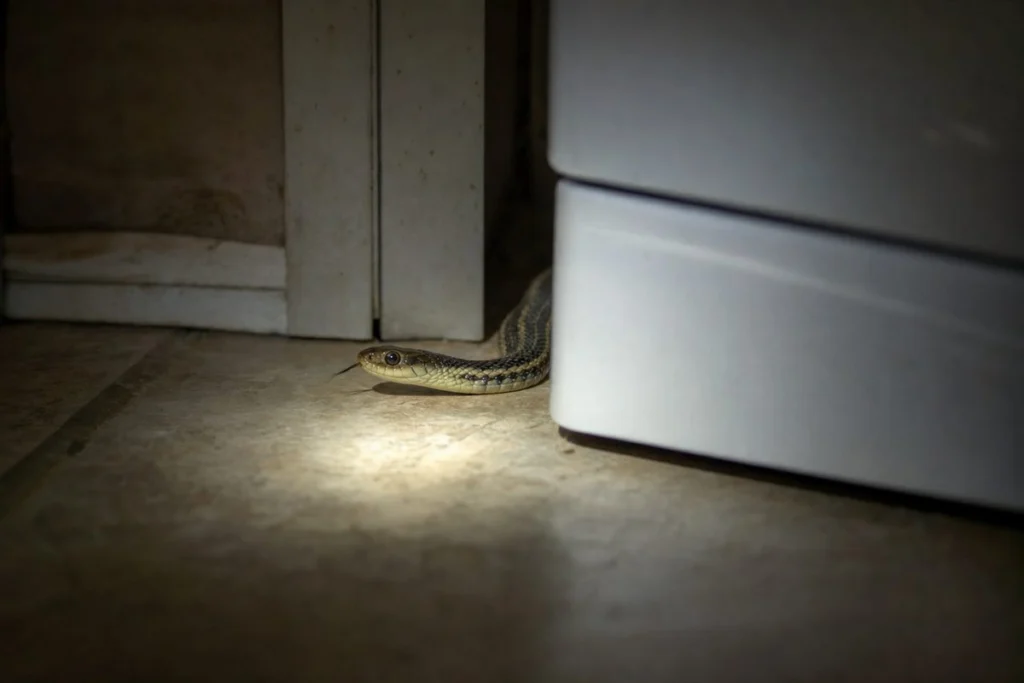
"To get a snake out of your house if you can’t find it, seal off rooms, remove food sources, set safe lures like damp towels, and call professionals if needed." Few things rattle homeowners faster than realizing a snake has slipped into the house, especially when it’s gone into stealth mode and you can’t find it. The unsettling part isn’t just the snake itself, but the not knowing where it’s hiding or when it might reappear. That mix of fear and uncertainty can turn your home into a guessing game you never signed up for. The good news is you’re not powerless. While snakes are masters of concealment, there are smart, safe ways to handle the situation without putting yourself at risk. Instead of tearing the house apart in a panic, you can follow proven steps to corner, coax, or calmly remove your uninvited guest, and when needed, call in the experts who do this every day. Why a Hidden Snake Is a Headache? Snakes are escape artists. Once inside, they slip into tight, dark spaces like behind appliances, under furniture, or even inside walls. Their quiet movements and ability to flatten their bodies make them nearly invisible when they want to be. This vanishing act isn’t just inconvenient, it can be stressful and even dangerous. You might walk through your own home feeling on edge, unsure if the snake is tucked in a corner, curled behind a shoe rack, or resting in a vent. That uncertainty creates anxiety, and it increases the chances of an accidental encounter that could end with a bite. To make matters worse, snakes can linger indoors for days if they find warmth, food, or shelter. This means that without a plan, you’re stuck with an unpredictable guest who won’t announce itself until it’s good and ready. Strategy 1: Seal Off Its Territory The first step is containment. If you know a snake is in your house but can’t see it, close interior doors and keep it confined to one section of the home. This prevents it from slithering into new hiding spots and makes it easier to track down later. Next, block potential escape routes. Cover floor gaps, vents, and cracks along baseboards with towels, cardboard, or tape as a temporary measure. The goal is to shrink the snake’s playground so it has fewer options for concealment. By cutting off hiding spaces, you force the snake to stay within reach instead of letting it roam freely. This simple move puts you back in control of the situation and sets up the next steps for safe removal. Strategy 2: Coaxing It Out with Lures Once the snake’s territory is contained, the next move is to gently encourage it to reveal itself. Snakes often respond to changes in environment, so introducing the right cues can help. For example, a damp burlap sack or towel placed near a wall creates a cool, dark hiding place that can attract the snake out of less accessible areas. Some homeowners also use sound or vibration, like lightly tapping furniture or flooring, to unsettle the snake enough to shift its position. While chemical odors such as ammonia or mothballs have been suggested, these carry risks for children and pets, so use extreme caution if you go that route. The key is to make your home less comfortable for the snake without putting your household in danger. Patience is critical during this stage. Snakes won’t rush out on command, but with the right setup, you increase your odds of spotting movement and making the next move toward safe capture or removal. Strategy 3: Patience—Let It Come to You When a snake hides, sometimes the smartest move is to wait it out. Snakes are active hunters, and eventually they’ll leave their hiding spot in search of food or water. By reducing noise and foot traffic in the area, you make the environment calm enough for the snake to feel safe emerging. You can increase your chances by placing a shallow dish of water in the confined space. Some homeowners even use a live rodent in a secured trap as bait, though this step should only be done with professional guidance. The point is to give the snake a reason to reveal itself instead of staying tucked away. Patience pays off here. Instead of tearing your home apart in frustration, let the snake’s natural instincts do the work. When it finally shows itself, you’ll be ready with the next steps for removal, or to call in the experts. When To Call in the Pros? Not every snake encounter can or should be handled alone. If the hidden snake could be venomous, or if you’re unsure of its species, the risk of injury is too high to play detective. Even non-venomous snakes may bite if they feel cornered, and those bites can still be painful and carry bacteria. Professional wildlife removal teams like AAAC bring both experience and the right equipment to the job. From protective gear to humane traps, they know how to locate and remove snakes without endangering your family or the animal. Their training also means they can identify the species on sight and tailor the approach to match its behavior. Calling in experts isn’t a sign of defeat, it’s a smart way to protect yourself while solving the problem quickly. Instead of guessing and worrying, you get peace of mind knowing the situation is handled safely and thoroughly. Prevent the Encore: Stop the Next Invisible Visit Once a snake has made it inside, prevention becomes the priority. Start with sealing gaps and cracks around the foundation, doors, and windows. Adding mesh covers to vents and drains also blocks common access points. By tightening up your home’s defenses, you remove the easy entrances snakes love to exploit. Outdoors, clean up areas that create shelter and food sources. Trim thick vegetation, remove woodpiles, and keep the lawn short to eliminate snake-friendly hiding spots. Controlling rodents is just as important since they’re a primary food source, if mice or rats are around, snakes won’t be far behind. Regular seasonal checks add another layer of security. A quick inspection in spring and summer, when snakes are most active, helps you spot issues before they become major problems. With consistent upkeep, your chances of another hidden house guest drop dramatically. Don’t Let the Snake Win Hide-and-Seek Finding out there’s a snake in your house you can’t see is unnerving, but it doesn’t have to spiral into panic. By sealing off its space, using simple lures, and patiently waiting, you can regain control of the situation without putting yourself in danger. The key is balancing smart DIY tactics with knowing when to call in help. Professional teams like AAAC Wildlife Removal bring the expertise and equipment that turn a stressful mystery into a quick, safe resolution. With prevention steps in place, you can stop the encore and keep future snakes from sneaking inside. Call AAAC Wildlife Removal Today! Don’t let a hidden snake keep you on edge in your own home. AAAC Wildlife Removal is ready to step in with safe, proven methods to track, capture, and remove snakes quickly. Our team knows how to identify entry points, close them off, and prevent another surprise visit down the road. Call us today and reclaim your home with confidence, because snakes don’t stand a chance when you’ve got AAAC on your side.
- Brian Moss (President)
- AAAC Wildlife Removal
09/08/2026
Total words : 1262
What Food Is Poisonous to Raccoons?
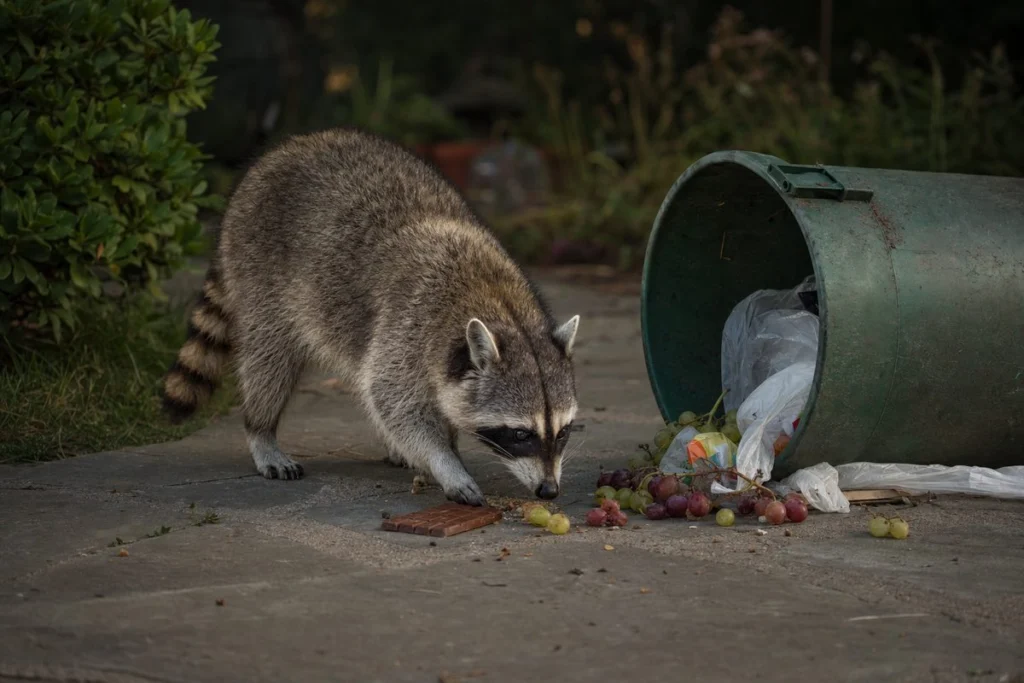
Raccoons can’t handle chocolate, grapes, xylitol, alliums like onions and garlic, alcohol or moldy scraps safely. These toxins can trigger seizures, kidney failure and other serious health issues. Raccoons thrive in urban and suburban areas, rummaging through trash bins and seizing every edible scrap. Their masked faces and nimble paws make them masters of scavenging, yet not all human foods keep them safe. Many common snacks and leftovers carry hidden toxins that can turn a harmless treat into a life threatening hazard. This guide reveals which foods poison raccoons and highlights the most dangerous ingredients. You’ll identify poisoning symptoms, learn simple prevention steps and discover how AAAC Wildlife Removal safely removes raccoons from your property. Armed with this knowledge you can prevent wildlife harm and keep your home secure. Why You Can’t Feed Raccoons Your Leftovers Raccoons’ survival strategy relies on gobbling whatever smells edible, be it your half‑eaten burrito or leftover fries from last night. Our favorite flavors like spicy seasoning, sugary sauces and dairy‑rich cheese can harm raccoon digestion and cause serious organ strain or acute toxicity. Offering table scraps turns your generosity into a hidden threat. Letting raccoons raid your trash invites more visits and escalates property damage. It heightens the risk of zoonotic disease spreading to pets and people. Securing waste and avoiding handouts shields wildlife and keeps your family safe. Raccoon Nutrition 101: What Belongs on Their Menu? Raccoons evolved as opportunistic omnivores that thrive on a mix of insects, fruits, nuts and small prey like frogs or bird eggs. This natural menu delivers balanced protein, healthy fats and fiber to fuel their nighttime adventures. Their digestive systems excel at raw ingredients rather than processed junk. Healthy raccoon diets shift dramatically when human scraps enter the picture. Starchy chips, heavily salted meats and dairy treats can trigger nutrient imbalances or organ strain. Encouraging foraging for native foods helps raccoons stay fit and discourages trash raids. Top 6 Human Foods That Poison Raccoons Raccoons will munch almost anything that smells edible, yet some common foods carry toxins that overwhelm their metabolism. Understanding these hazards protects wildlife and prevents unsuspected emergencies. Chocolate & Caffeine – The Stimulant Trap Raccoons metabolize theobromine and caffeine very slowly, so even small doses can trigger rapid heart rate, tremors, seizures and dangerously high blood pressure. Chocolate in all forms, especially dark and baking varieties, packs a potent dose of theobromine that pure cocoa derivatives concentrate. Likewise coffee grounds or tea leaves may seem harmless, yet their caffeine content stresses a raccoon’s nervous system. Preventing access to chocolate wrappers and coffee filters keeps these masked bandits safe. Onions, Garlic & Alliums – Blood Toxicity Risks Allium vegetables like onions, garlic, leeks and chives contain compounds that damage raccoon red blood cells, leading to hemolytic anemia over time. Early symptoms include weakness, pale gums and rapid breathing, which escalate if exposure continues. Even small amounts of raw or cooked alliums pose risks, as raccoons lack the enzymes needed to neutralize these toxins. Eliminating all allium scraps from compost piles can prevent accidental ingestion. Grapes, Raisins & Avocados – Kidney Failure Dangers Grapes and raisins can cause sudden kidney failure in small mammals like raccoons without warning, leaving them lethargic and dehydrated. Avocado flesh and pit contain persin, a fungicidal toxin that can disrupt heart and lung function. Though safe for humans in moderation, these fruits overwhelm raccoon renal and cardiac systems. Keeping discarded fruit peels sealed and out of reach stops this silent killer. Xylitol (Sugar‑Free Gum) – Lightning‑Fast Blood Sugar Crash Xylitol triggers a massive insulin release in raccoons, plunging their blood sugar to critically low levels within minutes. Signs like weakness, collapse and seizures appear fast and require immediate veterinary care. Xylitol is often hidden in sugar‑free gum, candy, peanut butter and baked goods. Checking ingredient lists before tossing these wrappers can save a raccoon’s life. Alcohol & Fermented Foods – Acute Intoxication Hazards Raccoons attracted to spilled beer, wine or fermenting fruit can become intoxicated quickly, impairing their coordination and respiratory function. Even fermented scraps from home‑brewing pose a threat, as ethanol concentrations exceed safe limits for wildlife. Severe cases of alcohol poisoning lead to coma or death if not treated promptly. Secure trash lids and clean up spills to remove these unexpected hazards. Moldy, Spoiled & Fermented Scraps – Mycotoxin Threats Moldy leftovers and spoiled produce often harbor mycotoxins that damage raccoon livers and brains over time. These compounds can cause vomiting, tremors and permanent neurological deficits if ingested repeatedly. Raccoons may be tempted by the sweet smell of decay, unaware of the invisible threat on their meal. Disposing of spoiled food in sealed bins prevents long‑term health crises. Spotting Poisoning: Key Symptoms to Watch For Early detection of poisoning boosts survival odds by getting raccoons help faster. Monitor for these warning signs:• Lethargy and weakness, dragging limbs or refusing to move.• Vomiting and diarrhea, often repeated.• Tremors or seizures, uncontrollable shaking or collapse.• Disorientation and unsteady gait, stumbling or circling.• Pale gums and rapid breathing, indicating blood or oxygen issues. A swift call to wildlife professionals can mean the difference between life and death. Preventing Accidental Poisoning Around Your Property Stopping toxic food access also helps you avoid unwanted raccoon visits and removal emergencies. Our wildlife removal experts recommend these exclusion and sanitation tactics: • Swap to heavy‑duty, wildlife‑resistant trash cans with locking lids.• Upgrade compost bins to fully sealed containers or remove them entirely.• Keep pet food indoors and clear dishes immediately after feeding.• Wipe up spills of grease, alcohol or fermenting fruit right away.• Seal gaps under decks, porches and attic vents to block entry points.• Trim branches at least six feet from your roof to deter climbing. Putting these measures in place reduces poisoning risks and cuts down on raccoon activity, saving you cleanup headaches and the need for frequent removal calls. What to Do If a Raccoon Eats Something Toxic If you see a raccoon showing severe symptoms like tremors or vomiting, keep people and pets at a safe distance and never try to handle the animal yourself. Note the time, suspected food item and any visible signs to help professionals assess the situation. Avoid offering food, water or home remedies that could make the poisoning worse. Contact AAAC Wildlife Removal for safe capture and transport. Record exactly what was eaten and when. Document symptoms such as unsteady gait, seizures or drooling. Clear the area of pets and children for the animal’s safety. How AAAC Wildlife Removal Protects Raccoon Health AAAC Wildlife Removal uses proven, humane trapping methods to secure sick or injured raccoons without causing stress or harm. Once captured, we coordinate transport to licensed wildlife care facilities for professional treatment and recovery. Our team also advises on exclusion tactics to prevent future visits and keep your property protected. Customized exclusion solutions to stop repeat incursions. Immediate on‑site assessment and humane trapping. Coordination with wildlife care centers for medical support. Secure transport of the animal to the proper facility. Keeping Raccoons Safe and Your Family Secure Removing toxic temptations starts with securing your outdoor spaces. Locking down trash cans with wildlife‑proof lids and sealing compost bins stops raccoons from finding dangerous scraps. Storing pet food indoors and promptly cleaning up spills cuts off easy meal sources. Taking prevention a step further means fortifying your home’s perimeter. Sealing gaps under decks or crawl spaces and trimming tree limbs away from roofs prevents raccoons from foraging in sheltered areas. These proactive measures protect both raccoon health and your peace of mind. Take Action Today Don’t let toxic leftovers or unwanted visits threaten local raccoons and your home. Visit aaacwildliferemoval.com to schedule a free wildlife safety inspection and learn how our expert removal services can keep everyone safe.
- Brian Moss (President)
- AAAC Wildlife Removal
09/01/2026
Total words : 1309


What do bats hate the most?
"Bats hate strong scents, bright lights, and high-frequency sounds that disrupt their environment." Bats are highly sensitive creatures with keen senses of smell, hearing, and sight, making them averse to certain environmental factors. Strong smells like peppermint, eucalyptus, and mothballs are known to repel bats, while bright lights and high-frequency sounds can also drive them away. These deterrents create an uncomfortable environment that disrupts their natural habits, making your home less appealing as a roosting spot. By understanding what bats hate the most, you can effectively implement strategies to keep them from nesting in or around your property. Via Wikimedia Commons CC License Strong Scents That Repel Bats Peppermint and Eucalyptus Oils Bats are highly sensitive to strong smells, and peppermint and eucalyptus oils are two of the most effective natural repellents. These oils, when placed near bat entry points or roosting areas, create an overwhelming scent that bats find unpleasant, making them less likely to stick around. You can soak cotton balls in these oils and strategically place them in attics, near vents, or other areas where bats may enter. The smell will deter them without causing harm, and because the oils are natural, they pose no risk to your family or pets. To maintain their effectiveness, these oils should be reapplied regularly since their potency fades over time. While peppermint and eucalyptus oils are highly effective, they work best when combined with other exclusion methods, as bats may become accustomed to the scent if it’s the only deterrent in place. Consider using them in areas where physical barriers are hard to install, as the oils can provide a low-maintenance, non-toxic solution to keep bats away. Mothballs as Bat Repellent Mothballs are another strong-smelling substance commonly used to repel bats. Their chemical composition produces a pungent odor that irritates bats and forces them to relocate. Placing mothballs in bat-prone areas like attics, eaves, or garages can help discourage bats from roosting. However, it’s important to use them with caution, as mothballs contain naphthalene or paradichlorobenzene, which can be harmful to humans and pets if used in large quantities or confined spaces. Because of these potential health risks, mothballs should be used sparingly and only in well-ventilated areas. For homeowners seeking a less toxic alternative, peppermint or eucalyptus oils may be a better option. Mothballs are a temporary solution and should be paired with other preventative measures, such as sealing entry points, to ensure the bats don’t return once the smell wears off. Related: What attracts bats to your house? Clove and Cinnamon Oils In addition to peppermint and eucalyptus, clove and cinnamon oils are also highly effective at repelling bats. These oils have strong aromas that bats find intolerable, making them excellent options for discouraging bats from settling in your home. Similar to other essential oils, these scents can be applied to cotton balls or diffused in areas where bats are likely to enter or roost. Clove and cinnamon oils have the added benefit of being safe for humans and pets, making them a popular choice for eco-conscious homeowners. To use them effectively, apply the oils regularly to maintain a strong scent and create an environment that bats find unwelcoming. However, like other scent-based repellents, these oils work best when used alongside other exclusion techniques to ensure a comprehensive approach to bat removal. Bright Lights as a Deterrent Bats are nocturnal creatures, meaning they thrive in dark, quiet environments. Bright lights disrupt their natural behavior and make areas less appealing for roosting. Installing outdoor floodlights or keeping attics and roosting spaces well-lit at night can serve as an effective deterrent. Motion-activated lights are especially useful, as they surprise bats when triggered, making them feel unsafe in the area. It’s important to position these lights strategically. Focus on areas like attics, eaves, and outdoor spaces where bats may be attempting to nest. While bright lights won’t harm the bats, they create an environment that feels exposed and unsuitable for roosting. However, similar to scent-based deterrents, using bright lights should be part of a comprehensive strategy to ensure long-term bat removal. Ultrasonic Devices Ultrasonic devices emit high-frequency sound waves that are unpleasant for bats, disrupting their echolocation and driving them away. These devices are designed to create an unfriendly environment for bats without causing them harm. They are often installed in attics, garages, or outdoor spaces where bats are likely to roost. Ultrasonic deterrents are a great option for homeowners looking for a low-maintenance solution, as they work continuously without needing to be replaced or reapplied. It’s important to note that the effectiveness of ultrasonic devices can vary depending on the size of the area and the number of bats. Larger infestations may require multiple devices or additional exclusion methods to work effectively. Additionally, some bats may become accustomed to the sound over time, so it’s best to combine ultrasonic devices with other deterrents like sealing entry points or using scent repellents to ensure the bats don’t return. Creating Unappealing Roosting Spaces Bats are drawn to quiet, undisturbed areas like attics, sheds, and eaves where they can roost without being disturbed. One of the most effective deterrent strategies is making these spaces less inviting. Start by sealing off potential entry points with durable materials like caulk or mesh. This not only prevents bats from entering but also eliminates their access to dark, secluded areas where they prefer to roost. Keeping spaces well-ventilated and noisy can also discourage bats from settling. Fans, radios, or other sources of constant sound can make these areas uncomfortable for bats. Additionally, reducing clutter in attics or storage spaces removes potential hiding spots, making the area less appealing for bats looking for shelter. These physical and environmental changes can create an environment that naturally drives bats away without relying on chemicals or repellents. Water Sprays Bats dislike water, and a sudden spray can make them uncomfortable enough to leave the area. Installing motion-activated water sprinklers around your home, particularly in areas where bats are known to fly or roost, can deter them from settling. These devices are commonly used to repel various animals, but they work effectively on bats by disrupting their flight patterns and making the environment less welcoming. While water sprays are a harmless and eco-friendly option, they are most effective when combined with other methods such as exclusion devices or sealing entry points. The sudden bursts of water will drive bats away temporarily, but it’s essential to make sure they don’t find alternative roosting spots nearby. This method works well for homeowners who prefer non-chemical, natural deterrent strategies. Reflective Objects Bats are also sensitive to reflective surfaces, which can confuse and disorient them during flight. Hanging reflective objects like aluminum foil strips, mirrors, or even old CDs in bat-prone areas can help deter them. The movement and reflection of light off these objects create visual disturbances that make the area less attractive for bats to roost. This simple, low-cost strategy is easy to implement and can be surprisingly effective. To maximize the effectiveness, hang reflective objects near entry points, in attics, or in outdoor spaces where bats tend to fly or gather. The flickering light will make it harder for bats to navigate and discourage them from staying in the area. However, it’s important to combine this tactic with more permanent solutions like sealing entry points or exclusion devices to ensure long-term bat deterrence. High-Frequency Devices How Ultrasonic Devices Work Ultrasonic devices are designed to emit high-frequency sound waves that are inaudible to humans but highly disruptive to bats. These sound waves interfere with the bats’ echolocation system, making it difficult for them to navigate and hunt effectively. Since bats rely on echolocation for their survival, the constant disruption caused by these devices makes the area uncomfortable and encourages them to relocate. Ultrasonic bat repellents are often used in attics, garages, or barns where bats tend to roost. The benefit of ultrasonic devices is that they operate continuously once installed, providing a hands-free solution to bat problems. They are also harmless to bats, only causing discomfort without physically harming the animals. However, the effectiveness of these devices can vary depending on the size of the infestation and the size of the area being treated. Larger spaces may require multiple devices to ensure that the sound waves cover the entire area. Placement and Installation Tips For ultrasonic devices to work effectively, proper placement is key. These devices should be installed in areas where bats are most likely to roost, such as attics, near vents, or along rooflines. Placing the devices too far from the bats’ roosting spots may reduce their effectiveness, as the high-frequency sound waves may not reach the entire space. It’s a good idea to install multiple devices in larger spaces to ensure that every corner is covered, particularly in wide attics or barns where bats can move around to escape the sound. The devices should also be installed high up in the space, as bats typically roost in elevated areas. Ultrasonic devices are typically easy to install, often just needing to be plugged into an electrical outlet. They work best in enclosed or semi-enclosed spaces where the sound waves can bounce off walls and create a more disruptive environment for the bats. Regular monitoring and repositioning may be necessary to ensure they are targeting the most active roosting areas. Effectiveness Over Time While ultrasonic devices are an effective bat deterrent, their success may diminish over time if used as a standalone solution. Bats can sometimes adapt to the sound if it becomes a consistent background noise without other deterrents in place. For this reason, ultrasonic devices are best used in conjunction with other bat removal techniques, such as sealing entry points and using scent-based repellents. This combined approach increases the likelihood that the bats will vacate the premises and not return. Additionally, ultrasonic devices should be viewed as a temporary solution. Their purpose is to make the space uncomfortable for bats in the short term, but long-term prevention requires physical exclusion methods to keep bats out for good. If the underlying issues, like open entry points, are not addressed, bats may simply find new ways to enter once they have adapted to the noise. Regular inspections and maintenance are necessary to ensure the continued effectiveness of any ultrasonic deterrent system. Creating an Unappealing Habitat Seal Entry Points One of the most effective ways to deter bats is by sealing any potential entry points into your home. Bats are able to squeeze through incredibly small gaps—sometimes as small as half an inch—making it essential to thoroughly inspect your home for cracks, holes, and loose shingles. Pay particular attention to rooflines, vents, chimneys, and gaps in walls. Using caulk, mesh, or metal flashing to seal these areas ensures that bats cannot re-enter after they have been excluded. Chimney caps and attic vent covers are also recommended to block larger access points. This step is critical because even if you’ve successfully excluded bats or used deterrents like ultrasonic devices, they can easily return if there are open entry points. Regular maintenance of your home’s exterior will not only prevent bats from getting inside but also deter other pests like rodents. It’s important to time this sealing process correctly, waiting until you’re sure all the bats have left to avoid trapping them inside, which could cause significant health risks and legal issues, as some bat species are protected by law. Reduce Attractants In addition to sealing entry points, reducing environmental attractants is another key part of creating an unappealing habitat for bats. Bats are drawn to properties with abundant food sources, particularly areas with high insect populations, as bats primarily feed on insects like mosquitoes and moths. One way to reduce this attraction is by minimizing standing water, which is a breeding ground for insects. Regularly drain and clean any outdoor water features, like birdbaths or fountains, and make sure your gutters are clear of debris to prevent water buildup. Using bug zappers or yellow “bug lights” can also help reduce the insect population around your home. If there are fewer insects, bats will have less reason to linger around your property. Additionally, keeping outdoor lighting to a minimum at night may help, as bright lights can attract insects, which in turn attract bats. By addressing the factors that make your home appealing to bats in the first place, you can significantly lower the chances of an infestation. Maintain Attic and Outdoor Spaces Keeping your attic and outdoor spaces well-maintained can also make them less inviting to bats. Bats prefer dark, quiet areas to roost, so making these spaces less hospitable is crucial. In attics, ensure that there is proper ventilation and light; installing attic fans or leaving lights on for extended periods can make the space less appealing to bats. Additionally, keep the attic organized and free of clutter, as bats are more likely to roost in spaces where they can hide undisturbed. For outdoor spaces, trimming back trees or branches that are close to your home can reduce access points, as bats often use these as landing spots before entering. You may also want to prune any overgrown bushes or vines that create dark, hidden spaces where bats might be tempted to roost. By regularly maintaining these areas, you’ll make it harder for bats to find suitable nesting spots on your property, encouraging them to seek other locations. The Importance of Combining Techniques Using a single bat deterrent may help reduce the presence of bats, but for long-term success, combining multiple techniques is essential. Each method—whether it’s using strong scents, ultrasonic devices, or sealing entry points—targets a different aspect of bat behavior. Bats may adapt to or tolerate one deterrent over time, but when multiple strategies are employed together, they create a more comprehensive and effective approach. For example, pairing ultrasonic devices with bright lights and regular home maintenance can create an environment that is both uncomfortable and inaccessible for bats, reducing the likelihood of their return. In addition, combining deterrents ensures that you’re addressing the problem from all angles. Strong smells may keep bats away from certain areas, but if entry points remain unsealed, bats can easily find another way inside. Similarly, ultrasonic devices may drive bats out temporarily, but without sealing gaps or cleaning up guano, the problem can persist. By implementing a variety of techniques such as exclusion devices, reflective objects, and scent-based repellents you can ensure that your home becomes an inhospitable place for bats, leading to a more permanent solution. The use of multiple methods increases the chances of success and helps prevent future infestations.
- Brian Moss (President)
- AAAC Wildlife Removal
08/25/2026
Total words : 2459
What Smell Do All Snakes Hate?
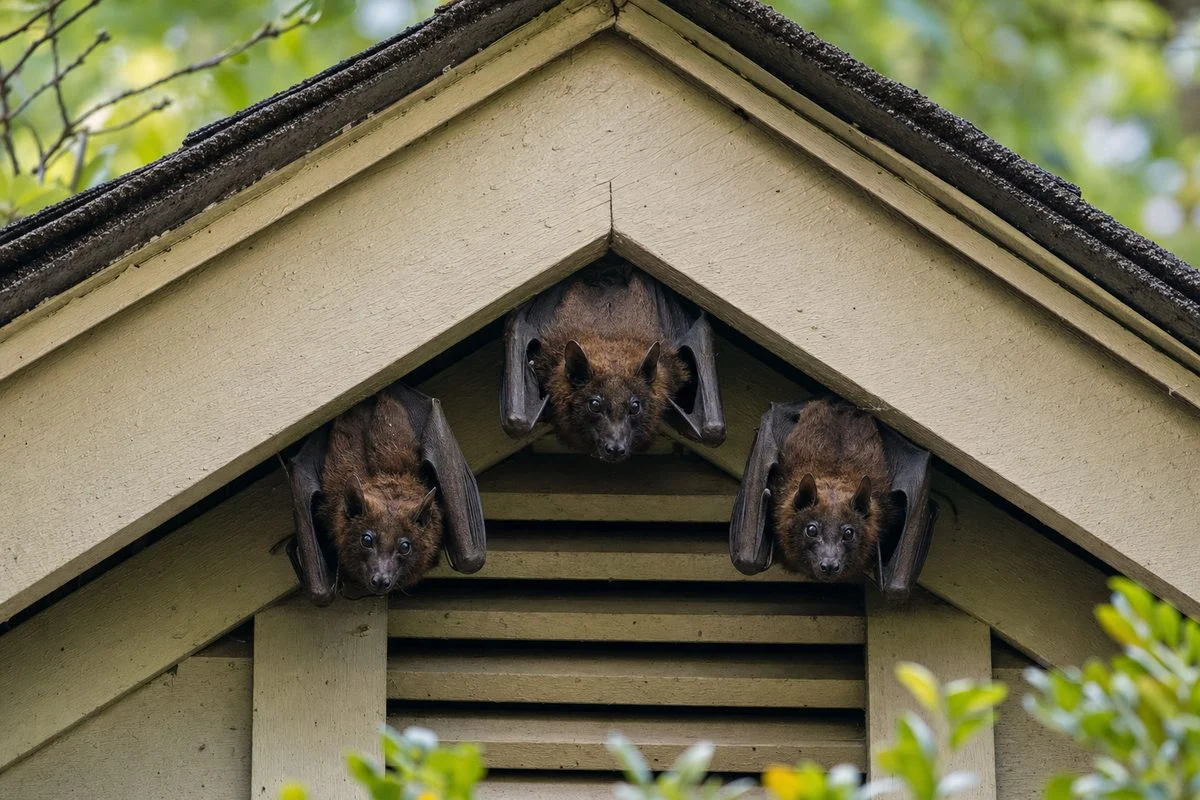
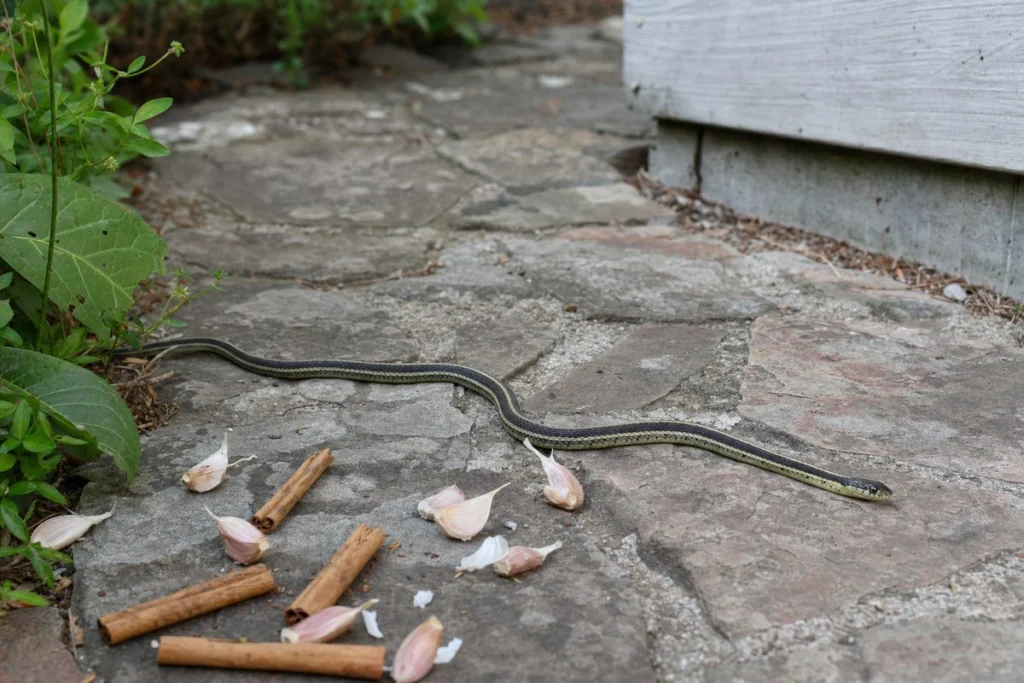
"Snakes hate strong scents like garlic, cinnamon, clove, and citrus, which irritate their sensory system and make them avoid treated areas." Snakes don’t need to knock on your door to make themselves at home, and nothing makes that thought more unsettling than wondering how to keep them away. Home remedies often pop up in conversations, with people swearing that certain smells are a snake’s kryptonite. Some of those claims are grounded in truth, while others are nothing more than myths passed around the neighborhood. The good news is that science does back up a few scents snakes find unbearable. The trick isn’t to turn your house into a spice cabinet, but to understand which smells actually irritate snakes and how to use them safely. That’s where AAAC Wildlife Removal steps in, to separate fact from fiction and show you how scent can be part of a smarter snake prevention plan. How Do Snakes Smell Anyway? Snakes don’t smell the way humans or pets do. Instead, they rely on a special organ called the Jacobson’s organ, located on the roof of their mouth, to process chemical particles from the air. When you see a snake flicking its tongue, it’s essentially “tasting” scent molecules and sending that information to this organ. This means strong odors can interfere with how snakes interpret their surroundings. Scents that irritate or overwhelm their chemical sensing can push them to avoid an area altogether. By understanding this unique system, it becomes clear why certain strong, pungent smells are more likely to keep snakes at bay. Snakes Avoid These Smells Ammonia and Naphthalene: These harsh chemicals overwhelm a snake’s sensory system, making the area uncomfortable. While effective at deterring snakes, they’re also dangerous to people, pets, and the environment, which makes them a poor long-term solution. Spices and Strong Oils: Garlic, onion, cinnamon, and clove give off intense odors that snakes dislike. These natural options irritate their chemical receptors and can be applied safely in controlled areas like gardens or near entry points. Citrus and Lemongrass: Bright, sharp fragrances such as lemon peels or lemongrass oil can make an area less attractive to snakes. These smells are offensive to them while being relatively pleasant for humans to use around the home. Snakes depend heavily on chemical cues for survival, so when those cues are disrupted by overpowering odors, they’re more likely to leave in search of a more comfortable habitat. Scent Strategies That Work (And Which to Skip) DIY Sprays: A simple mix of crushed garlic or boiled lemon peels in water can be sprayed near entry points and garden edges. This creates a lingering odor barrier without introducing toxic chemicals into your home. Spice Barriers: Sprinkling cinnamon, cayenne, or onion powder along baseboards, porch steps, or sheds can discourage snakes from crossing. Just remember to refresh the barrier after rain or heavy wind. Plant Power: Landscaping with natural deterrents like lemongrass, marigolds, or garlic adds a dual benefit. These plants not only brighten your yard but also give off scents snakes find irritating. Skip the Mothballs: While often recommended, mothballs contain chemicals harmful to people, pets, and soil. They’re not approved for outdoor snake control and can do more harm than good. Using scents the right way makes your property less comfortable for snakes, but they’re most effective when paired with other prevention tactics. Why Some Snakes Aren’t Bothered? Not every snake will react the same way to strong odors. Some species are less sensitive, while others may simply tolerate the smell if food or shelter is nearby. A hungry snake is more likely to ignore discomfort and stick around if it senses prey in the area. Over time, snakes can also become accustomed to mild scents if they linger without change. This is why rotating different natural deterrents can be more effective than relying on one smell alone. It keeps the environment unpredictable and less appealing for snakes to settle in. The takeaway is that while scents can help, they shouldn’t be the only strategy. Combining them with sealing entry points and removing attractants creates a much stronger defense against unwanted slithering guests. How AAAC Does It Smarter? At AAAC Wildlife Removal, we know scents can play a role in discouraging snakes, but we never rely on them alone. Our approach combines safe scent strategies with proven exclusion methods like sealing gaps, installing vent covers, and removing clutter that attracts both snakes and their prey. This creates a layered defense that actually works. We also focus on long-term results. A garlic spray or citrus barrier might buy time, but pairing that with rodent control, yard maintenance, and proper inspections ensures snakes don’t come back. Our trained technicians know how to identify high-risk areas and apply solutions that balance effectiveness with safety. By blending natural deterrents with professional-grade prevention, we help homeowners avoid the trial-and-error frustration of quick fixes. Instead, you get a clear, customized plan that keeps snakes out and your property secure. Smells Help, Smarts Win Snakes may hate sharp scents like garlic, citrus, and strong spices, but odors alone won’t keep them away for good. While these smells can make your property less appealing, the real key is pairing them with smart prevention steps such as sealing entry points, controlling rodents, and keeping the yard tidy. AAAC Wildlife Removal takes the guesswork out of the process by combining safe scent strategies with expert exclusion and long-term prevention. With the right balance of natural deterrents and professional solutions, you can keep snakes out without turning your home into a spice rack. Keep Snakes Away the Smart Way! Don’t rely on guesswork or risky home remedies to keep snakes at bay. AAAC Wildlife Removal offers safe, effective solutions that combine natural deterrents with professional prevention methods. From sealing entry points to applying smart scent strategies, our team knows how to protect your home and yard for the long term. Call AAAC Wildlife Removal today and take the stress out of snake control, because your home should smell like safety, not snake repellent.
- Brian Moss (President)
- AAAC Wildlife Removal
08/18/2026
Total words : 1023
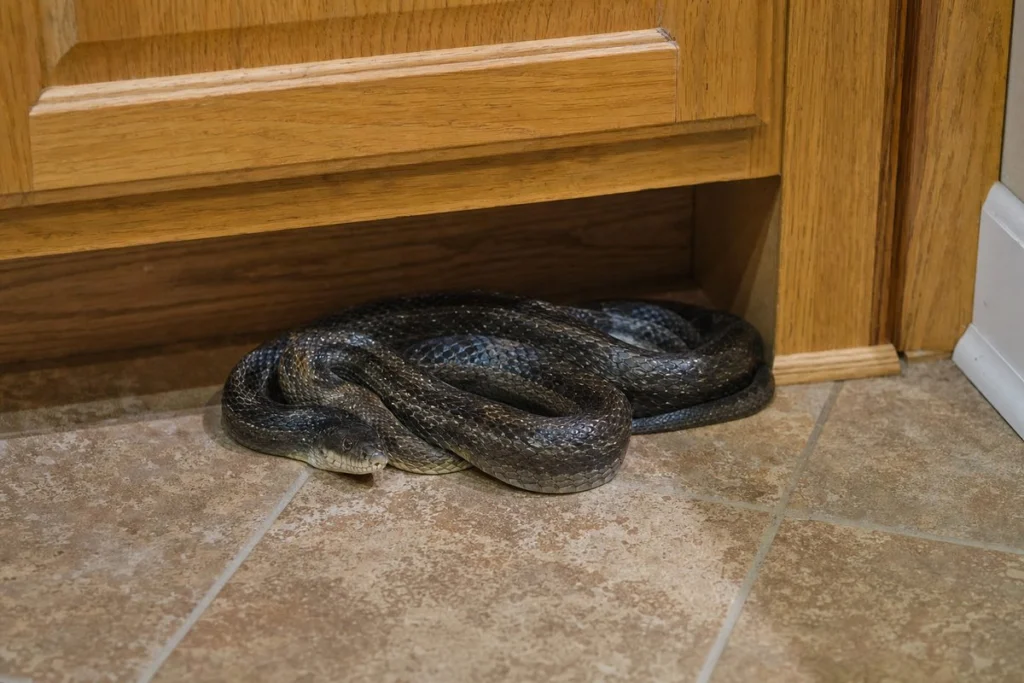
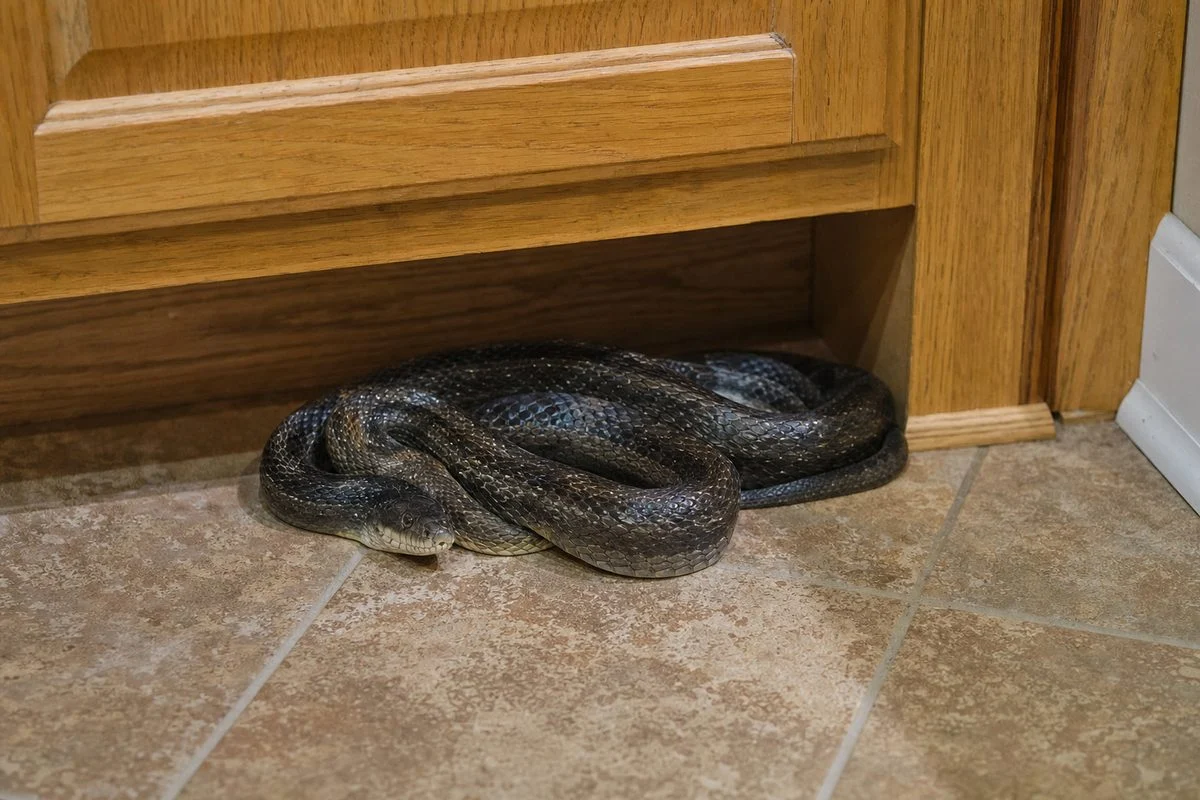
How Long Will A Snake Stay In Your House?
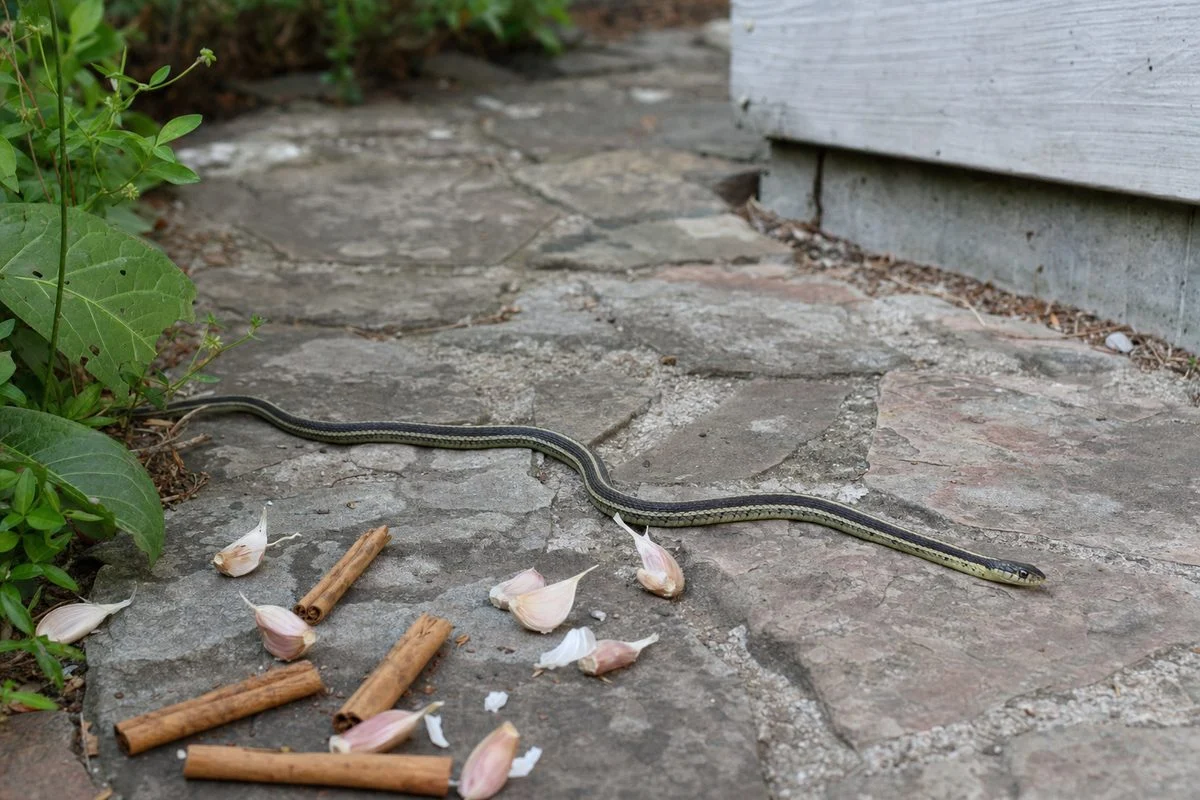
A snake can stay in your house for weeks or even months if it finds steady food, water, and shelter. Without these resources, most snakes leave on their own much sooner. Snakes that slip indoors don’t always leave quickly - they can remain hidden for weeks or months if they find prey, water, and safe shelter. This makes them more than a passing nuisance, as their presence often signals underlying issues like rodent infestations or entry gaps in the home. This article explains how long snakes typically stay inside, what conditions encourage them to remain, and where they tend to hide. It also covers seasonal behaviors, removal timelines, and how AAAC Wildlife Removal provides safe, lasting solutions to prevent repeat encounters. What Attracts a Snake Indoors, and How That Affects Stay Duration Snakes rarely wander into houses by accident; they follow resources that allow them to survive comfortably. The more of these resources they find, the longer they are likely to remain hidden indoors. Food Sources Rodents are the primary reason snakes settle inside homes, as they provide a steady food supply. If a house has signs of mice or rats, snakes may extend their stay for weeks or months. They are opportunistic hunters and will remain as long as prey is available. This connection makes rodent control essential for reducing snake residency. Shelter and Hiding Spots Snakes prefer undisturbed, dark spaces like attics, crawl spaces, or basements. These areas provide safety from predators and human activity, encouraging snakes to remain longer. The more clutter or storage available, the more hiding places snakes can exploit. A well-protected environment can turn a temporary visit into a long-term stay. Access to Water Even non-venomous snakes need consistent water sources to survive indoors. Leaky pipes, pet bowls, or damp basements provide the hydration they seek. If water remains available, a snake has little reason to leave. Addressing indoor moisture problems helps make the environment less appealing. Temperature and Seasonal Comfort Snakes use indoor environments to escape extreme outdoor conditions. During cold months, heated spaces offer warmth, while in hot months, basements provide cooler refuge. This seasonal benefit can extend their presence significantly. As long as temperatures indoors remain stable, snakes may choose to stay well past their initial entry. Common Hiding Places that Encourage Longer Residency Snakes seek quiet, dark spaces where they can avoid detection and feel secure. These locations allow them to remain indoors for weeks or even months without being noticed. Attics Attics offer warmth, insulation, and little human disturbance, making them ideal for snakes to settle in. Rodents often use attics as nesting sites, which attracts snakes looking for prey. Once inside, snakes can remain hidden among insulation or stored items. Because attics are rarely visited, residents may not realize a snake is living there. Shed skins or droppings are often the first signs of their presence. Crawl Spaces Crawl spaces provide consistent shelter with easy access through foundation cracks or vents. They stay cooler in the summer and warmer in the winter, giving snakes year-round comfort. Moisture from plumbing leaks or ground dampness can also provide a water source. These spaces often host insects and rodents, adding to the attraction. Without inspection, a snake can live in a crawl space undisturbed for long periods. Basements Basements are another prime hiding spot due to their low light, clutter, and accessibility from ground-level entry points. They often contain water sources such as sump pumps or leaky pipes. Storage boxes and furniture provide additional cover for snakes to hide behind or under. Rodents may also be active here, keeping snakes well-fed. Regular use of the basement increases the chances of detection, but in underused ones, snakes may remain unnoticed. Garages and Sheds Garages and sheds often have gaps under doors or unsealed vents that allow easy entry. Snakes take advantage of stored tools, boxes, or clutter for concealment. These areas may also house pests like crickets or mice, which become an immediate food supply. Because garages and sheds are not always sealed tightly, snakes can enter and exit freely. This flexibility makes them convenient temporary homes that sometimes turn into longer stays. Inside Walls and Cabinets Some snakes slip into gaps around plumbing or wiring and end up inside walls. Once there, they can remain for extended periods since the space is dark and rarely disturbed. In kitchens or bathrooms, cabinets near plumbing offer similar shelter and sometimes water access. These hiding places make snakes especially difficult to locate without professional help. Scratching noises or shed skins near wall gaps may be the only clues to their presence. Seasonal Behaviors Indoors Snakes adjust their indoor stays based on outdoor weather conditions. Seasonal changes can extend how long they remain hidden inside a home. Winter Brumation: During cold months, snakes may brumate in attics, basements, or walls to conserve energy. This state allows them to stay indoors for weeks or months until temperatures rise. Spring Activity: As weather warms, snakes become more active in search of food and mates. If prey remains available indoors, they may continue staying inside instead of leaving. Summer Heat: High outdoor temperatures drive snakes to cooler indoor spots like basements or crawl spaces. These areas provide stable climates that encourage extended residency. Fall Preparation: In autumn, snakes seek shelter to prepare for colder months. Homes with easy entry points can become long-term refuges before winter arrives. How Long Does It Actually Take to Remove a Snake? Snake removal can be quick or time-consuming depending on where the animal is hiding and what species is involved. Professionals assess access, safety risks, and behavior before determining how long the job will take. Simple, Visible Encounters If a non-venomous snake is out in the open, removal may only take minutes. Professionals can safely capture it with minimal tools and relocate it quickly. These cases usually occur in garages, porches, or open rooms where snakes are easy to spot. The process is straightforward, with little disruption to the household. Hidden in Clutter or Storage When snakes hide under boxes, furniture, or insulation, locating them requires more time. Each potential hiding spot must be checked thoroughly to avoid missing the animal. The extra steps slow down removal, often extending it to an hour or more. Careful handling ensures both safety and effectiveness in these situations. Venomous Species Removing venomous snakes takes longer due to the added precautions required. Specialized tools, protective gear, and sometimes multiple handlers are necessary. Every step must be deliberate to minimize risks of bites or escape. This makes venomous removals more time-intensive than non-venomous cases. Inside Walls or Crawl Spaces Snakes that slip into walls, crawl spaces, or attics are the hardest to remove. Professionals may need to use inspection cameras, traps, or repeated visits to confirm the snake’s location. These removals can take several hours, and in rare cases, multiple days. The complexity comes from the snake’s mobility and the difficulty of access. Final Takeaway on Snakes Staying Indoors How long a snake remains in your house depends on the resources it finds—food, water, shelter, and stable temperatures. In some cases, snakes may only stay a few days, but when conditions are favorable, they can remain hidden for weeks or even months. Their presence is often a symptom of broader issues like rodent activity or unsealed entry points. Professional removal provides a faster, safer solution than waiting for a snake to leave on its own. Experts not only locate and remove the animal but also identify how it entered and what keeps it inside. With AAAC Wildlife Removal, homeowners gain both immediate relief and long-term prevention to ensure snakes don’t make the house a recurring refuge.
- Brian Moss (President)
- AAAC Wildlife Removal