



- Brian Moss (President)
- AAAC Wildlife Removal
11/08/2024 Total words : 1959
Rat vs. Mouse: Key Differences You Need to Know
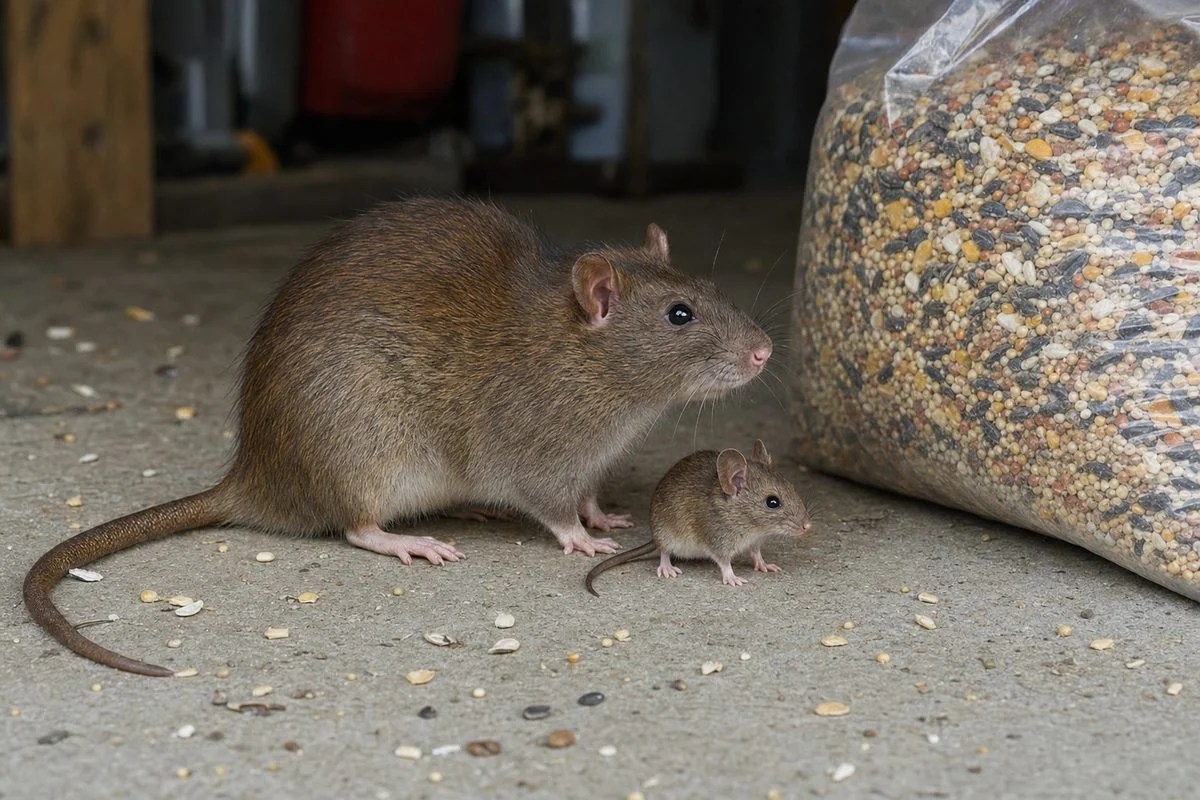
Rats are larger and more aggressive, while mice are smaller and more curious. Ever found yourself squinting at a tiny intruder, wondering if you're dealing with Stuart Little or his bigger, badder cousin? Trust me, I've been there. It's like trying to tell apart identical twins at a distance – only these twins are furry, have whiskers, and might be raiding your pantry. Here's the thing: knowing whether you're facing off against a rat or a mouse isn't just about winning rodent trivia night at your local pub. It's crucial info that can help you protect your home, your health, and maybe even your sanity. These little critters might look similar at first glance, but they're as different as a Chihuahua and a Great Dane (okay, maybe not that extreme, but you get the idea). In this whisker-twitching adventure, we're going to dive into the nitty-gritty of rats versus mice. We'll explore everything from their size and looks to their sneaky behaviors and dining preferences. By the time we're done, you'll be a regular Sherlock Holmes of the rodent world, able to spot the difference between these furry felons faster than you can say "cheese!" Key Takeaways Rats are significantly larger than mice, with adult rats reaching up to 40cm in length Mice are more curious and likely to explore new objects, while rats are more cautious Rats have thicker, scaly tails, whereas mice have thin, hairy tails Mice have larger ears relative to their body size compared to rats Both can be pests, but rats generally cause more damage due to their size and strength Physical Differences When it comes to distinguishing between rats and mice, size definitely matters. These rodents may seem similar at first glance, but a closer look reveals some significant differences. Size Matters Rats are the giants of the rodent world, at least when compared to their smaller cousins. On average, a rat's body length ranges from 9 to 11 inches, and that’s not even including their tails! Mice, on the other hand, are much smaller, typically measuring about 3 to 4 inches in body length. So, if you spot a tiny, scurrying furball, it’s more likely a mouse than a rat. Tail Tale The tails of these critters are another giveaway. Rat tails are thick, scaly, and usually shorter relative to their body length. They’re strong and sturdy, perfect for balancing their larger bodies. In contrast, mouse tails are thin, long, and covered in a light fur. They have a more delicate appearance and are often nearly as long as their bodies. Face and Ears Take a closer look at their faces and ears, and you’ll notice more differences. Mice have a distinctly triangular face with large, prominent ears that make them look rather endearing (or at least less intimidating). Their eyes are relatively large for their size, giving them a more alert expression. Rats, however, have broader faces with smaller ears. Their eyes are smaller in proportion to their heads, which can give them a more serious or even menacing look. These physical characteristics are your first line of defense in identifying whether you’re dealing with a rat or a mouse. But there’s more to these rodents than just looks. Next, let’s explore their behavior and habitats to get a full picture of what makes each of them unique. Behavior and Habitat Understanding the behavior and habitat preferences of rats and mice can give you more insight into these little invaders. Despite their similarities, they have distinct habits and living environments. Home Sweet Home Rats and mice have different preferences when it comes to setting up their homes. Rats prefer basements, sewers, and burrows. They enjoy the dark, damp areas where they can stay hidden and safe from predators. You'll often find them in underground spaces, like burrows in the garden or the dark corners of basements and sewers. Mice, however, are more adaptable and can be found in various environments. They’re likely to be discovered in attics, walls, and cupboards. Mice are excellent climbers, so they can make their homes in higher places within your house. Their small size allows them to squeeze into tiny cracks and crevices, making them harder to find and catch. Behavioral Traits When it comes to personality, mice and rats differ significantly. Mice are naturally curious and adventurous. They explore new environments eagerly and are more likely to investigate new objects or food sources right away. This makes them easier to catch with traps, as they’ll quickly approach new bait. Rats, on the other hand, are more cautious and skeptical of changes in their environment. They often test new foods in small amounts before fully indulging, a behavior known as "neophobia." This caution makes them harder to trap and requires more strategic baiting techniques. Nocturnal Activities Both rats and mice are nocturnal, meaning they’re most active at night. However, the signs of their activity can help you determine which rodent you’re dealing with. Rats leave larger droppings, about 3/4 inch in length, and their gnaw marks are more significant due to their stronger teeth and bigger mouths. You might also hear louder scratching sounds if rats are present, thanks to their larger size. Mice, in contrast, leave smaller droppings, around 1/4 inch, and their gnaw marks are finer. The sounds they make are softer and less noticeable. If you hear faint scurrying and discover tiny droppings, it’s more likely you have a mouse problem. Knowing these behavioral differences can help you identify whether you’re dealing with rats or mice and determine the best course of action to address the issue. Now, let's move on to understanding their health and lifespan, so you can be fully informed about these creatures. Health and Lifespan When considering rats and mice, their health and lifespan are key factors that set them apart. Both rodents can affect human health, but their lifespans and specific health concerns differ. Living Longer Rats generally have a longer lifespan compared to mice. On average, rats live about 2 to 3 years, while mice have a shorter lifespan of about 1 to 2 years. This difference in longevity can influence how you approach managing or caring for these animals. If you’re considering one as a pet, a rat might be a longer-term commitment. Health Concerns Both rats and mice can pose health risks to humans, but the specific concerns vary. Rats are known carriers of more significant health risks, such as leptospirosis, a bacterial disease that can cause severe illness in humans. They can also spread rat-bite fever through bites or scratches, and their droppings can trigger allergies and asthma attacks. Mice, while smaller, are not without their own health risks. They can spread hantavirus, which can lead to severe respiratory illness in humans. Mice are also carriers of salmonella, a bacterium that can cause food poisoning. Additionally, their droppings and urine can contaminate food sources and surfaces, leading to potential health hazards. Reproduction Rates One of the biggest challenges with both rats and mice is their rapid reproduction rates. Mice tend to reproduce at a faster rate, with a single female capable of producing up to 10 litters per year, with each litter containing 6 to 12 offspring. This rapid breeding can lead to quick infestations if not managed properly. Rats, while also prolific breeders, have a slightly slower reproduction rate compared to mice. A female rat can produce about 5 to 10 litters per year, with each litter consisting of 5 to 12 pups. However, given their larger size and more significant impact on their environment, even a smaller number of rats can cause considerable problems. Understanding the health concerns and reproduction rates of rats and mice is crucial for effective management and prevention. Whether you’re dealing with an infestation or considering a rodent as a pet, being aware of these factors can help you make informed decisions. Impact on Human Environment Rats and mice, despite their small size, can have a significant impact on human environments. From property damage to health risks, understanding how these rodents affect our spaces can help in managing and preventing infestations. Signs of Infestation Knowing the signs of a rat or mouse infestation is the first step in addressing the problem. Rats leave behind larger droppings, about 3/4 inch in length, which are often found near food sources or nesting sites. You might also notice gnaw marks on wood, wires, or other materials due to their need to keep their teeth trimmed. Rats are also more likely to leave greasy smudge marks along walls and baseboards, as they follow the same paths repeatedly. Mice, on the other hand, leave smaller droppings, about 1/4 inch in length, which are often found scattered around their activity areas. Their gnaw marks are finer, and you may notice shredded paper or fabric, which they use to build nests. Mice are more curious and exploratory, so you might find their droppings and signs of activity in a wider range of locations. Damage Control Both rats and mice can cause significant damage to properties. Rats tend to cause more structural damage due to their size and stronger gnawing ability. They can chew through wood, plastic, and even some metals, potentially causing fires if they gnaw on electrical wires. Their burrowing behavior can undermine foundations and create holes in walls and floors. Mice, while less destructive than rats, can still cause plenty of damage. They are particularly notorious for contaminating food sources. A single mouse can contaminate much more food than it consumes, spreading bacteria and disease. Their nesting habits can also cause damage to insulation and other building materials. Health Risks Both rodents pose health risks, but the specifics can vary. As mentioned earlier, rats can carry diseases like leptospirosis and rat-bite fever, and their droppings can trigger allergies and asthma. Mice can spread hantavirus and salmonella, contaminating food and surfaces with their droppings and urine. Prevention Tips Preventing infestations of rats and mice involves a combination of cleanliness, exclusion, and monitoring. Here are some effective strategies: Seal Entry Points: Both rats and mice can squeeze through surprisingly small openings. Inspect your home for gaps, cracks, and holes, and seal them with steel wool, caulk, or metal mesh to prevent entry. Store Food Properly: Keep food in airtight containers and store it off the floor. Clean up spills and crumbs promptly to avoid attracting rodents. Maintain Cleanliness: Regularly clean your home, especially in areas where food is prepared and consumed. Reduce clutter where rodents can hide and nest. Remove Outdoor Attractants: Keep garbage bins sealed and dispose of waste regularly. Trim vegetation and remove debris near your home’s foundation to reduce hiding places for rodents. Use Traps and Bait Stations: Place traps and bait stations in areas where you’ve noticed rodent activity. Be sure to use them safely, especially around children and pets. Conclusion Now that you're equipped with the knowledge of what sets rats and mice apart, you can handle any rodent situation with confidence. Whether you're dealing with an unexpected visitor in your home or considering adopting one of these fascinating creatures as a pet, understanding their differences is crucial. Remember, whether it's a rat or a mouse, a bit of prevention goes a long way in keeping your space rodent-free. Seal those entry points, keep your environment clean, and stay vigilant for signs of activity. If you ever find yourself face-to-face with one of these critters, you'll know exactly what you're dealing with and how to address it. From their physical differences and behavioral traits to their impact on human environments, rats and mice are more than just tiny invaders. They’re intriguing creatures with unique characteristics that, when understood, can help us coexist more peacefully—or keep them out of our homes entirely.
Are Snakes Born Live? Unveiling the Mystery of Serpent Birth
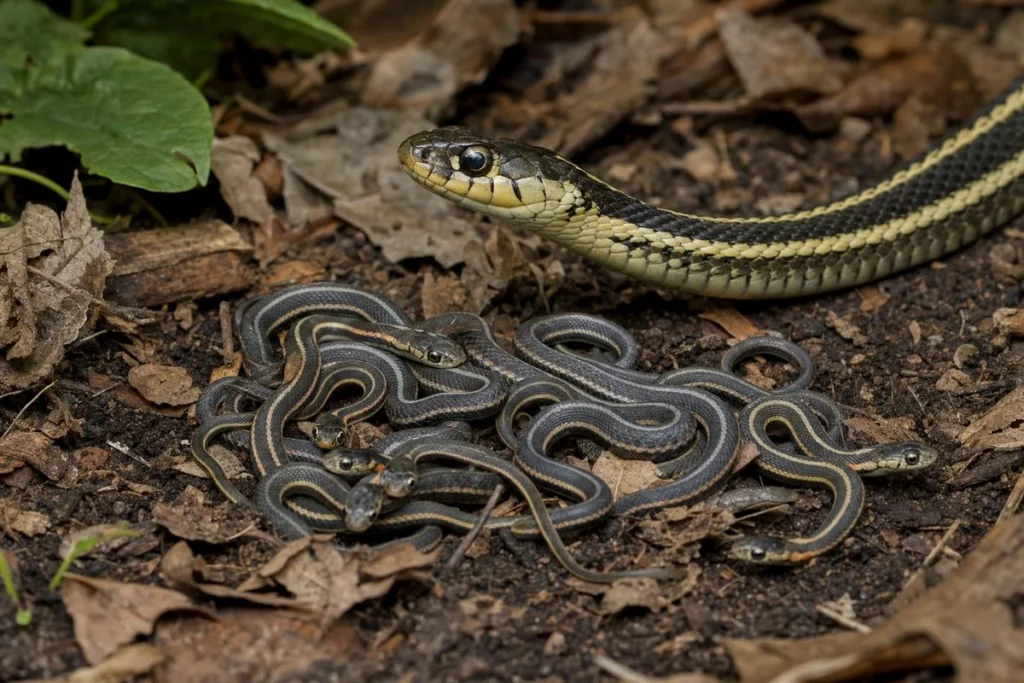
Yes, some snakes give birth to live young, while others lay eggs! Have you ever wondered how snakes come into the world? Do they hatch from eggs like chickens, or do they make a grand entrance already slithering around? The answer is a bit of both, and it's as fascinating as these slinky reptiles themselves. Depending on the species, some snakes are born live, while others emerge from eggs. Let's dive into the wonderfully weird world of snake reproduction and unravel this slippery mystery. In this article, we’ll clear up any confusion about snake births. Whether you’re an amateur herpetologist, a snake enthusiast, or just someone with a curious mind, you'll find plenty of intriguing information here. Plus, you'll get to know some of the specific snake species that give birth to live young and those that prefer the egg-laying route. Key Takeaways Some snakes give birth to live young, while others lay eggs. The type of birth depends on the species. Examples of both oviparous (egg-laying) and viviparous (live-bearing) snakes will be provided. What Does "Born Live" Mean? When we talk about animals being "born live," we’re referring to a reproductive strategy known as viviparity. In viviparous species, the mother gives birth to live young rather than laying eggs. This method of reproduction allows the young to develop inside the mother's body, offering them protection and a stable environment until they are ready to face the outside world. Contrast with Oviparity (Egg-Laying) On the flip side, we have oviparity. Oviparous animals, including many snakes, lay eggs. These eggs are incubated outside the mother's body, and the young hatch when they’re fully developed. The incubation period can vary widely depending on the species and environmental conditions. Introduction to Ovoviviparity (A Mix of Both) And just when you thought things couldn’t get any more interesting, enter ovoviviparity—a delightful mix of both viviparity and oviparity. Ovoviviparous snakes develop eggs inside their bodies, but instead of laying them, the eggs hatch internally, and the mother then gives birth to live young. This method provides the benefits of internal development without the mother having to produce a placental connection. Understanding these three methods—viviparity, oviparity, and ovoviviparity—sets the stage for exploring the diverse reproductive strategies found in the snake world. Now, let’s get specific and meet some snakes that exemplify these fascinating methods of birth. Snakes That Give Birth to Live Young Now that we’ve covered the basics of snake reproduction, let’s dive into the specifics and meet some remarkable snakes that give birth to live young. These viviparous and ovoviviparous snakes have adapted to their environments in fascinating ways. Boa Constrictors One of the most well-known snakes that give birth to live young is the boa constrictor. Native to the tropical regions of Central and South America, these powerful snakes are famous for their impressive size and strength. Boa constrictors are viviparous, meaning their babies develop inside the mother and are born fully formed. This method provides the young boas with a better chance of survival in their often harsh environments, as they skip the vulnerable egg stage entirely. Garter Snakes Garter snakes are another example of snakes that give birth to live young, though they do so in a slightly different manner. Found throughout North America, garter snakes are ovoviviparous. This means their eggs develop inside the mother and hatch just before birth or immediately after being laid. This fascinating reproductive strategy allows garter snakes to thrive in cooler climates where externally laid eggs might not survive. Rattlesnakes Rattlesnakes, those iconic denizens of the American Southwest, also give birth to live young. Like boa constrictors, rattlesnakes are viviparous. This adaptation is particularly beneficial in their arid habitats, where the ground may be too dry or unstable for egg incubation. By carrying their young internally, rattlesnakes can ensure a higher survival rate for their offspring. Why Do Some Snakes Give Birth to Live Young? The question of why some snakes give birth to live young boils down to adaptation and survival. In environments where conditions are tough, such as extreme temperatures or predation risks, giving birth to live young can offer a significant advantage. The mother can keep her developing babies safe and warm, increasing their chances of surviving and thriving once they’re born. Next, we’ll look at snakes that lay eggs, and explore why this method of reproduction works well for them. Snakes That Lay Eggs While many snakes give birth to live young, an equally fascinating group of snakes lay eggs. These oviparous snakes have their own unique adaptations and strategies for ensuring the survival of their offspring. King Cobras King cobras, the world’s longest venomous snakes, are notorious for their regal appearance and potent venom. These majestic reptiles are oviparous, meaning they lay eggs. Found primarily in forests and plains across India and Southeast Asia, king cobras lay their eggs in carefully constructed nests. The mother guards her eggs fiercely until they hatch, providing a level of parental care that is relatively rare among reptiles. This protective behavior ensures that the young have a greater chance of surviving in the wild. Pythons Pythons are another group of egg-laying snakes that have captivated the interest of snake enthusiasts. These large, muscular snakes, found in Africa, Asia, and Australia, are known for their impressive size and strength. Pythons lay eggs and, like king cobras, some species exhibit maternal care. The mother python coils around her eggs to protect them from predators and to regulate their temperature through muscle contractions, known as shivering thermogenesis. This remarkable behavior helps ensure that the eggs develop properly and hatch successfully. Corn Snakes Corn snakes, popular among pet owners for their striking colors and manageable size, are also oviparous. Native to the southeastern United States, these snakes lay their eggs in warm, hidden locations such as rotting logs or leaf litter. Corn snakes don’t provide parental care after laying their eggs, but their choice of well-hidden, warm incubation sites helps ensure that the eggs remain safe and develop in optimal conditions. Why Do Some Snakes Lay Eggs? The decision to lay eggs, for many snake species, comes down to evolutionary advantages in specific environments. Laying eggs allows these snakes to produce a larger number of offspring at once, increasing the odds that some will survive to adulthood. Additionally, in stable and warm environments, egg-laying can be more energy-efficient for the mother, as she can lay her eggs and move on, rather than carrying her developing young internally. Understanding the diversity of snake reproduction helps us appreciate these incredible creatures even more. Whether laying eggs or giving birth to live young, each snake species has evolved strategies that best suit their unique lifestyles and habitats. Why Do Some Snakes Give Birth to Live Young? The question of why some snakes give birth to live young instead of laying eggs is all about adaptation and survival. Different environments and ecological pressures have led to the evolution of various reproductive strategies in snakes. Here are some reasons why viviparity (live birth) can be advantageous for certain snake species: Adaptation to Harsh Climates In environments with extreme temperatures, whether scorching heat or freezing cold, viviparity can provide a significant advantage. By retaining the developing embryos inside their bodies, mother snakes can keep them at a stable temperature, protecting them from the potentially lethal fluctuations of the external environment. This is particularly important in habitats where external conditions can change rapidly and unpredictably. Protection from Predators Eggs laid in the open or even in hidden nests can be vulnerable to predation. Birds, mammals, and other reptiles may easily find and consume the eggs, leading to high mortality rates. Viviparous snakes, by carrying their young internally until they are ready to be born, can reduce the risk of losing their offspring to predators. The young are born more developed and often better able to evade predators from the moment of birth. Increased Survival Rates Live-born young tend to have higher survival rates because they are generally born more developed and robust compared to their egg-hatched counterparts. This means they are better equipped to fend for themselves shortly after birth. For instance, boa constrictors and rattlesnakes, which give birth to live young, produce offspring that are immediately capable of hunting and defending themselves. Adaptation to Specific Ecological Niches Certain ecological niches favor the development of live birth over egg-laying. For example, snakes that inhabit rocky or densely vegetated areas may find it challenging to locate suitable sites for laying eggs. In such environments, carrying the young internally until they are ready to be born can be a more practical reproductive strategy. This adaptation allows the mother to be more mobile and better able to find food and escape predators during the gestation period. Fun Facts About Snake Reproduction To wrap up our exploration of snake reproduction, here are some fun and fascinating facts about how these incredible creatures bring new life into the world: Double Trouble: Some snake species can store sperm for several years, allowing them to fertilize their eggs long after mating. This means a single mating event can result in multiple clutches of eggs or litters of live young over time. Parthenogenesis: In rare cases, some female snakes can reproduce without a male. This process, known as parthenogenesis, involves the development of embryos from unfertilized eggs. It's been documented in species like the Komodo dragon and certain types of boas. Communal Nests: Some egg-laying snakes, like the king cobra, build communal nests where multiple females lay their eggs together. This strategy can provide better protection and more stable incubation conditions for the eggs. Postpartum Care: While most snakes don’t provide care for their young after birth, a few exceptions exist. For example, some python species protect and incubate their eggs, and the female cobra fiercely guards her nest until the eggs hatch. Snake reproduction is a complex and varied process, showcasing the incredible adaptability and evolutionary ingenuity of these reptiles. Whether through live birth or egg-laying, snakes have developed fascinating ways to ensure their species' survival. Conclusion We’ve slithered through the fascinating world of snake reproduction, uncovering the diverse and ingenious ways these reptiles bring their young into the world. From live births to egg-laying, snakes have evolved a variety of strategies to ensure the survival and success of their offspring.
- Brian Moss (President)
- AAAC Wildlife Removal
11/06/2024
Total words : 1736
Can You Get Rid of Raccoons with Ammonia? Effective Solutions
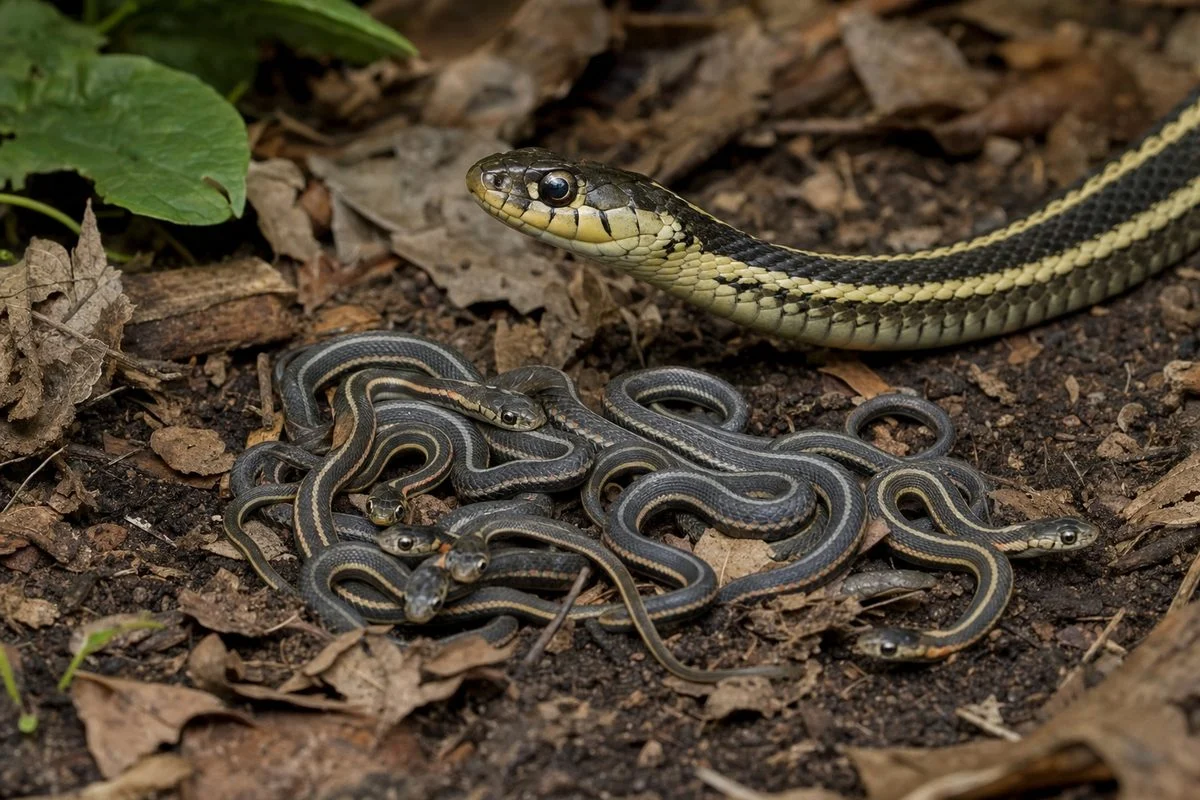
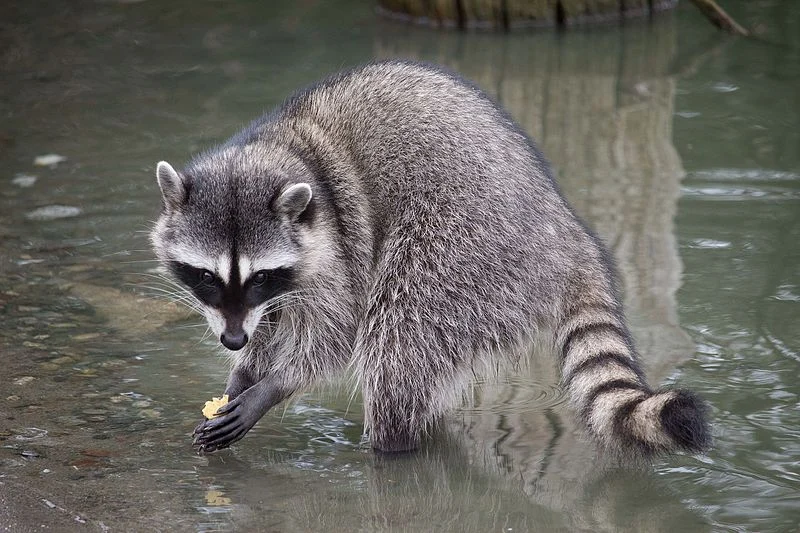
Yes, but there are more effective and humane ways to deter these clever critters. Raccoons might look cute with their masked faces and dexterous little paws, but when they start rummaging through your trash or setting up camp in your attic, they quickly lose their charm. If you're like many homeowners, you've probably searched high and low for ways to keep these crafty critters at bay. Among the myriad of DIY solutions floating around, one stands out for its sheer simplicity and widespread mention: ammonia. But does it really work? Before you start dousing your yard in the pungent stuff, let’s take a closer look. In this article, we’ll dive into the effectiveness of ammonia in deterring raccoons and explore some more effective and humane ways to protect your home and garden. By the end, you'll have a toolkit of solutions to keep those pesky raccoons at a respectful distance. Key Takeaways Ammonia can deter raccoons but isn't the safest or most effective option. There are better, more humane, and environmentally friendly alternatives. Understanding raccoon behavior can help in finding long-term solutions. Understanding Raccoons To tackle any problem effectively, it helps to understand the root cause. In this case, that means getting to know a bit about raccoons. These nocturnal creatures are incredibly adaptable, making them successful urban dwellers as well as countryside residents. Raccoons are omnivores with a diet that includes fruits, nuts, insects, small animals, and, unfortunately for us, our garbage. Their dexterous paws are capable of opening jars, latches, and, yes, trash cans. This ability to manipulate objects makes them particularly troublesome for homeowners. Why do raccoons invade our spaces? Primarily, it’s the search for food and shelter. Gardens with tasty vegetables, trees bearing fruit, and accessible pet food bowls are like a buffet for raccoons. Your attic or chimney offers a cozy, safe place for them to nest, especially if they’re looking to raise their young. Understanding these motivations is crucial. It’s not that raccoons have a personal vendetta against your peaceful home – they’re simply looking for an easy meal and a safe place to live. This knowledge will guide us in finding effective ways to deter them without causing harm. Raccoons are also known for their intelligence and curiosity. They have a strong memory and problem-solving skills, which means simple deterrents might not be enough to keep them away for good. However, this same intelligence can be used against them by creating environments they find unattractive or hard to navigate. Armed with this understanding of raccoon behavior, we’re better prepared to explore whether ammonia and other methods can keep these clever critters at bay. Let’s dive into the specifics of using ammonia next. The Ammonia Myth If you’ve ever googled “how to get rid of raccoons,” you’ve probably come across the suggestion to use ammonia. The idea is simple: ammonia smells like predator urine, which should theoretically send raccoons running for the hills. But does it really work, or is it just another urban legend? The theory behind using ammonia to deter raccoons stems from their strong sense of smell and instinctive fear of predators. Ammonia’s pungent odor is supposed to mimic the urine of animals like coyotes and bobcats, which raccoons naturally avoid. In theory, this sounds like a clever, natural solution. However, the reality is a bit more complicated. While ammonia might initially deter raccoons due to its strong smell, this method has significant limitations. For one, ammonia’s odor dissipates quickly, especially outdoors. You would need to reapply it frequently, turning your home into a veritable ammonia factory – not exactly pleasant for you or your neighbors. Moreover, raccoons are highly adaptable and intelligent creatures. They may be temporarily put off by the smell, but they’re likely to return once they realize there’s no real threat. In essence, ammonia might buy you a little time, but it’s far from a long-term solution. There’s also the matter of safety. Ammonia can be harmful to pets, children, and other wildlife. Its fumes are irritating and can cause respiratory issues if inhaled in large quantities. Spilling it in your garden or yard could also harm plants and soil health. In short, while ammonia might seem like a quick fix, its effectiveness is limited and its downsides are significant. There are better, safer, and more humane ways to deter raccoons from making themselves at home on your property. Let’s explore some of these alternatives next. Risks and Downsides of Using Ammonia While the idea of using ammonia to deter raccoons might seem appealing at first, it's essential to consider the potential risks and downsides associated with this method. Here are a few reasons why ammonia might not be the best choice for dealing with raccoons: Environmental Impact Ammonia is a strong chemical that can have adverse effects on the environment. When used outdoors, it can seep into the soil and affect plants, potentially harming your garden. It can also contaminate water sources if it runs off into nearby streams or rivers. Health Risks The pungent fumes of ammonia are not just unpleasant; they can be harmful to both humans and animals. Inhaling ammonia can cause respiratory issues, throat irritation, and eye irritation. This is especially concerning if you have pets or young children who might come into contact with areas treated with ammonia. Limited Effectiveness As mentioned earlier, ammonia’s smell dissipates quickly, meaning you’ll need to reapply it frequently. Raccoons are also clever and can quickly figure out that there’s no real threat associated with the smell. They may avoid the area initially, but their curiosity and determination can lead them back once the scent fades. Temporary Solution Ammonia provides only a temporary deterrent. Since it doesn’t address the root causes of why raccoons are attracted to your property (food, shelter, etc.), it’s not a sustainable long-term solution. You’ll likely find yourself in a constant cycle of reapplication and frustration. Potential for Harm to Other Wildlife Ammonia doesn’t discriminate. Its strong odor and chemical properties can deter or harm other wildlife that might be beneficial to your garden or ecosystem. Birds, beneficial insects, and other non-target animals might be adversely affected. Effective Alternatives to Ammonia If ammonia isn’t the best solution for keeping raccoons at bay, what can you do instead? Fortunately, there are several effective and humane alternatives that can help protect your home and garden from these pesky intruders. Let’s explore some of the most effective strategies: Secure Your Trash Raccoon-Proof Trash Cans: Invest in heavy-duty trash cans with locking lids that raccoons can’t open. Metal cans with secure latches work best. Trash Storage: Store trash cans in a shed or garage until collection day to minimize exposure. Remove Food Sources Pet Food: Avoid leaving pet food outside overnight. Feed your pets indoors or remove any leftover food after they’ve eaten. Bird Feeders: Clean up spilled birdseed regularly and consider using raccoon-proof bird feeders. Gardens and Fruit Trees: Harvest ripe fruits and vegetables promptly and clean up any fallen produce. Consider installing fencing or netting around gardens and fruit trees. Home Modifications Seal Entry Points: Inspect your home for potential entry points, such as gaps in the roof, attic vents, chimneys, and crawl spaces. Use hardware cloth, caulk, or other materials to seal these openings. Chimney Caps: Install a chimney cap to prevent raccoons from entering your home through the chimney. Natural Deterrents Motion-Activated Devices: Install motion-activated lights, sprinklers, or noise makers around your property. These devices startle raccoons and make your yard less inviting. Repelling Plants: Plant herbs and flowers that raccoons find unappealing, such as peppermint, garlic, and marigolds. These plants can help create a natural barrier. Humane Trapping and Relocation Live Traps: If raccoons have already taken up residence, consider using live traps to capture and relocate them. Ensure you check local regulations, as trapping and relocating wildlife is subject to specific laws. Professional Help: For persistent problems, consider hiring a wildlife control professional. They can safely and humanely remove raccoons and offer advice on preventing future infestations. Maintain a Clean Yard Remove Attractants: Keep your yard clean and free of debris. Trim back overgrown shrubs and trees that provide cover for raccoons. Secure Compost Bins: Use raccoon-proof compost bins and avoid composting meat or dairy products, which can attract raccoons. Long-Term Solutions When dealing with raccoons, it's crucial to think beyond quick fixes. While ammonia might send them packing temporarily, creating a raccoon-free environment requires a more strategic approach. Let’s dive into some long-term solutions that not only keep these critters at bay but also maintain harmony in your yard. Secure Garbage and Food Sources Raccoons are notorious for their scavenging habits, often driven by the scent of easily accessible food. To eliminate this temptation: Use Raccoon-Proof Trash Cans: Invest in heavy-duty bins with locking lids. Not only do these keep raccoons out, but they also deter other pests. Regularly Clean Trash Areas: Even if raccoons can’t get into your bins, the smell of food residue can attract them. Rinse out trash cans periodically and use strong-smelling cleaners. Pet Food Storage: If you feed pets outside, bring in their dishes after mealtime. Store pet food in airtight containers inside your home. Regular Yard Maintenance A well-maintained yard can be less appealing to raccoons. Here are some simple steps: Trim Trees and Shrubs: Raccoons are excellent climbers. By trimming tree branches that hang over your roof or near windows, you reduce their access points. Remove Debris: Piles of leaves, wood, and other debris can create cozy hiding spots. Keep your yard tidy and clear. Secure Compost Bins: Use raccoon-proof compost bins or ensure your existing ones are tightly sealed. Physical Barriers Sometimes, a physical barrier is the most straightforward deterrent: Fencing: Install a sturdy fence around your garden and other vulnerable areas. Opt for a fence at least 4 feet high, with the top foot angled outward to prevent climbing. Chimney Caps and Vents: Raccoons love cozying up in chimneys and attics. Installing caps and securing vents can block these entry points. Professional Wildlife Control Services If raccoons have become more than a nuisance, it might be time to call in the pros: Humane Trapping: Wildlife control experts can set up humane traps to catch and release raccoons far from your home. Ensure they comply with local wildlife regulations. Exclusion Services: Professionals can identify and seal entry points around your home, preventing future invasions. Ongoing Monitoring: Regular check-ins from wildlife control can help maintain a raccoon-free environment. Conclusion Recapping the drawbacks of using ammonia: it's not just about the smell or the potential health risks. It's about finding solutions that work in the long run, keeping both your family and the raccoons safe. By securing food sources, maintaining your yard, using physical barriers, and, when necessary, calling in the experts, you can create a raccoon-free haven.
- Brian Moss (President)
- AAAC Wildlife Removal
11/04/2024
Total words : 1832
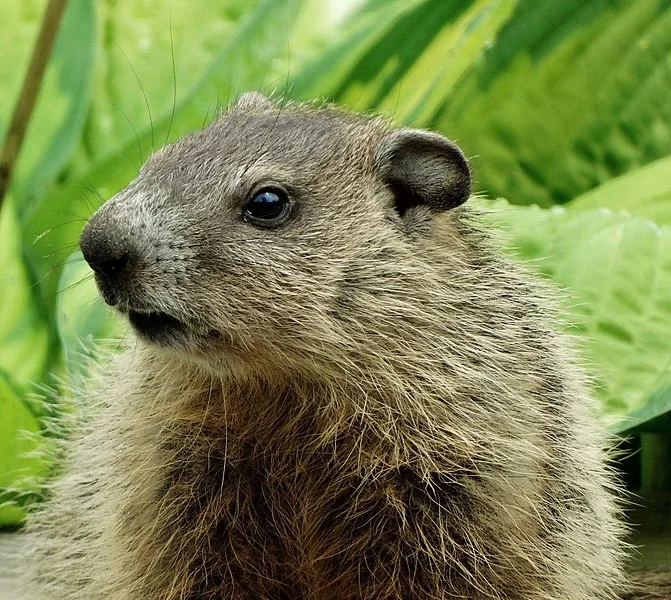
Effective Techniques: How to Trap a Groundhog in Your Yard
Juvenile Groundhog by Susan Sam aka Ladycamera. CC BY-SA 4.0 Key Takeaways Trapping groundhogs is manageable with the right knowledge and tools. Understand groundhog behavior for effective trapping. Choose appropriate traps and bait for success. Follow a step-by-step setup guide to humanely capture groundhogs. Implement preventative measures to keep your garden and property groundhog-free. Avoid common mistakes to increase trapping success. Call professionals like AAAC Wildlife Removal if the problem persists or becomes too complex. Patience and the right approach will help reclaim your yard and enjoy a peaceful, groundhog-free garden. So, you've spotted a groundhog making itself at home in your garden, and now your plants are looking more like a buffet than a beautiful landscape. Groundhogs, also known as woodchucks, can be quite the nuisance when they decide to burrow and feast on your hard-earned garden. But don't worry—AAAC Wildlife Removal is here to guide you through the process of trapping these furry invaders humanely and effectively. In this article, we'll dive into the behaviors of these pesky critters, the best methods for trapping them, and how to ensure they're relocated safely. Whether you're a seasoned DIYer or just someone tired of sharing their garden with an uninvited guest, you'll find all the tips and tricks you need right here. Let’s get started on reclaiming your yard and sending Mr. Groundhog packing to a more appropriate home! Male Groundhog Standing by Susan Sam aka Ladycamera. CC BY-SA 4.0 Understanding Groundhog Behavior Groundhogs are fascinating yet troublesome creatures. To effectively trap them, it’s crucial to understand their behavior and habits. Groundhogs are most active during the early morning and late afternoon, spending their days burrowing and foraging for food. Their burrows, which can be extensive, often include multiple entrances and can cause significant damage to your garden, lawn, and even the foundation of your home. Recognizing the signs of groundhog activity, such as large, crescent-shaped mounds of dirt near burrow entrances and gnawed plants, is the first step in tackling the problem. These rodents are driven by their need to find food and create safe, comfortable burrows, making them a formidable opponent for any homeowner. By understanding what attracts groundhogs and how they operate, you’ll be better equipped to plan an effective trapping strategy that minimizes damage and stress for both you and the groundhog. Choosing the Right Trap Selecting the right trap is a critical part of the groundhog removal process. The most recommended type for groundhogs is a live trap, which allows for humane capture and relocation. These traps come in various sizes, but for groundhogs, a medium to large-sized trap is ideal to comfortably accommodate their size. Look for traps that are sturdy, easy to set, and have a sensitive trigger mechanism to ensure the groundhog is securely captured without injury. There are many reliable sources for purchasing live traps, both online and at local hardware stores. Investing in a high-quality trap will increase your chances of success and make the entire process smoother. By choosing the right trap, you not only ensure a humane approach but also set yourself up for a more straightforward and efficient trapping experience. The Best Bait for Groundhogs Choosing the right bait is essential to lure groundhogs into your trap effectively. Groundhogs are herbivores with a strong preference for fruits and vegetables. Some of the best bait options include apples, carrots, lettuce, and sweet corn. Groundhogs are also attracted to the scent of cantaloupe; placing a few pieces inside and around the trap can increase your chances of success. When setting the bait, ensure it is placed towards the back of the trap, so the groundhog has to step on the trigger plate to reach it. Fresh bait works best, as groundhogs are more likely to investigate something that looks and smells appetizing. By understanding what appeals to a groundhog's diet, you can create an irresistible setup that will draw them in and ensure a successful capture. Step-by-Step Guide to Setting Up the Trap With your trap and bait ready, it’s time to set everything up. Follow these steps to ensure a successful and humane capture. The placement of your trap is critical. Set the trap near the entrance of the groundhog's burrow or along their regular paths. Look for signs of activity, such as fresh digging or droppings, to identify the best location. Ensure the trap is on a level surface to prevent it from tipping over. Setting the Trap: Prepare the Trap: Before setting the trap, make sure it’s clean and functioning correctly. Test the trigger mechanism to ensure it closes smoothly. Place the Bait: As mentioned earlier, place the bait at the back of the trap and create a small trail leading to the entrance. Set the Trigger: Follow the manufacturer's instructions to set the trigger mechanism. This typically involves positioning the trap’s door open and securing the trigger rod. Camouflage the Trap: Groundhogs are cautious creatures. Cover the trap with natural materials such as leaves, grass, or branches to make it blend in with the surroundings. Ensure the entrance remains clear so the groundhog can easily access the bait. Monitoring the Trap: Check the trap frequently, at least twice a day, to ensure the groundhog doesn't remain trapped for too long. Regular monitoring helps prevent stress and ensures you can quickly relocate the groundhog once it's captured. By carefully setting up the trap and monitoring it regularly, you increase the likelihood of a successful capture, allowing you to relocate the groundhog humanely and effectively. Preventing Future Groundhog Problems After successfully relocating a groundhog, it's crucial to implement measures to prevent future invasions. Groundhogs are persistent creatures, so taking proactive steps can save you from repeated encounters. Start by securing your garden and yard with a sturdy fence, buried at least 12 inches underground to prevent burrowing. Regularly inspect your property for new burrows and fill them promptly to discourage groundhogs from settling in. Removing food sources, such as fallen fruit and accessible vegetable gardens, can also make your yard less attractive to these critters. Additionally, consider using natural repellents like crushed garlic or castor oil around potential entry points to deter groundhogs. For a long-term solution, installing motion-activated sprinklers or ultrasonic repellents can create an environment groundhogs find unpleasant. By taking these preventive measures, you can protect your garden and property from future groundhog invasions, ensuring a peaceful and undisturbed outdoor space. Common Mistakes to Avoid Trapping a groundhog can be tricky, and there are several common mistakes that can hinder your success. One frequent error is using the wrong size trap; a trap that's too small won't accommodate the groundhog comfortably, and one that's too large may not trigger correctly. Another mistake is poor bait placement. Ensure the bait is placed at the far end of the trap to force the groundhog to step on the trigger plate. Additionally, some people overlook the importance of location—setting the trap in an area where groundhogs are not active will yield no results. Always place the trap near burrow entrances or along their established paths. Handling the trap too often can also leave human scent on it, deterring groundhogs from entering. Lastly, failing to check the trap regularly can lead to unnecessary stress or harm to the trapped animal. By being mindful of these common pitfalls, you can improve your chances of successfully and humanely trapping a groundhog. When to Call a Professional Despite your best efforts, there may be situations where trapping a groundhog becomes too challenging or time-consuming, and calling a professional is the best course of action. Signs that you might need expert help include persistent groundhog activity despite multiple trapping attempts, extensive burrow systems that are difficult to locate, or when the groundhogs are causing significant damage to your property. Professionals have the experience and tools to handle even the most stubborn groundhog problems efficiently and humanely. When choosing a wildlife control service, look for licensed and insured professionals with positive reviews and a focus on humane treatment. Companies like AAAC Wildlife Removal specialize in resolving wildlife conflicts and can provide tailored solutions to ensure your property is groundhog-free. Sometimes, professional intervention is the most effective way to protect your home and garden from these persistent critters. Conclusion Trapping a groundhog may seem like a daunting task, but with the right knowledge and tools, it’s entirely manageable. By understanding groundhog behavior, choosing the appropriate trap and bait, and following a step-by-step setup guide, you can successfully and humanely capture these pesky critters. Remember to treat the trapped groundhog with care and relocate it safely, adhering to local wildlife regulations. Implementing preventative measures will help ensure that your garden and property remain groundhog-free in the future. Avoid common mistakes to increase your chances of success, and don’t hesitate to call in professionals like AAAC Wildlife Removal if the problem becomes too persistent or complex. With patience and the right approach, you can reclaim your yard and enjoy a groundhog-free environment. Here’s to a peaceful and thriving garden, free from uninvited guests!
- Brian Moss (President)
- AAAC Wildlife Removal
11/01/2024
Total words : 1514
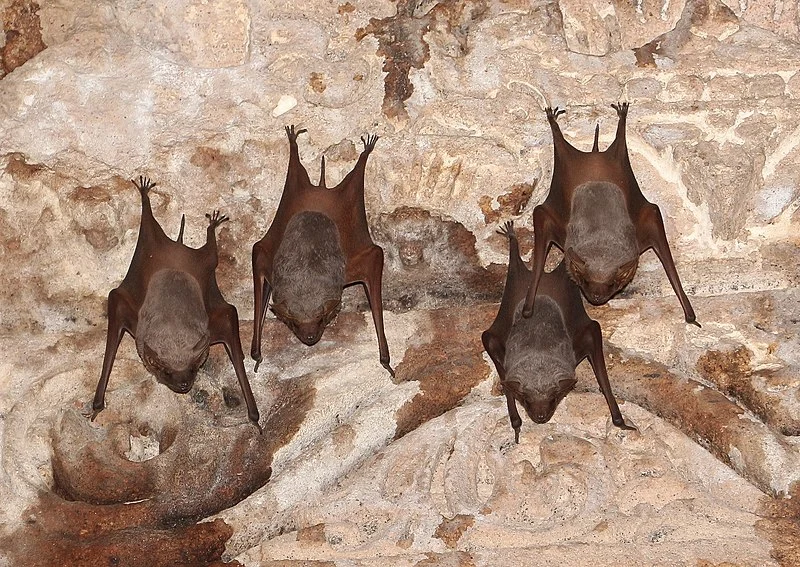
Do Bats Attack Humans? Separating Myth from Fact
Bats generally do not attack humans and are shy creatures that prefer to avoid contact. However, if they feel threatened or cornered, they might bite in self-defense. Key Takeaways Bats are misunderstood and often seen as aggressive, but they are generally harmless. Bats play a crucial role in ecosystems, contributing to natural pest control, pollination, and ecosystem balance. Understanding bat behavior and how to handle encounters can help alleviate fears. Preventive measures, such as bat-proofing your home, are essential for managing bat encounters. Seek professional help from AAAC Wildlife Removal for safe and effective bat management. Appreciating bats' ecological importance can foster respect and coexistence. Contact AAAC Wildlife Removal for assistance and share your bat encounter stories or questions to promote harmony between humans and bats. Bats often get a bad rap in horror movies, with their eerie silhouettes and unsettling screeches, but are they really the bloodthirsty creatures they're made out to be? If you’ve ever found yourself wondering whether bats are a genuine threat to humans, you’re not alone. This question pops up frequently, especially when one of these nocturnal flyers unexpectedly appears in your home or yard. At AAAC Wildlife Removal, we frequently encounter concerned homeowners who worry about potential bat attacks. Let’s dive into the mysterious world of bats, shedding light on their true nature, and discover why these misunderstood mammals are more interested in avoiding us than engaging in any horror movie antics. Understanding bat behavior is the key to dispelling myths and ensuring peaceful coexistence with our winged neighbors. So, grab your flashlight, and let’s explore the facts about whether bats will actually attack humans. Understanding Bat Behavior Bats are fascinating creatures with over 1,400 species found worldwide, and they play vital roles in our ecosystems. In North America, the most common types of bats you might encounter are the Little Brown Bat, Big Brown Bat, and Mexican Free-tailed Bat. These bats prefer dark, quiet places for roosting during the day and are most active at night, hunting for insects. Contrary to popular belief, bats are not out to get humans. They are shy and reclusive animals that avoid human interaction whenever possible. Their diet primarily consists of insects, such as mosquitoes, moths, and beetles, making them excellent natural pest controllers. Bats use echolocation to navigate and find food, emitting high-frequency sounds that bounce off objects and return to them, creating a mental map of their surroundings. Understanding these basic facts about bats helps us see that they are more afraid of us than we are of them. Bats will typically only approach humans if they are sick, injured, or feel threatened. So, if you spot a bat in your home or backyard, it's likely just trying to find its way out or searching for food. Situations Where Bats Might Seem Aggressive While bats are generally non-aggressive, certain situations can make them appear otherwise. The most common scenario is when a bat feels cornered or threatened. Like any animal, bats will defend themselves if they perceive danger. For example, if a bat accidentally flies into your home, it may become frantic and appear aggressive as it tries to find an exit. Maternity roosts are another situation where bats might exhibit defensive behavior. Female bats gather in large numbers to give birth and raise their young, and they can be particularly protective of their roosting sites during this time. If you inadvertently disturb a maternity roost, the bats may act aggressively to protect their offspring. One of the more concerning scenarios is encountering a rabid bat. Although rabies in bats is rare, it does happen. Rabid bats may display unusual behavior, such as flying during the day, appearing disoriented, or showing signs of aggression. If you encounter a bat acting strangely, it's best to keep your distance and contact a professional, like AAAC Wildlife Removal, for assistance. By understanding these situations, you can better assess the behavior of bats and take appropriate action to avoid potential conflicts. Myths vs. Reality: Debunking Common Misconceptions Bats swooping down to attack, getting tangled in your hair, and turning into bloodthirsty vampires—these are just a few of the myths that have given bats an undeservedly bad reputation. Let's set the record straight and debunk some of these common misconceptions. One of the most persistent myths is that bats swoop down to attack people. In reality, bats are expert fliers and swoop close to the ground to catch insects, not to attack humans. If a bat flies near you, it’s probably just hunting for dinner, not looking for a fight. Another myth is that bats get tangled in people's hair. This old wives' tale likely started because bats sometimes fly close to humans while navigating their environment. However, bats have excellent echolocation abilities and are highly unlikely to collide with or become entangled in your hair. The notion of vampire bats turning into bloodsucking creatures of the night is more fiction than fact. While there are vampire bats that feed on blood, they primarily target livestock and birds, not humans. These bats are found in Latin America and are a tiny fraction of the bat population. Most bats you encounter are harmless insect-eaters or fruit and nectar feeders. By debunking these myths, we can better appreciate bats for their ecological benefits and reduce unnecessary fear and misunderstandings. What to Do If You Encounter a Bat Encountering a bat can be startling, but knowing what to do can make the situation less stressful for both you and the bat. Here are some steps to take if you find yourself face-to-face with one of these winged creatures. Stay calm and avoid sudden movements: Bats are more afraid of you than you are of them. Panicking or making sudden movements can cause the bat to become more disoriented or frightened. Safely remove the bat: If a bat is in your home, close off the room to contain it and open windows or doors to create an exit path. Turn off the lights and leave the room, giving the bat a chance to find its way out. If the bat doesn’t leave on its own, it’s best to call a professional wildlife removal service, like AAAC Wildlife Removal, to handle the situation safely. Wear protective gear: If you need to handle the bat, wear thick gloves to protect yourself from potential bites. Use a container to gently trap the bat against a wall or floor, then slide a piece of cardboard under the container to lift the bat and release it outside. When to call a professional: If the bat appears sick, injured, or you suspect it may have rabies, do not attempt to handle it yourself. Contact AAAC Wildlife Removal or your local animal control for assistance. By following these steps, you can safely manage an unexpected bat encounter and ensure both your safety and the bat’s well-being. Preventing Unwanted Encounters Prevention is the best strategy when it comes to avoiding unwanted encounters with bats. By taking some proactive steps, you can minimize the chances of bats entering your home or becoming a nuisance in your yard. Bat-proof your home: Inspect your home for potential entry points, such as gaps around windows, doors, vents, and chimneys. Bats can squeeze through very small openings, so seal any cracks or holes with caulk or weatherstripping. Installing mesh screens over vents and chimney openings can also prevent bats from entering. Maintain your property: Keep your yard tidy by trimming overgrown trees and shrubs, which can provide roosting spots for bats. Ensure that outdoor lighting is not too bright, as this can attract insects and, subsequently, bats looking for a meal. Use bat deterrents: Installing bat houses away from your home can give bats an alternative roosting spot. Bat houses provide a safe place for bats to live and help keep them out of your attic or other structures. You can also use ultrasonic devices that emit sounds unpleasant to bats, encouraging them to stay away from your property. Educate your family and neighbors: Share what you've learned about bats with your family and neighbors. Understanding bat behavior and taking preventative measures collectively can help reduce bat encounters in your community. By implementing these preventive measures, you can coexist peacefully with bats while keeping them out of your living spaces. The Importance of Bats in the Ecosystem Bats play a crucial role in maintaining healthy ecosystems and offer numerous benefits that often go unnoticed. Understanding their importance can help us appreciate these misunderstood creatures and the positive impact they have on our environment. Natural pest control: Bats are voracious insect eaters, with some species consuming up to their body weight in insects each night. This natural pest control helps reduce the need for chemical pesticides, benefiting both the environment and agricultural production. Farmers often rely on bats to keep crop-damaging pests in check. Pollination and seed dispersal: Many bat species feed on nectar, pollen, and fruit, making them essential pollinators for a variety of plants, including some that are economically important. For example, bats are key pollinators for agave plants, which are used to produce tequila. Additionally, fruit-eating bats help with seed dispersal, contributing to forest regeneration and plant diversity. Ecosystem balance: Bats play a significant role in maintaining the balance of ecosystems. By controlling insect populations and aiding in plant reproduction, they help sustain the health and diversity of their habitats. This balance supports other wildlife and ensures the stability of food chains. Encouraging coexistence with bats not only helps protect these valuable creatures but also supports the broader health of our environment. Recognizing the importance of bats can lead to better conservation efforts and a greater appreciation for their role in nature. When to Seek Medical Attention While bats are generally harmless, there are certain situations where seeking medical attention is necessary. Understanding when to seek help can ensure your safety and health, especially in rare instances involving bat bites or potential rabies exposure. Recognizing bat bites: Bat bites can be tiny and sometimes go unnoticed. If you have any suspicion that you or a pet has been bitten by a bat, it’s essential to seek medical advice immediately. Bat bites can be a pathway for rabies transmission, which is a serious concern. Symptoms of rabies: Rabies is a viral disease that affects the nervous system and can be fatal if not treated promptly. Early symptoms in humans include fever, headache, and general weakness. As the disease progresses, more severe symptoms like anxiety, confusion, paralysis, and hallucinations can occur. If you notice any of these signs after a bat encounter, seek medical attention right away. Post-exposure prophylaxis (PEP): If you are bitten or scratched by a bat, healthcare providers may recommend a series of rabies vaccinations known as post-exposure prophylaxis (PEP). PEP is highly effective at preventing rabies if administered promptly after exposure. It's better to err on the side of caution and consult a healthcare professional if you suspect contact with a rabid bat. When to call a professional: If you find a bat in your home, especially in a room where someone was sleeping or where children and pets have access, contact AAAC Wildlife Removal or local animal control to safely capture and test the bat for rabies. Do not handle the bat yourself to avoid unnecessary risk. By being aware of these signs and taking appropriate action, you can protect yourself and your loved ones from potential health risks associated with bats. Conclusion Bats are often misunderstood creatures, surrounded by myths and misconceptions that paint them as aggressive and dangerous. However, the reality is that bats are generally harmless and play a vital role in our ecosystems. Understanding bat behavior and knowing how to handle encounters can help alleviate fears and promote coexistence with these beneficial animals. Remember, bats are more interested in avoiding humans than attacking them. By taking preventive measures to bat-proof your home and understanding when to seek professional help, you can safely manage any bat encounters. Appreciating the importance of bats in natural pest control, pollination, and ecosystem balance can also foster a greater respect for these fascinating creatures. If you ever find yourself in a situation where you need assistance with bats, don't hesitate to contact AAAC Wildlife Removal. Our team of professionals is here to help ensure both your safety and the well-being of the bats. Share your bat encounter stories or questions with us, and let’s continue to debunk myths and promote harmony between humans and bats.
- Brian Moss (President)
- AAAC Wildlife Removal
10/30/2024
Total words : 2092
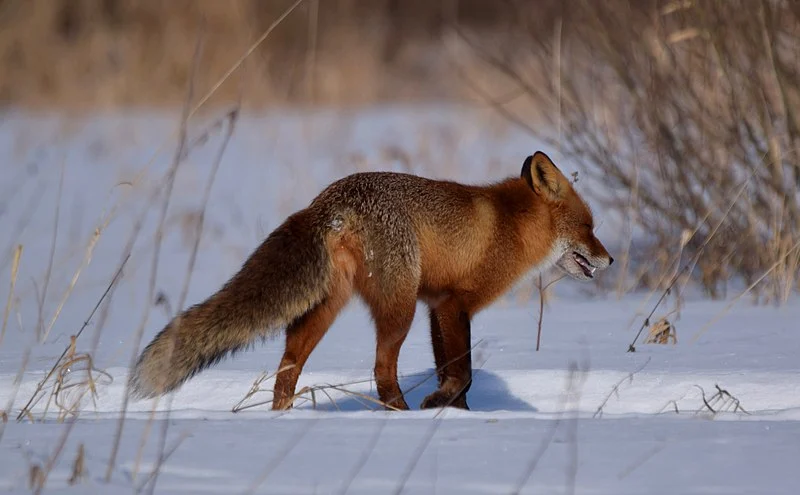
Can Foxes Be Dangerous? Unveiling the Truth About Wild Canines
Yes, foxes can be dangerous, especially if they feel threatened or are rabid. While they generally avoid humans, they can attack pets and livestock, posing a potential risk. Key Takeaways Foxes are generally not dangerous to humans but can pose a threat in specific situations. Understanding fox behavior and recognizing potential aggression scenarios are crucial for safety. Implementing preventive measures can help you coexist peacefully with foxes. Small changes in property management and wildlife interaction can enhance safety for your family and pets. Respecting foxes' natural instincts and taking simple precautions minimizes risks. Observing foxes from a distance allows for appreciation while maintaining safety. Ever spotted a fox trotting through your backyard and wondered if it’s as harmless as it looks? While these bushy-tailed critters are generally more scared of you than you are of them, there are some scenarios where they could pose a risk. Whether you're a concerned homeowner, a cautious parent, or simply curious about wildlife, understanding when foxes can be dangerous is key to ensuring safety for yourself, your family, and your pets. At AAAC Wildlife Removal, we’ve seen it all when it comes to fox encounters. In this article, we'll dive into the behavior of foxes, explore the situations that might make them a potential threat, and provide practical tips on how to prevent and handle encounters. By the end, you'll have a clear picture of how to coexist peacefully with these fascinating animals while keeping everyone safe. So, let’s unravel the mystery behind these elusive creatures and find out if foxes are truly something to worry about. Understanding Fox Behavior Foxes are fascinating creatures with unique behaviors that often pique human curiosity. Generally, foxes are nocturnal, meaning they are most active during the night. They are highly adaptable and can be found in various environments, from rural farmlands to urban neighborhoods. Despite their adaptability, foxes typically prefer to avoid human interaction. Their natural instincts drive them to be cautious and wary of potential threats, including humans. Foxes are opportunistic feeders, which means they will eat whatever is available, from small mammals and birds to fruits and insects. This varied diet helps them survive in diverse habitats but can sometimes bring them closer to human settlements, especially if food is scarce. Understanding these basic aspects of fox behavior helps us see why they might venture into our spaces and how to predict their actions. When Can Foxes Be Dangerous? While foxes generally avoid humans, certain situations can make them potentially dangerous. One primary reason is when they are protecting their young. Like many animals, foxes can become aggressive if they feel their kits (baby foxes) are threatened. If you come across a fox den, it's best to steer clear to avoid provoking a defensive reaction. Another significant risk factor is rabies. Although rare, foxes can contract rabies, which makes them extremely dangerous. Rabid foxes might exhibit unusual behavior, such as approaching humans fearlessly or acting aggressively. If you encounter a fox showing these signs, it's crucial to contact wildlife control immediately. Food scarcity can also drive foxes to take bolder actions. In times of hunger, foxes might venture closer to human dwellings in search of food. This desperation can sometimes lead to aggressive behavior, especially if they feel cornered or threatened. Human encroachment on their territory can further exacerbate these issues, as foxes struggle to find safe, undisturbed spaces to live and hunt. By understanding these circumstances, we can take steps to minimize risks and ensure safer coexistence with foxes. Are Foxes Dangerous to Pets? Foxes can pose a threat to pets, particularly smaller ones like cats, small dogs, and rabbits. While foxes typically shy away from confrontation, their predatory instincts may kick in if they see a smaller animal as potential prey. It’s important to understand that these interactions are often driven by survival rather than aggression. To keep your pets safe, ensure they are supervised when outside, especially during dawn and dusk when foxes are most active. Secure outdoor enclosures for smaller pets like rabbits and chickens with sturdy, predator-proof materials. Feeding your pets indoors and securely storing pet food can also reduce the likelihood of attracting foxes to your property. In addition to direct interactions, foxes can carry parasites and diseases that may affect your pets. Regular veterinary check-ups and vaccinations are essential in maintaining your pets' health and mitigating risks from wildlife encounters. Safety Tips for Preventing Fox Encounters Preventing fox encounters starts with making your home and property less inviting to these curious creatures. Here are some effective strategies: Secure Garbage and Food Sources: Foxes are attracted to easily accessible food. Ensure garbage bins are tightly sealed and avoid leaving pet food or scraps outside. Compost piles should be properly managed to prevent attracting wildlife. Install Fencing: A sturdy fence can deter foxes from entering your yard. Make sure the fence is at least 6 feet high and buried at least 1-2 feet underground to prevent digging. Remove Shelter Opportunities: Foxes look for quiet, undisturbed places to make their dens. Remove potential shelters such as wood piles, brush, and dense vegetation from around your property. Use Deterrents: Motion-activated lights, sprinklers, or loud noises can scare foxes away from your yard. There are also commercially available fox repellents that can be applied around your property. Educate Your Family: Ensure everyone in your household understands the importance of not approaching or feeding foxes. Teach children the importance of staying calm and moving away slowly if they encounter a fox. By following these safety tips, you can reduce the likelihood of fox encounters and create a safer environment for your family and pets. What to Do if You Encounter a Fox If you find yourself face-to-face with a fox, it’s important to stay calm and remember that foxes are generally more afraid of you than you are of them. Here’s what you should do: Stay Calm and Avoid Sudden Movements: Panicking or making sudden movements can startle the fox and provoke an unpredictable reaction. Make Yourself Look Bigger: Stand tall, wave your arms, and make yourself appear larger. This can intimidate the fox and encourage it to leave. Make Noise: Clap your hands, shout, or use a noise-making device to scare the fox away. Foxes are naturally skittish and loud noises often deter them. Back Away Slowly: Don’t turn your back on the fox or run. Slowly back away while maintaining eye contact. This shows the fox that you’re not prey and gives it the opportunity to retreat. Seek Shelter if Necessary: If the fox continues to approach or seems aggressive, seek shelter in a building or vehicle until it leaves. Report Unusual Behavior: If the fox shows signs of illness or rabies, such as unusual aggression or lethargy, contact local wildlife control or animal services for assistance. Coexisting Safely with Foxes Coexisting with foxes doesn’t have to be a daunting task. With the right measures in place, you can ensure a peaceful relationship with these fascinating animals. Here are some tips to help you coexist safely: Respect Their Habitat: Foxes are an important part of the ecosystem. Respect their space by not encroaching on their habitats or disturbing their dens. Avoid Feeding Foxes: Feeding wildlife can lead to dependency and increased interactions with humans, which is not beneficial for either party. Keep food sources secure and avoid leaving scraps outside. Educate Your Community: Spread awareness about fox behavior and safety practices. The more people know, the better prepared they will be to coexist with foxes. Appreciate from a Distance: Enjoy watching foxes from afar without attempting to approach or interact with them. Observing their natural behaviors can be a rewarding experience without risking your safety. Maintain a Fox-Unfriendly Environment: Keep your property tidy and secure to discourage foxes from making a home in your yard. Regularly check for and seal any potential entry points into buildings or structures. By following these guidelines, you can help ensure a safe environment for both humans and foxes. Understanding and respecting these animals’ behavior is key to preventing conflicts and enjoying the presence of wildlife in a responsible manner. Conclusion In summary, while foxes are generally not dangerous to humans, there are specific situations where they can pose a threat. By understanding their behavior, recognizing the scenarios that might lead to aggression, and implementing preventive measures, you can coexist peacefully with these fascinating creatures. At AAAC Wildlife Removal, we've seen how small changes in how you manage your property and interact with wildlife can make a big difference in ensuring safety for you, your family, and your pets. Remember, respecting the natural instincts of foxes and taking simple precautions can minimize risks and foster a safer environment for everyone. So, the next time you spot a fox in your backyard, you’ll know exactly what to do to keep the peace. Embrace the opportunity to observe these beautiful animals from a distance and appreciate the role they play in our ecosystem, all while keeping your loved ones safe and secure.
- Brian Moss (President)
- AAAC Wildlife Removal