


- Brian Moss (President)
- AAAC Wildlife Removal
12/09/2024 Total words : 1799
How to Get Rid of Rats Outside: Effective Backyard Pest Control
To get rid of rats outside, eliminate food sources, shelter, and use traps or repellents. Hey there! So, you’ve noticed some unwelcome furry guests scurrying around your yard, huh? Rats are not just a nuisance—they're also a potential health hazard, spreading diseases and causing damage to your garden and property. But don’t worry, I’ve got your back! In this guide, we’re diving into all the nitty-gritty details on how to get rid of rats outside. Whether you’ve spotted a couple of these sneaky critters or you’re dealing with a full-blown rat invasion, we’ll cover everything you need to know to send them packing. First things first, it’s essential to understand that getting rid of rats isn’t about just one quick fix. Nope, these little guys are persistent and crafty, so we need a comprehensive approach to tackle the problem from all angles. From eliminating food sources and hiding spots to setting traps and using natural repellents, we’ve got a game plan that’s as effective as it is practical. By the end of this article, you’ll be armed with all the tips and tricks to make your yard a no-go zone for rats. So let’s roll up our sleeves and get started on reclaiming your outdoor space! Key Takeaways Identify and eliminate food sources. Remove or reduce shelter and nesting areas. Use traps and natural repellents. Implement long-term prevention strategies. Maintain a Clean Outdoor Environment First things first, if you want to evict rats from your outdoor spaces, you've got to make your yard as uninviting as possible. Think of it as giving your yard a makeover – but instead of attracting guests, you're discouraging the furry, unwelcome ones. Eliminate Food Sources Rats are opportunistic feeders. If there's easy access to food, they'll stick around like uninvited dinner guests. Store pet food, bird seed, and trash in sealed containers. If you’ve got fruit trees or a vegetable garden, clean up any fallen produce. The less food lying around, the less likely rats will find your yard appealing. Remove Clutter Rats love clutter. It provides them with perfect hiding spots and nesting materials. Keep your yard free of debris, woodpiles, and other potential rat condos. Stack firewood away from buildings and elevate it at least 18 inches off the ground. Got a shed? Make sure it's organized and clutter-free. Trim Vegetation Overgrown plants and bushes might look lush, but they’re also prime real estate for rats. Trim back any vegetation that’s close to your house or other structures. Keep the grass cut short and remove any thick underbrush. This reduces the hiding spots for rats and makes your yard less appealing to them. By keeping your outdoor environment clean and tidy, you’re sending a clear message to the rats: this yard is off-limits! Use Natural Deterrents Now that your yard is spick-and-span, it's time to step up your game with some natural deterrents. Think of these as your secret weapons in the war against rats. They’re eco-friendly, safe for pets and kids, and can be surprisingly effective. Peppermint Oil Rats have a keen sense of smell, and they’re not fans of peppermint. Soak cotton balls in peppermint oil and place them around your yard, focusing on areas where you’ve seen rat activity. You can also plant peppermint around your garden – it smells great to us but is a big "no thank you" for rats. Predator Urine It might sound a bit gross, but using predator urine can be a powerful deterrent. Commercial products mimic the scent of natural predators like foxes or cats, sending a signal to rats that they’re in dangerous territory. Sprinkle it around the perimeter of your yard to create an invisible “no-go” zone. Plant Rat-Repelling Plants Certain plants are known to deter rats, so why not add a few to your garden? Mint, garlic, and marigolds are excellent choices. Not only will these plants help keep rats away, but they’ll also add some beauty and fragrance to your yard. Using these natural deterrents can help create an environment that’s inhospitable to rats without resorting to harsh chemicals. Plus, your yard will smell fantastic and look even better! Chemical Deterrents and Repellents Sometimes, despite your best efforts with natural methods, those pesky rats just won’t give up. When that happens, it’s time to bring out the big guns: chemical deterrents and repellents. These can be highly effective, but they need to be used carefully to ensure safety for you, your family, and any pets. Commercial Rat Repellents There are plenty of commercial rat repellent products available in spray or granule form. These products typically contain ingredients that rats find repulsive, such as essential oils or certain chemicals. Spray or sprinkle them around your yard, focusing on entry points and areas where you've seen rat activity. Be sure to follow the instructions on the packaging to maximize effectiveness. Rodenticides Rodenticides are poisons specifically designed to kill rats. They can be very effective but should be used as a last resort due to their potential danger to other animals and the environment. If you choose to use rodenticides, always follow the instructions carefully and place them in tamper-proof bait stations to prevent accidental ingestion by pets or wildlife. Keep these stations out of reach of children as well. Electronic Rat Repellents Another option is electronic repellents, which emit high-frequency sound waves that are supposed to be intolerable to rats. Humans and most pets can’t hear these sounds, so they’re a safe and humane way to deter rats from your outdoor areas. Place these devices in strategic locations around your yard for the best results. Using chemical deterrents and repellents can provide that extra layer of protection against stubborn rats. Just remember to use them responsibly and in conjunction with your other rat control methods for the best outcome. Set Up and Monitor Traps Alright, it's time to get hands-on. Traps are an effective way to reduce the rat population in your yard quickly. There are several types of traps available, each with its own pros and cons. Let's go through the options and best practices for setting them up. Snap Traps Snap traps are the classic rat traps that use a spring-loaded bar to quickly kill the rat. They’re effective, inexpensive, and easy to use. Placement: Position snap traps along rat pathways, which are typically along walls, fences, or near structures. Rats are creatures of habit and tend to travel the same routes. Baiting: Use peanut butter, bacon, or dried fruit as bait. Make sure the bait is securely attached to the trap to ensure it triggers properly. Monitoring: Check the traps daily and dispose of any caught rats promptly. Always wear gloves when handling traps to avoid contact with any potential pathogens. Live Traps Live traps catch rats without killing them, allowing you to release them far away from your home. Placement: Similar to snap traps, place live traps along known rat pathways. Baiting: Use the same baits as for snap traps. Ensure the bait is positioned to lure the rat fully into the trap. Release: Once a rat is caught, release it at least a mile away from your property to prevent it from finding its way back. Always handle live traps with care and wear gloves. Electronic Traps Electronic traps deliver a quick, humane kill via an electric shock. Placement: Place these traps in areas with high rat activity. They’re especially useful in garages, sheds, and near trash cans. Baiting: Follow the manufacturer’s instructions for baiting electronic traps, typically with the same types of bait as other traps. Monitoring: Check the traps regularly and empty them as needed. These traps often have indicators to show when a rat has been caught. Using traps effectively requires some patience and diligence. It's important to check and reset them frequently, and to move them around if you’re not catching anything. With consistent effort, you can significantly reduce the rat population in your yard. Prevent Future Infestations Congratulations! You’ve tackled the current rat problem in your yard. But as they say, an ounce of prevention is worth a pound of cure. To keep your outdoor space rat-free for the long haul, you’ll need to take some proactive measures. Here’s how to make sure those pesky rodents don’t make a comeback. Regular Maintenance Keeping your yard clean and well-maintained is key to preventing future infestations. Yard Cleanup: Regularly remove any fallen fruit, nuts, or seeds from your yard. Clear away any yard waste, such as leaves and branches, to eliminate potential hiding spots. Lawn Care: Keep your grass trimmed and remove any weeds or overgrown vegetation. A tidy yard is less inviting to rats looking for shelter. Seal Entry Points Rats are incredibly resourceful when it comes to finding ways into cozy hiding spots. Seal up any potential entry points to make your property less accessible. Inspect Structures: Check your home, garage, shed, and other structures for any holes or gaps. Pay particular attention to areas around doors, windows, and foundations. Close Gaps: Use caulk, steel wool, or metal flashing to seal any holes or cracks. Ensure that vents and chimneys are covered with mesh to prevent rats from squeezing through. Secure Food Sources Rats are always on the lookout for easy meals. Make sure they don’t find any in your yard. Trash Management: Keep garbage in sealed, rat-proof containers. Avoid leaving trash bags outside overnight, as this can attract rats. Pet Food: Store pet food indoors, and only put out as much as your pets will eat in one sitting. Remove any uneaten food promptly. Bird Feeders: If you have bird feeders, use ones that are designed to be rat-proof. Clean up any spilled bird seed regularly. Inspect Regularly Regular inspections can help you catch any signs of rat activity before it becomes a full-blown infestation. Look for Signs: Keep an eye out for rat droppings, gnaw marks, burrows, and tracks. If you notice any of these signs, take action immediately. Set Up Monitoring Stations: Place a few baited traps or motion-activated cameras around your yard to monitor for rat activity. This can help you stay on top of any potential issues. By implementing these preventive measures, you can enjoy a rat-free yard and peace of mind. Remember, the key to keeping rats away is consistent effort and vigilance. Conclusion You've made it to the end of our rat-busting journey! By now, you should have a comprehensive plan to get rid of rats outside and keep them away for good. Let's recap the key points and set you on the path to a rodent-free outdoor space.
Are Squirrels Nocturnal? Uncover Their Daily Habits
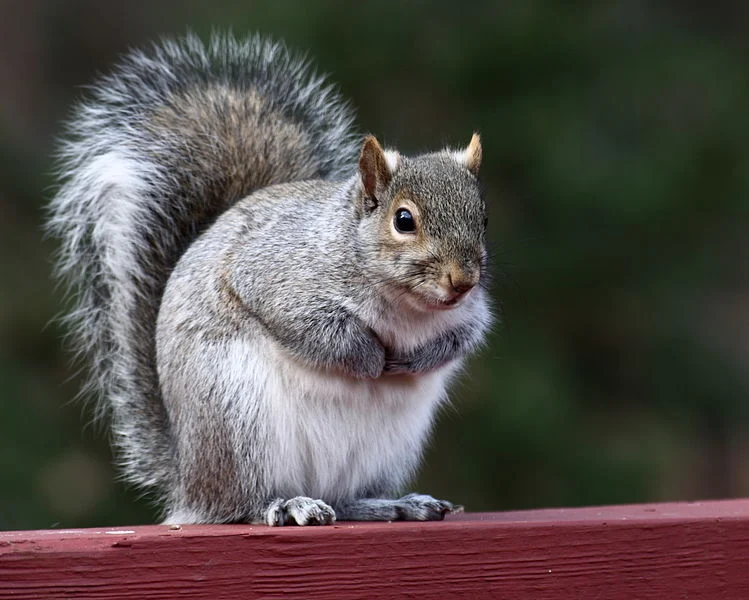
No, squirrels are not nocturnal. They're diurnal, meaning they are active during the day. Have you ever been woken up in the middle of the night by mysterious scurrying sounds, only to wonder if those pesky squirrels are up to no good while you're trying to catch some Zs? I’ve been there, staring at the ceiling and pondering if squirrels are nocturnal creatures plotting their next heist under the cover of darkness. Well, let’s dive right into it and settle this once and for all. Spoiler alert: those late-night noises probably aren’t from our furry friends! Squirrels, with their twitchy tails and acorn-obsessed antics, have a surprising schedule that just might align more with yours than you think. Key Takeaways Squirrels are diurnal, meaning they are active during the day. They follow a specific daily schedule with peak activity in the early morning and late afternoon. Understanding squirrel activity can help in managing encounters and preventing disruptions. What Does Nocturnal Mean? Alright, let's break this down. What exactly does it mean to be nocturnal? If you've ever stayed up late enough to hear the mysterious rustlings of the night, you've experienced a glimpse into the nocturnal world. Being nocturnal means being active during the night and resting during the day. It's the opposite of what most humans do (unless you’re a night owl or work the graveyard shift). Nocturnal animals have adapted to thrive in the darkness, relying on enhanced senses like night vision, keen hearing, and a superb sense of smell to navigate and hunt when the sun is down. Squirrel Activity Patterns So, if squirrels aren’t nocturnal, what’s their deal? Are they just lounging around all day, munching on acorns and plotting their next heist? Not quite. Squirrels are diurnal creatures, which means their lives are a bit more aligned with our own daylight schedules. Diurnal Behavior Being diurnal means that squirrels are active during the day and sleep at night. Unlike their nocturnal counterparts who prowl in the darkness, squirrels are busy little critters under the sun. They’ve evolved this way for a number of reasons, primarily because it suits their lifestyle and survival needs. Squirrel Schedules: A Day in the Life Ever wondered what it’s like to be a squirrel? These little furballs have a surprisingly structured daily routine. Let's dive into a typical squirrel day, from sunrise to sunset. Morning Routine When the first light of dawn peeks through the trees, squirrels are already on the move. Early mornings are bustling times for these energetic creatures. They kick off their day with some serious foraging. Whether it’s acorns, berries, or seeds, breakfast is all about gathering as much food as possible. You’ll see them scurrying across lawns, climbing trees, and leaping from branch to branch with impressive agility. This morning activity isn't just about finding food for immediate consumption. Squirrels are also in full prep mode, stashing away snacks in secret caches for future feasts. Their memory is remarkably sharp when it comes to locating these hidden treasures, though occasionally they forget, which leads to new trees growing from forgotten stashes. Talk about unintentional gardening! Midday Rest As the sun rises higher and the day warms up, squirrels slow down. The heat of the day isn’t the most comfortable time to be darting around. So, like any sensible creature, squirrels take a break. They retreat to their nests, known as dreys, which are usually nestled high in the trees. These dreys are cozy little havens made from twigs, leaves, and other natural materials, offering shade and protection. During this midday lull, squirrels might nap or simply rest, conserving energy for the next round of activity. You might spot them lounging on branches, looking like they’re just hanging out and enjoying the view. Afternoon Adventures As the day starts to cool off, squirrels get a second wind. Late afternoon is another prime time for action. Refreshed from their midday rest, they’re back to foraging and frolicking. This is also a time for social interactions. You might see them chasing each other in playful games or engaging in territorial displays. This period is crucial for gathering enough food to last through the night and into the next day. They revisit their food caches, check on their stored supplies, and continue to add to their collections. The hustle and bustle continue until the light begins to fade. Evening Retreat When dusk sets in, squirrels prepare for the night. They retreat to their dreys, ensuring they’re safe from nocturnal predators like owls and raccoons. Their nests, high up in the trees, offer a secure place to rest. Squirrels are meticulous about maintaining their nests, often adding new materials to keep them sturdy and insulated. As night falls, the day winds down for these diurnal creatures. They settle in, ready to rest and recharge for another day of adventures. Why Aren’t Squirrels Nocturnal? So, why have squirrels chosen the daylight for their adventures instead of the mysterious allure of the night? There are a few key reasons why these furry acrobats are diurnal, and it all comes down to evolution, safety, and sustenance. Evolutionary Reasons for Being Diurnal Squirrels have evolved over millions of years to be day-dwellers. Their ancestors likely found that being active during the day offered several advantages, helping them survive and thrive. Vision is a huge factor here. Squirrels have excellent daytime vision, allowing them to spot predators, find food, and navigate their arboreal playground with ease. Their eyes are adapted to detect colors and details in bright light, making them superbly suited for daytime activities. Predatory Risks at Night The night is filled with hidden dangers for squirrels. Nocturnal predators such as owls, foxes, and raccoons are on the prowl, and being active at night would make squirrels easy prey. By staying active during the day, squirrels can see these threats coming and take swift action to avoid them. The bright daylight provides a clear view of their surroundings, helping them stay one step ahead of danger. Food Availability During the Day Food plays a critical role in a squirrel’s decision to be diurnal. Many of the foods that squirrels love—like nuts, seeds, fruits, and berries—are easier to find and gather during the day. Daylight allows them to locate these resources efficiently, using their sharp vision to spot ripe fruits or detect the slight movement of a buried nut. Plus, many of their food sources are also diurnal, making it a match made in evolutionary heaven. Temperature and Energy Conservation Squirrels are also strategic about managing their energy and body temperature. Daytime activity allows them to take advantage of the warmth of the sun, especially in cooler climates. By being active when it’s warmest, they conserve energy that would otherwise be spent on maintaining body heat. Conversely, resting during the heat of midday helps them avoid overheating and conserves energy for more productive times of the day. Social Interactions Squirrels are social creatures, and much of their interaction happens during daylight hours. From playful chases to territorial displays, these interactions are essential for mating, establishing dominance, and maintaining social bonds. The daylight provides the perfect setting for these activities, ensuring that squirrels can see and be seen by their peers. In essence, squirrels have adapted to a diurnal lifestyle because it offers them the best chances for survival. Their vision, food sources, and social structures are all geared towards daytime activity, making the daylight hours their prime time for action. So next time you see a squirrel darting across your yard or leaping through the trees, remember that they’re perfectly designed for their sunlit escapades, leaving the night to other creatures of the dark. Fun Facts About Squirrel Behavior Squirrels are more than just cute, bushy-tailed acrobats. They have some fascinating behaviors that make them truly unique in the animal kingdom. Here are some fun and quirky facts about our diurnal friends that might surprise you. Super Squirrely Memory Despite their reputation for being a bit scatterbrained, squirrels have an impressive memory when it comes to locating their food caches. They use spatial memory and visual cues to remember where they’ve buried their nuts. Of course, they don’t remember every single stash, but they find enough to keep them well-fed through the seasons. The forgotten ones? Well, they often sprout into new trees, contributing to forest growth! Master Planners Squirrels are known for their cunning and strategic planning. They’ll often engage in deceptive behavior to throw off potential thieves. For example, if they sense another squirrel or predator watching, they might dig a fake hole and pretend to bury a nut, only to stash it in a safer location later. Talk about sneaky! High-Flying Acrobatics Squirrels are the daredevils of the animal world. They can leap distances up to ten times their body length and are capable of making mid-air adjustments to land perfectly on target. Their tails serve as rudders, helping them balance and steer while making these impressive jumps. Chatterboxes Squirrels have a surprisingly rich vocal repertoire. They communicate through a variety of sounds including chirps, squeaks, and even purrs. These vocalizations can signal alarm, establish territory, or even express curiosity. Their communication isn’t limited to sounds—squirrels also use tail flicks and body language to convey messages. Squirrel Superpowers Did you know that squirrels can rotate their ankles 180 degrees? This unique ability allows them to climb down trees headfirst, giving them a significant advantage when navigating their arboreal homes. Their sharp claws and flexible joints make them expert climbers, able to traverse vertical surfaces with ease. Cheeky Storage Units Squirrels’ cheeks aren’t just for show—they’re built-in grocery bags. These cheek pouches allow squirrels to carry multiple items at once, which is particularly handy when they’re foraging. They can stuff their cheeks with nuts and seeds and transport them back to their nests or storage sites. Eco-Friendly Gardeners Squirrels play a crucial role in their ecosystems as inadvertent gardeners. By burying nuts and seeds, they help with forest regeneration and plant propagation. The seeds they forget about can grow into new plants, contributing to the health and diversity of their habitats. Social Butterflies While some species of squirrels are solitary, others are quite social. Tree squirrels, for example, often engage in playful chasing and wrestling, which helps young squirrels develop their physical skills and social bonds. Ground squirrels are even more communal, living in colonies and working together to spot predators and protect their young. These fun facts highlight just how fascinating and intricate squirrel behavior can be. From their acrobatic feats to their clever food-stashing tactics, squirrels bring a lot of charm and complexity to our natural world. Next time you see a squirrel in action, you’ll know there’s a lot more going on behind those bright eyes and twitchy tails! Conclusion Squirrels, with their boundless energy and curious nature, add a delightful touch of wild charm to our daily lives. Understanding their diurnal habits, appreciating their unique behaviors, and learning how to coexist with them can enhance our appreciation for these fascinating creatures. From their early morning foraging to their high-flying acrobatics and strategic food stashing, squirrels have adapted beautifully to a life under the sun. Knowing that they are not nocturnal but rather active during the day helps us better understand and interact with them. By taking steps to squirrel-proof our homes, protect our gardens, and enjoy their antics from a respectful distance, we can ensure that our coexistence is both peaceful and enjoyable. So, next time you see a squirrel darting across your yard or leaping through the trees, take a moment to appreciate their incredible adaptability and the playful spirit they bring to our world. Remember, these little critters play a significant role in our ecosystems, often acting as unintentional gardeners and contributing to forest growth. By fostering a harmonious relationship with them, we can enjoy the benefits of having squirrels around while minimizing the challenges they sometimes present. So, embrace the cheeky, bushy-tailed neighbors in your midst, and let their presence remind you of the vibrant, interconnected world we share. After all, life is a bit more lively and entertaining with a few squirrels in the mix!
- Brian Moss (President)
- AAAC Wildlife Removal
12/06/2024
Total words : 2060
How Do You Handle Raccoons: Safe and Ethical Methods
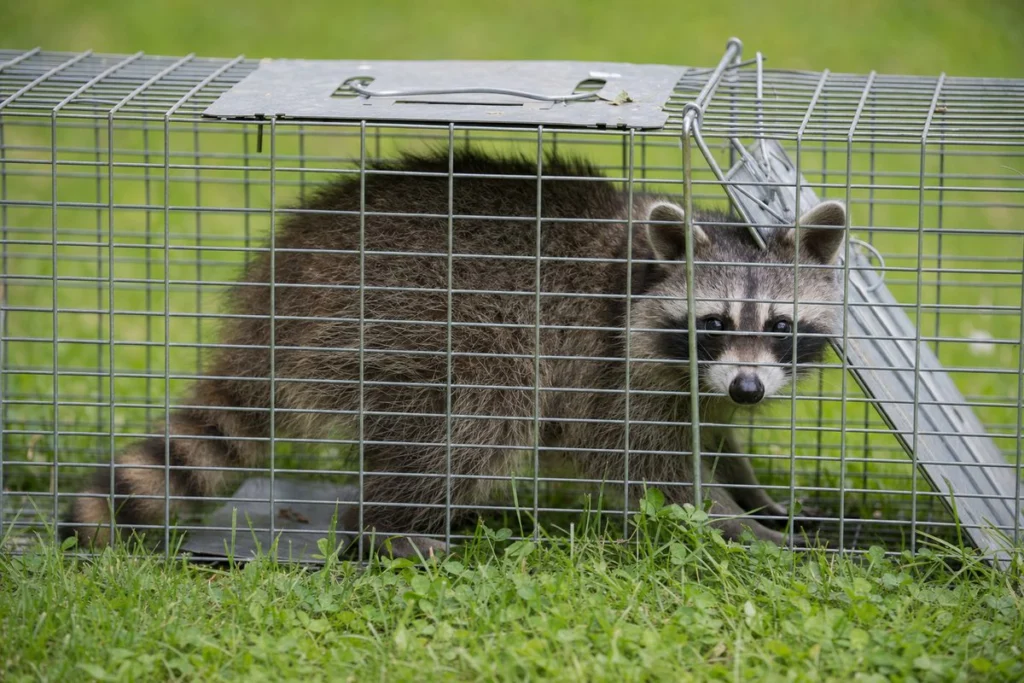
The best way to deal with raccoons is not by poisoning them. Raccoons can be cute, but when they start rummaging through your trash or setting up camp in your attic, they become less adorable and more of a nuisance. If you've ever wondered, "How do you poison a raccoon?" I'm here to tell you why that's not the best idea and offer some better alternatives. Picture this: it's 2 AM, and you're jolted awake by the sound of clanging metal and the unmistakable rattle of a raccoon party in your garbage cans. Annoying? Absolutely. But before you reach for a quick and drastic solution like poison, let's take a step back and consider the bigger picture. Poisoning raccoons is not only illegal and dangerous but also inhumane. There are more effective, humane ways to deal with these furry intruders that don't involve breaking the law or harming other animals. In this article, we'll dive into why poisoning is a bad idea, explore the fascinating behavior of raccoons, and share some tried-and-true methods to keep them out of your hair (and your trash). So, grab a cup of coffee (or maybe something stronger if it's been a particularly raccoon-filled night) and let's tackle this problem together. Because trust me, there's a better way to handle our masked visitors. Key Takeaways Poisoning raccoons is illegal and dangerous. Humane and effective alternatives exist. Understanding raccoon behavior can help in deterring them. Why Poisoning Raccoons is a Bad Idea Illegal and Inhumane First things first: poisoning raccoons is not only a terrible idea, but it’s also illegal in many places. Wildlife protection laws are in place for a reason. These animals, even when they're being a nuisance, are part of our ecosystem. Poisoning them can lead to severe penalties, including hefty fines and potential jail time. Beyond the legal implications, there's the ethical side to consider. Poisoning is a slow, painful, and inhumane way for any animal to die. We have a responsibility to treat wildlife with respect and to look for humane solutions to our problems. Danger to Other Animals When you set out poison for raccoons, it's not just the raccoons at risk. Pets, like dogs and cats, and other wildlife can easily ingest the poison, leading to unintended and often tragic consequences. Imagine your neighbor's beloved pet or even your own furry friend falling victim to the poison meant for raccoons. It’s a heartbreaking scenario that is all too possible. Environmental Impact The poison doesn’t just stop at the raccoon. If a poisoned raccoon is eaten by another animal, such as a hawk or a fox, the poison can be passed up the food chain, causing a ripple effect of death and suffering among local wildlife. Additionally, poison can seep into the ground, contaminating soil and water sources, and potentially harming plants and other organisms in the ecosystem. The environmental impact of using poison can be widespread and devastating, far outweighing the inconvenience of a raccoon rummaging through your trash. Instead of turning to such harmful methods, let's explore some better ways to handle our raccoon problem. By understanding these masked bandits a bit better, we can find more effective and humane solutions to keep them at bay. Understanding Raccoon Behavior Why Raccoons Invade So, why do raccoons keep showing up at your place like uninvited guests to a party? The answer is simple: food and shelter. Raccoons are opportunistic feeders, meaning they’ll eat just about anything they can get their little paws on. If your trash cans are easily accessible, or if you leave pet food outside, you’re basically rolling out the red carpet for them. Additionally, raccoons seek out cozy, safe spots to nest, especially during breeding season. Your attic, basement, or even your porch could look like prime real estate to a raccoon looking for a place to call home. Raccoon Habits Raccoons are nocturnal creatures, which means they’re most active at night. This can make them seem even more mysterious and troublesome since their antics usually occur while you’re sleeping. They have incredibly dexterous front paws, which allow them to open doors, jars, and, yes, your trash cans with ease. These critters are also highly intelligent and adaptable, which is why simple deterrents might not always work. They learn quickly and can figure out how to bypass many of the obstacles we set up to keep them out. Social Structure and Communication Raccoons are typically solitary animals, but they do communicate and can be quite social when necessary. They use a variety of vocalizations, body language, and scent markings to communicate with each other. Understanding this can help you recognize when a raccoon is just passing through or when it has decided to settle in your area. If you hear chattering, growling, or purring sounds at night, chances are there’s a raccoon nearby, either looking for food or trying to establish a territory. By getting a better grasp of why raccoons do what they do, we can develop strategies that target their specific behaviors and needs. This not only makes our efforts more effective but also ensures that we are treating these animals humanely and with the respect they deserve. Humane Alternatives to Poisoning Securing Food Sources The first step in keeping raccoons at bay is to eliminate their food supply. Here are some practical tips to make your property less appealing to these furry intruders: Raccoon-Proof Trash Cans: Invest in heavy-duty trash cans with secure lids that raccoons can’t easily open. Bungee cords can add an extra layer of security. Store Pet Food Indoors: Feeding your pets outside is an open invitation for raccoons. Keep pet food indoors and clean up any spills immediately. Compost Piles: If you compost, make sure your compost pile is well-secured. Use a raccoon-proof compost bin or regularly turn the pile to discourage raccoons from digging through it. Physical Barriers Creating physical barriers can effectively keep raccoons out of specific areas. Here’s how: Fencing: Install a sturdy fence around your garden or yard. Ensure it’s at least four feet high and buried a foot underground to prevent raccoons from climbing over or digging under. Raccoon Baffles: If you have bird feeders, use raccoon baffles to prevent them from climbing up the poles. These can be purchased or DIYed with some basic materials. Seal Entry Points: Carefully inspect your home for any potential entry points, such as gaps in the roof, vents, or foundation cracks. Use steel mesh or hardware cloth to seal these areas securely. Deterrents and Repellents There are various deterrents and repellents you can use to make your property less appealing to raccoons: Natural Repellents: Raccoons dislike strong smells like ammonia, peppermint oil, or vinegar. Soak rags in these substances and place them around areas where raccoons are active. Motion-Activated Devices: Install motion-activated lights, sprinklers, or noise makers. These devices startle raccoons and make your yard less inviting. Ultrasonic Repellents: These devices emit a high-frequency sound that’s annoying to raccoons but inaudible to humans. Place them around your yard to keep raccoons at bay. Long-Term Solutions and Professional Help Habitat Modification Making your property less attractive to raccoons is a long-term strategy that can help prevent future infestations. Here are some tips to modify your habitat: Landscaping: Keep bushes and trees trimmed, especially those close to your house. Overgrown vegetation provides cover for raccoons and easy access to roofs and attics. Remove Potential Shelters: Clear out woodpiles, debris, and other potential nesting sites from your yard. If you have a shed or outbuilding, ensure it is securely closed. Secure Bird Feeders: While it’s nice to feed the birds, raccoons often see bird feeders as an easy food source. Use raccoon-proof bird feeders and clean up any spilled seed regularly. When to Call a Professional Sometimes, despite your best efforts, raccoons can be particularly persistent. In such cases, it may be time to call in professional help. Here’s when you should consider this option: Persistent Problems: If raccoons continue to invade your property despite your efforts, a professional can assess the situation and offer more advanced solutions. Infestation Signs: If you notice multiple raccoons or signs of a large infestation (such as extensive damage or droppings), a professional wildlife control expert can help manage the situation safely. Safety Concerns: If you ever feel unsafe dealing with raccoons or if they are behaving aggressively, it’s best to leave it to the professionals. Choosing a Humane Wildlife Control Service When selecting a wildlife control service, it’s important to choose one that uses humane methods. Here are some tips to ensure you’re making the right choice: Check Credentials: Ensure the company is licensed and has good reviews from other customers. Ask About Methods: Inquire about the techniques they use to handle raccoons. Humane methods should focus on exclusion, relocation, and habitat modification rather than lethal control. Follow-Up Services: A good wildlife control service will offer follow-up visits to ensure the raccoons have not returned and to help you implement long-term prevention strategies. Conclusion Dealing with raccoons can be a challenge, but poisoning them isn't the answer. By understanding their behavior and using humane deterrents, you can keep these masked bandits at bay. Remember, the goal is to coexist peacefully with wildlife while protecting your home and garden. Poisoning raccoons might seem like a quick fix, but the long-term consequences far outweigh any short-term benefits. Not only is it illegal and inhumane, but it also poses significant risks to other animals and the environment. Instead, by securing food sources, setting up physical barriers, and using deterrents, you can effectively keep raccoons out without causing harm. Understanding raccoon behavior helps in devising more effective strategies. These intelligent creatures are simply looking for food and shelter, and by making your property less attractive to them, you can encourage them to move on. And when your efforts aren't enough, don't hesitate to call in professionals who use humane methods. So, the next time you hear the unmistakable sounds of raccoons rummaging through your trash, remember: there's a better way to handle the situation. Together, we can find solutions that respect both our space and the wildlife that share it with us.
- Brian Moss (President)
- AAAC Wildlife Removal
12/04/2024
Total words : 1711
Do Copperhead Snakes Climb Trees? Surprising Arboreal Habits
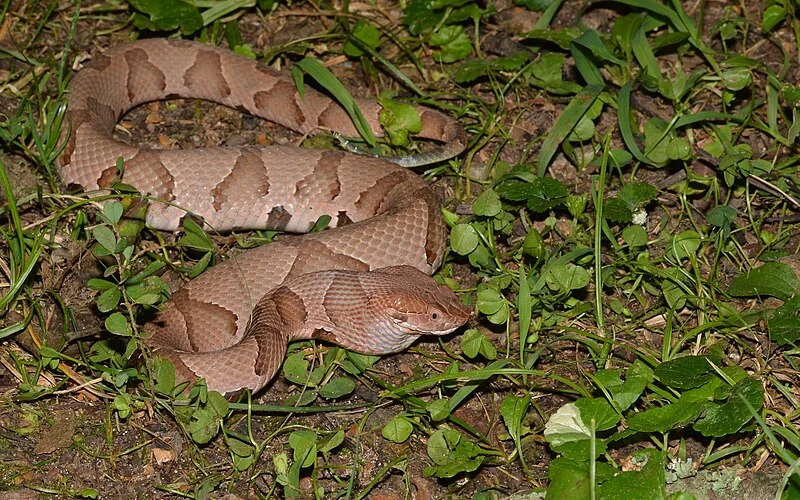
Yes, Copperhead snakes can climb trees. They are often seen in low branches, seeking prey or sunbathing. Key Takeaways Copperhead snakes are primarily ground-dwelling but can climb trees when necessary. They use their muscular bodies to ascend low branches and shrubs for hunting, escaping threats, or regulating body temperature. Climbing behavior in copperheads is relatively rare but documented through instances and expert testimonials. Awareness and safety measures are crucial for those in copperhead-inhabited areas to minimize the risk of encounters. AAAC Wildlife Removal offers knowledge and services to promote safe and respectful interactions with wildlife. Copperhead snakes, known scientifically as Agkistrodon contortrix, are a fascinating species native to North America. Recognizable by their distinctive copper-colored heads and patterned bodies, these snakes often provoke both curiosity and caution among those who encounter them. Typically found in wooded areas, rocky hillsides, and near water sources, copperheads are skilled at blending into their surroundings, making them intriguing subjects for nature enthusiasts and herpetologists alike. However, a question that often arises is whether these ground-dwelling serpents possess the ability to climb trees, adding an element of surprise to their already enigmatic behavior. Exploring the climbing capabilities of copperhead snakes not only satisfies a natural curiosity but also holds practical implications for safety and wildlife understanding. If these snakes can indeed ascend trees, it could alter how people perceive and interact with their environment, especially in regions where copperheads are prevalent. At AAAC Wildlife Removal, we are dedicated to providing comprehensive information and safe solutions for dealing with wildlife encounters. This article delves into the behaviors, anatomical features, and documented instances that reveal whether copperhead snakes climb trees, offering valuable insights for those sharing their habitat with these captivating creatures. Copperhead Snake Behavior and Habitat Copperhead snakes are primarily nocturnal, becoming especially active during the warmer months. They are ambush predators, relying on their camouflage to remain unseen while they wait for prey such as rodents, birds, frogs, and insects. Their hunting strategy involves lying motionless and striking quickly when an unsuspecting prey comes within reach. This sit-and-wait tactic is facilitated by their heat-sensing pits located between the eyes and nostrils, which allow them to detect warm-blooded animals even in the dark. These snakes thrive in a variety of habitats, including deciduous forests, rocky hillsides, wetlands, and areas near streams and rivers. Copperheads are also known to inhabit suburban areas, where they can sometimes be found in gardens, under porches, or in woodpiles. Their adaptability to different environments is a key factor in their widespread presence across the eastern and central United States. Despite their adaptability, copperheads prefer areas with ample cover and moisture, which helps them regulate their body temperature and remain hidden from predators. Climbing Abilities of Copperhead Snakes While copperhead snakes are predominantly ground dwellers, their physical capabilities do not entirely preclude them from climbing. Anatomically, copperheads possess strong, muscular bodies that can support their weight when climbing. Unlike some other snakes that are more adept at climbing, such as rat snakes, copperheads lack the specialized scales that provide additional grip. However, their climbing ability is not entirely absent and they can ascend low shrubs, rock piles, and occasionally, trees. Comparative studies with other snake species reveal that copperheads have a moderate ability to climb, often driven by specific needs such as hunting or escaping threats. For instance, rat snakes, which share similar habitats, are excellent climbers and often ascend trees to hunt for birds and their eggs. Copperheads, while not as proficient, may climb to reach prey, avoid predators, or explore their surroundings. Expert opinions suggest that while tree climbing is not a common behavior for copperheads, it is within their physical capabilities, especially in environments that necessitate such actions. Documented Instances and Evidence Although copperhead snakes are not renowned for their climbing abilities, there have been several documented instances and anecdotal reports of these snakes found in trees or elevated locations. Wildlife biologists and herpetologists have occasionally observed copperheads resting on low branches or entwined in shrubs. Such observations are typically rare and often surprise those who encounter these snakes in such unexpected places. Photographic and video evidence, while not abundant, does exist and supports these claims. For instance, a few wildlife enthusiasts and researchers have captured images of copperhead snakes coiled in low-hanging branches, seemingly comfortable in their elevated perches. Additionally, testimonials from herpetologists indicate that while copperhead snakes do not frequently climb, they are capable of doing so when motivated by certain factors. These instances, though not the norm, provide compelling evidence that copperheads possess the ability to climb, albeit not as proficiently as some other snake species. Reasons and Purposes for Climbing Understanding why copperhead snakes might climb trees involves examining their behavior and survival strategies. One primary reason for climbing is the pursuit of prey. Copperheads are opportunistic feeders, and if a potential meal is located in an elevated position, they may climb to capture it. This behavior is particularly likely in environments where prey such as birds, small mammals, or insects are accessible in low branches or shrubs. Another reason for climbing is to escape from predators or environmental threats. Climbing can provide a temporary refuge from ground-based dangers, such as larger predators or human activity. Additionally, copperheads might climb to regulate their body temperature, seeking warmer or cooler spots as needed. Trees and shrubs can offer such microhabitats, allowing the snakes to thermoregulate more effectively. Finally, climbing can be part of exploratory behavior, as copperheads navigate their environment to find suitable habitats or breeding grounds. These factors collectively explain why, despite their primarily terrestrial nature, copperhead snakes occasionally venture into the trees. Safety Considerations for Humans Understanding the climbing abilities of copperhead snakes is crucial for ensuring safety, especially for those living in or visiting areas where these snakes are common. While it is rare to encounter a copperhead in a tree, being aware of this possibility can help prevent unexpected encounters. For hikers and campers, it is advisable to stay alert and avoid placing hands or feet on tree branches or shrubs without first checking for the presence of snakes. Always use a flashlight when navigating through wooded areas at night to spot any potential dangers. Homeowners should take precautions to minimize the likelihood of copperheads entering their yards or homes. Keeping gardens and yards well-maintained, with grass trimmed and debris cleared, can reduce hiding spots for snakes. Installing snake-proof fencing and sealing any gaps or holes in the exterior of homes can further deter these reptiles from entering living spaces. If you encounter a copperhead snake in a tree or elsewhere, it is best to keep a safe distance and contact a professional wildlife removal service, such as AAAC Wildlife Removal, to handle the situation safely and humanely. Conclusion Copperhead snakes, while primarily ground-dwelling, do possess the ability to climb trees, though this behavior is not commonly observed. Their muscular bodies and opportunistic nature allow them to ascend low branches and shrubs when necessary, whether for hunting prey, escaping threats, or regulating their body temperature. Documented instances and expert testimonials provide evidence of their climbing capabilities, although these occurrences are relatively rare. For those living in or exploring areas inhabited by copperheads, understanding their behavior and taking appropriate safety measures is essential. By staying informed and vigilant, humans can coexist with these fascinating snakes while minimizing the risk of unexpected encounters. At AAAC Wildlife Removal, we are dedicated to providing the knowledge and services needed to ensure safe and respectful interactions with wildlife.
- Brian Moss (President)
- AAAC Wildlife Removal
12/02/2024
Total words : 1251
How Do I Get Rid Of A Woodpecker: Tips And Tricks
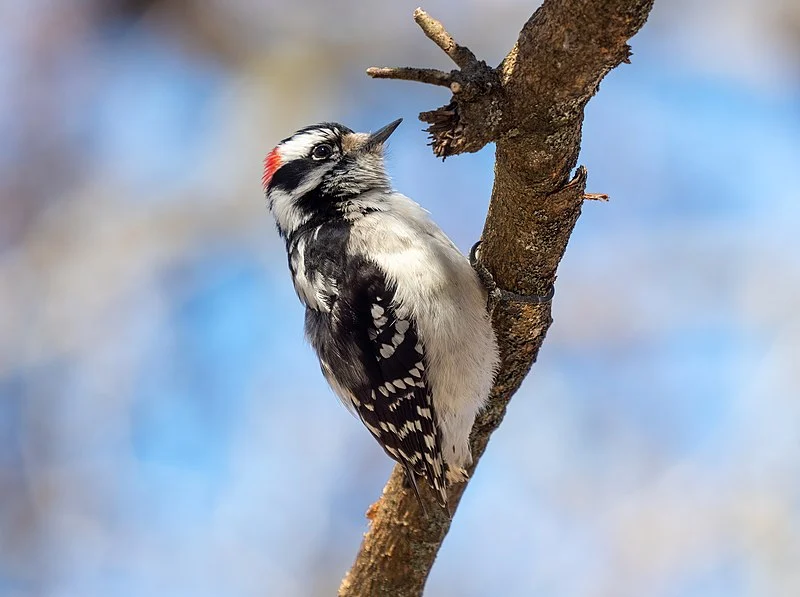
To get rid of a woodpecker, you can use visual deterrents like shiny objects, predator decoys, or wind chimes to scare it away. Additionally, applying taste aversion products or installing bird netting around the affected area can effectively prevent woodpeckers from causing further damage. Key Takeaways Understand woodpecker behavior to effectively protect your property. Combine immediate deterrents, like loud noises and shiny objects, with long-term measures, such as repairing rotten wood and installing bird netting. Ensure all methods used are humane and comply with wildlife protection laws. Address underlying issues like insect infestations to prevent attracting woodpeckers. Expert advice and solutions, like those from AAAC Wildlife Removal, can assist in managing woodpecker problems. Patience and persistence are essential for creating a woodpecker-free environment. Woodpeckers, with their distinctive drumming sounds, are fascinating birds that play a crucial role in our ecosystem. However, when they start pecking on your house, trees, or other property, they can quickly become a nuisance. Not only can their persistent pecking cause significant structural damage, but it can also be quite noisy and disruptive. If you're dealing with an unwelcome woodpecker, you're likely searching for effective ways to deter these birds without causing them harm. At AAAC Wildlife Removal, we understand the challenges that come with managing wildlife on your property. Our team of experts is dedicated to providing humane and practical solutions to help you get rid of woodpeckers. From immediate deterrents like making loud noises and hanging shiny objects, to long-term preventive measures such as fixing rotten wood and providing alternative food sources, we've got you covered. Our tips and tricks are designed to protect your property while respecting the natural behaviors of these birds. Understanding why woodpeckers are attracted to your property is the first step in addressing the problem. By learning more about their habits and needs, you can implement strategies that will not only resolve the current issue but also prevent future occurrences. Let's dive into the world of woodpecker deterrence and find the best solutions for keeping your home and garden woodpecker-free with the help of AAAC Wildlife Removal. Understanding Woodpecker Behavior Woodpeckers are unique creatures with specific behaviors that can sometimes lead to conflicts with humans. To effectively deter them, it's essential to understand why they are attracted to your property in the first place. Woodpeckers peck on surfaces for several reasons. Primarily, they search for food, often pecking on wood to find insects hiding beneath the surface. If your home or trees have an insect infestation, woodpeckers will be naturally drawn to these areas. During the breeding season, woodpeckers create cavities in wood to lay their eggs and raise their young. These cavities can be found in dead trees, wooden structures, or even the siding of your home. Additionally, woodpeckers use their pecking to establish territory and communicate with other birds. This behavior, known as drumming, is often heard in the early morning and can be quite loud. Understanding these behaviors is the first step in finding effective and humane solutions to deter woodpeckers from causing damage to your property. Immediate Solutions to Deter Woodpeckers When dealing with a woodpecker problem, it's important to act quickly to prevent further damage. Here are some immediate solutions you can implement to deter woodpeckers: Make Loud Noises One of the simplest ways to scare away woodpeckers is to make loud noises. This can be done by clapping your hands, banging pots and pans, or using a noise-making device like an air horn. The sudden, unexpected noise can startle the bird and discourage it from returning. Place a Fake Bird of Prey on Your Property Woodpeckers are naturally wary of predators. Placing a decoy, such as an owl or hawk, can effectively deter them. Ensure the fake bird is realistic and move it occasionally to maintain the illusion of a real predator. Put Wind Chimes Up Wind chimes can serve as both a visual and auditory deterrent. The sound and movement of the chimes can make the area less appealing to woodpeckers. Place wind chimes near the areas where woodpeckers are most active for the best results. Visual Deterrents Using visual deterrents is another effective way to keep woodpeckers at bay. Here are some methods that rely on sight to scare away these birds: Hang Up Shiny Objects Reflective objects can disorient and scare woodpeckers. Hang items like aluminum foil strips, old CDs, or reflective tape near the areas they frequent. The sunlight reflecting off these objects will create an unsettling environment for the birds. Set Up a Pinwheel Pinwheels combine movement and reflection, making them excellent deterrents. Place colorful, reflective pinwheels around your property, especially near areas with woodpecker activity. The spinning motion and glinting light can keep woodpeckers from feeling comfortable. By implementing these immediate solutions and visual deterrents, you can start protecting your property from woodpecker damage right away. Remember, consistency is key—regularly changing and moving deterrents will enhance their effectiveness. Long-term Preventive Measures While immediate solutions can provide quick relief, long-term preventive measures are crucial to ensuring woodpeckers do not return. By addressing underlying issues and making your property less attractive to these birds, you can prevent future problems. Get Rid of Insect Infestations Insects are a primary food source for woodpeckers. If your property has an insect infestation, it's likely to attract these birds. Regularly inspect your home and garden for signs of insect activity and take appropriate measures to control and eliminate pests. Using professional pest control services can ensure thorough and effective treatment. Provide Different Food Sources Offering alternative food sources can distract woodpeckers from your home. Set up bird feeders stocked with suet, nuts, and seeds away from the areas where woodpeckers have been causing damage. This can redirect their attention and reduce their pecking behavior on your property. Fix Rotten Wood Rotten or decayed wood is easier for woodpeckers to peck through and can attract insects, further enticing the birds. Regularly inspect and repair any rotten wood on your property. Replace damaged wood with treated or harder wood types that are less attractive to woodpeckers. Restrict Access to Certain Areas with Bird Netting Bird netting is an effective way to protect specific areas from woodpecker damage. Install netting over vulnerable parts of your home, such as eaves, siding, and rooftops. Ensure the netting is taut and securely fastened to prevent woodpeckers from getting through. Plug Holes with Wood Putty If woodpeckers have already created holes in your home, it's important to repair them promptly. Use wood putty to fill in the holes and prevent further damage. Once the putty has dried, sand it smooth and paint over it to match the surrounding surface. This will not only deter woodpeckers but also restore the appearance of your property. Humane and Safe Practices When dealing with wildlife, it's essential to use humane and safe practices. Here are some guidelines to ensure your methods are effective and ethical: Emphasize the Importance of Humane Solutions Woodpeckers are protected by various wildlife conservation laws. It's important to use non-lethal methods to deter them. Humane solutions not only comply with legal requirements but also respect the role woodpeckers play in the ecosystem. Legal Considerations and Wildlife Protection Laws Before implementing any deterrent methods, familiarize yourself with local wildlife protection laws. Some species of woodpeckers are protected, and harming them can result in legal penalties. Ensure that your methods are compliant with these regulations. Tips for Safely Handling Direct Encounters If you have a direct encounter with a woodpecker, it's important to handle the situation carefully: Do Not Harm the Bird: Use non-lethal methods to scare the bird away. Use Protective Gear: If you need to remove a woodpecker from your property, wear gloves and protective clothing. Call a Professional: For persistent problems or if you're unsure how to handle the situation, contact a wildlife removal expert like AAAC Wildlife Removal for assistance. By following these humane and safe practices, you can effectively deter woodpeckers while ensuring their well-being and compliance with legal regulations. These long-term preventive measures will help maintain a woodpecker-free environment on your property. Conclusion Dealing with woodpeckers can be a challenging and frustrating experience, but with the right strategies, it is possible to protect your property while respecting these important birds. By understanding woodpecker behavior and implementing a combination of immediate deterrents and long-term preventive measures, you can effectively keep woodpeckers at bay. Solutions such as making loud noises, hanging shiny objects, and using decoy predators offer quick relief, while addressing insect infestations, repairing rotten wood, and installing bird netting provide lasting protection. Remember to always use humane and legal methods to deter woodpeckers, ensuring compliance with wildlife protection laws. At AAAC Wildlife Removal, we are committed to helping you manage wildlife issues with expert advice and effective solutions. With patience and persistence, you can create a woodpecker-free environment and enjoy the peace of mind that comes with knowing your home is protected.
- Brian Moss (President)
- AAAC Wildlife Removal
11/29/2024
Total words : 1487
Are Snakes Carnivores? Exploring the Diet of Serpents
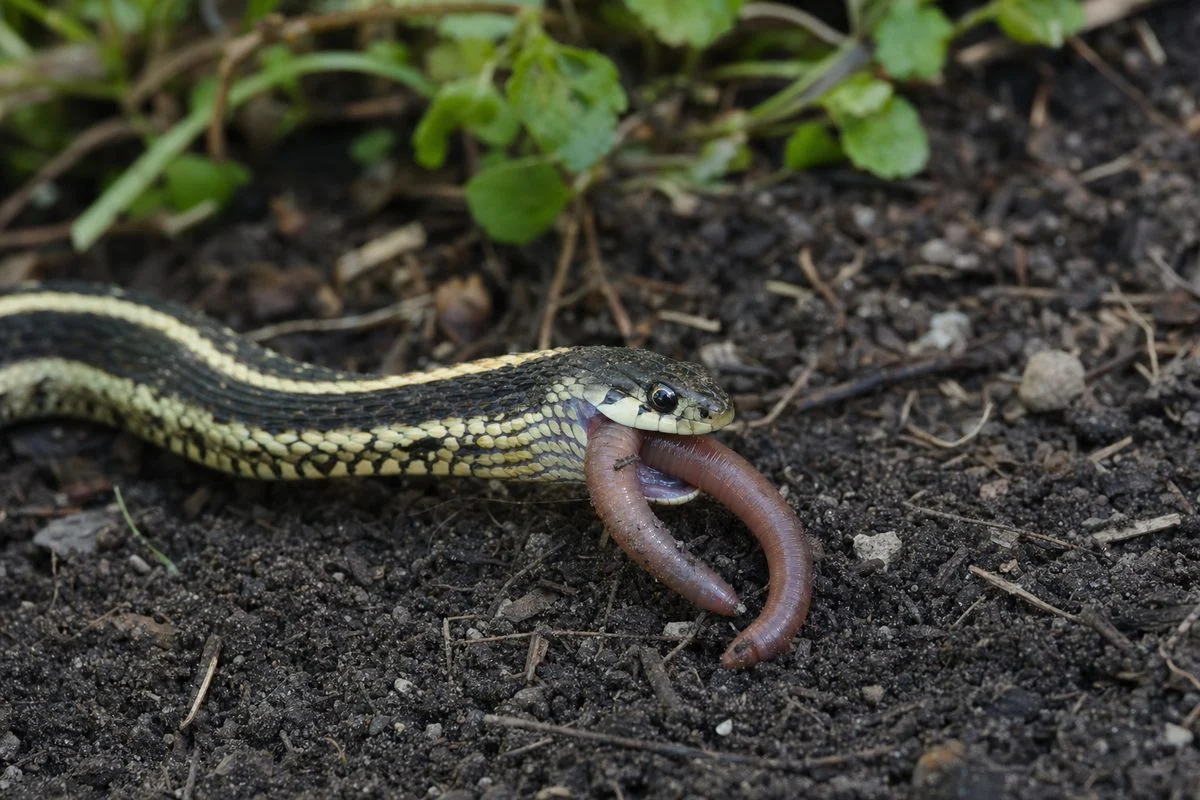
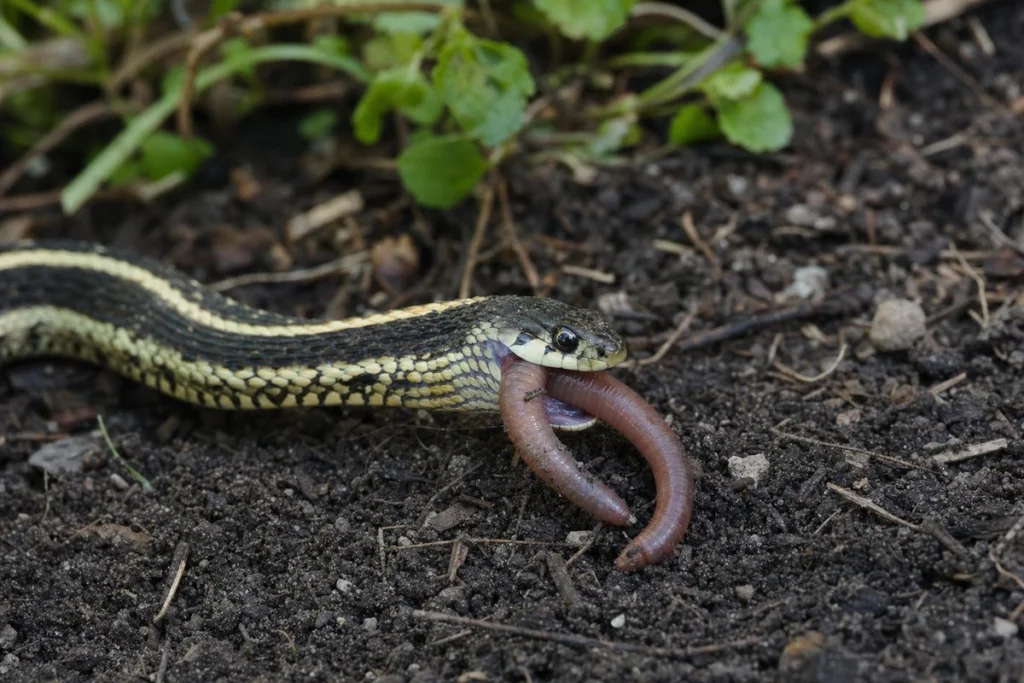
Yes, snakes are carnivores. They primarily feed on other animals, such as rodents, birds, and insects, depending on their species and habitat. Key Takeaways Snakes are predominantly carnivores, thriving on a diet of animal prey. They possess unique anatomical and physiological adaptations that make them efficient predators. Their diet ranges from insects and amphibians to larger mammals and birds. Occasional dietary deviations are exceptions rather than the rule. Debunking misconceptions about snake diets fosters a deeper understanding and appreciation of these reptiles. Providing a diet that mirrors their natural feeding habits is crucial for pet snakes' health and well-being. Understanding snake behavior and dietary needs is essential for both wild and captive snakes. When you think of a snake's diet, what comes to mind? Perhaps images of slithering hunters devouring their prey whole, fangs piercing through fur and feathers. Snakes have long captivated our imagination and curiosity, partly due to their mysterious and often misunderstood eating habits. But are snakes strictly carnivores, or do their diets include more variety than we might expect? At AAAC Wildlife Removal, we encounter these fascinating reptiles frequently and have a deep understanding of their behaviors and dietary needs. In this article, we'll dive deep into the dietary world of snakes to uncover the truth. From their unique anatomical adaptations that make them efficient predators to the diversity of their prey across different species, we'll explore the intricate details of what snakes eat and why. So, whether you're an animal enthusiast, a curious reader, or a pet snake owner, join us on this journey to answer the question: Are snakes carnivores? Understanding Carnivory Definition of Carnivory Carnivory is a dietary habit characterized by the consumption of animal flesh. Carnivores are animals that primarily eat other animals, relying on meat as their main source of nutrients. This dietary strategy is seen across various species, from large predators like lions and wolves to smaller ones like spiders and mantises. To understand the concept better, let's look at a few well-known carnivores. Lions, often called the kings of the jungle, hunt and consume large herbivores such as zebras and antelopes. Wolves, working in packs, bring down animals like deer and elk. Even in the insect world, the praying mantis preys on other insects with its swift and deadly strikes. These examples illustrate the wide range of animals that have adapted to a carnivorous lifestyle, using various hunting and feeding strategies to survive. Snake Physiology and Diet Snake Anatomy Snakes possess unique anatomical features that make them highly effective predators. Their flexible jaws, for instance, allow them to consume prey much larger than their head. This adaptation is due to the presence of highly stretchable ligaments in their jaw structure, enabling them to open their mouths wide and swallow prey whole. Additionally, snakes have backward-facing teeth that grip and hold onto their prey, preventing escape. Diet and Nutritional Needs The nutritional requirements of snakes are met primarily through their carnivorous diet. They rely on protein and fat obtained from their prey to maintain their health, grow, and reproduce. Unlike herbivores or omnivores, snakes do not need to process fibrous plant material, which simplifies their digestive systems. This allows them to focus entirely on extracting nutrients from animal flesh. Snakes have evolved to be efficient hunters, with some species specializing in specific types of prey. For example, a garter snake might feed on small amphibians and fish, while a python targets larger mammals. This specialization ensures that each species can thrive in its particular habitat, utilizing available food resources to their advantage. In summary, snakes are anatomically and physiologically designed to be carnivores. Their unique jaw structure and digestive system are perfectly suited to a diet consisting mainly of other animals, highlighting their role as effective and specialized predators in the animal kingdom. Are Snakes Carnivores? Generally speaking, snakes are indeed carnivores. They predominantly rely on a diet of other animals, ranging from small insects and amphibians to larger mammals and birds. This carnivorous behavior is evident in the vast majority of snake species, which have evolved various hunting and feeding strategies to capture and consume their prey. For instance, a small garter snake might hunt insects, earthworms, and small amphibians, while a large python could prey on mammals such as rodents, birds, and even deer. Some snakes, like the king cobra, are specialized in hunting other snakes. Despite this overwhelming tendency towards carnivory, there are occasional deviations. Some species have been observed consuming eggs or carrion, which shows a slight degree of dietary flexibility. However, these occurrences are exceptions rather than the norm. Overall, the evidence strongly supports that snakes are primarily carnivorous, utilizing their anatomical and physiological adaptations to thrive on a meat-based diet. Misconceptions About Snake Diets There are several common misconceptions about snake diets that need addressing. One prevalent myth is that snakes might eat fruits or vegetables. This belief likely stems from misunderstandings or anecdotal reports, but it is not supported by scientific evidence. Snakes lack the necessary digestive adaptations to process plant material efficiently. Another misconception is that all snakes are dangerous predators of large mammals or even humans. In reality, most snake species prey on much smaller animals and pose no significant threat to humans. Cultural depictions of snakes, such as in folklore and media, often exaggerate their feeding habits and behaviors, leading to unfounded fears and myths. Additionally, some people believe that snakes can go for long periods without eating, which, while true for certain species that can fast for extended durations, does not apply universally. Each snake species has its own specific dietary needs and feeding frequency. Dispelling these misconceptions is crucial for fostering a better understanding and appreciation of snakes and their role in the ecosystem. Importance of Diet in Captivity When it comes to keeping snakes as pets, providing an appropriate diet is crucial for their health and well-being. Unlike their wild counterparts, captive snakes rely entirely on their owners to meet their dietary needs. It is essential to replicate their natural diet as closely as possible. For most pet snakes, this means feeding them appropriately sized rodents, such as mice or rats, which are readily available from pet stores. It's important to note that feeding live prey can be risky as it may harm the snake, so many owners opt for pre-killed or frozen-thawed prey. Additionally, some snake species might require more specialized diets, such as birds, fish, or amphibians. Ensuring that the diet is nutritionally balanced and varied is key to preventing health issues. Regular feeding schedules, appropriate portion sizes, and clean water are also vital components of proper snake care. By understanding and meeting the dietary needs of their snakes, pet owners can help ensure their pets lead healthy and thriving lives in captivity. Conclusion In summary, snakes are predominantly carnivores, designed by nature to thrive on a diet of animal prey. Their unique anatomical and physiological adaptations make them efficient predators, capable of consuming a wide range of animals, from insects and amphibians to larger mammals and birds. While occasional dietary deviations occur, they are exceptions rather than the rule. Addressing and debunking common misconceptions about snake diets helps in fostering a deeper understanding and appreciation of these fascinating reptiles. For those keeping snakes as pets, providing a diet that closely mirrors their natural feeding habits is crucial for their health and well-being. At AAAC Wildlife Removal, we have seen firsthand the importance of understanding snake behavior and dietary needs, both in the wild and in captivity. We hope this article has shed light on the question, "Are snakes carnivores?" and inspired a greater appreciation for these remarkable creatures.
- Brian Moss (President)
- AAAC Wildlife Removal