
- Brian Moss (President)
- AAAC Wildlife Removal
08/28/2024 Total words : 2691
Bat Guano in Attics – Safety and Removal Tips
Bat guano in your attic poses serious health risks, but with the right safety tips and removal techniques, you can handle it efficiently Ever had that eerie feeling that something’s lurking above your head? You’re not alone. Imagine this: you're comfortably nestled in your living room, but unbeknownst to you, there’s a growing problem right above you in the attic—bat guano. Yup, bat poop. While bats themselves are fascinating creatures, their guano is a different story. It’s not just a stinky nuisance; it’s a health hazard that needs your immediate attention. Why should you care? Well, aside from the unpleasant odor and the mess, bat guano can harbor dangerous pathogens that pose serious health risks to you and your family. If you’ve recently discovered a pile of guano in your attic or are concerned about a bat problem, you’re in the right place. This article will dive deep into the nitty-gritty of bat guano, including the health risks, safety measures, and foolproof removal tips to help you tackle this problem head-on. We’ll also share some savvy prevention tips to keep those winged critters from turning your attic into their personal restroom again. So, roll up your sleeves, grab your safety gear, and let’s get to work—your attic isn’t going to clean itself! Key Takeaways Bat guano in attics poses serious health hazards, including diseases like Histoplasmosis. Proper safety precautions, such as wearing protective gear and ensuring good ventilation, are essential when dealing with bat guano. Following a step-by-step guide can help you safely and effectively remove bat guano from your attic. Implementing measures to seal entry points and bat-proof your attic can prevent future infestations. What is Bat Guano? Bat guano, simply put, is the excrement of bats. While it might sound like an odd thing to be concerned about, guano has a fascinating history and a significant impact on environments where bats reside. In nature, bat guano is a powerful fertilizer, rich in nutrients like nitrogen, phosphate, and potassium. However, when it accumulates in your attic, it becomes a problematic and potentially dangerous substance. Bats are nocturnal creatures that often seek out attics as their roosting spots due to the quiet, dark, and secluded environment these spaces offer. Over time, their droppings can accumulate into sizable piles. Unlike other animals, bats tend to return to the same spot repeatedly, which means a single bat can produce a surprising amount of guano. In addition to being unsightly and odorous, bat guano can lead to significant structural damage. The acidity of guano can corrode wood and other building materials, leading to costly repairs. Moreover, guano attracts other pests such as insects and molds, compounding the problem. Understanding what bat guano is and why it accumulates in attics is the first step in addressing the issue. In the next sections, we’ll explore the health risks associated with bat guano and provide detailed safety and removal tips to help you manage this unwelcome attic guest effectively. Health Risks of Bat Guano in Attics Dealing with bat guano isn’t just a matter of cleanliness; it’s a significant health concern. Bat guano is notorious for harboring a fungus called Histoplasma capsulatum, which can cause a respiratory disease known as Histoplasmosis. When guano dries and becomes airborne, inhaling these fungal spores can lead to serious health issues, especially for those with weakened immune systems, young children, and the elderly. Histoplasmosis is the most well-known disease linked to bat guano. Symptoms can range from mild flu-like symptoms to severe respiratory issues. Common symptoms include fever, cough, fatigue, and chest pain. In severe cases, it can cause chronic lung disease or even spread to other parts of the body, requiring long-term treatment. Apart from Histoplasmosis, bat guano can also contribute to the growth of other molds and fungi. These organisms thrive in the nutrient-rich environment of guano, leading to additional respiratory problems and allergic reactions. The presence of guano can also attract other pests, such as insects and rodents, further exacerbating the potential for disease transmission. Additionally, the mere presence of bats can pose a risk. Bats are known carriers of rabies, and while the transmission of rabies through guano is unlikely, the proximity of bats increases the risk of accidental bites or scratches. Given these health risks, it’s crucial to address bat guano problems promptly and safely. Ensuring proper safety measures and following a systematic removal process can help mitigate these dangers. Up next, we’ll discuss the essential safety precautions you need to take before diving into guano removal. Safety Precautions Before Removal Before you jump into the task of removing bat guano from your attic, it’s essential to prioritize your safety. Handling bat guano without the proper precautions can expose you to harmful pathogens and allergens. Here’s a step-by-step guide to ensure you’re well-prepared and protected: Wear Protective Gear Respirator Mask: A high-quality respirator mask (N95 or higher) is crucial to protect you from inhaling harmful spores and dust. Gloves: Use sturdy rubber or latex gloves to avoid direct contact with guano. Protective Clothing: Wear long sleeves, pants, and preferably disposable coveralls to minimize skin exposure. Consider using a disposable Tyvek suit for full-body protection. Goggles: Protect your eyes from dust and spores by wearing safety goggles. Ventilate the Area Open Windows and Doors: Before starting the removal process, ensure good ventilation by opening windows and doors to allow fresh air to circulate. Fans: Use fans to help disperse airborne particles and improve airflow, but be cautious not to blow the guano particles around too much. Preparation of the Attic Space: Seal Off Other Areas: Close doors and seal off other parts of your home to prevent spores from spreading. Plastic Sheeting: Cover nearby surfaces and items with plastic sheeting to protect them from contamination. Handling Guano Safely: Moisten the Guano: Lightly mist the guano with water to reduce dust. Avoid soaking it, as this can create a messy slurry. Gentle Removal: Carefully scoop or vacuum the guano using a HEPA-filtered vacuum cleaner to avoid stirring up dust. Avoid sweeping or using regular vacuums that can spread spores. Disinfecting: After removing the bulk of the guano, clean the area with a disinfectant solution to kill any remaining pathogens. Proper Disposal Sealed Bags: Place the removed guano and contaminated materials into heavy-duty plastic bags, seal them tightly, and dispose of them according to local hazardous waste regulations. Clean Up: Thoroughly clean and disinfect any tools and equipment used during the removal process. Step-by-Step Guide to Removing Bat Guano Removing bat guano from your attic is a meticulous process that requires patience and attention to detail. Follow these steps to ensure you do it safely and effectively: Step 1: Initial Assessment and Planning Inspect the Area: Carefully examine the attic to assess the extent of the guano accumulation and identify potential entry points for bats. Plan Your Approach: Determine the best method for removal based on the amount of guano and the layout of your attic. Ensure you have all necessary tools and protective gear ready. Step 2: Gathering Necessary Tools and Supplies Protective Gear: As outlined in the previous section, ensure you have a respirator mask, gloves, protective clothing, and goggles. Cleaning Tools: Gather a HEPA-filtered vacuum cleaner, plastic bags, a spray bottle with water, disinfectant, and scooping tools such as a small shovel or dustpan. Lighting: Use portable work lights or headlamps to illuminate dark areas of the attic. Step 3: Safe Removal Techniques Moisten the Guano: Lightly mist the guano with water from a spray bottle to minimize dust. Avoid soaking it to prevent creating a slippery mess. Scoop and Vacuum: Use a small shovel or dustpan to carefully scoop the guano into heavy-duty plastic bags. For finer particles, use a HEPA-filtered vacuum cleaner to suck up the remaining guano and dust. Work in Sections: Tackle small sections at a time to maintain control and prevent spreading spores throughout the attic. Step 4: Cleaning and Disinfecting the Area Disinfect Surfaces: After removing the bulk of the guano, spray the affected areas with a disinfectant solution to kill any remaining pathogens. Follow the manufacturer’s instructions for proper application and safety. Wipe Down: Use disposable wipes or cloths to clean surfaces and remove any residual guano or dust. Final Inspection: Conduct a thorough inspection to ensure all guano has been removed and the area is properly disinfected. Step 5: Proper Disposal of Bat Guano and Contaminated Materials Sealed Bags: Seal the bags containing guano and contaminated materials tightly to prevent any leakage or exposure. Disposal: Dispose of the sealed bags according to your local hazardous waste regulations. Contact your local waste management service if you are unsure of the proper disposal procedures. Cleaning Tools: Thoroughly clean and disinfect all tools and equipment used during the removal process. Dispose of any single-use items, such as disposable coveralls and wipes, appropriately. Prevention Tips for Future Infestations Once you've tackled the immediate problem of bat guano in your attic, it's crucial to take steps to prevent bats from returning. Implementing these prevention tips will help you keep your attic bat-free and avoid dealing with guano again in the future. Sealing Entry Points Inspect for Gaps and Cracks: Conduct a thorough inspection of your home’s exterior, focusing on the roofline, eaves, vents, and chimney. Look for any gaps, cracks, or openings that bats could use to enter. Use Caulk and Mesh: Seal small gaps and cracks with caulk. For larger openings, use hardware cloth or metal mesh to cover vents and other potential entry points while ensuring proper ventilation. Check Flashing: Ensure that roof flashing is intact and properly installed to prevent bats from squeezing through. Bat-Proofing the Attic Install One-Way Exclusion Devices: If you suspect bats are still roosting in your attic, consider installing one-way exclusion devices. These devices allow bats to exit but prevent them from re-entering. Timing is Key: Perform exclusion during the late summer or early fall when bats are less likely to have pups. Avoid exclusion during maternity season (May through August) to prevent separating mothers from their young. Installing Bat Houses Provide an Alternative Habitat: Bats are beneficial creatures that help control insect populations. Consider installing bat houses in your yard to provide an alternative roosting spot. Place bat houses in sunny locations, at least 15 feet off the ground, and away from busy areas. Monitor and Maintain: Regularly check the bat houses for occupancy and maintenance needs. This humane solution can help keep bats out of your attic while still supporting local bat populations. Regular Inspections and Maintenance Routine Checks: Schedule regular inspections of your attic and home exterior to catch potential entry points and signs of bat activity early. This proactive approach can prevent infestations before they become a problem. Maintain Seals and Screens: Ensure that all seals, screens, and exclusion devices remain intact and in good condition. Regular maintenance will help keep your home bat-proof over the long term. Seasonal Maintenance: Perform additional checks in spring and fall, as these are common times for bats to seek new roosting sites. Professional Help: When to Call an Expert While tackling bat guano removal and prevention on your own is possible, there are situations where calling in a professional is the best course of action. Experts in wildlife removal have the experience, tools, and knowledge to handle infestations safely and effectively. Here are some scenarios where you should consider seeking professional help: Large Infestations Significant Accumulation: If you discover a large amount of guano or multiple roosting bats in your attic, it's wise to contact professionals. Extensive infestations can be challenging and hazardous to handle without the right equipment and expertise. Structural Damage: Heavy guano accumulation can lead to structural damage, such as weakened beams and insulation. Professionals can assess the extent of the damage and recommend repairs. Health Concerns Vulnerable Individuals: If your household includes young children, elderly family members, or individuals with compromised immune systems, professional removal is the safest option. Experts can ensure that all health risks are mitigated during the cleanup process. Histoplasmosis Symptoms: If anyone in your household has developed symptoms consistent with Histoplasmosis, seek medical advice and contact a professional to handle the guano removal and decontamination. Complex Entry Points Difficult Access: If the bats have found their way into hard-to-reach areas or if the entry points are not easily identifiable, professionals can use specialized equipment and techniques to locate and seal all access points effectively. Multiple Entrances: Homes with numerous potential entry points, such as older houses with multiple gaps and cracks, require a thorough and systematic approach best handled by experts. Legal and Ethical Considerations Protected Species: In many regions, bats are protected species, and there are legal restrictions on how and when they can be removed. Professionals are familiar with these regulations and can ensure that the removal process is compliant with local laws. Humane Treatment: Ethical wildlife removal practices prioritize the humane treatment of bats. Experts use methods that safely exclude bats without harming them, respecting their role in the ecosystem. Long-Term Prevention Comprehensive Solutions: Professional wildlife removal services offer more than just immediate removal. They provide comprehensive solutions, including thorough inspections, sealing of entry points, and installation of bat houses to prevent future infestations. Maintenance Plans: Many professionals offer maintenance plans that include regular inspections and preventative measures to keep your home bat-free over the long term. How to Choose a Reliable Wildlife Removal Service Research and Reviews: Look for companies with positive reviews and a strong reputation in your community. Personal recommendations and online reviews can provide valuable insights. Certifications and Licenses: Ensure the company is licensed and certified to handle wildlife removal. Certifications from professional organizations indicate a commitment to ethical and effective practices. Experience and Expertise: Choose a company with extensive experience in bat removal and guano cleanup. Ask about their specific methods and the tools they use. Guarantees: Reputable companies often offer guarantees for their work, providing peace of mind that the problem will be resolved effectively. Conclusion Dealing with bat guano in your attic is more than just an unpleasant chore—it's a critical task for maintaining the health and safety of your home. From understanding the health risks associated with bat guano to taking the necessary safety precautions and following a thorough removal process, you can effectively manage this issue. Here’s a quick recap of the essential points we’ve covered: Health Risks: Bat guano poses serious health hazards, such as Histoplasmosis, which can cause severe respiratory issues. Proper handling and removal are crucial to prevent these health risks. Safety Measures: Always prioritize your safety by wearing protective gear, ensuring good ventilation, and using the right tools to minimize exposure to harmful pathogens. Removal Tips: Following a detailed, step-by-step guide helps you safely and effectively remove bat guano from your attic, ensuring a clean and safe environment. Prevention: Implement preventative measures like sealing entry points, installing bat houses, and conducting regular inspections to keep bats from returning. Professional Help: Know when to call in the experts. Professionals can handle large infestations, complex situations, and provide long-term solutions to keep your home bat-free. By taking these steps, you can not only address the current problem but also prevent future infestations, ensuring your attic remains clean and safe. Remember, prevention is always better than cure, and maintaining a bat-free attic will save you time, money, and potential health issues down the line. If you find yourself overwhelmed or unsure about handling bat guano removal, don’t hesitate to seek professional help. Experts have the knowledge and tools to deal with bat infestations safely and effectively, providing peace of mind and a healthier home environment. Your attic should be a safe, clean space, not a roosting spot for bats. With the right approach and proactive measures, you can achieve this and keep it that way. Take action today to protect your home and health from the risks associated with bat guano. If you need professional assistance, reach out to a trusted wildlife removal service in your area and let them handle the dirty work.
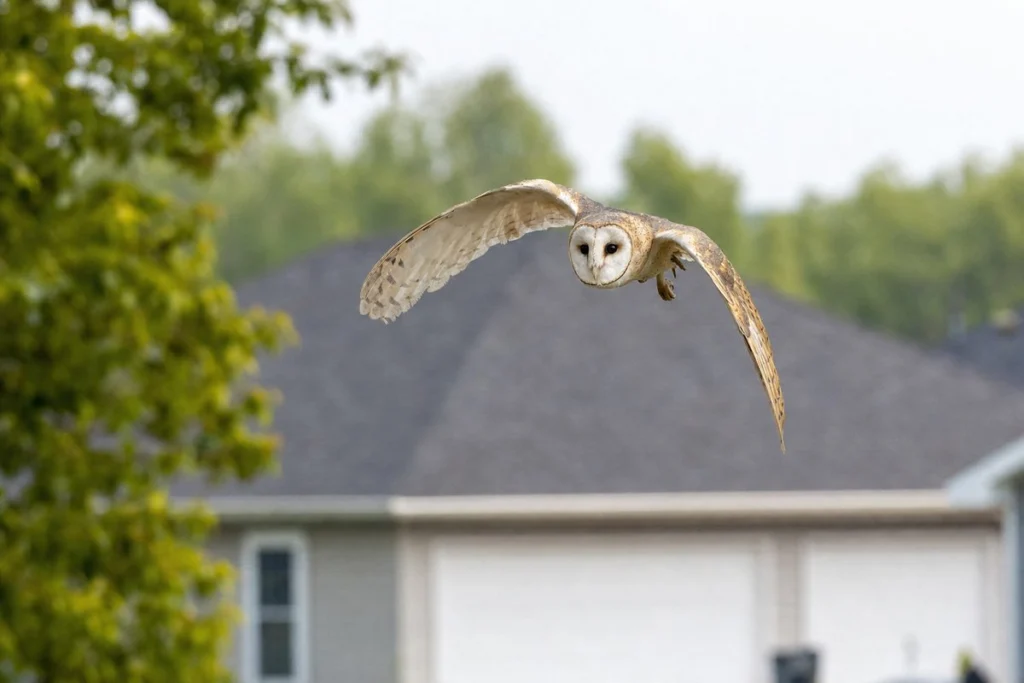
Predators of Bats
Bats are classic scary movie material. It's easy to think of them as "predators", but have you ever considered that they might be the prey? Despite this popular reputation, bats are actually incredibly important to our ecosystems. More than just creatures of the night, these animals play vital roles in controlling insect populations and pollinating flowers and fruits. In short, they're pretty darn amazing. Unfortunately, all this goodwill doesn't stop bats from having predators of their own. So who or what exactly is out there snacking on these nocturnal creatures? Let's take a look. What Animals Eat Bats? There are many, many animals that enjoy a good bat meal. In fact, you might be surprised to learn that some of the animals on this list are your common, everyday critters. Bats' predators range from domestic animals to a number of wildlife species. Here's a look at some of the animals that eat bats: Cats Aha... these adorable yet conniving little pets. It's no secret that cats love to hunt, and bats are definitely on their menu. Domestic cats, as well as larger felines like bobcats and cougars, will readily snatch up a bat if they get the chance. Bats are nocturnal mammals, so they like hiding in places where it's dark during the day. It can be your attics, porch roofs, chimneys, cable vents, and other small nooks and crannies. Unfortunately for them, this often puts them in close proximity to our furry friends napping spots. And when a bat wanders into these areas, well... let's just say the poor thing doesn't stand a chance. Owls Owls are also nocturnal animals- creatures that are awake at night and sleeping during the day. They hunt alone or in pairs using their sharp claws and beaks to kill their prey. They have large eyes, which help them see in the dark. And their ears are asymmetrical, which means that they can pinpoint the location of their prey by sound. Owls are common bat predators. There are many owl species, and each specializes in hunting different prey. The most well-known bat predators among them are the great horned owl (Bubo virginianus), tawny owls (Strix aluco), and barn owls (Tyto alba). But, what makes bats a staple in their diets? Well, for one thing, bats are relatively easy to catch. They're not particularly fast or agile, so an owl can easily swoop down and snatch one out of the air. Owls also have a very sharp sense of hearing. They can hear sounds that are too faint for humans to hear. And because bats tend to make a lot of noise when they fly, it's easy for owls to spot and hunt them down. Another reason is that bats usually roost in groups. Bats flock in caves, trees, rock crevices, and other dark places. So, when an owl preys on a bat, it's often able to catch more than one. Peregrine Falcons Peregrine falcons are large birds of prey, that have long, sharp talons and a hooked beak. They have long and thin wings that help them fly fast and dive quickly. Peregrine falcons are also known for being on of the fastest animals in the world. They can fly close 200 miles per hour! They use their speed to dive down on their prey and catch it mid-air. So, bats don't really stand a chance against these predators. Peregrine falcons usually eat small birds, but they will also eat bats. In fact, bats make up a large part of their diet in some areas. Hawks Hawks are also birds of prey. They are smaller than falcons, but they are still very fast and agile flyers. They have sharp eyesight and can see their prey from far away. There are many different species of hawks, and each specializes in hunting different types of prey. However, some of the more common bat-eating hawks are Cooper's hawk (Accipiter cooperii) and the sharp-shinned hawk (Accipiter striatus). There are also bat hawks (Macheiramphus alcinus) , which are a type of hawk that specializes in hunting bats. These hawks are found in Central and South America. They have long, curved talons that help them grip their prey as well as large eyes that help them see in the dark. These hawks consume almost nothing else but bats. Hawks hunt by flying high above their prey and then diving down on it. They use their sharp claws and beak to kill their prey. In general, all hawks consume bats. However, most hawk species' primary food sources remain reptiles (e.g., lizards), insects, rodents, and other small mammals. Snakes It's no secret that snakes eat bats too. You know they're already infamous for eating literally anything, no matter how big it may seem. So, it's only natural that they would want to snack on some bats every now and then. Snakes would often hang on trees or cave roofs and strike when a bat flew close by. Although snakes do not have ears to hear, they are very sensitive to sound-induced vibrations. They use this sense to strike at prey, and it is especially useful for detecting the fluttering of wings from a distance. This is how they're able to find and eat bats even though the creatures are nocturnal. Crocodile Can you imagine that these water-loving animals eat bats? Yes, you're not reading this wrong! The crocodile is the second reptile on our list. They are semi-aquatic organisms commonly found in the tropical regions of Australia, Asia, Africa, and America. Crocodiles are enormous, terrifying creatures. Their average size ranges from 17 to 23 feet long, and they can weigh over 2000 pounds. Knowing this, aren't you wondering how these heavy mammals get to eat bats? Or how these bats get into a crocodile's mouth in the first place? Well, turns out that bats, like the flying fox bats of Australia, often dip or drink water from lakes, rivers, and ponds where crocodiles also reside. The crocodiles lie in wait and pounce on the unsuspecting bats. River banks serve as the primary water source for bats, so it's no surprise that they would end up as crocodiles' prey. Bats also hunt insects in bodies of water, so this gives crocodiles another chance to snatch them. Arachnids and Centipedes Arachnids are a class of jointed-legged invertebrate animals. They are characterized by having two body segments: the cephalothorax (the fused head and chest) and the abdomen. Arachnids include spiders, daddy longlegs, scorpions, mites, and ticks. These creatures hunt by spinning webs or building traps to capture their prey. Spiders Can you imagine an organism as small as spiders eating creatures as big as bats? Yes, it happens. We know spiders for their web-spinning abilities which is how bats and other organisms fall prey to these 8-legged arachnids. The sticky and thick web made of spider silk makes it possible for the spider to immobilize their prey. Spiders such as tarantulas, orb-weavers, and huntsman spiders are large enough and know to prey upon bats. They will spin a web and wait for their prey to get stuck into it. Once their prey becomes stuck in the web, the spider will come and wrap it up in webbing. The spider will then inject venom to kill it. Centipedes Centipedes are predators that hunt on the ground and crawl in caves where bats live. Centipedes primarily exist in caves and forests. This is where they can eat roosting, sleeping, or hibernating bats. Centipedes are long and thin, so they can easily sneak into small spaces to attack their prey. They have a poisonous bite that can kill bats instantly. Humans Yes, you read that right. Humans are also bats’ predators. Although this is not a common occurrence, it does happen. Bats are interestingly considered a delicacy in some cultures. They will cook them and eat them as food. In other cases, people may kill bats for their fur or use their meat as traditional medicine. Additionally, bats can get into houses and even build bat colonies there. When this happens, some people may kill them for being a nuisance or simply because they fear them. However, despite all these reasons, humans are not the main predators of bats. The vast majority of bats get killed by other animals. Amazing Bat Knowledge! Out of the many bats in South America, the Vampyrum spectrum, or the spectral bats, is one of the most interesting ones. Why? Because they eat other bats themselves.Bats' most significant threat is not predatory wild animals; it's a disease! White-nose syndrome, a condition from a fungus called Pseudogymnoascus destructans, this infects the muzzle, ears, and wings of bats. Millions have been reported as killed in 2018.Interestingly, the little brown bat species are known to exhibit genes that help them survive the white-nose syndrome.Flying foxes (Pteropus giganteus), a species of fruit bats, are estimated to live the longest. Final Word As you can see, different natural predators feed on bats. These animals range from raptors to reptiles to arachnids and insects. Each of these animals has a different method of hunting and killing bats. Some will fly through the air and snatch them out of the sky. Others wait patiently for them in their roosts and then pounce on them. And still, others will spin webs to trap them. No matter how they do it, these animals all play a role in keeping the bat population under control. So, while it may be sad to see a bat killed by one of these animals, it helps keep the ecosystem in balance. Originally published at https://aaacwildliferemoval.com/blog/bats/what-are-bats-predators/
- Brian Moss (President)
- AAAC Wildlife Removal
04/08/2024
Total words : 1611
- Brian Moss (President)
- AAAC Wildlife Removal
04/08/2024 Total words : 1611
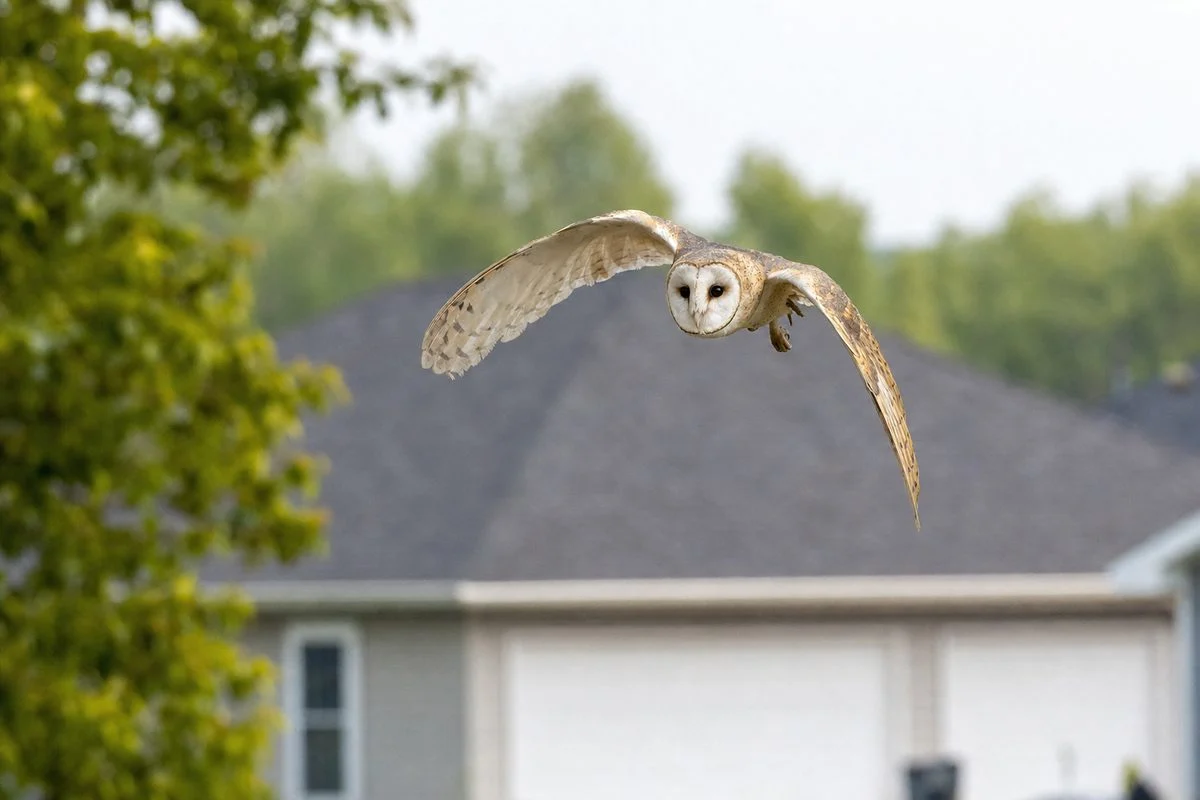
Predators of Bats
Bats are classic scary movie material. It's easy to think of them as "predators", but have you ever considered that they might be prey? Click to learn more about what kinds of animals prefer flying rodents on their dinner plate!
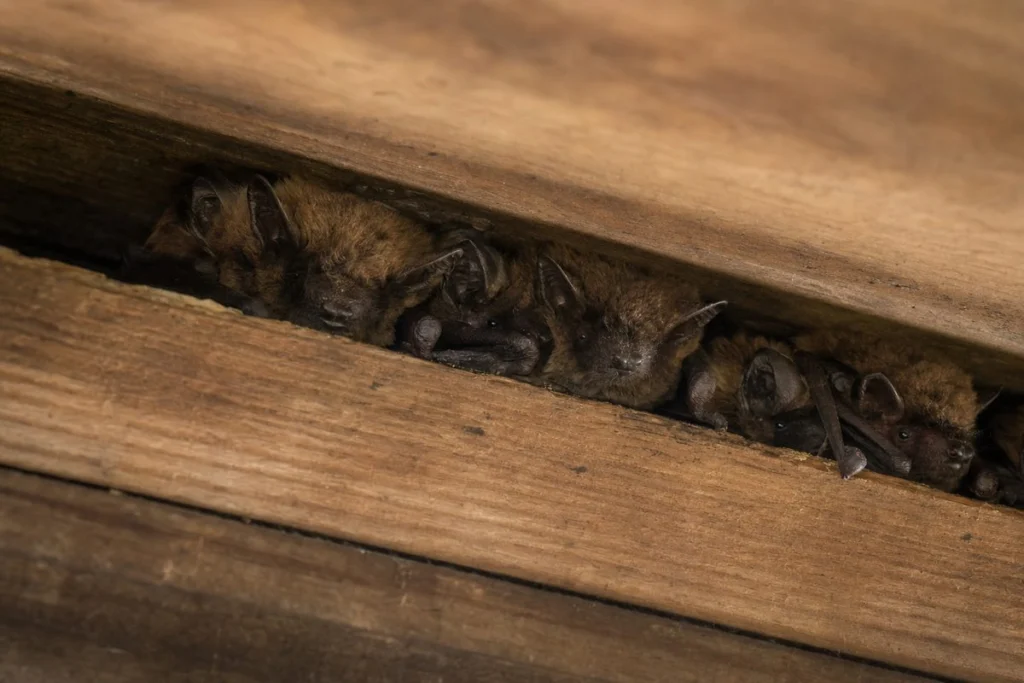
Can Bats Damage Your House?
Bats, the flying mammals of the Chiroptera family, are generally harmless and can even be beneficial to have around, especially for controlling harmful insects. They eat lots of mosquitoes, bugs, and other dangerous insect pests. Despite this obvious benefit, some people are still worried about the potential damage that bats can cause to their homes when they decide to roost on your property. But could bats actually do any damage to your house? So, Can Bats Do Structural Damage to Homes? Unfortunately, the answer is yes. Bats can cause damage to your home if they roost there. In fact, there are a number of ways that bats could potentially damage your home. One way is if they roost in large numbers in a small space, like an attic. This can cause bat guano (poop or dropping) to build up, which is not only smelly but can also attract other pests like rats and cockroaches. The guano can cause rot in your insulation and wood as well as create stains on ceilings. Here are other ways that bats could damage your home: Holes and Cracks Bats could create holes or cracks in your walls or ceiling as they come and go from their roost. These holes can let in not only bat guano but also rainwater, which can cause water damage to your home. Bats Can Bring in Other Pests Because bat guano can attract other pests like rats and cockroaches, bats could potentially bring these other pests into your home as well. This can create a whole new set of problems that you’ll need to deal with. Bat Feces is Corrosive Unlike mice, rats, and other rodents that cause damage by chewing on wires and other objects, bats cause damage with their guano, which is quite corrosive and can cause rot. This is because bat droppings are high in ammonia, a compound that can break down organic material. Over time, this can erode wood and insulation, causing stains on ceilings and other surfaces. Guano Build-Up Could Cause Ceiling to Collapse In some cases, the build-up of guano can be quite substantial, and if it’s not cleaned up, it could actually cause your ceiling to collapse, especially if the spot has been compromised by rot or water damage. Bat Waste Can Cause Stains in the Wall and Ceilings Bat urine and droppings can also cause stains on your ceilings and walls. These stains seep into porous surfaces like wood and drywall, causing discoloration. These stains can be quite difficult to remove and may require professional cleaning. Bats Waste Can Cause Bad Odor in Your House You may think bats in your house are OK because they are quiet. But, the bat waste they leave behind can cause a very bad odor in your house. This odor can quickly fill up small spaces, like attics, and can easily seep into the living areas of your house making your whole house stink. Bat Diseases and Parasites Like many other wild animals, bats also lead to health risks. This can range from being mildly annoying, such as itchiness from bat bites, to deadly, like rabies. Bats can also carry parasites that can infest your homes, such as mites and fleas. So, while bats have some benefits, they can certainly cause some problems as well. The following are the different diseases and parasites bats can transmit to humans: Rabies - bats are one of the leading carriers of this deadly virus in the US. This virus is transmitted through bat bites or scratches. If left untreated, rabies is almost always fatal. Histoplasmosis - this is a lung infection caused by inhaling spores of a fungus that come from bat droppings and other birds. When this happens, you may experience fever, chest pain, and coughing up blood when you have this disease. Salmonellosis - salmonellosis is food poisoning caused by eating food contaminated with bat guano. Symptoms will include diarrhea, vomiting, and fever. This disease is usually not fatal but can be severe in young children, the elderly, or those with weakened immune systems. Bat Mites (bat bugs)- are tiny parasitic mites that live on bats. But, if you come in contact with these mites, they can bite and cause skin irritation. While the transmission of these diseases and parasites is not very common, it is still important to be aware of the risks. If you are bitten or scratched by a bat, it's important to seek medical attention immediately. It's always better to be safe than sorry. Why Do Bats Enter My House? There are a few reasons why these flying creatures would want to enter your home. One reason is that they are looking for a place to roost or rest during the day. Bats are nocturnal animals and your attics, crawl spaces, and even wall voids make for the perfect bat roost. Another reason could be that they are looking for a place to raise their young. Female bats usually give birth to one or two baby bats, called "pups." They will look for a warm, dark place to raise their pups until they are old enough to fly and fend for themselves. Getting Rid of Bats Now that we've gone over why bats are in your house and the damage they can cause, it's time to get rid of them. The best way to do this is to call a professional bat removal company like AAAC Wildlife Removal. We will provide the best solution for your bat problem. If you don't want to call a professional, there are a few things you can do to try to get rid of the bats yourself. We've provided a few steps below: Step 1: Find the entry points. We already know that bats are flying creatures, so be sure to search for obvious areas first. Your chimneys, cable vents, or roof vents. If your house doesn’t have any of these, look for small cracks or holes in your walls, ceilings, and around your windows. Bats can squeeze through very tiny spaces, so be sure to check both the inside and outside of your home. Also check your porch roofs, drip edges, wood sidings, soffits, loose roof shingles, and gaps on walls. Many bats find these common areas suitable enough to hide from the daylight. Remember that entry points are usually very tiny cracks or gaps, so you'll need to inspect your home thoroughly inside and out. Once you find the entry points, you can start to seal them up. Step 2: Allow the bats to get out but not back in Once you've found all the entry points that bats are using to get into your home, you can seal them up except for one. In this access point, you will need to place a device that allows bats to fly out of your home but not back in. There are a few ways you can do this: 1. You can use bat cones, which are devices that you place over the hole that lets bats out but not back in. 2. You can use bat valves which are pretty similar to bat cones. These are tube-like one-way devices that fit over the hole the bat uses to get in. The bat can then go out, but not back in. 3. You can use a screen or netting to cover the holes. If you use a screen, you should place it like a rectangular tube with two openings. One opening is attached to the crack and the other leads outside. The outer end of the screen should not be at the level of the hole. These devices all serve the same purpose, when bats try to go out at night, they will hit the bat valve/ bat cone/ screen and be redirected outside, but when they attempt to go back, they won't be able to because of the one-way device. Step 3: Repair the holes and entry points Once the bats have been removed from your home, it's time to really make sure they can't come back. To do this, you'll need to repair anything that might be acting as an entry point. This includes cracks in your walls, holes in your ceilings, and gaps around your windows. This is a crucial step, as bats can squeeze through incredibly small spaces. Be sure to double-check both the inside and outside of your home for any cracks or holes, no matter how small. You can use several sealants available at your local hardware stores. Choices may include a wire mesh that is half an inch wide or less, new boards, plaster, or foam sealants. Prevent Bats from Entering Your Property The best way to keep a colony of bats from roosting in your home is to prevent them from getting inside in the first place. Here are some tips to help you do that: Check for Holes around your house In order to find the point of entry for these pests, you will want to check for holes around your house. This can be a difficult task as some of these animals are incredibly small and they can fit even the very tight spaces. For this reason, it is important to do a thorough inspection of your home. You should check some familiar places around your windows, along the roof line, in the attic, crawlspace, and chimney. Once you have found the point of entry, you can then take the necessary steps to block it so the bats cannot return. Seal Small Passages As we mentioned, some bat species can enter your home, even through extremely slim or tiny entry points. In fact, they can go through one that is as small as 3/8 of an inch. There are some ways that you can seal off these tiny spaces, which include caulk, steel wool, and screening material. But, if you're unsure how to seal the passage correctly, you can always contact a wildlife control company for assistance. Install Bat Houses You can prevent bats from roosting in your home by installing bat houses in your yard. By doing this, you will provide these animals with an alternative roosting spot that is far away from your house. You should note that bat house installation should occur after the current colony of bats has been removed from your home, as they will not move into the bat house if bats are already roosting in your house. Bat Facts! Did you know that... Bats “see” with sound! Although they still have eyes, these creatures use bat sonar (Sound Navigation And Ranging) to navigate in the dark. This is a sophisticated process we call "echolocation." Not all bats hibernate and migrate, but some do both. Species like the brown bat hibernate for as long as six months; Pteropus or flying fox do not hibernate since they generally exist in countries where food is consistent. Some people go hunting for bats for reasons such as food or perceived medical value. Bats pollinate! They are essential pollinators in deserts or tropical climates. Bats from Southeast Asia, Africa, and the Pacific Islands often visit flowers for their pollen, nectar, or seed, which is how they influence pollination. Some would also frequent a tree for their fruit. Bats hide primarily in a cave, so predators looking for prey are not their most significant threat! Instead, millions of them die from a disease called white-nose syndrome. In bats, the longest recorded wings reach 5 feet! And the smallest wingspan measured only over 5 inches. Professional Bat Removal There's no better solution to your bat problem than getting professionals like us at AAAC Wildlife Removal. We will quickly and efficiently remove the bats from your home while also taking the necessary steps to prevent them from returning. Whether it's a bat problem, a raccoon infestation, or other forms of destructive and uninvited creatures, you can count on us to get the job done right. Get in touch with us today to schedule a consultation! Conclusion In short, bats can and will damage your house if they take up roosting there. Their urine and guano often cause property damage and pose danger to human health. If you think you may have bats in your home, get rid of them before they do any more damage, call AAAC Wildlife Removal today! Originally published at AAAC Wildlife Removal: https://aaacwildliferemoval.com/blog/bats/can-bats-damage-your-house/
- Brian Moss (President)
- AAAC Wildlife Removal
04/05/2024
Total words : 2074
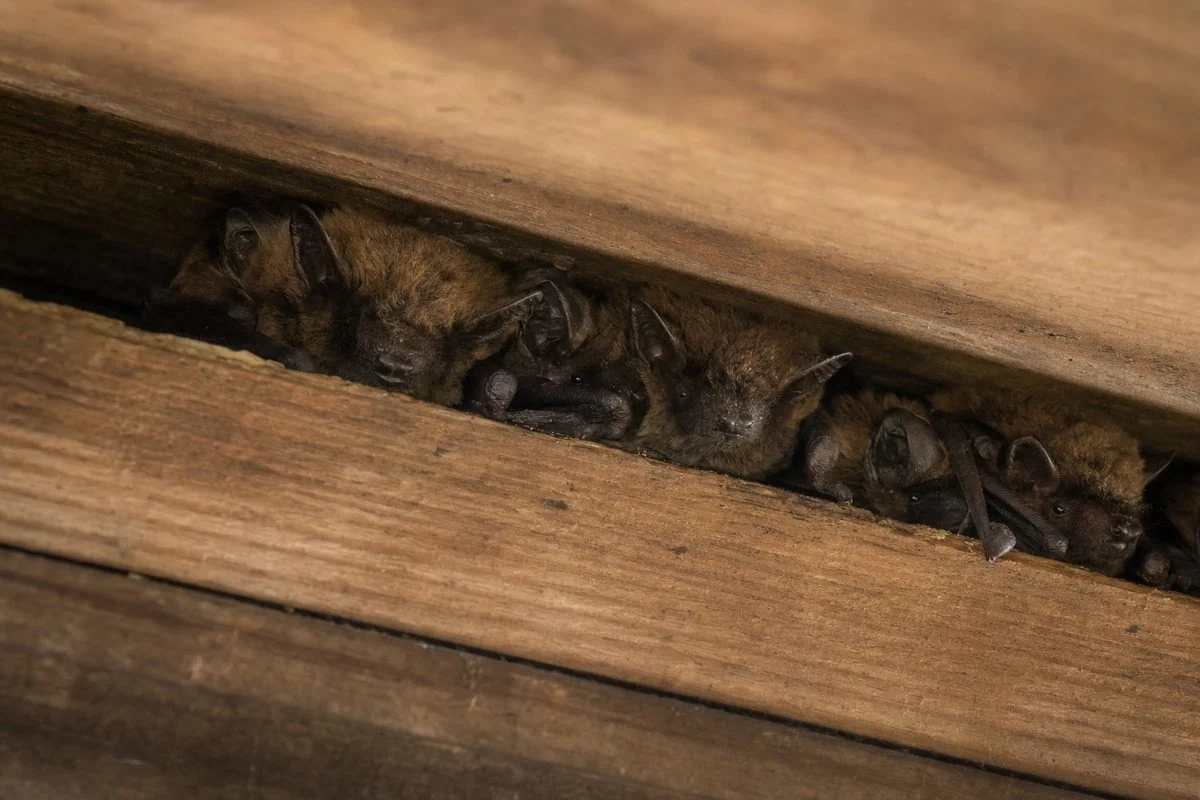
- Brian Moss (President)
- AAAC Wildlife Removal
04/05/2024 Total words : 2074
Can Bats Damage Your House?
Bats are generally harmless and can even be beneficial to have around, especially for controlling harmful insects. They eat lots of mosquitoes, bugs, and other dangerous insect pests. Despite this obvious benefit, many people are still worried about the potential damage that bats can cause to their homes when they roost there. But could bats actually do any damage to your house? Click to learn more!
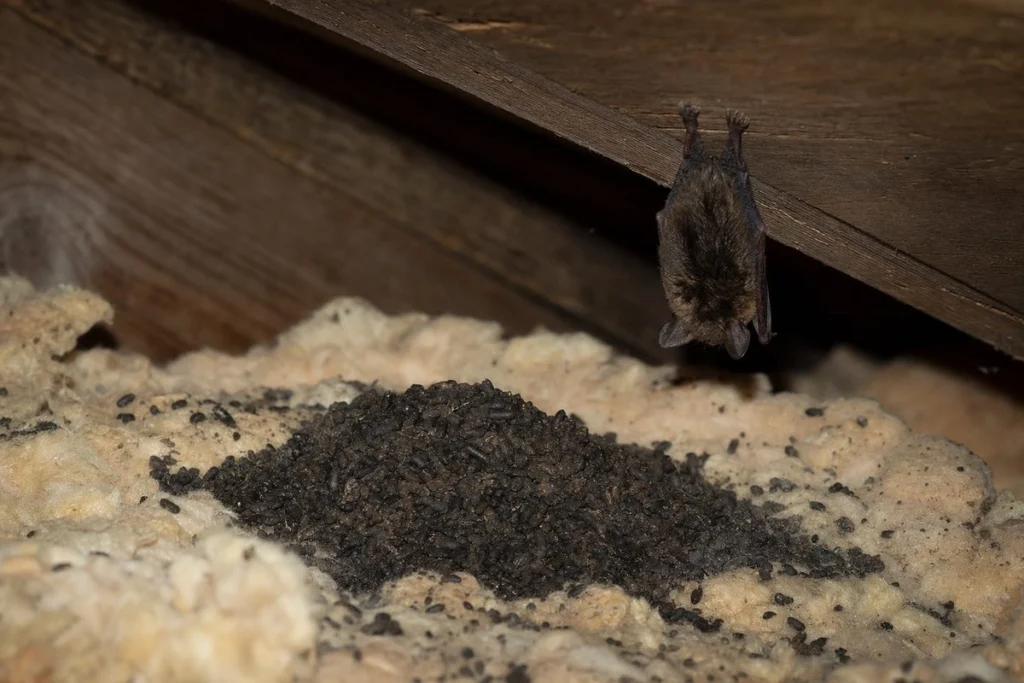
Cleaning Bat Poop in the Attic
After a successful bat abatement project, you may be left with hazardous guano on the attic floor. Cleaning bat poop can be a nasty and smelly job. The waste material not only emits a nasty odor but also poses significant health risks to those who come into contact with it. Fungus spores from disturbed guano are easily dispersed in the air and when inhaled can lead to a severe respiratory illness called Histoplasmosis. Bat diseases are no joke! Nevertheless, guano clean-up should be done as it is essential to the safety of your home! What do the droppings look like? Bat guano looks almost like rodent droppings, but typically larger, about a quarter of an inch in length on average. They can either be black or brown in color and cylindrical in shape. These guano sparkles when crumbled, this is because of the insect exoskeletons present in the dung. Before starting clean up The main concern with guano is the fungal spores that can easily go airborne once the dung is disturbed. To prevent this, ensure that the area is contained and sealed. Shut off the heating system and forced air ventilation system. Seal the intake mesh as well as the exhaust vents to prevent dust particles and spores from entering the house. Seal all openings in contaminated area with heavy duty duct tape and polyethylene sheeting. How to clean bat guano in the attic Cleaning bat guano in an attic is a messy job, but it's necessary to avoid health risks associated with the feces such as Histoplasmosis. Below are eight steps that cover all aspects of cleaning guano in attics: Wear personal protective equipment Double-check that all bats are excluded Pre-treat droppings Use vacuum cleaner to remove scattered poop Use hazardous waste bags Replace soiled insulation Scrub surfaces with an enzyme-based cleaner Fog the contaminated area Cleaning bat droppings Here are the steps to follow to successfully clean bat feces from an attic: Wear protective clothing In guano removal, it is important to start by wearing personal protective equipment. Thick gloves, surgical masks, and eye protection are vital because bat feces is hazardous and contains bacteria and parasites that can easily make you ill. Double check all bats are removed It is important to make sure that all bats are gone before you start your attic cleanup. Inspecting the entire attic thoroughly will prevent accidental bat contact during guano removal. Make sure that there are no baby bats left behind for mothers who might still be nursing as these young ones cannot yet fly away themselves! These bats will starve and die there in your attic and leave you with another problem. Make sure to wait until bat maternity season has concluded before making your move. Since bats are protected at the federal and state level, it's a good idea to exercise patience. Pre-treat bat droppings Dampen the droppings first with a spray bottle to prevent them from crumbling and fungal spores from dispersing into the air. This lessens your chances of inhaling fungal spores. Use vacuum to remove droppings in attic Vacuuming is an effective method for removing scattered feces from floorboards, insulation, and other areas that are hard to reach. Be sure that you are using HEPA filtered industrial vacuums so as not to stir up spores while vacuuming the feces out of your attic. Use hazardous waste bags In order to dispose of all bat guano properly, it needs to go into a hazardous trash bag before disposal outside your home (in accordance with local laws). Seal up all contaminated clothing as well after use so nothing gets out by accident while transporting them. Remove soiled insulation If bats were living on the rafters inside a home, they will leave behind droppings or urine wherever they roosted such as on insulation. These must be removed and replaced to avoid further bacterial or mold growth. Scrub contaminated surfaces with water and enzyme-based cleaner Bat poo is toxic and so must be scrubbed away from surfaces using an enzyme-based cleaner or enzymatic cleaners sold at your local hardware store. This will help to eliminate the smell of guano and break down organic material as well as neutralize any harmful pathogens on exposed areas. Fog the area to reach every nook and cranny To get bacteria and mold off of surfaces such as hard-to-reach areas like corners or ledges, you can use a fogger to reach every nook and cranny. Foggers are also effective for reaching behind beams and within wall cavities where dung particles might have been missed. Problems and dangers of bat feces in attic Leaving bat waste in the attic after bat removal is a big mistake. The feces contain bacteria and parasites that are harmful if they come into contact with people and also release spores that you or your family and pets can inhale. Here are problems and dangers caused by guano build up in an attic (or any place that bats might live): creates nurturing environment for histoplasmosis causing fungi encourages bacteria and mold growth creates a horrible smell attracts other pests due to odor causes stains in the ceiling rots any wood in your attic causes ceiling cave ins Histoplasmosis Histoplasmosis is a massive health risk associated with bat dung. It's a respiratory illness caused by inhaling the fungus spores Histoplasma capsulatum from the guano. It has flu-like symptoms that include fever, headache, fatigue, dry cough, and chest pain. It can be fatal especially for those with weakened immune systems or lung diseases such as asthma. Bacterial and mold growth Bat feces can also encourage bacterial and mold growth which can lead to severe health issues. Mold is a fungus that can produce mycotoxins, which are toxic substances that cause severe allergic reactions in humans and have been linked with asthma as well as other serious illnesses such as cancer. The bacteria from bat guano is not dangerous to bats but will make people sick with stuff things like salmonella, e Coli, and typhoid fever if they come into contact with the feces. There are also some parasites that live in bat poo such as roundworms and other intestinal worms that could cause serious health issues for those who might accidentally ingest them. Foul odor Bat dung creates a strong, foul odor that is likely to spread into your home. This smell seeps into your walls and ceilings, making it difficult to get rid of. Attracts other animals and insects The pheromones in bat waste can also attract other bats or other animals like snakes. It also attracts pesky insects such as flies or cockroaches and increases the risk of disease transmission or creating a secondary infestation. Causes staining Bat poop in an attic can also create unsightly stains on ceilings over time. Rotting droppings, as well as any other organic material that accumulates because of an infestation, will cause stains to form around the edges of your ceilings from seepage or mold growth. These need to be cleaned right away before they have a chance to set so you don't end up with ugly brown patches everywhere! Rotting wood Bat fecal matter contains high levels of uric acid which will rot untreated wood over time. If left unaddressed for too long, the dung will rot wooden surfaces like rafters, roof beams and may even reach floorboards below and cause structural damage by weakening them over time Ceiling cave ins Bats eat a lot of insects (up to their weight in a night!) and they poop a lot too! And sometimes the guano can pile up as high as a couple of feet deep. This problem is compounded by bat droppings that rot and produce methane gas which is a powerful agent of decay. The guano can also absorb the moisture from wooden surfaces, drywall, or insulation underneath it causing these materials to soften and break down over time. This will eventually lead to cave-ins in ceilings where feces pile up! Bat guano cleanup specialists AAAC Wildlife Removal offers bat removal services as well as guano cleanup and attic repair services. After we remove your bat problem, we'll ensure guaranteed sanitization and decontamination of your attic. Our professional wildlife control experts are available to remove toxic droppings from your attic to keep you safe at all times! Call AAAC Wildlife Removal today! We can help you with the problem no matter what those bats do to your home or business. Damage repair and attic restoration Aside from bat removal and guano clean-up, we also offer professional attic restoration services at AAAC Wildlife Removal. Our technicians are experienced in restoring attics from bat infestation so you don't have to worry about any damages caused by bats. With our full-service approach, we'll also ensure complete sanitization and deodorizing of your home while also providing structural repairs if needed after completing an effective bat removal process. Conclusion Cleaning bat feces in an attic can be hazardous, complex, and time-consuming. A typical homeowner should not attempt it without the proper protection and equipment required. Bat dung creates a health hazard for humans by spreading bacteria and mold spores that are toxic even in small quantities. It also creates stains on ceilings over time and can cause structural integrity issues. Removing bat waste in the attic after a successful removal is essential and should be addressed immediately before it can create any major problems. FAQs Can I vacuum the bat guano? You can, however, you can't simply use your regular home vacuum cleaner. The spores in bat droppings are too fine and will disperse all over your home, so a special one with a HEPA filter is required for cleanup in the attic. Can I clean bat guano in attic myself? It can be done, however, we don't advise you to try guano removal yourself, as it is time-consuming and dangerous for the uninitiated! It requires specialized equipment and a thorough understanding of bat biology. We recommend hiring professional bat control experts to clean feces in an attic, as it will save you time and money! Originally published on https://aaacwildliferemoval.com/blog/bats/cleaning-bat-poop-in-the-attic
- Brian Moss (President)
- AAAC Wildlife Removal
01/12/2024
Total words : 1689
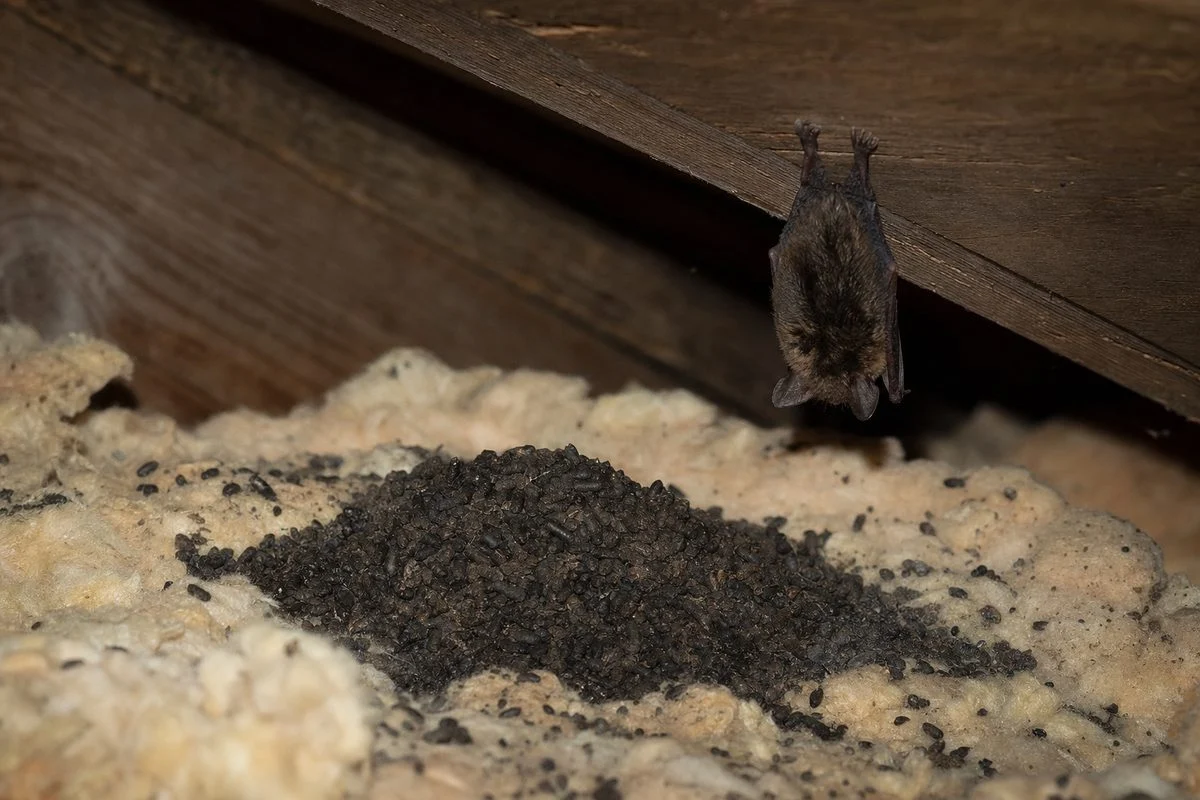
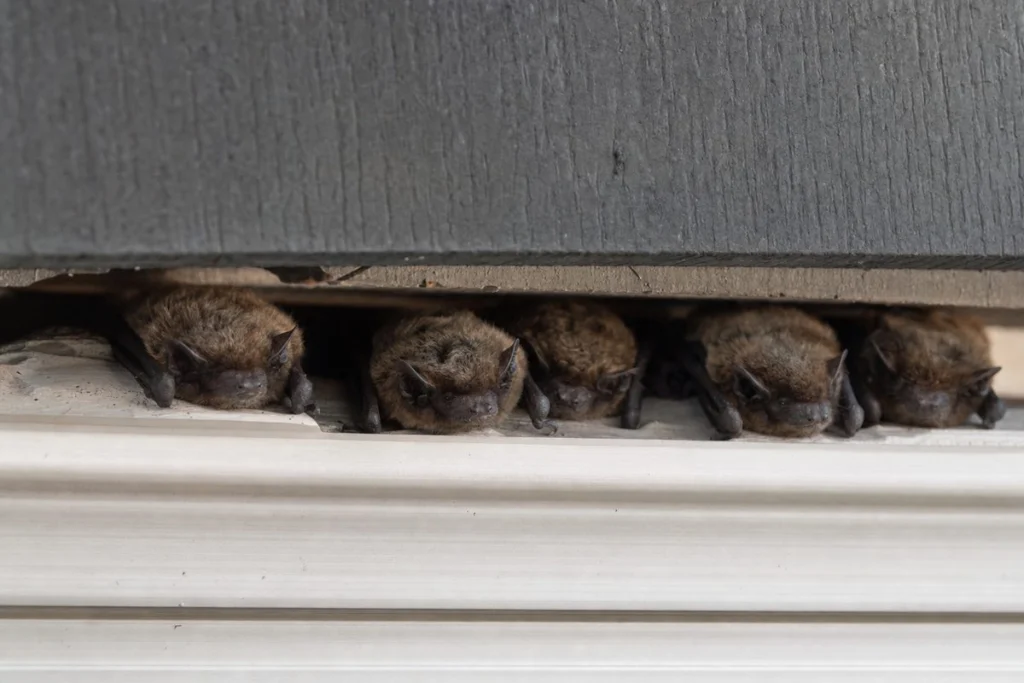
Where Do Bats Live?
Bats live all over the world and their roosting sites vary depending on where they are. From their natural habitats like rainforests and caves, to man-made roosting sites like inside barns and attics, bats can be found all over. Bats can usually be found near water sources as well as deserts or tropical forests which means that there is no one specific place for them to live across the globe. They often make use of roosts but also hibernate during winter months - this period lasts about six months before it starts again with warming temperatures and increased bug populations. In this article, we will discuss bat habitats and more! Where do bats live? Bats have an almost enigmatic and mysterious quality to them. They are nocturnal flying mammals with a large wingspan and pointed ears. But you might have always wondered "Where do bats live?!" There are around 1400 species of bats in the world today. Some live in trees while others find their homes in caves or underground locations like mineshafts and wells. Some even used buildings as shelter. Where do most bats live? Most species of bats typically reside near water sources such as rivers, lakes, streams, and ponds where they can hunt after dark. They will use these areas until prey populations die down before looking elsewhere for food resources; this helps maintain healthy forests by keeping harmful insect populations in check. Bats can be found everywhere! from their natural habitats like jungles and rainforests to suburban communities and city parks. They don't thrive in the cold so they prefer secluded places with consistent temperatures to get them through winter hibernation. Where are bats from? Bats belong to an order of mammals called Chiroptera which means 'hand-wing'. There are over 1400 different species that exist worldwide and about 30% of them live in Central or South America where the climate is warmer and they have plenty of insects to eat. Where can you find bats in the summer? In summer, they can be mostly found in tall trees or high up on the side of buildings. They love to find cracks and crevices that are high off the ground because it makes it easier for them to swoop down, catch their prey then fly away! Where can bats be found in the winter? In cold climates, bats will find roost sites with the most optimal temperature for hibernation. Somewhere they can form colonies and stay warm like caves, rock faces, and tree cavities where they can hibernate and survive with their fat reserve. Most bat species require a temperature of at least 5 - 11 C (40 - 50 F) while a big brown bat can tolerate lower temperatures ranging from 0 - 5 C (30 - 40 F). Natural habitat Caves Caves are the most popular roosting site for bats. Hibernating bats like caves because they are dark, secluded and provide the perfect protection from the elements as they hang out upside-down. The Bracken cave just outside San Antonio, Texas has as many as 20 million bats inside it! It is the world's largest colony of Mexican free-tailed bats! Trees According to Bat Conservation International, more than half of the 47 species of bats that live in the U.S. roost in trees. Trees are one of a bat's natural habitats. They provide plenty of food, protection from predators below them, and a nice secluded spot to stay warm on cold nights. In warmer climates, roosts can be found in tree hollows or branches of trees like palm leaves, olive trees, and other fruit-bearing plants. Some species like to live in old hollow trees as it provides shelter from the wind, rain, and snow while also offering an easy escape route should there be any danger lurking outside. Others live in the foliage of trees and some roost beneath the loose bark of dying trees. There are also those who prefer to hide up high in leafy canopy tops. The species that like to live in trees are the Eastern pipistrelle, Northern long-eared bat, the endangered Indiana bat, small-footed bat, silver-haired bat, red bat, hoary bat, and the Seminole bat. Rock crevices Crevices and gaps on rock faces as well as other bat-friendly rock structures make for great shelter. Like caves, bats prefer these as they provide the perfect refuge from predators and also because it offers protection against elements like rain, snow, and wind. Some of these roosts can be found in limestone caves or abandoned mines. Man-made structures Bats often find themselves roosting inside man-made structures like abandoned mines, barns, buildings, tunnels, old wells, and sometimes, inside your attic. Many species find the environment perfect for creating maternity colonies (during bat roosting season) and rearing young bat pups as the temperature is stable and there is plenty of space for different species. These structures are the roosting site of choice of big brown bats and vampire bats. Wells Water sources such as wells provide excellent roosting sites for bats. Around these, bats can easily find insects to feed on. Water is an excellent place for insects to reproduce, so a hungry bat can do far worse than a well for their choice of lodging. Mine Shafts Mines also offer protection from the elements and predators as they are usually dark and damp - a perfect environment for hibernation. Bats like dark spaces that are easy for them to get into and out of which is why they often live underground or under forests where there's an opening at ground level. The entrance will usually lead down through a tunnel system until it reaches deeper parts of the cave where they will find their perfect roosting site - away from predators or any chance encounters with other animals. Buildings & Attics Bats love living inside abandoned houses or in attics where there is little light during daytime hours. Attics or basements usually have plenty of nooks and crannies for them to hang out in and are dark enough that they can sleep in the daytime. They will live in old attics, barns, and warehouses- any dark place really. They even find spots on church rafters quite frequently! These places offer safety during cold weather months. If you need bats removed from your attic, consider speaking with a wildlife expert at AAAC Wildlife Removal! Under bridges Bridges are often another location that bats like to roost at as it provides shelter and natural shade that protects them from the elements while also keeping them close to nourishment sources - insects! It's not uncommon for some species such as the Eastern Pipistrelle or Brazilian free-tailed bat, to live under them. They know that these will provide protection so it is always a popular spot for bat colonies. The congress avenue bridge in Austin, Texas is a great example of a bridge that has become a popular roosting spot for bats. It is home to the largest urban bat colony in the world. The population of Mexican free-tailed bats living under this bridge is estimated to be close to one million and counting! Bat house A bat house is not only one of the best bat habitats, but it also provides an opportunity for humans to control mosquitoes and other insects on their property. It is usually a wooden box with an opening at one end where bats fly in to roost. Putting up a bat house can be beneficial to both the environment and your backyard. Where do bats live during the day? During the daytime, they can usually be found in dark places like caves, old buildings, attics, and mineshafts. Bats are nocturnal animals so they sleep during the daytime and come out to hunt at night. They don't have very good eyesight so they mostly rely on echolocation and their sense of smell to find prey. FAQs Do bats make nests? No. Unlike birds, bats don't make nests. They use colonies to keep warm and to care for their young. What do bats eat? Bats mostly feed on insects such as mosquitoes, beetles, and even moths to provide them with energy. Some eat fruits such as bananas and mangoes and others, like the vampire bats, feed on blood. How many types of bat species are there? There are over 1400 different species of bat which is a pretty huge number when you think about it! Most people know that vampire bats exist but other common ones include fruitbats, rhinolophids, megabats, and horseshoe bats. Do bats like living in attics? Bats love finding homes inside dark places where there is little light during daytime hours - like old attics or basements, barns, and warehouses! These locations offer safety during cold weather months when it's difficult for them to forage. The attic provides the perfect roosting site, especially for females. If you find bats in your attic, you might consider bat abatement, or a quick guide on cleaning bat poop in the attic. Are bats endangered? Bat populations in the world are decreasing due to habitat loss and the fungal disease called white-nose syndrome. They are endangered and it is important to take steps in protecting bats and their habitats. Laws like the "Endangered Species Act" have been enacted in order to provide protection. Originally published on https://aaacwildliferemoval.com/blog/bats/where-do-bats-live
- Brian Moss (President)
- AAAC Wildlife Removal
01/10/2024
Total words : 1543

- Brian Moss (President)
- AAAC Wildlife Removal
01/10/2024 Total words : 1543
Where Do Bats Live?
Bats live all over the world and their roosting sites

Bat Abatement
Bats are very important to our ecosystem. Bats do many things for us: they pollinate plants, control pests, and consume their weight in harmful insects every night. However, they can also be a nuisance, especially when they are roosting in human-inhabited areas. Their populations have been steadily declining due to habitat destruction and the white-nose syndrome, which is why they are protected by law, and killing or extermination is considered illegal. Abatement and remediation Bat abatement refers to getting rid of bats from any structures they roost in - this may involve bat trapping and removal (federal law prohibits killing them), exclusion, or other methods that don't harm the animals. Bats roosting in human-inhabited buildings can be a nuisance and bat infestation remediation is often necessary. If you live in an area with a decent bat population, and you can hear noises in your attic then you may be in the market for bat control services. Bats are protected by law Most bat species are federally protected under the Endangered Species Act of 1973. This means that killing them is illegal without permission from federal authorities who may grant it if there are no other options. Bat removal is not legal at all unless they present an imminent danger to human health or safety - like when living inside a home where people reside full time. Bat control methods There are three main types of bat control: lethal removal (generally illegal), non-lethal control (such as bat traps or bat deterrents that use sound waves instead of chemicals that can harm humans), and exclusion (keeping them out). Lethal Removal A lethal removal is rarely an option because it is inhumane and it's illegal at a federal level to kill bats. There are also more effective yet humane solutions to get rid of bats from buildings. Bat extermination also creates the problem of dealing with the bat carcasses once they're dead. Non-lethal control Non-lethal options include deterrents: devices that push bats away with a high-frequency sound waves to drive them out. Or, baiting and live trapping so that the bats can be removed humanely. These methods are much more popular because they do not harm the bats and are tend to be more effective than other other home remedies. Repellents like mothballs or ammonia are used by some people, but they are quite impractical as you'd need a lot of them to work as well as the fact that the smell dissipates rather quickly - Not to mention the smell will work its way to your living areas and cause respiratory problems for people. Bat exclusion Exclusion is by far the best option to get rid of bats and any wildlife pest control company will offer exclusion services. Exclusion should always be the primary option when bat control is needed because it's both humane and effective at keeping bats out of buildings. It is usually done by sealing all entrances, including ones that are smaller than one inch wide. This ensures that no bat can get inside your building after you've excluded them. Pest control professionals will do everything from installing bat gates, replacing rotted wood on windowsills, caulking cracks underneath doors, or anything else necessary to prevent re-entry. This is the most humane way of doing removal because it doesn't harm the bats or cause other problems later on. Remember to consider: Bat maternity season When excluding bats it is important to plan it so it doesn't coincide with bat maternity season (May 15-Aug 15). Doing exclusion during this time is inhumane and illegal because flightless baby bats will be in the colony and excluding the mothers from the roost will cause them to starve and die. Bat exclusion process Identify a possible entry and exit points Seal all identified openings except one Install a one way door on the last opening Check to be sure that all bats have been excluded Decontaminate and restore the attic Fix damage to the interior(including replacement of insulation if necessary) and exterior The first step is usually is to spend a great deal of time locating entry and exit points. This is done by looking for holes, crevices, and gaps on the exterior of a building. You will also need to identify any gaps in foundation walls that may allow bats access as well as other possible openings like chimneys, vents, roof spaces, and so forth. Once all potential entrances have been identified you can start sealing them off one at a time leaving one with an exclusion device or one-way door. These work because they only allow bats out but not back into your home once installed properly. After excluding all the bats from your property it's necessary to do an attic cleanup before doing repairs inside and outside the structure. The process usually involves getting rid of feces, and any loose insulation before doing repairs. The addition of a bat house can also help bat control efforts by giving them a place to live outside of buildings. Dangers and problems caused by bats Bats can cause all kinds of problems for you, including: spreading diseases like rabies and histoplasmosis making noises in the attic causing structural damage destroying your attic with bat guano transmitting parasites like mites and bugs Diseases These critters often carry bat diseases that humans can catch. These include things like rabies, that can be transmitted to humans or pets, and Histoplasmosis, a severe lung disease caused by Histoplasma capsulatum. Guano is the greatest risk you face when you have bats inside your home and removal is often done to avoid this health risk. The bat's natural habits of living in bat colonies can cause an issue with the concentration of bat droppings, which is toxic if it accumulates around vents or other parts of a building where people might be breathing this air. Droppings buildup also attract cockroaches and mites as well as create another nesting area for pests like ants. Structural damage Bats can also cause problems with a home's structure if left unchecked, such as weakening walls or ceilings, and may cause them to collapse. In addition, they will start making bigger holes once they find an entry point which means removal should happen before these damages become too significant. Noise The noise of bat colonies roosting can disrupt sleep patterns for the people who live there. When the problem gets handled early on (before there are too many bats) then you probably never hear them. However, the noise does get worse when you ignore them though because eventually one family can turn into several hundred bats hanging out in your attic! Parasites like mites and bat bugs Bats can carry mites and bugs that will make their way to your living areas if removal isn't performed. These parasites can cause serious allergies and health risks for humans and pets! What attracts bat into buildings? Bats are attracted to buildings because they provide a safe roosting place away from predators and the elements. Buildings with bat-friendly features like large openings, crevices, or areas where there is little disturbance make good bat refuge. Additionally, female bats will roost to have their pups and nurture them there until they are old enough to fly. Factors in bat removal The factors that are taken into account when removing bats from an area include: how many bats you have where the bats are roosting (inside or outside) whether you want them gone permanently or just temporarily. Size of infestation & no. of bat entry points The colony size and the number of entry points all affect what your removal costs will be. Larger colonies and more entry points will typically cost you more. A small infestation with a few bats should cost much less, while bats in a large building could make for an expensive removal. Location and accessibility of the Bat Infestation The location of the colony can affect your exclusion costs. For example, colonies located in basements and stairwells will be less expensive than bats living high up on the walls or roofs or inside of a chimney. Clean up and damage repair Another factor that affects bat removal costs is whether guano needs to be cleaned up after the bats are gone. For example, dropping cleanup can increase cost by thousands. Additionally the repair on the interior and exterior of your building can add an even greater expense. FAQs Does homeowners insurance cover bat removal? Homeowner's coverage generally does not reimburse for bat removal. Most companies consider this a maintenance problem. Bats can get through holes the size of a dime to get into your home. How long will bat remediation take? Remediation usually takes two to four days - It depends on how many bats are inside and whether they're hibernating or not. During cold months remediation might be impossible or take far longer than usual. What kind of bat do I have? The most common bats in homes are the big brown bats and little brown bats. These species prefer to roost in bat houses, attics, and chimneys. It is very likely that one of these two is in your home. However, there are also other bats that like to roost inside homes such as the Mexican free-tailed bat. Call us so we can help you determine which bat is in your home and assist you in removing them. What is bat guano? Bat guano, also called bat feces or bat poop, is composed of the urine and waste material excreted by bats as they roost inside a building. It accumulates on surfaces below where the bats reside such as ceilings and walls before it falls to the ground beneath them. Guano can contain harmful parasites and the fungus that causes histoplasmosis. They should not be touched with bare hands and must only be removed using protective gear like gloves, masks, goggles, etc... Are Bats Dangerous? Bats normally aren't dangerous but they can be. The main danger with bats is the guano build-up that comes with a bat infestation. Originally published on https://aaacwildliferemoval.com/blog/bats/bat-abatement
- Brian Moss (President)
- AAAC Wildlife Removal
01/08/2024
Total words : 1682
- Brian Moss (President)
- AAAC Wildlife Removal
01/08/2024 Total words : 1682
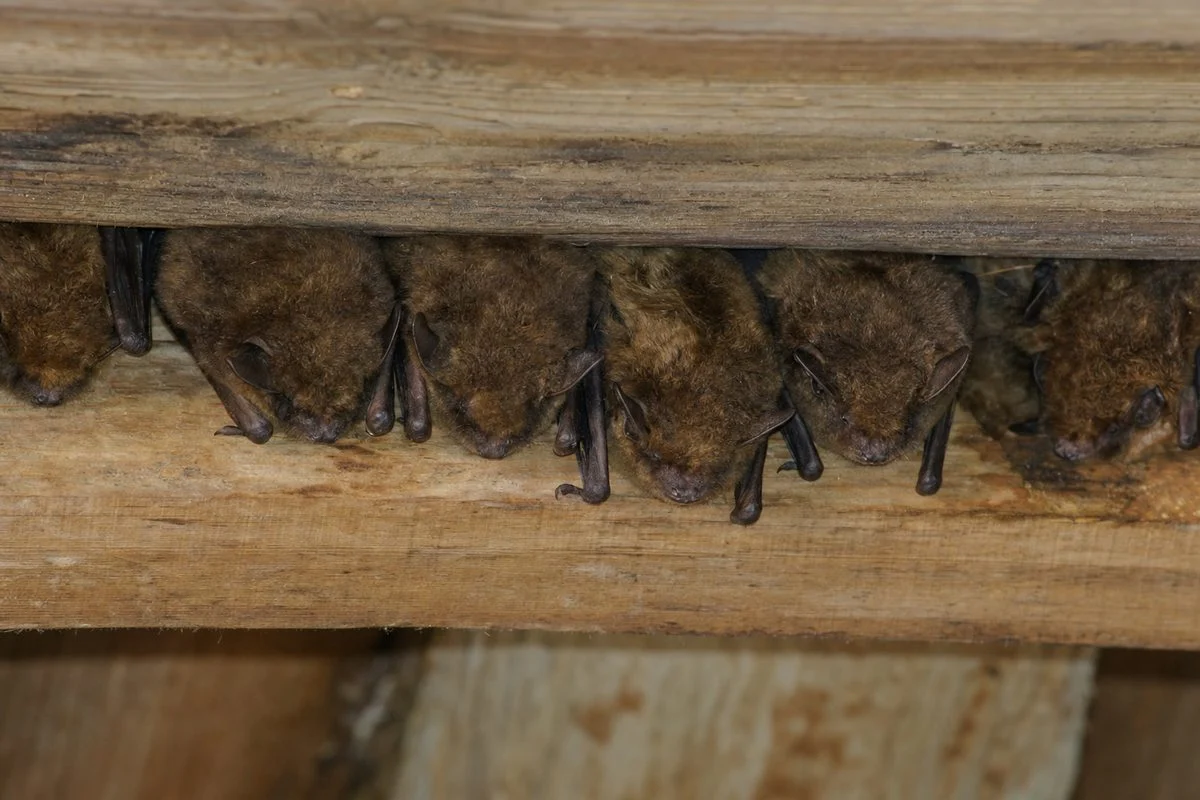
Bat Abatement
Bats are very important to our ecosystem. Bats do many