



- Brian Moss (President)
- AAAC Wildlife Removal
08/25/2026 Total words : 2459
What do bats hate the most?
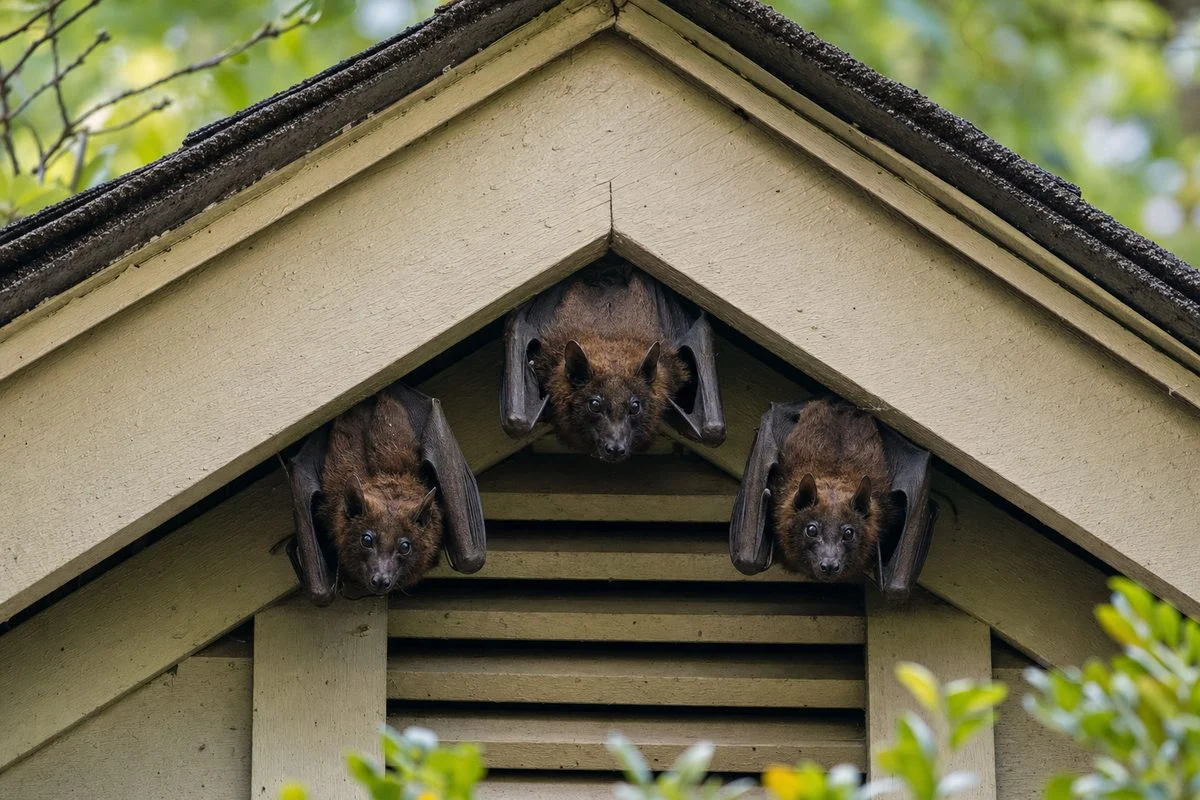
"Bats hate strong scents, bright lights, and high-frequency sounds that disrupt their environment." Bats are highly sensitive creatures with keen senses of smell, hearing, and sight, making them averse to certain environmental factors. Strong smells like peppermint, eucalyptus, and mothballs are known to repel bats, while bright lights and high-frequency sounds can also drive them away. These deterrents create an uncomfortable environment that disrupts their natural habits, making your home less appealing as a roosting spot. By understanding what bats hate the most, you can effectively implement strategies to keep them from nesting in or around your property. Via Wikimedia Commons CC License Strong Scents That Repel Bats Peppermint and Eucalyptus Oils Bats are highly sensitive to strong smells, and peppermint and eucalyptus oils are two of the most effective natural repellents. These oils, when placed near bat entry points or roosting areas, create an overwhelming scent that bats find unpleasant, making them less likely to stick around. You can soak cotton balls in these oils and strategically place them in attics, near vents, or other areas where bats may enter. The smell will deter them without causing harm, and because the oils are natural, they pose no risk to your family or pets. To maintain their effectiveness, these oils should be reapplied regularly since their potency fades over time. While peppermint and eucalyptus oils are highly effective, they work best when combined with other exclusion methods, as bats may become accustomed to the scent if it’s the only deterrent in place. Consider using them in areas where physical barriers are hard to install, as the oils can provide a low-maintenance, non-toxic solution to keep bats away. Mothballs as Bat Repellent Mothballs are another strong-smelling substance commonly used to repel bats. Their chemical composition produces a pungent odor that irritates bats and forces them to relocate. Placing mothballs in bat-prone areas like attics, eaves, or garages can help discourage bats from roosting. However, it’s important to use them with caution, as mothballs contain naphthalene or paradichlorobenzene, which can be harmful to humans and pets if used in large quantities or confined spaces. Because of these potential health risks, mothballs should be used sparingly and only in well-ventilated areas. For homeowners seeking a less toxic alternative, peppermint or eucalyptus oils may be a better option. Mothballs are a temporary solution and should be paired with other preventative measures, such as sealing entry points, to ensure the bats don’t return once the smell wears off. Related: What attracts bats to your house? Clove and Cinnamon Oils In addition to peppermint and eucalyptus, clove and cinnamon oils are also highly effective at repelling bats. These oils have strong aromas that bats find intolerable, making them excellent options for discouraging bats from settling in your home. Similar to other essential oils, these scents can be applied to cotton balls or diffused in areas where bats are likely to enter or roost. Clove and cinnamon oils have the added benefit of being safe for humans and pets, making them a popular choice for eco-conscious homeowners. To use them effectively, apply the oils regularly to maintain a strong scent and create an environment that bats find unwelcoming. However, like other scent-based repellents, these oils work best when used alongside other exclusion techniques to ensure a comprehensive approach to bat removal. Bright Lights as a Deterrent Bats are nocturnal creatures, meaning they thrive in dark, quiet environments. Bright lights disrupt their natural behavior and make areas less appealing for roosting. Installing outdoor floodlights or keeping attics and roosting spaces well-lit at night can serve as an effective deterrent. Motion-activated lights are especially useful, as they surprise bats when triggered, making them feel unsafe in the area. It’s important to position these lights strategically. Focus on areas like attics, eaves, and outdoor spaces where bats may be attempting to nest. While bright lights won’t harm the bats, they create an environment that feels exposed and unsuitable for roosting. However, similar to scent-based deterrents, using bright lights should be part of a comprehensive strategy to ensure long-term bat removal. Ultrasonic Devices Ultrasonic devices emit high-frequency sound waves that are unpleasant for bats, disrupting their echolocation and driving them away. These devices are designed to create an unfriendly environment for bats without causing them harm. They are often installed in attics, garages, or outdoor spaces where bats are likely to roost. Ultrasonic deterrents are a great option for homeowners looking for a low-maintenance solution, as they work continuously without needing to be replaced or reapplied. It’s important to note that the effectiveness of ultrasonic devices can vary depending on the size of the area and the number of bats. Larger infestations may require multiple devices or additional exclusion methods to work effectively. Additionally, some bats may become accustomed to the sound over time, so it’s best to combine ultrasonic devices with other deterrents like sealing entry points or using scent repellents to ensure the bats don’t return. Creating Unappealing Roosting Spaces Bats are drawn to quiet, undisturbed areas like attics, sheds, and eaves where they can roost without being disturbed. One of the most effective deterrent strategies is making these spaces less inviting. Start by sealing off potential entry points with durable materials like caulk or mesh. This not only prevents bats from entering but also eliminates their access to dark, secluded areas where they prefer to roost. Keeping spaces well-ventilated and noisy can also discourage bats from settling. Fans, radios, or other sources of constant sound can make these areas uncomfortable for bats. Additionally, reducing clutter in attics or storage spaces removes potential hiding spots, making the area less appealing for bats looking for shelter. These physical and environmental changes can create an environment that naturally drives bats away without relying on chemicals or repellents. Water Sprays Bats dislike water, and a sudden spray can make them uncomfortable enough to leave the area. Installing motion-activated water sprinklers around your home, particularly in areas where bats are known to fly or roost, can deter them from settling. These devices are commonly used to repel various animals, but they work effectively on bats by disrupting their flight patterns and making the environment less welcoming. While water sprays are a harmless and eco-friendly option, they are most effective when combined with other methods such as exclusion devices or sealing entry points. The sudden bursts of water will drive bats away temporarily, but it’s essential to make sure they don’t find alternative roosting spots nearby. This method works well for homeowners who prefer non-chemical, natural deterrent strategies. Reflective Objects Bats are also sensitive to reflective surfaces, which can confuse and disorient them during flight. Hanging reflective objects like aluminum foil strips, mirrors, or even old CDs in bat-prone areas can help deter them. The movement and reflection of light off these objects create visual disturbances that make the area less attractive for bats to roost. This simple, low-cost strategy is easy to implement and can be surprisingly effective. To maximize the effectiveness, hang reflective objects near entry points, in attics, or in outdoor spaces where bats tend to fly or gather. The flickering light will make it harder for bats to navigate and discourage them from staying in the area. However, it’s important to combine this tactic with more permanent solutions like sealing entry points or exclusion devices to ensure long-term bat deterrence. High-Frequency Devices How Ultrasonic Devices Work Ultrasonic devices are designed to emit high-frequency sound waves that are inaudible to humans but highly disruptive to bats. These sound waves interfere with the bats’ echolocation system, making it difficult for them to navigate and hunt effectively. Since bats rely on echolocation for their survival, the constant disruption caused by these devices makes the area uncomfortable and encourages them to relocate. Ultrasonic bat repellents are often used in attics, garages, or barns where bats tend to roost. The benefit of ultrasonic devices is that they operate continuously once installed, providing a hands-free solution to bat problems. They are also harmless to bats, only causing discomfort without physically harming the animals. However, the effectiveness of these devices can vary depending on the size of the infestation and the size of the area being treated. Larger spaces may require multiple devices to ensure that the sound waves cover the entire area. Placement and Installation Tips For ultrasonic devices to work effectively, proper placement is key. These devices should be installed in areas where bats are most likely to roost, such as attics, near vents, or along rooflines. Placing the devices too far from the bats’ roosting spots may reduce their effectiveness, as the high-frequency sound waves may not reach the entire space. It’s a good idea to install multiple devices in larger spaces to ensure that every corner is covered, particularly in wide attics or barns where bats can move around to escape the sound. The devices should also be installed high up in the space, as bats typically roost in elevated areas. Ultrasonic devices are typically easy to install, often just needing to be plugged into an electrical outlet. They work best in enclosed or semi-enclosed spaces where the sound waves can bounce off walls and create a more disruptive environment for the bats. Regular monitoring and repositioning may be necessary to ensure they are targeting the most active roosting areas. Effectiveness Over Time While ultrasonic devices are an effective bat deterrent, their success may diminish over time if used as a standalone solution. Bats can sometimes adapt to the sound if it becomes a consistent background noise without other deterrents in place. For this reason, ultrasonic devices are best used in conjunction with other bat removal techniques, such as sealing entry points and using scent-based repellents. This combined approach increases the likelihood that the bats will vacate the premises and not return. Additionally, ultrasonic devices should be viewed as a temporary solution. Their purpose is to make the space uncomfortable for bats in the short term, but long-term prevention requires physical exclusion methods to keep bats out for good. If the underlying issues, like open entry points, are not addressed, bats may simply find new ways to enter once they have adapted to the noise. Regular inspections and maintenance are necessary to ensure the continued effectiveness of any ultrasonic deterrent system. Creating an Unappealing Habitat Seal Entry Points One of the most effective ways to deter bats is by sealing any potential entry points into your home. Bats are able to squeeze through incredibly small gaps—sometimes as small as half an inch—making it essential to thoroughly inspect your home for cracks, holes, and loose shingles. Pay particular attention to rooflines, vents, chimneys, and gaps in walls. Using caulk, mesh, or metal flashing to seal these areas ensures that bats cannot re-enter after they have been excluded. Chimney caps and attic vent covers are also recommended to block larger access points. This step is critical because even if you’ve successfully excluded bats or used deterrents like ultrasonic devices, they can easily return if there are open entry points. Regular maintenance of your home’s exterior will not only prevent bats from getting inside but also deter other pests like rodents. It’s important to time this sealing process correctly, waiting until you’re sure all the bats have left to avoid trapping them inside, which could cause significant health risks and legal issues, as some bat species are protected by law. Reduce Attractants In addition to sealing entry points, reducing environmental attractants is another key part of creating an unappealing habitat for bats. Bats are drawn to properties with abundant food sources, particularly areas with high insect populations, as bats primarily feed on insects like mosquitoes and moths. One way to reduce this attraction is by minimizing standing water, which is a breeding ground for insects. Regularly drain and clean any outdoor water features, like birdbaths or fountains, and make sure your gutters are clear of debris to prevent water buildup. Using bug zappers or yellow “bug lights” can also help reduce the insect population around your home. If there are fewer insects, bats will have less reason to linger around your property. Additionally, keeping outdoor lighting to a minimum at night may help, as bright lights can attract insects, which in turn attract bats. By addressing the factors that make your home appealing to bats in the first place, you can significantly lower the chances of an infestation. Maintain Attic and Outdoor Spaces Keeping your attic and outdoor spaces well-maintained can also make them less inviting to bats. Bats prefer dark, quiet areas to roost, so making these spaces less hospitable is crucial. In attics, ensure that there is proper ventilation and light; installing attic fans or leaving lights on for extended periods can make the space less appealing to bats. Additionally, keep the attic organized and free of clutter, as bats are more likely to roost in spaces where they can hide undisturbed. For outdoor spaces, trimming back trees or branches that are close to your home can reduce access points, as bats often use these as landing spots before entering. You may also want to prune any overgrown bushes or vines that create dark, hidden spaces where bats might be tempted to roost. By regularly maintaining these areas, you’ll make it harder for bats to find suitable nesting spots on your property, encouraging them to seek other locations. The Importance of Combining Techniques Using a single bat deterrent may help reduce the presence of bats, but for long-term success, combining multiple techniques is essential. Each method—whether it’s using strong scents, ultrasonic devices, or sealing entry points—targets a different aspect of bat behavior. Bats may adapt to or tolerate one deterrent over time, but when multiple strategies are employed together, they create a more comprehensive and effective approach. For example, pairing ultrasonic devices with bright lights and regular home maintenance can create an environment that is both uncomfortable and inaccessible for bats, reducing the likelihood of their return. In addition, combining deterrents ensures that you’re addressing the problem from all angles. Strong smells may keep bats away from certain areas, but if entry points remain unsealed, bats can easily find another way inside. Similarly, ultrasonic devices may drive bats out temporarily, but without sealing gaps or cleaning up guano, the problem can persist. By implementing a variety of techniques such as exclusion devices, reflective objects, and scent-based repellents you can ensure that your home becomes an inhospitable place for bats, leading to a more permanent solution. The use of multiple methods increases the chances of success and helps prevent future infestations.
Can You Feel a Bat Bite?
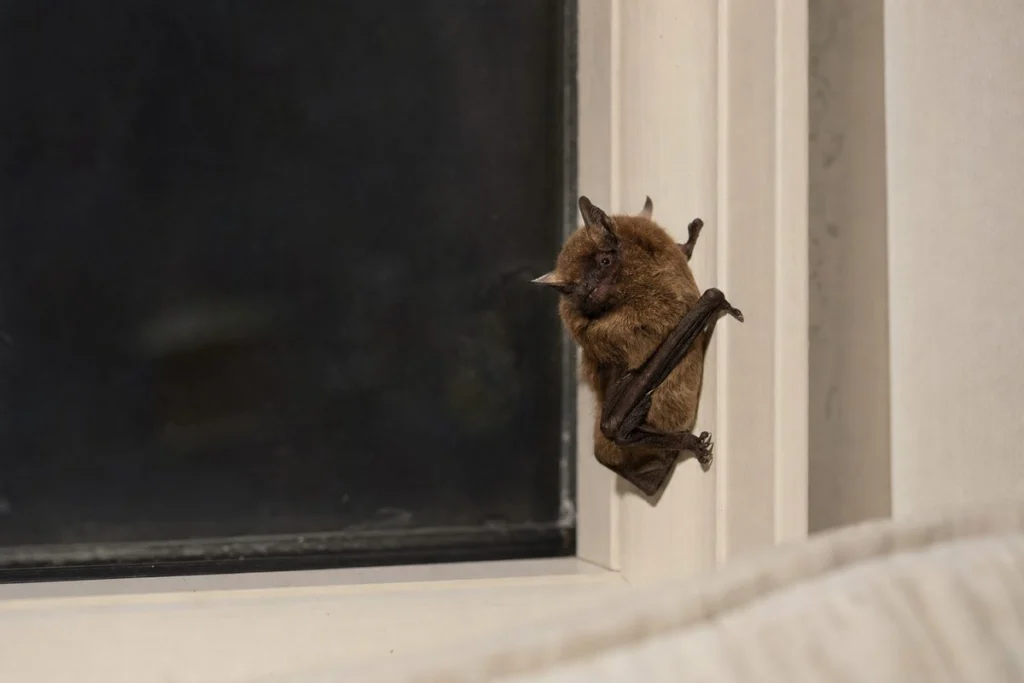
Most people cannot feel a bat bite because it’s small, often painless, and may occur while sleeping. Bat saliva contains natural anesthetics that numb the skin during the bite. Imagine hearing a faint flutter above your head while you inspect the attic. You might dodge a bat swooping by without feeling a thing. That tiny, invisible bite carries a serious risk if you let it slip under your radar. You’re about to discover why bat saliva doubles as a natural numbing agent, how to recognize sneaky warning signs like puncture marks or swelling, and the exact steps to take to keep rabies and infections at bay. Follow our expert guidance to keep your home safe and bat‑free. Debunking the Myth You probably won’t sense a bat bite when it happens. A small bat’s teeth deliver a painless nip that often slips past our nerve endings unnoticed. Bat saliva packs natural anesthetic compounds that block pain signals for minutes or even longer. That numbing trick leaves puncture marks as the only visible evidence, and exposes you to rabies risk if you don’t spot it quickly. Why Bat Bites Often Go Unnoticed Most people imagine a bite as something painful and dramatic, but bats don’t play by those rules. Their stealthy method of biting is designed to avoid detection, both by their prey and by humans unlucky enough to cross paths with them indoors. The Anesthetic Trick in Bat Saliva Vampire bat saliva contains specialized proteins that act as natural anesthetics, blocking pain signals at the wound site. These compounds create a temporary numbing effect that can last long enough for the bat to feed undisturbed. That silent bite leaves no immediate sting, making it easy to overlook until later signs appear. How Our Nerves Get Fooled A bat’s blade-like incisors make a micro-incision only 3–5 millimeters wide and deep, a size that often falls below the activation threshold of pain-sensing nerve fibers. Without sufficient mechanical force or chemical irritation, those small cuts don’t trigger C-fiber or A-delta pathways to alert the brain. The result is a silent nip that escapes notice until visible signs surface. Why You Might Sleep Through It Most bat bites occur at night while the person is asleep or barely conscious. During sleep, your body’s sensory thresholds are naturally higher, meaning it takes more stimulation to wake you up or register discomfort. Combine that with the numbing effect of saliva and you have the perfect recipe for a bite that flies completely under the radar. Signs to Watch for Beyond Pain If you can’t rely on pain to signal a bat bite, you’ll need to look for the physical evidence it leaves behind. These signs can be subtle, but spotting them early can make all the difference when it comes to getting proper treatment. Puncture Marks and Wound Patterns Bat bites typically leave two tiny puncture marks spaced just a few millimeters apart. They can resemble mosquito bites, paper pricks, or even vanish into creases on the skin. Areas like the neck, hands, face, and ankles are most commonly affected, especially during sleep. Redness, Swelling, or Unexplained Bruising If the skin around the bite becomes red, warm, or swollen, that’s a sign your immune system is responding to an injury. Mild bruising or discoloration can also appear within 24 to 48 hours, even if the bite itself wasn’t felt. These are your body’s red flags, don’t ignore them. Fluid Seepage or Delayed Irritation Sometimes, a clear or slightly yellowish fluid might seep from the site, especially if the skin’s been broken. You may also experience mild itching or tenderness later in the day, as histamines and inflammatory chemicals kick in. If anything looks or feels off, assume the worst and take action fast. Health Risks of an Unnoticed Bite An invisible bite doesn’t mean an invisible threat. In fact, the most dangerous thing about a bat bite is how easy it is to miss. Rabies is the primary concern, it’s rare but nearly always fatal once symptoms appear. Even when rabies isn’t transmitted, a bite can still cause painful bacterial infections that escalate quickly if left untreated. Here’s what can happen after an unnoticed bat bite: Rabies exposure: Bats are the top source of human rabies cases in the U.S. The virus spreads through saliva during a bite or contact with broken skin. Silent incubation: Rabies can lie dormant for weeks or months, then suddenly attack the nervous system with irreversible symptoms. Secondary infections: Bacteria from the bat’s mouth can cause swelling, fever, or even bloodstream infections like sepsis. False sense of security: Because the bite might not hurt, many people skip medical care, putting themselves at serious risk. Real-Life Examples of Overlooked Bat Bites It’s easy to think, “That would never happen to me.” But real cases show just how often bat bites go unnoticed, and how dangerous that can be. These aren’t spooky campfire tales; they’re public health records and medical reports that paint a sobering picture. The attic nap gone wrong: A Michigan man dozed off in his garage after chasing out a few bats. Weeks later, he developed confusion and seizures, classic rabies symptoms. No bite was ever felt, but he died shortly after diagnosis. The silent bedroom visitor: A young girl in Texas woke up to find a bat flying in her room. She had no visible wounds, but doctors recommended rabies treatment anyway. Lab tests later confirmed the bat carried the virus. Camping trip scare: A camper in Washington swatted a bat off his neck during the night. He didn’t see blood or feel pain, so he shrugged it off. Thankfully, a friend convinced him to visit a hospital, where he received lifesaving post-exposure shots just in time. These real-world stories underline a crucial truth: you don’t need pain or drama to be at risk. One missed clue can change everything. Immediate Steps After a Suspected Bat Bite If you think a bat may have bitten or come into contact with you, don’t wait for symptoms to appear. Early action can literally save your life. Even if you’re unsure, it's safer to treat it as a potential exposure and respond quickly. Here’s what you should do right away: Wash the area thoroughly: Use soap and warm water to clean the wound for at least 5 minutes. This helps remove saliva and lowers the risk of infection. Apply antiseptic: Use iodine, alcohol, or another disinfectant after washing to kill lingering bacteria or viruses. Document the incident: Take clear photos of the bite or affected area, and write down the date, time, and location of the encounter. Don’t try to catch the bat yourself: Contact animal control or a wildlife removal expert like AAAC Wildlife Removal to safely capture and test the bat. Seek medical care immediately: A healthcare provider will assess your exposure and may recommend post-exposure prophylaxis (PEP) for rabies, which is time-sensitive. Fast action gives you the best shot at avoiding serious illness, and gives medical professionals a clearer picture of what they’re dealing with. When to Seek Medical Help Not every bat encounter leads to a medical emergency, but if there's even a chance you’ve been bitten or scratched, you shouldn't wait it out. Rabies is fatal once symptoms appear, and medical professionals treat any possible exposure as time-sensitive. If you woke up to find a bat in your room, felt it brush your skin, or discovered a bat near a child or someone unable to communicate, get medical help immediately. Even in the absence of pain, subtle symptoms like unexplained swelling, redness, or bruising should never be ignored. Healthcare providers follow strict CDC guidelines to evaluate risk and will often begin post-exposure rabies treatment if there's any doubt. This treatment, known as PEP, is nearly 100% effective when started before symptoms begin, so don’t delay care based on uncertainty. Preventing Bat Encounters at Home The best way to avoid a bat bite is to keep bats out of your living space entirely. That starts with sealing entry points and knowing exactly how these winged intruders sneak into your attic, vents, or chimney. Bats can fit through gaps as small as half an inch, which means even tiny cracks or warped shingles can turn into open invitations. Conduct a thorough inspection during daylight hours when bats are sleeping. Check rooflines, soffits, vents, and eaves for gaps or droppings. If you spot signs of activity, don’t try to evict them yourself, DIY methods often make the problem worse or violate local wildlife laws. Instead, call a professional team like AAAC Wildlife Removal to safely exclude bats using humane, legal methods. Here’s what helps keep your home bat-free: Seal small openings with caulk, mesh, or flashing, especially around vents and rooflines Install chimney caps and vent covers to prevent nighttime entry Look for guano or grease marks along walls, ceilings, and rafters Avoid exclusion during maternity season (typically May to August) when baby bats are non-flight Schedule regular inspections if you live near wooded areas, caves, or have an older roof Knowing when and how to act helps prevent long-term infestations while keeping your home safe and wildlife protected. Don’t Rely on Pain to Spot a Bat Bite Bat bites are sneaky by design; small, painless, and often invisible until it’s too late. Just because you didn’t feel it doesn’t mean it didn’t happen. From natural numbing agents in their saliva to their razor-thin teeth, bats have all the tools to bite undetected and leave serious health risks in their wake. If you suspect a bat was in your home or near your skin, don’t gamble. Take action fast, check for subtle signs, and let professionals like AAAC Wildlife Removal handle the situation. When it comes to bats and rabies, hesitation can cost far more than peace of mind. Call AAAC Wildlife Removal Before a Small Bite Becomes a Big Problem Don’t wait for symptoms or second-guess an encounter, if a bat’s made its way into your home, it’s time to call in the pros. At AAAC Wildlife Removal, we specialize in humane bat exclusion and thorough home inspections that stop the problem at its source. Our team knows exactly where bats hide, how they get in, and what it takes to keep them out for good. Schedule your inspection today and let us help you protect your home, your health, and your peace of mind, before an unseen bite leads to serious consequences.
- Brian Moss (President)
- AAAC Wildlife Removal
06/09/2026
Total words : 1784
- Brian Moss (President)
- AAAC Wildlife Removal
06/09/2026 Total words : 1784
Can You Feel a Bat Bite?
Most people cannot feel a bat bite because it’s small,

Bat Influenza (Flu): What You Need to Know
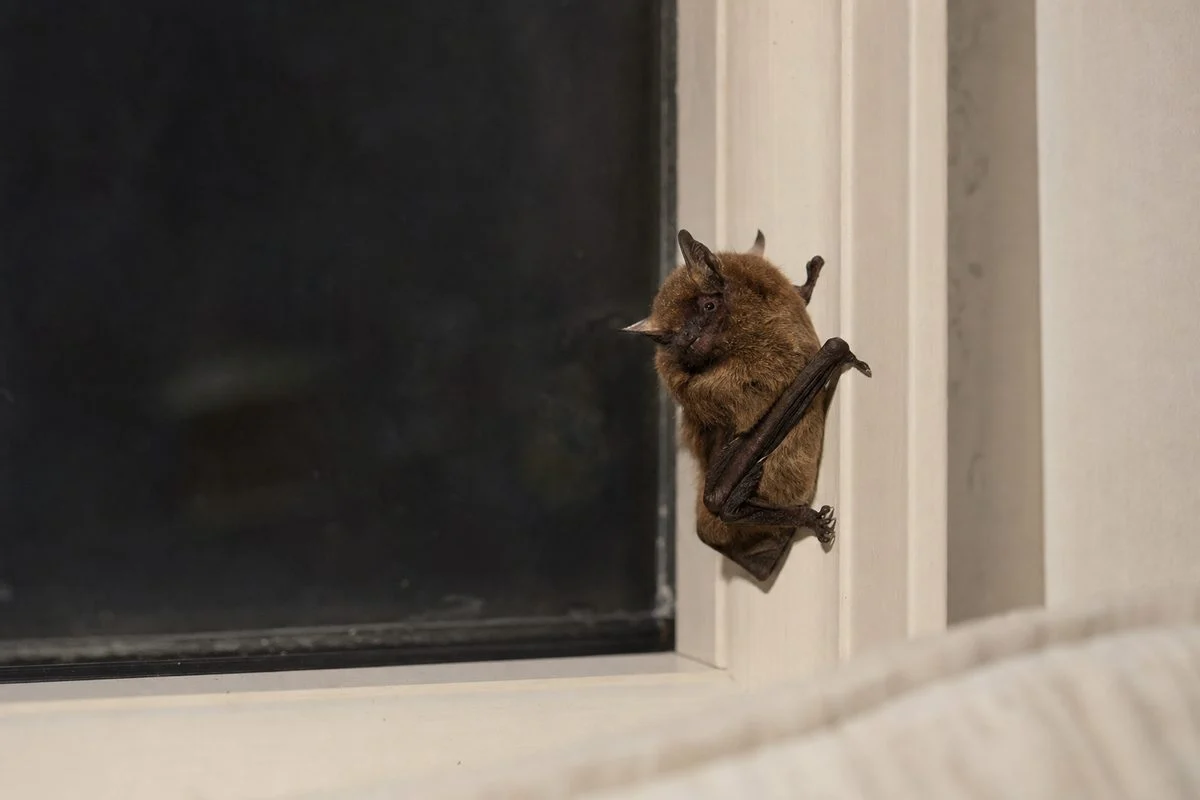
Yes, bats can get the flu, but don't panic just yet! Bats and the flu—now there's a combo you probably never thought you'd need to worry about! But yes, our winged, nocturnal friends can catch influenza, too. Don't worry; it's not as scary as it sounds. The bat flu is a fascinating topic that bridges the gap between wildlife and human health, shedding light on the complexities of zoonotic diseases (those that can jump from animals to humans). So, why should you care about bat flu? For starters, understanding how influenza affects bats can help scientists learn more about the virus itself, potentially leading to better prevention and treatment strategies for humans and other animals. Plus, let's be honest—bats are pretty cool creatures, and knowing more about them just adds to their mystique. In this article, we'll dive into the nitty-gritty of bat influenza, debunk some myths, and even share some fun facts about these remarkable animals. But first, let's clear up one thing: while bats can get the flu, the chances of you catching it from them are extremely slim. Now, let's get into the details! Key Takeaways Bats can get influenza, but it's rare and mostly affects them. Human transmission from bats is extremely unlikely. Understanding bat flu helps in broader studies of influenza and zoonotic diseases. What is Bat Influenza? Alright, let's start with the basics. Bat influenza, or bat flu, is an illness caused by influenza viruses that are specifically found in bats. Just like how humans get seasonal flu caused by various strains of the influenza virus, bats have their own versions of these pesky pathogens. Interestingly, the influenza viruses that infect bats are different from those that affect humans, birds, or pigs. Scientists have identified several strains of flu viruses in bats, but they primarily belong to two groups: Influenza A and Influenza B. However, these bat-specific strains have unique genetic characteristics that set them apart from the ones we commonly encounter. One of the most intriguing aspects of bat flu is its role in the broader ecosystem of influenza viruses. Researchers believe that studying these bat viruses can provide valuable insights into how flu viruses evolve and jump between species. This research could potentially lead to breakthroughs in preventing and treating influenza in humans and other animals. So, bat influenza is not just a bat problem—it's a piece of a much larger puzzle that helps us understand the intricate world of viruses. Now that we know what bat flu is, let's explore how these fascinating creatures end up catching it in the first place. How Do Bats Get the Flu? Now that we've established what bat influenza is, you might be wondering how these airborne acrobats end up with the flu in the first place. Just like us, bats are susceptible to viruses that can spread through close contact, shared environments, and even their food sources. Close Contact Bats are social animals. They love hanging out (literally) in large colonies, which makes them perfect hosts for spreading viruses. When bats huddle together in their roosts, the close proximity allows the influenza virus to hop from one bat to another with ease. Think of it as a crowded concert where everyone is breathing the same air—perfect for spreading a bug! Environmental Factors Bats often roost in places like caves, hollow trees, and even buildings. These environments can sometimes harbor pathogens, including the influenza virus. When bats come into contact with contaminated surfaces or inhale virus particles in their roosting sites, they can pick up the flu. Environmental conditions like temperature and humidity can also influence the survival and transmission of the virus. Food Sources Different bat species have varied diets, ranging from insects and fruit to nectar and even small animals. Sometimes, their food sources can be contaminated with the virus. For example, fruit bats might consume fruits that have been contaminated by the droppings of other infected animals. This indirect route can also lead to the spread of the flu among bats. Migration and Interaction with Other Species Bats are known for their long-distance migrations. During these journeys, they may come into contact with other bat populations or different species of animals. These interactions can introduce new viruses into bat colonies, facilitating the spread of influenza. Migration acts as a natural mixing bowl, increasing the chances of virus transmission. Can Bat Flu Affect Humans? So, can bat influenza make the leap from bats to humans? The short answer is: it’s highly unlikely. But let's dig a little deeper to understand why. Genetic Barriers The influenza viruses found in bats are genetically different from those that infect humans. These genetic differences create a natural barrier, making it difficult for bat flu to infect human cells. While viruses can sometimes mutate and jump between species, there is currently no evidence to suggest that bat flu has made this leap to humans. Lack of Direct Contact Most people don’t come into direct contact with bats. Unlike other animals like pigs or birds, which are often in close contact with humans on farms or in households, bats tend to keep their distance. This lack of direct interaction significantly reduces the risk of transmission. Historical Evidence To date, there have been no confirmed cases of humans contracting influenza directly from bats. While scientists are always on the lookout for potential zoonotic diseases (diseases that can jump from animals to humans), bat flu hasn’t been one of them. The few instances where humans have been infected by novel influenza viruses typically involve other animals like birds or swine. Vigilant Research Scientists are actively studying bat influenza viruses to understand their behavior and potential risks. This ongoing research includes monitoring bat populations, sequencing virus genomes, and studying how these viruses interact with other animals. This vigilance helps ensure that any emerging threats are quickly identified and addressed. The Bigger Picture While bat flu itself may not pose a direct threat to humans, studying it is crucial for broader public health efforts. By understanding how influenza viruses operate in bats, researchers can gain insights into the virus's evolution, how it might adapt to new hosts, and potential pathways of cross-species transmission. This knowledge can be invaluable in predicting and preventing future pandemics. Symptoms of Bat Flu Now that we know bats can get the flu and that it’s highly unlikely to affect humans, let's talk about how these tiny winged mammals show symptoms of influenza. Respiratory Issues Just like humans, bats with influenza often exhibit respiratory problems. They might have difficulty breathing, wheeze, or show signs of distress when flying. These symptoms can be tricky to spot unless the bats are being closely monitored by researchers. Lethargy One of the most common signs of illness in bats is lethargy. Infected bats may become unusually inactive, spending more time resting and less time engaging in their typical activities like foraging and socializing. This drop in energy levels can be a significant indicator that something is wrong. Behavioral Changes Bats with the flu may exhibit changes in behavior. This could include reduced flight activity, altered feeding habits, or even changes in their social interactions. For instance, a normally active bat might isolate itself from the rest of the colony. Physical Symptoms While it’s harder to see physical symptoms without close examination, some bats might show signs of illness like nasal discharge, coughing, or sneezing. These symptoms are similar to what humans experience with the flu and can help researchers identify infected bats. Laboratory Diagnosis Because it can be challenging to observe these symptoms directly in wild bat populations, researchers often rely on laboratory testing to confirm cases of bat flu. This involves capturing bats and taking samples like swabs from their noses or throats, which are then analyzed for the presence of influenza viruses. Mortality In severe cases, bat influenza can lead to increased mortality rates within bat colonies. If a significant number of bats in a colony die unexpectedly, this can prompt researchers to investigate further, potentially uncovering an influenza outbreak. Prevention and Control Measures So, what’s being done to keep bat flu in check and ensure it doesn’t become a bigger issue for bats—or humans? Here’s a look at the strategies and measures in place to monitor and control bat influenza. Monitoring Bat Populations Researchers regularly monitor bat populations to keep an eye on their health. This involves tracking bat colonies, collecting samples, and testing for the presence of influenza viruses. By keeping tabs on bat health, scientists can detect outbreaks early and respond accordingly. Research and Surveillance Ongoing research plays a critical role in understanding bat influenza. Scientists study the genetic makeup of bat flu viruses, how they evolve, and their potential to jump to other species. Surveillance programs help identify new strains and monitor their spread within bat populations. Wildlife Health Programs Many countries have wildlife health programs aimed at protecting the health of native species, including bats. These programs involve collaboration between wildlife biologists, veterinarians, and public health experts to address emerging diseases like bat influenza. Public Awareness and Education Educating the public about bat influenza and its risks (or lack thereof) is essential. Dispelling myths and providing accurate information helps prevent unnecessary panic and promotes a better understanding of bats and their role in the ecosystem. Public awareness campaigns also highlight the importance of protecting bat habitats and avoiding unnecessary human-bat interactions. Habitat Protection Protecting bat habitats is crucial for maintaining healthy bat populations. Conservation efforts focus on preserving natural roosting sites, reducing habitat destruction, and minimizing human disturbances. Healthy habitats help reduce stress on bat populations, which can make them less susceptible to diseases like influenza. Collaboration and Data Sharing Effective management of bat influenza requires collaboration at multiple levels. Scientists, conservationists, and public health officials work together, sharing data and resources to develop comprehensive strategies for monitoring and controlling the virus. International collaboration is also key, as bat populations often migrate across borders. Minimizing Human-Bat Interactions To reduce the risk of disease transmission, it’s important to minimize unnecessary interactions between humans and bats. This includes avoiding handling bats, keeping a safe distance from bat roosts, and following guidelines for bat conservation and management. For those who work with bats, such as researchers and wildlife rehabilitators, strict hygiene and safety protocols are essential. Veterinary Interventions In cases where bat colonies are in managed environments, such as in zoos or research facilities, veterinary interventions may be necessary. This can include quarantine measures, medical treatments, and vaccination research to protect bats from influenza outbreaks. Fun Facts About Bats and Diseases Bats are fascinating creatures, and their relationship with diseases is just one aspect of their intriguing lives. Here are some fun and lesser-known facts about bats and their interaction with diseases: Bats are Immune System Superstars Bats have incredibly robust immune systems that allow them to coexist with viruses that can be deadly to other species, including humans. Their ability to carry and tolerate various pathogens without getting sick makes them unique among mammals. Essential Pollinators and Pest Controllers Beyond their association with diseases, bats play crucial roles in our ecosystems. Many bat species are important pollinators, helping plants reproduce by spreading pollen. Additionally, insectivorous bats consume vast amounts of insects, acting as natural pest controllers and reducing the need for chemical pesticides. Bats and Rabies While rabies is often associated with bats, the truth is that less than 1% of bats carry the rabies virus. Nonetheless, it’s always wise to avoid handling bats and seek medical advice if bitten, as rabies is a serious disease. Long Lifespan for Small Mammals Bats have surprisingly long lifespans for their size. Some species can live for over 30 years, which is unusual for small mammals. Their longevity, combined with their ability to fly, makes them fascinating subjects for studying aging and metabolism. Unique Roosting Habits Bats have some unusual roosting habits. Some species prefer to hang upside down in caves or trees, while others roost in hollow logs, under bark, or even in human-made structures like bridges and buildings. Their diverse roosting preferences help them avoid predators and find suitable microclimates. Bat Maternity Colonies Many bat species form maternity colonies where females gather to give birth and raise their young. These colonies can range from a few dozen to thousands of individuals, providing warmth and protection for newborn bats until they are ready to fly. Echolocation Experts Bats are renowned for their echolocation abilities. They emit high-frequency sounds that bounce off objects, allowing them to navigate and hunt in complete darkness. This sophisticated biological sonar system makes them expert hunters, capable of detecting even the tiniest insects. Bat Conservation Efforts Due to their ecological importance and the threats they face from habitat destruction, climate change, and disease, bat conservation efforts are vital. Organizations worldwide are working to protect bat populations through habitat preservation, research, and public education. Diverse Species There are over 1,400 species of bats, making up about 20% of all mammal species. They range in size from the tiny bumblebee bat, which weighs less than a penny, to the giant flying foxes with wingspans of over five feet. Bats and Cultural Significance Bats hold significant cultural meanings in various societies. In some cultures, they are seen as symbols of good luck and prosperity, while in others, they are associated with mystery and the supernatural. Regardless of cultural perceptions, their ecological importance remains undeniable. Conclusion So, there you have it! Bats and influenza—two words you probably never expected to see in the same sentence, yet they come together to form a fascinating story of nature's complexity. While the idea of bats catching the flu might seem alarming at first, the reality is far less dramatic and much more interesting.
- Brian Moss (President)
- AAAC Wildlife Removal
12/25/2024
Total words : 2302

Unveiling Why Bats Matter: Nature’s Unsung Heroes
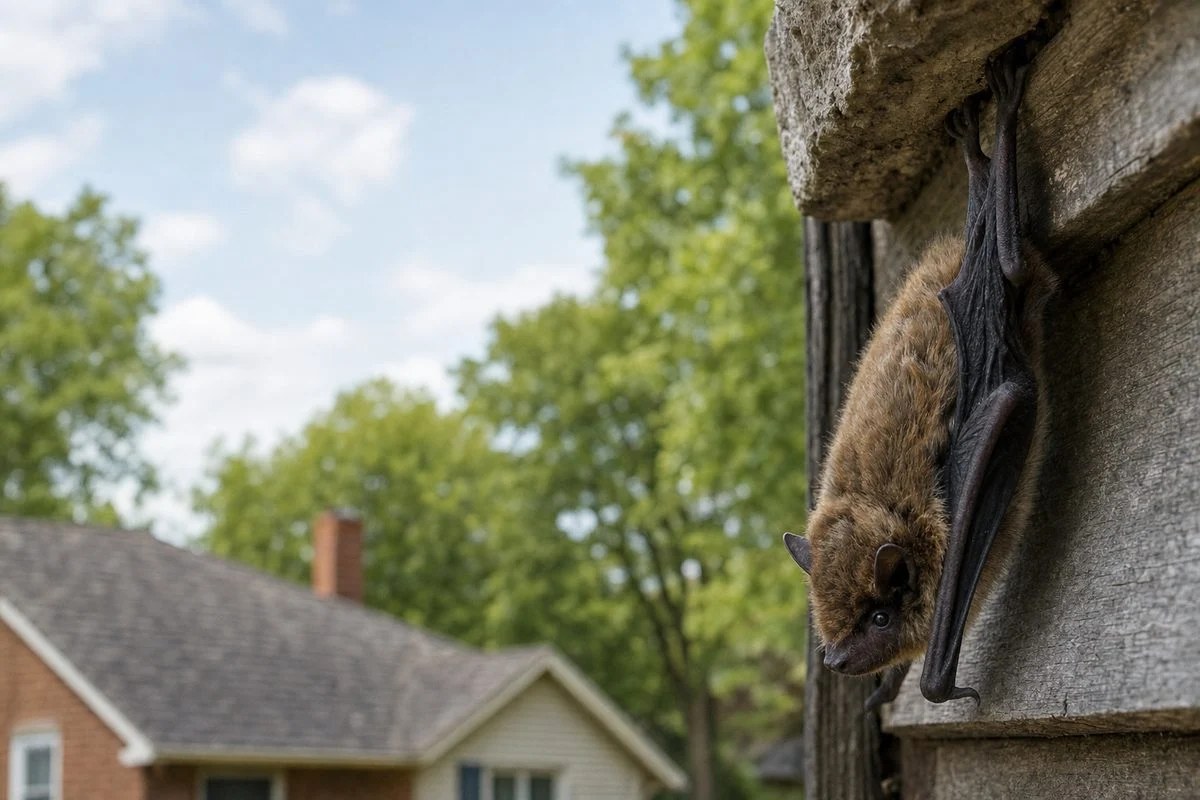
Bats are the unsung heroes of our ecosystem, playing crucial roles that benefit us all. Hey there, nature lovers! Ever wondered why bats are so important? These little night-flyers might not get as much love as pandas or dolphins, but they’re just as crucial to our planet’s health. Picture this: you’re enjoying a peaceful evening outdoors, free from the annoyance of buzzing mosquitoes. You can thank bats for that! These nocturnal superheroes are the unsung guardians of our ecosystems, and it’s high time we shed some light on their amazing contributions. Let’s dive into the world of bats and uncover why they truly matter, from pest control to pollination and beyond. Trust me, by the end of this article, you’ll see bats in a whole new light. Key Takeaways Bats contribute significantly to pest control and pollination. They play a vital role in maintaining healthy ecosystems. Bats have a surprising economic impact on agriculture. Bats as Natural Pest Controllers Alright, let’s get into one of the coolest superpowers bats have – natural pest control. Imagine a world where farmers didn't have to rely so heavily on chemical pesticides. Sounds dreamy, right? Well, bats are making that dream a reality. These nocturnal ninjas are voracious eaters, especially when it comes to insects. Every night, a single bat can gobble up thousands of insects, including those pesky mosquitoes that love to ruin our summer evenings. But their diet isn't just about making our BBQs more enjoyable. Bats play a crucial role in agriculture by keeping crop-damaging insects in check. Think about it: fewer bugs munching on crops means less need for chemical pesticides, which is a win for both farmers and the environment. Consider this – in the U.S. alone, bats save the agriculture industry an estimated $3.7 billion a year in pest control services. That’s a lot of cash saved just by letting bats do what they do best. And it's not just about the money. Reducing pesticide use means healthier ecosystems, cleaner water, and safer food for us all. So, next time you see a bat zipping around at dusk, remember – it's on a mission to keep our world a little bit greener and our lives a lot less buggy. These tiny pest controllers are a huge asset, silently working behind the scenes to maintain a balanced ecosystem and protect our crops. Who knew such small creatures could have such a big impact? Pollinators and Seed Dispersers Now, let's talk about another superhero skill that bats possess – their role as pollinators and seed dispersers. You might be thinking, "Wait, bats do more than just eat bugs?" Absolutely! These night-time dynamos are also key players in keeping our ecosystems vibrant and diverse. First off, let’s chat about pollination. You might already know that bees and butterflies are great pollinators, but did you know that bats are too? Many bat species, especially in tropical and desert regions, are essential pollinators for a variety of plants. This includes some plants that produce fruits we love, like bananas, mangoes, and even the agave plant – yes, the one that gives us tequila. Imagine a world without these delicious fruits and, dare I say, tequila! It’s the bats who help keep these plants thriving by transferring pollen as they feed on nectar. But wait, there’s more. Bats also play a crucial role in seed dispersal. Many plants rely on bats to spread their seeds far and wide, promoting forest regeneration and biodiversity. When bats eat fruits, they fly off and later excrete the seeds in different locations, often far from the parent plant. This helps in the growth of new plants and maintains healthy, diverse ecosystems. Forests, especially rainforests, owe a lot to these flying gardeners who help plants colonize new areas and maintain genetic diversity. Imagine bats as the unsung gardeners of the night, working tirelessly to ensure our forests and gardens flourish. Without them, many plant species would struggle to survive, leading to less diverse and resilient ecosystems. Economic Benefits of Bats Alright, folks, let’s dive into the dollars and cents of why bats matter – the economic benefits. You might not think of these little creatures as financial powerhouses, but their contributions to the economy are nothing short of impressive. First up, pest control. As we mentioned earlier, bats are voracious insect eaters. By keeping pest populations in check, they provide a natural service that saves the agriculture industry billions of dollars each year. Fewer pests mean healthier crops and less reliance on expensive chemical pesticides. In the U.S. alone, bats save farmers an estimated $3.7 billion annually. That’s money that can be reinvested into sustainable farming practices, research, and even lower prices for consumers. It’s a win-win situation all around. Now, let's talk about healthcare. Reducing the use of chemical pesticides, thanks to bats' natural pest control, means fewer chemicals in our environment. This translates to cleaner water, healthier soil, and, ultimately, better health for humans and wildlife alike. Fewer chemicals in our food and water supply can reduce the risk of pesticide-related health issues, which can save on healthcare costs and improve overall well-being. Bats also boost local economies through tourism. Yep, you heard that right – bat tourism is a thing! Many regions around the world have turned their bat populations into tourist attractions. For example, the Congress Avenue Bridge in Austin, Texas, is home to the largest urban bat colony in North America. Every evening, thousands of tourists gather to watch the bats emerge at dusk, bringing significant revenue to the local economy through tourism-related spending on hotels, restaurants, and activities. This kind of eco-tourism not only educates people about the importance of bats but also supports local businesses. And let’s not forget about the indirect economic benefits. Bats play a crucial role in pollination and seed dispersal, as we discussed earlier. Healthy ecosystems with diverse plant and animal life contribute to the overall stability of our environment, which in turn supports agriculture, forestry, and fisheries. These industries rely on robust ecosystems to thrive, and bats are an integral part of that equation. Fascinating Bat Facts Ready to have your mind blown? Bats are not just essential for our ecosystems and economy; they’re also downright fascinating. Here are some cool bat facts that will make you appreciate these nocturnal marvels even more. Incredible Diversity There are over 1,400 species of bats, making them the second most diverse group of mammals after rodents. They range in size from the tiny bumblebee bat, which weighs less than a penny, to the giant flying fox, with a wingspan of up to six feet. This incredible diversity means that bats have adapted to a wide range of habitats and diets, showcasing nature’s creativity at its finest. Masters of Flight Bats are the only mammals capable of sustained flight. Unlike birds, bats have flexible wings with a thin membrane of skin stretched over elongated fingers. This unique wing structure allows for remarkable agility and maneuverability in the air, enabling them to catch insects on the fly and navigate through the darkest of nights with ease. Long Lifespan Despite their small size, bats can live surprisingly long lives. Some species of bats can live up to 30 years or more, which is quite impressive when you consider that most small mammals have much shorter lifespans. This longevity allows bats to play a consistent role in their ecosystems over many years. Echolocation Experts Many bats use echolocation to navigate and hunt in the dark. By emitting high-frequency sounds and listening for the echoes that bounce back from objects, bats can create a mental map of their surroundings. This remarkable ability allows them to detect even the smallest insects in complete darkness, making them highly efficient hunters. Social Creatures Bats are incredibly social animals. They often live in large colonies, sometimes numbering in the millions. These colonies can be found in caves, trees, buildings, and even bridges. Living in groups provides bats with safety in numbers and enhances their ability to locate food and mates. Important Pollinators As we’ve discussed, many bats are crucial pollinators. Without them, we’d have a hard time enjoying some of our favorite fruits and plants. In fact, some plants have evolved to bloom at night specifically to attract bat pollinators. These plants often have strong scents and large, pale flowers, making them easy for bats to find in the dark. Disease Fighters Bats play a role in controlling the spread of diseases. By consuming large quantities of insects, they help reduce the population of disease-carrying pests such as mosquitoes. This natural pest control helps lower the risk of diseases like malaria and West Nile virus, protecting both humans and animals. The Plight of Bats As much as we’ve celebrated the incredible awesomeness of bats, it’s time to talk about the challenges they face. Despite their many benefits and fascinating traits, bats are in trouble. Let’s delve into the major threats that are putting these vital creatures at risk. Habitat Loss One of the biggest threats to bats is habitat destruction. Deforestation, urbanization, and agricultural expansion are wiping out the natural habitats that bats depend on. Trees, caves, and other roosting sites are being destroyed, leaving bats with fewer places to live and breed. This loss of habitat not only reduces bat populations but also disrupts the ecosystems they help maintain. Disease Bats are susceptible to diseases, just like any other animal. One of the most devastating diseases affecting bats is White-Nose Syndrome (WNS), a fungal infection that has killed millions of bats in North America since it was first discovered in 2006. WNS causes bats to wake from hibernation frequently, depleting their fat reserves and leading to starvation. The rapid spread of this disease has had catastrophic effects on bat populations. Climate Change Climate change poses a significant threat to bats. Changes in temperature and weather patterns can affect the availability of food and suitable roosting sites. Warmer winters can disrupt hibernation cycles, while extreme weather events can destroy habitats and food sources. As climate change continues to alter our environment, bats are struggling to adapt to these rapid changes. Human Disturbance Human activities, such as cave tourism and urban development, can disturb bat colonies. Bats are sensitive to light and noise, and frequent disturbances can cause them to abandon their roosts, leading to increased stress and reduced reproductive success. Additionally, the use of pesticides and other chemicals can poison bats and reduce their food supply. Misconceptions and Fear Bats often suffer from a bad reputation, fueled by myths and misconceptions. Many people fear bats, associating them with diseases and vampires. This fear can lead to persecution and the destruction of bat roosts. In reality, bats are shy, gentle creatures that pose little threat to humans. Educating the public about the true nature of bats is crucial for their conservation. Wind Turbines While wind energy is a clean and sustainable power source, it can pose a threat to bats. Many bats are killed each year by collisions with wind turbines. Efforts are being made to develop bat-friendly turbine designs and to implement measures that reduce the risk of bat fatalities, but it remains a significant concern. The plight of bats is a pressing issue that requires our attention and action. Conservation efforts are crucial to protect these invaluable creatures. By preserving their habitats, combating diseases like WNS, mitigating the effects of climate change, and reducing human disturbances, we can help ensure that bats continue to thrive.
- Brian Moss (President)
- AAAC Wildlife Removal
12/18/2024
Total words : 1929
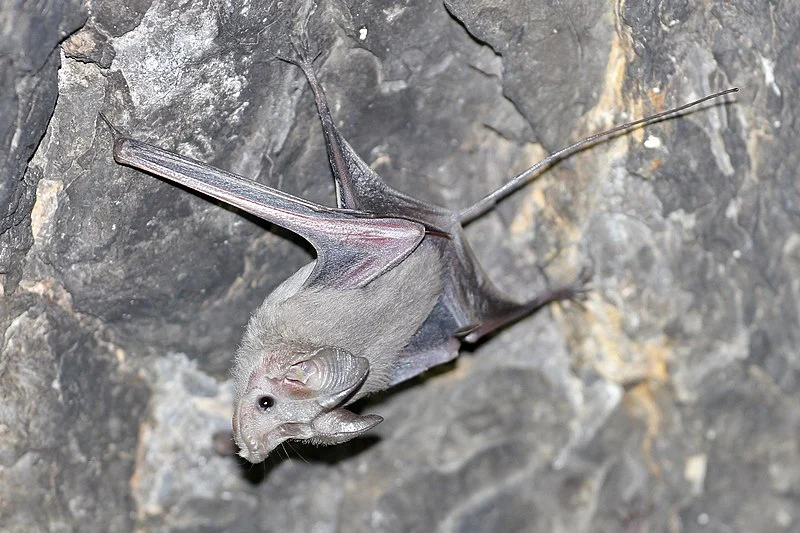
Bat Damage: Identifying and Preventing Pest Intrusions at Home
Bat damage can significantly harm buildings and homes, primarily through the accumulation of guano, which can lead to structural deterioration and unpleasant odors. Additionally, bat infestations pose health risks due to the potential spread of diseases such as histoplasmosis, transmitted through fungal spores in their droppings. Key Takeaways Bats can cause significant structural damage and health risks when they invade homes and buildings. Recognizing early warning signs of a bat infestation, such as droppings, stains, and noises, is crucial for timely intervention. Preventing infestations involves sealing entry points, maintaining cleanliness, and installing bat houses as alternative roosting sites. Quick action and professional wildlife removal services are essential for safe and humane bat removal and subsequent cleaning and repair. Proactively following prevention guidelines and addressing infestations promptly helps maintain a safe and healthy living environment. AAAC Wildlife Removal offers expert assistance in wildlife control and property protection. Bats, often associated with spooky tales and nocturnal mysteries, play a crucial role in our ecosystem by controlling insect populations. However, when these winged creatures decide to take up residence in your attic, basement, or walls, they can become unwelcome guests. Bat infestations pose significant risks, not just to the structural integrity of buildings, but also to the health of those living within them. Understanding the nature of bat damage is essential for homeowners, property managers, and animal control professionals alike. At AAAC Wildlife Removal, we understand the stress and concern that bat infestations can cause. In this comprehensive guide, we'll explore the various types of damage bats can cause, how to identify signs of their presence, and the health risks they bring along. We'll also delve into effective prevention strategies and practical solutions for dealing with bat infestations and repairing any damage they leave behind. By the end of this article, you'll be equipped with the knowledge to protect your property and ensure a safe, bat-free environment. Understanding Bat Damage Bats can cause a surprising amount of damage when they invade homes and buildings. Their presence is not only a nuisance but also a potential threat to both property and health. Here’s a closer look at the types of damage bats can inflict: Types of Damage Structural Damage: Attics and Walls: Bats often choose attics and walls as their roosting sites. Over time, their droppings (guano) and urine can accumulate, leading to stains, odors, and even wood rot. Insulation: Bats can crush and contaminate insulation with their guano and urine, reducing its effectiveness and necessitating costly replacement. Entry Points: Bats create or enlarge small openings to gain entry, which can compromise the integrity of the building’s exterior and allow other pests to enter. Health Risks: Histoplasmosis: This respiratory disease is caused by a fungus that grows in bat guano. Inhalation of spores can lead to serious lung infections. Rabies: Although rare, bats can carry rabies, posing a direct threat to humans and pets through bites or scratches. Aesthetic and Odor Issues: Stains and Odors: Bat guano and urine can leave unsightly stains on walls and ceilings, accompanied by a strong, unpleasant odor. Noise: The sounds of bats moving, chirping, and scratching can be disturbing, particularly at night. Signs of Bat Infestation Early detection of a bat infestation is crucial to prevent extensive damage and health risks. Here are some common signs that bats have taken up residence in your property: Visual Signs: Droppings (Guano): Bat droppings are small, dark, and often found in piles beneath roosting sites. They can resemble mouse droppings but tend to crumble into dust when touched. Stains: Look for dark, greasy stains around potential entry points like eaves, vents, and chimneys, which indicate repeated bat activity. Auditory Signs: Noises: Bats are nocturnal and most active at dusk and dawn. Listen for squeaking, chirping, and scratching sounds coming from walls, attics, or ceilings, especially during these times. Odor: Musty Smell: A strong, musty odor often accompanies bat infestations due to the accumulation of guano and urine. This smell can permeate living spaces and be particularly noticeable in confined areas. Physical Presence: Sightings: Spotting bats flying around your home at dusk or dawn is a clear indicator. Additionally, finding a live or dead bat inside your home is a definite sign of an infestation. Structural Clues: Entry Points: Bats can squeeze through very small openings. Check for gaps around vents, chimneys, eaves, and roofing. Look for signs of damage or enlargement of these openings. By recognizing these signs early, you can take prompt action to address a bat infestation before it causes significant damage. In the next section, we’ll discuss the health risks associated with bats and the importance of addressing these risks promptly. Health Risks Associated with Bats Bats are not only a nuisance but also a potential health hazard. One of the primary health concerns associated with bats is histoplasmosis, a respiratory disease caused by the inhalation of spores from a fungus that thrives in bat guano. When bat droppings accumulate in attics or other enclosed spaces, the conditions become ripe for the growth of this fungus. Inhaling the spores can lead to serious lung infections, which can be particularly severe for individuals with compromised immune systems. Another significant health risk is rabies. Although the incidence of rabies in bats is relatively low, the consequences of a bat bite or scratch can be severe, as rabies is almost always fatal once symptoms appear. It's crucial to handle any bat-human or bat-pet interactions with extreme caution and seek medical attention if contact occurs. Additionally, the accumulation of bat guano and urine can lead to poor indoor air quality, exacerbating respiratory conditions such as asthma and allergies. Given these risks, it's essential to address bat infestations promptly and thoroughly to protect the health of everyone in the home or building. Preventing Bat Infestations Preventing bat infestations requires a proactive approach to property maintenance and bat-proofing techniques. The first step in prevention is to seal all potential entry points. Bats can squeeze through very small gaps, so it's essential to inspect your home or building for cracks and openings around vents, chimneys, eaves, and roofing. Using materials like caulk, wire mesh, or expanding foam can help seal these entry points effectively. Installing bat houses away from your property can provide bats with an alternative roosting site, reducing the likelihood of them choosing your home. Additionally, maintaining a clean environment around your property by trimming trees and removing excess clutter can make your home less attractive to bats. It's important to use humane practices for bat removal and exclusion, as bats are beneficial for the ecosystem and are protected by law in many areas. Consulting with professional wildlife removal services like AAAC Wildlife Removal can ensure that prevention methods are effective and compliant with local regulations. These professionals can provide detailed inspections, recommend the best prevention strategies, and implement solutions tailored to your specific situation. By taking these preventative measures, you can significantly reduce the risk of a bat infestation and the associated damage and health risks. Dealing with Bat Damage Discovering bat damage in your home or building can be alarming, but taking swift action is essential to mitigate further harm and health risks. The first step when bat damage is discovered is to safely remove the bats from the premises. Given the potential health hazards and legal protections surrounding bats, it’s often best to contact professional wildlife removal services, such as AAAC Wildlife Removal. These experts can safely and humanely remove the bats, ensuring compliance with local wildlife protection laws. Once the bats are removed, the focus should shift to cleaning and repairing the affected areas. Begin by thoroughly cleaning up bat guano and urine, wearing protective gear to avoid exposure to harmful pathogens. Specialized cleaning solutions and vacuums with HEPA filters are recommended to ensure thorough decontamination. Next, assess the extent of the structural damage. Replace contaminated insulation, repair stained or rotting wood, and seal any entry points to prevent future infestations. For minor repairs and clean-up, some homeowners may choose to handle the work themselves, but significant damage or contamination often requires professional restoration services. In addition to physical repairs, consider installing bat-proofing measures to safeguard against future invasions. This might include reinforcing vulnerable areas with materials like wire mesh or metal flashing, and ensuring all vents and chimneys are properly covered. By taking these steps, you can restore your property to a safe and secure state, free from the threats posed by bat damage. Conclusion Bats, while beneficial to the environment, can become serious pests when they invade homes and buildings, causing structural damage and posing health risks. Understanding the signs of a bat infestation and the potential damage they can cause is crucial for homeowners, property managers, and animal control professionals. By recognizing early warning signs, such as droppings, stains, and noises, you can take proactive measures to address the issue before it escalates. Preventing bat infestations involves sealing entry points, maintaining a clean environment, and possibly installing alternative roosting sites like bat houses. Should an infestation occur, it is essential to act quickly by enlisting the help of professional wildlife removal services like AAAC Wildlife Removal. These experts can ensure the safe and humane removal of bats, followed by thorough cleaning and repair of the affected areas. By following the guidelines outlined in this article, you can protect your property from the damage and health risks associated with bats. Taking a proactive approach to prevention and promptly addressing any signs of infestation will help maintain a safe and healthy environment for you and your family. For further assistance and professional support, consider reaching out to AAAC Wildlife Removal, your trusted partner in wildlife control and property protection.
- Brian Moss (President)
- AAAC Wildlife Removal
11/20/2024
Total words : 1615
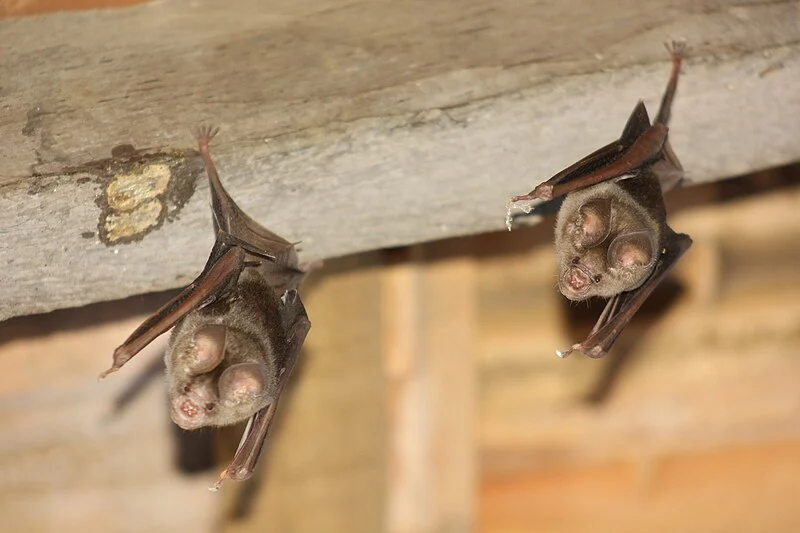
Do Bats Carry HIV? Exploring the Virus-Host Connection
No, bats do not carry HIV. Hey there, curious reader! You might have stumbled upon some wild rumors and spooky stories about bats and their association with HIV. Well, let's clear the air right away: bats do not carry HIV. It's a myth that has caused unnecessary fear and confusion, so let's debunk it once and for all. Understanding the relationship between wildlife and diseases is crucial, especially in today's world where zoonotic diseases (those that can jump from animals to humans) are a hot topic. Bats, in particular, often get a bad rap when it comes to viruses. However, while they are fascinating creatures with their own set of viral friends, HIV isn't one of them. In this article, we’ll dive into the world of bats and viruses, bust some myths, and provide you with accurate information. So, buckle up and get ready to learn something new – and maybe even develop a newfound respect for our nocturnal, winged friends! Key Takeaways Bats are not carriers of HIV. HIV is specific to humans and some primates. Bats can carry other viruses, but not HIV. Understanding zoonotic diseases is crucial for public health. Understanding HIV Alright, let's start with the basics. HIV, or Human Immunodeficiency Virus, is a virus that specifically targets the human immune system. It's the virus responsible for AIDS (Acquired Immunodeficiency Syndrome), a condition that severely weakens the body's ability to fight off infections and diseases. What is HIV? HIV is a retrovirus, which means it inserts its genetic material into the host's DNA, using the host's cellular machinery to replicate. This virus primarily attacks CD4 cells, a type of white blood cell that's crucial for immune function. Over time, as HIV destroys more CD4 cells, the immune system becomes increasingly compromised, leading to AIDS if left untreated. Origins of HIV HIV has its origins in simian immunodeficiency virus (SIV), which is found in chimpanzees and some other primates. The virus crossed over to humans, most likely through hunting and consumption of bushmeat, leading to the emergence of HIV in humans. This process is known as zoonosis, where a disease jumps from animals to humans. How is HIV Transmitted? HIV is transmitted through certain body fluids: blood, semen, vaginal fluids, rectal fluids, and breast milk. The most common ways HIV spreads are through unprotected sexual contact, sharing needles, and from mother to child during birth or breastfeeding. It's important to note that casual contact, like hugging, shaking hands, or sharing food, does not spread HIV. Why is HIV Specific to Humans and Some Primates? HIV is highly specific to humans and certain primates due to the way it interacts with the host's cells. The virus has evolved to exploit specific receptors on human CD4 cells, a process that doesn't easily translate to other species. This specificity is why, despite many animals being carriers of various viruses, they don't carry HIV. Bats and Viruses Now that we've covered the essentials about HIV, let's talk about bats and their intriguing relationship with viruses. Bats are often in the spotlight when it comes to discussions about zoonotic diseases, and for good reason. These nocturnal creatures have some unique characteristics that make them noteworthy in the study of viruses. Types of Viruses Bats Can Carry Bats are known to be reservoirs for a variety of viruses. Some of the most notable include: Rabies: Perhaps the most well-known, rabies is a deadly virus that can be transmitted to humans and other animals through bites or scratches. Coronaviruses: This family of viruses includes some that have caused significant human outbreaks, such as SARS, MERS, and the novel coronavirus responsible for COVID-19. Ebola and Marburg viruses: These are filoviruses that cause severe hemorrhagic fevers with high mortality rates. Nipah and Hendra viruses: These paramyxoviruses can cause severe disease in both animals and humans, often with high fatality rates. Why Are Bats Often Linked to Viral Outbreaks? Bats have several unique traits that make them effective carriers of viruses: High Mobility: Bats can travel long distances, spreading viruses across wide areas. Long Lifespan: Compared to other small mammals, bats have relatively long lifespans, providing more opportunities to harbor and transmit viruses. Social Behavior: Many bat species live in large colonies, facilitating the rapid spread of viruses among individuals. Immune System: Bats have a unique immune system that allows them to coexist with viruses that would be deadly to other animals. This ability helps them carry viruses without showing symptoms, acting as silent reservoirs. The Positive Side of Bats Despite their association with various viruses, bats play a crucial role in ecosystems: Pollination and Seed Dispersal: Many plants rely on bats for pollination and seed dispersal, which helps maintain biodiversity. Pest Control: Bats consume large quantities of insects, including pests that can damage crops, providing natural pest control. Myths and Facts About Bats and HIV Now, let's dive into the myths and facts surrounding bats and HIV. It's important to separate fiction from reality to foster a better understanding of these fascinating creatures and their relationship with diseases. Myth 1: Bats Carry HIV Fact: Bats do not carry HIV. HIV is a virus that specifically infects humans and certain primates. While bats are known to be reservoirs for many viruses, HIV is not one of them. This myth likely arises from confusion about the broad range of viruses bats can harbor. Myth 2: Bats Can Transmit HIV to Humans Fact: Since bats do not carry HIV, they cannot transmit it to humans. HIV transmission requires specific conditions involving human bodily fluids, such as through unprotected sex, sharing needles, or from mother to child during birth or breastfeeding. Simply put, there is no pathway for bats to transmit HIV to humans. Myth 3: All Viruses Carried by Bats Are Dangerous to Humans Fact: While bats do carry some viruses that can be dangerous to humans, not all bat-borne viruses pose a threat. Many viruses carried by bats are specific to them and do not have the capability to infect humans. It’s important to understand that bats have co-evolved with many of these viruses, often without any harm to themselves or humans. Myth 4: Avoiding Bats Completely is the Best Way to Prevent Viral Infections Fact: While it's wise to avoid direct contact with wild bats, especially if they appear sick or injured, completely avoiding them is neither practical nor necessary. Bats play vital roles in ecosystems, such as controlling insect populations and pollinating plants. Instead of avoidance, understanding and respecting wildlife, alongside practicing good hygiene and avoiding handling wild animals, are more effective strategies for preventing viral infections. Myth 5: Bat Populations Should be Culled to Prevent Disease Outbreaks Fact: Culling bat populations is not a scientifically supported method for preventing disease outbreaks. In fact, it can be counterproductive and ecologically damaging. Bats contribute significantly to biodiversity and ecosystem health. Effective disease prevention strategies include monitoring wildlife health, studying virus transmission pathways, and promoting human-wildlife coexistence. The Real Risks from Bats Alright, now that we've debunked the HIV myth, let's talk about what bats actually can carry. While bats don’t carry HIV, they are known to be reservoirs for other viruses. Understanding these real risks helps us take appropriate precautions without unnecessary fear. Diseases Bats Can Carry Rabies Transmission: Rabies is perhaps the most well-known disease associated with bats. It can be transmitted through bites or scratches from an infected bat. Prevention: Avoid handling bats and ensure pets are vaccinated against rabies. If you are bitten or scratched by a bat, seek medical attention immediately. Coronaviruses Transmission: Bats are natural hosts for many coronaviruses, some of which can spill over to humans and cause diseases. The most notable recent example is the SARS-CoV-2 virus, which causes COVID-19. However, direct transmission from bats to humans is rare and usually involves an intermediate host. Prevention: Maintain good hygiene practices, avoid contact with wild animals, and support efforts to monitor and control zoonotic diseases. Histoplasmosis Transmission: This is a fungal infection that can be contracted by inhaling spores from bat droppings (guano). It typically affects the lungs. Prevention: Avoid disturbing bat habitats, especially in caves or areas where guano accumulates. Wear protective gear if you must enter such environments. Preventative Measures to Avoid Risks Avoid Direct Contact: The simplest way to prevent transmission of diseases from bats is to avoid handling them. Bats are generally not aggressive, but they will defend themselves if they feel threatened. Vaccinations: Ensure pets are vaccinated against rabies and keep their vaccinations up to date. Protective Gear: If you work in environments where contact with bats or their droppings is possible, wear protective clothing, masks, and gloves. Seal Entry Points: Bats can enter buildings through small openings. Seal any gaps in your home to prevent them from roosting indoors. Educate and Inform: Raising awareness about the real risks and the ecological benefits of bats can help reduce fear and promote coexistence. Understanding and Respecting Bats Bats play a crucial role in our ecosystem. They help control insect populations, pollinate plants, and disperse seeds. Instead of fearing them, we should learn to respect and protect them while taking sensible precautions to minimize any health risks. By focusing on factual information and proper preventative measures, we can appreciate bats for the vital role they play in nature without falling for myths that cause unnecessary alarm. Let's continue to explore the amazing world of bats and their positive contributions to our environment. Fun Facts About Bats We've talked about the serious stuff, so now let's lighten things up with some fun and quirky facts about bats. These amazing creatures are full of surprises, and it's time to celebrate their unique qualities! Quirky and Interesting Bat Facts Diverse Species Huge Variety: There are over 1,400 species of bats, making them the second most diverse group of mammals after rodents. They can be found on every continent except Antarctica. Sizes and Shapes: Bats range in size from the tiny bumblebee bat, which weighs less than a penny, to the giant golden-crowned flying fox, with a wingspan of up to 5.6 feet! Echolocation Experts Nature's Sonar: Many bats use echolocation to navigate and find food in the dark. They emit high-frequency sounds that bounce off objects, allowing them to create a mental map of their surroundings. Precision Hunters: Echolocation is so precise that some bats can detect objects as thin as a human hair and catch insects in complete darkness. Social Creatures Colony Living: Bats are highly social and often live in large colonies. Some colonies can number in the millions, like the famous Bracken Cave colony in Texas. Communication: Bats have complex social structures and communicate using a variety of vocalizations and body language. They even have unique calls to identify themselves to others in their colony. Long Lifespans Surprisingly Long Lives: Despite their small size, bats can live surprisingly long lives. Some species can live over 30 years in the wild, with the oldest known bat reaching 41 years! Unique Feeding Habits Vampire Bats: While most bats are insectivores or frugivores, three species of vampire bats feed on blood. But don't worry—they usually prefer livestock and rarely bother humans. Special Diets: Other bats have unique diets too. The Mexican long-tongued bat, for instance, has a tongue that can extend to 1.5 times the length of its head to reach nectar deep inside flowers. Bat Myths and Legends Cultural Significance: Bats appear in myths and legends around the world. In Chinese culture, bats are symbols of good luck and happiness, while in Western folklore, they are often associated with vampires and Halloween. Environmental Indicators Health Checkers: Bats are considered bioindicators, meaning their presence and health reflect the overall health of the ecosystem. Monitoring bat populations can provide valuable information about environmental changes.
- Brian Moss (President)
- AAAC Wildlife Removal