


- Brian Moss (President)
- AAAC Wildlife Removal
11/27/2024 Total words : 1274
Are Snakes Carnivores? Exploring the Diet of Serpents
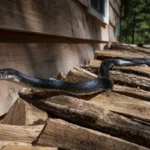
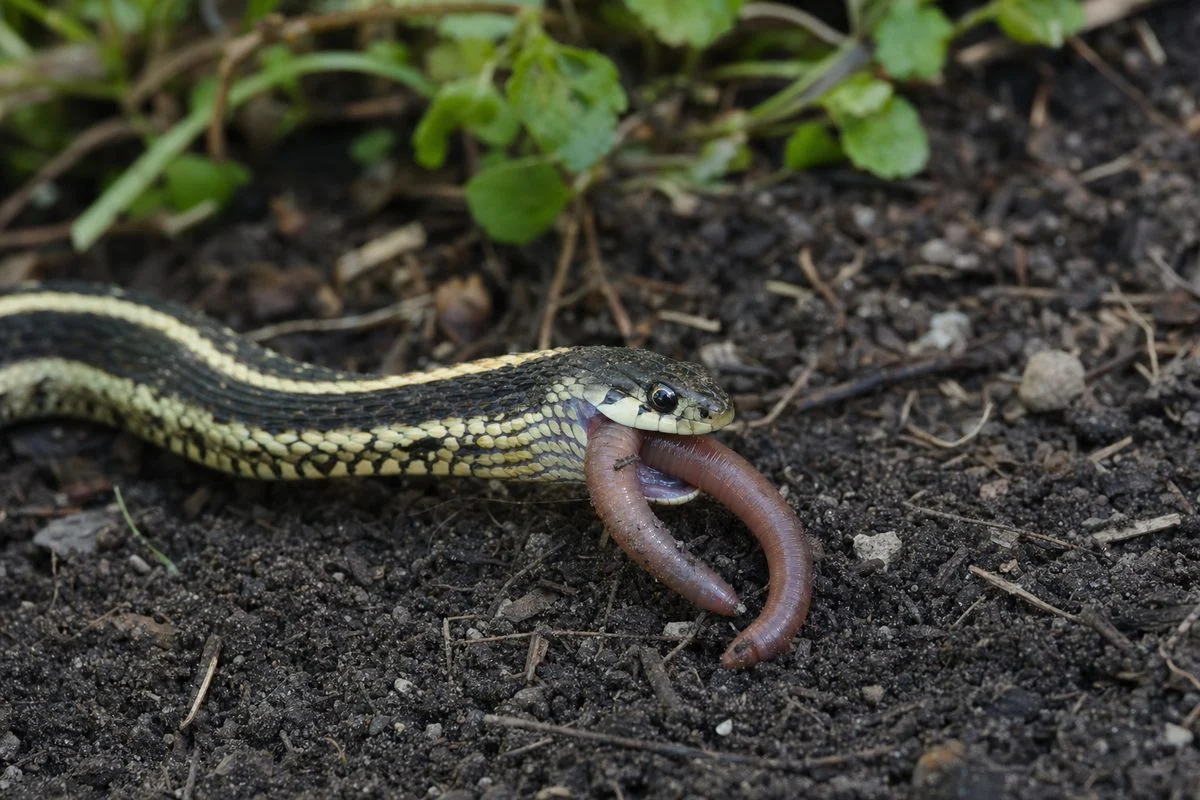
Yes, snakes are carnivores. They primarily feed on other animals, such as rodents, birds, and insects, depending on their species and habitat. Key Takeaways Snakes are predominantly carnivores, thriving on a diet of animal prey. They possess unique anatomical and physiological adaptations that make them efficient predators. Their diet ranges from insects and amphibians to larger mammals and birds. Occasional dietary deviations are exceptions rather than the rule. Debunking misconceptions about snake diets fosters a deeper understanding and appreciation of these reptiles. Providing a diet that mirrors their natural feeding habits is crucial for pet snakes' health and well-being. Understanding snake behavior and dietary needs is essential for both wild and captive snakes. When you think of a snake's diet, what comes to mind? Perhaps images of slithering hunters devouring their prey whole, fangs piercing through fur and feathers. Snakes have long captivated our imagination and curiosity, partly due to their mysterious and often misunderstood eating habits. But are snakes strictly carnivores, or do their diets include more variety than we might expect? At AAAC Wildlife Removal, we encounter these fascinating reptiles frequently and have a deep understanding of their behaviors and dietary needs. In this article, we'll dive deep into the dietary world of snakes to uncover the truth. From their unique anatomical adaptations that make them efficient predators to the diversity of their prey across different species, we'll explore the intricate details of what snakes eat and why. So, whether you're an animal enthusiast, a curious reader, or a pet snake owner, join us on this journey to answer the question: Are snakes carnivores? Understanding Carnivory Definition of Carnivory Carnivory is a dietary habit characterized by the consumption of animal flesh. Carnivores are animals that primarily eat other animals, relying on meat as their main source of nutrients. This dietary strategy is seen across various species, from large predators like lions and wolves to smaller ones like spiders and mantises. To understand the concept better, let's look at a few well-known carnivores. Lions, often called the kings of the jungle, hunt and consume large herbivores such as zebras and antelopes. Wolves, working in packs, bring down animals like deer and elk. Even in the insect world, the praying mantis preys on other insects with its swift and deadly strikes. These examples illustrate the wide range of animals that have adapted to a carnivorous lifestyle, using various hunting and feeding strategies to survive. Snake Physiology and Diet Snake Anatomy Snakes possess unique anatomical features that make them highly effective predators. Their flexible jaws, for instance, allow them to consume prey much larger than their head. This adaptation is due to the presence of highly stretchable ligaments in their jaw structure, enabling them to open their mouths wide and swallow prey whole. Additionally, snakes have backward-facing teeth that grip and hold onto their prey, preventing escape. Diet and Nutritional Needs The nutritional requirements of snakes are met primarily through their carnivorous diet. They rely on protein and fat obtained from their prey to maintain their health, grow, and reproduce. Unlike herbivores or omnivores, snakes do not need to process fibrous plant material, which simplifies their digestive systems. This allows them to focus entirely on extracting nutrients from animal flesh. Snakes have evolved to be efficient hunters, with some species specializing in specific types of prey. For example, a garter snake might feed on small amphibians and fish, while a python targets larger mammals. This specialization ensures that each species can thrive in its particular habitat, utilizing available food resources to their advantage. In summary, snakes are anatomically and physiologically designed to be carnivores. Their unique jaw structure and digestive system are perfectly suited to a diet consisting mainly of other animals, highlighting their role as effective and specialized predators in the animal kingdom. Are Snakes Carnivores? Generally speaking, snakes are indeed carnivores. They predominantly rely on a diet of other animals, ranging from small insects and amphibians to larger mammals and birds. This carnivorous behavior is evident in the vast majority of snake species, which have evolved various hunting and feeding strategies to capture and consume their prey. For instance, a small garter snake might hunt insects, earthworms, and small amphibians, while a large python could prey on mammals such as rodents, birds, and even deer. Some snakes, like the king cobra, are specialized in hunting other snakes. Despite this overwhelming tendency towards carnivory, there are occasional deviations. Some species have been observed consuming eggs or carrion, which shows a slight degree of dietary flexibility. However, these occurrences are exceptions rather than the norm. Overall, the evidence strongly supports that snakes are primarily carnivorous, utilizing their anatomical and physiological adaptations to thrive on a meat-based diet. Misconceptions About Snake Diets There are several common misconceptions about snake diets that need addressing. One prevalent myth is that snakes might eat fruits or vegetables. This belief likely stems from misunderstandings or anecdotal reports, but it is not supported by scientific evidence. Snakes lack the necessary digestive adaptations to process plant material efficiently. Another misconception is that all snakes are dangerous predators of large mammals or even humans. In reality, most snake species prey on much smaller animals and pose no significant threat to humans. Cultural depictions of snakes, such as in folklore and media, often exaggerate their feeding habits and behaviors, leading to unfounded fears and myths. Additionally, some people believe that snakes can go for long periods without eating, which, while true for certain species that can fast for extended durations, does not apply universally. Each snake species has its own specific dietary needs and feeding frequency. Dispelling these misconceptions is crucial for fostering a better understanding and appreciation of snakes and their role in the ecosystem. Importance of Diet in Captivity When it comes to keeping snakes as pets, providing an appropriate diet is crucial for their health and well-being. Unlike their wild counterparts, captive snakes rely entirely on their owners to meet their dietary needs. It is essential to replicate their natural diet as closely as possible. For most pet snakes, this means feeding them appropriately sized rodents, such as mice or rats, which are readily available from pet stores. It's important to note that feeding live prey can be risky as it may harm the snake, so many owners opt for pre-killed or frozen-thawed prey. Additionally, some snake species might require more specialized diets, such as birds, fish, or amphibians. Ensuring that the diet is nutritionally balanced and varied is key to preventing health issues. Regular feeding schedules, appropriate portion sizes, and clean water are also vital components of proper snake care. By understanding and meeting the dietary needs of their snakes, pet owners can help ensure their pets lead healthy and thriving lives in captivity. Conclusion In summary, snakes are predominantly carnivores, designed by nature to thrive on a diet of animal prey. Their unique anatomical and physiological adaptations make them efficient predators, capable of consuming a wide range of animals, from insects and amphibians to larger mammals and birds. While occasional dietary deviations occur, they are exceptions rather than the rule. Addressing and debunking common misconceptions about snake diets helps in fostering a deeper understanding and appreciation of these fascinating reptiles. For those keeping snakes as pets, providing a diet that closely mirrors their natural feeding habits is crucial for their health and well-being. At AAAC Wildlife Removal, we have seen firsthand the importance of understanding snake behavior and dietary needs, both in the wild and in captivity. We hope this article has shed light on the question, "Are snakes carnivores?" and inspired a greater appreciation for these remarkable creatures.
What Kind of Animal Is a Snake? Exploring Reptile Classification
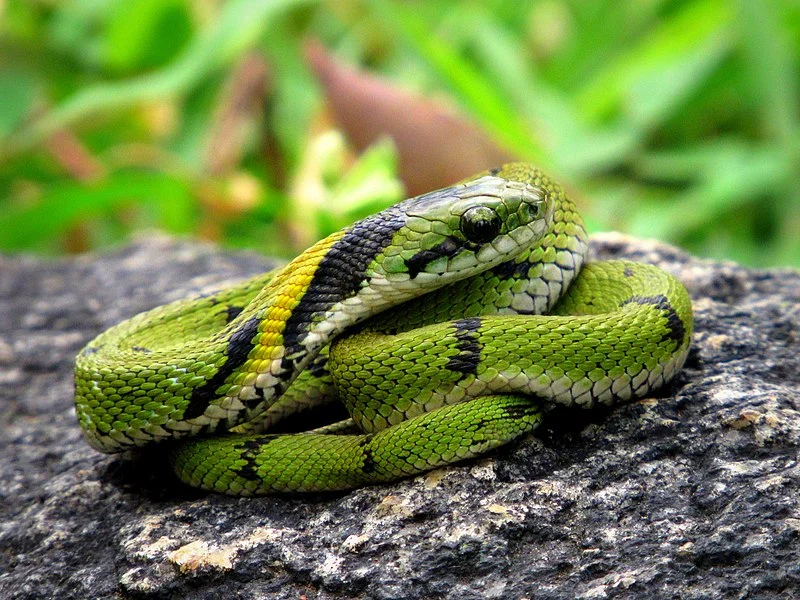
A snake is a legless, elongated reptile belonging to the suborder Serpentes. They are characterized by their flexible bodies, lack of eyelids, and carnivorous diet. Key Takeaways Snakes play an essential role in the natural world, contributing to the complexity and beauty of nature. They possess unique physical characteristics and diverse behaviors, thriving in widespread habitats. Snakes fulfill crucial ecological functions, maintaining balance in ecosystems. Understanding and appreciating snakes can dispel common myths and misconceptions, fostering respect for these reptiles. Recognizing the importance of snakes is vital for their conservation and the health of our ecosystems. Protecting snake populations helps preserve biodiversity and supports ecological stability. Imagine walking through a dense forest, when suddenly you hear a rustling sound from the underbrush. You freeze, and a sleek, scaly creature slithers by, almost silently. This encounter might send shivers down your spine or spark a sense of wonder. But what exactly is this fascinating creature? It's a snake, a reptile that has captured human curiosity for centuries. At AAAC Wildlife Removal, we encounter snakes regularly as part of our work, and we understand both the fear and the fascination they inspire. Snakes are some of the most misunderstood and intriguing animals on the planet. From their unique way of moving to their extraordinary hunting techniques, snakes have evolved to thrive in a variety of environments. But what kind of animal is a snake, really? In this article, we'll explore the biological classification, physical characteristics, behaviors, and ecological significance of snakes. Whether you're a student working on a school project, a teacher looking for reliable information, or simply someone curious about these remarkable reptiles, you'll find everything you need to know about snakes right here. So, let's dive into the world of snakes and uncover the secrets of these enigmatic creatures with the expert insights from AAAC Wildlife Removal. What Are Snakes? Snakes are fascinating creatures that belong to the class Reptilia, making them reptiles. Within this class, snakes are part of the order Squamata, which also includes lizards. They fall under the suborder Serpentes, which distinguishes them from their legged cousins. Snakes are vertebrates, meaning they have a backbone, although it is highly flexible, allowing them to move in their characteristic slithering motion. Biologically, snakes are known for their elongated, limbless bodies and covered in scales. These scales are made of keratin, the same protein that human fingernails and hair are composed of. The scales serve various functions, including protection, reducing friction as they move, and aiding in moisture retention. Snakes are ectothermic, or cold-blooded, which means they rely on external sources to regulate their body temperature. Snakes are found on every continent except Antarctica, and they have adapted to a wide range of habitats, from deserts and forests to oceans and wetlands. This adaptability has allowed them to become one of the most diverse groups of reptiles, with over 3,000 species identified so far. Physical Characteristics The physical structure of a snake is uniquely adapted to its lifestyle. One of the most notable features of a snake is its elongated body, which houses a complex and efficient internal system. Despite lacking limbs, snakes possess a highly developed muscular system that allows them to move efficiently. They can climb trees, swim, and burrow, showcasing their incredible versatility. A snake's head is equipped with several specialized organs. Their eyes, although lidless, are covered with a transparent scale called a spectacle, which protects them while maintaining vision. Most snakes have poor eyesight, relying instead on their keen sense of smell and vibration detection to navigate their environment. They use their forked tongues to collect scent particles from the air and transfer them to the Jacobson's organ, a sensory receptor located on the roof of their mouth, providing them with detailed information about their surroundings. Another distinctive feature is their skin, which they shed periodically in a process known as ecdysis. This process not only allows for growth but also helps remove parasites and old skin. The frequency of shedding varies depending on the snake's age, species, and environmental factors. Internally, snakes are just as fascinating. Their jaws are highly flexible, thanks to a special ligament that connects the two halves of their lower jaw, allowing them to consume prey much larger than their head. This adaptability in feeding is complemented by their specialized teeth, which can include fangs that deliver venom in venomous species. Venom is a powerful adaptation used for subduing prey and defending against predators. Understanding these physical characteristics helps us appreciate how snakes have evolved to become efficient predators and survivors in a wide array of environments. Their unique adaptations not only set them apart from other reptiles but also make them a vital part of the ecosystems they inhabit. Behavior and Habits Snakes exhibit a wide range of behaviors and habits that are perfectly adapted to their environments and lifestyles. One of the most intriguing aspects of snake behavior is their mode of locomotion. Despite lacking limbs, snakes have developed several unique ways of moving. They can slither in a straight line using a method called rectilinear locomotion, move side-to-side in a sinuous motion known as lateral undulation, or even perform a concertina motion, which is useful for climbing. Some species, like the sidewinder, have specialized forms of movement suited to their environments, such as sandy deserts. Feeding behavior in snakes is equally fascinating. Most snakes are carnivorous and have evolved various methods for capturing and consuming prey. Constrictors, like boas and pythons, wrap their bodies around their prey and squeeze until the prey suffocates. Venomous snakes, such as vipers and cobras, inject venom through their fangs to immobilize or kill their prey before swallowing it whole. Their flexible jaws and stretchy skin allow them to consume prey items that are significantly larger than their head. Reproduction in snakes can vary widely between species. Some lay eggs (oviparous), while others give birth to live young (viviparous). Oviparous species lay their eggs in secure environments where they can incubate until hatching. Viviparous snakes, on the other hand, carry the developing embryos inside their bodies and give birth to fully-formed young. Mating behaviors can include intricate courtship rituals, with males often competing for the attention of females. Snakes are also known for their ability to remain undetected, thanks to their cryptic coloration and stealthy movements. This camouflage helps them avoid predators and ambush prey effectively. Despite their solitary nature, some species exhibit interesting social behaviors, such as communal nesting or hibernation, where multiple snakes share a den during colder months. Ecological Role Snakes play a crucial role in maintaining the balance of ecosystems around the world. As both predators and prey, they are integral to the food web. Snakes help control the populations of their prey, which primarily includes rodents, birds, insects, and other small animals. This predation helps prevent overpopulation of these species, which can lead to crop damage and the spread of diseases. In turn, snakes are prey for a variety of larger animals, including birds of prey, mammals, and other reptiles. This makes them a vital food source for these predators and contributes to the biodiversity of the ecosystem. The presence of snakes can be an indicator of a healthy environment, as they are sensitive to changes in habitat and pollution levels. Snakes also contribute to their ecosystems through their interactions with the soil and plant life. For example, burrowing snakes help aerate the soil, promoting healthy plant growth. Some species of snakes are involved in seed dispersal, either directly or indirectly, by consuming prey that has ingested seeds. Moreover, snakes have a significant impact on controlling pest populations, especially rodents, which are notorious for damaging crops and stored food supplies. By keeping these populations in check, snakes provide an essential service to both natural and agricultural ecosystems. Despite their often fearsome reputation, snakes are generally not aggressive towards humans unless provoked. Their ecological benefits far outweigh the risks they pose. Understanding and appreciating the role of snakes in the environment can help foster a more balanced perspective and encourage conservation efforts. Common Misconceptions Snakes are often surrounded by myths and misconceptions that contribute to their undeserved negative reputation. Let's address some of these common misunderstandings and replace them with facts. All snakes are dangerous and aggressive The majority of snake species are non-venomous and pose no threat to humans. Even venomous snakes are generally shy and will avoid confrontation if given the chance. Bites usually occur only when snakes are threatened or provoked. Snakes are slimy Snakes are covered in dry scales made of keratin, the same material as human fingernails. Their skin is smooth and dry, not slimy. Snakes can hypnotize their prey This myth likely arises from the fixed gaze of a snake. Snakes do not possess the ability to hypnotize; their unblinking stare is due to the lack of eyelids. Snakes chase humans Snakes do not chase humans. If a snake moves toward a person, it is often trying to escape to safety, not attack. Most snakes prefer to flee when encountered. Venomous snakes are easy to identify by their appearance Identifying venomous snakes based on appearance alone can be misleading, as many non-venomous snakes mimic the coloration and patterns of venomous species. It's important to avoid handling any wild snake unless you are certain of its identity and trained to do so. Habitat and Distribution Snakes are incredibly versatile and can be found in a wide variety of habitats across the globe. Their adaptability to different environments has contributed to their widespread distribution, making them one of the most successful groups of reptiles. From arid deserts to lush rainforests, and from high mountain ranges to the depths of the ocean, snakes have managed to carve out niches in almost every ecosystem. In deserts, snakes such as the sidewinder and the rattlesnake have adapted to the extreme heat and scarcity of water. These snakes often burrow to escape the harsh daytime temperatures and emerge at night to hunt. Their coloration helps them blend into the sandy landscape, providing both camouflage from predators and an advantage in ambushing prey. Forest-dwelling snakes, like the green tree python and the king cobra, thrive in the dense foliage and complex structures of their habitats. These snakes are excellent climbers, using their prehensile tails and strong muscles to navigate trees and shrubs. Their vibrant colors often help them blend into the foliage, making them nearly invisible to both prey and predators. In aquatic environments, snakes such as the anaconda and the sea snake have evolved to live in or around water. Anacondas are found in swamps and rivers, where their powerful bodies and swimming abilities make them formidable hunters. Sea snakes, on the other hand, are fully adapted to life in the ocean, with paddle-like tails for swimming and specialized glands for excreting salt. Snakes are also found in temperate regions, where they must contend with seasonal changes in temperature. Many temperate snakes, such as garter snakes and adders, hibernate during the winter months in underground burrows or communal dens to survive the cold. Globally, snakes are distributed across every continent except Antarctica. This wide distribution is a testament to their remarkable adaptability and evolutionary success. Understanding the diverse habitats and distribution of snakes helps us appreciate their role in ecosystems worldwide and the various adaptations that have enabled them to thrive in such a wide range of environments. Conclusion Snakes are remarkable creatures that play an essential role in the natural world. From their unique physical characteristics and diverse behaviors to their widespread habitats and crucial ecological functions, snakes are a testament to the complexity and beauty of nature. While they often evoke fear and misunderstanding, a deeper knowledge of snakes reveals their true importance and the benefits they bring to ecosystems. At AAAC Wildlife Removal, we encounter snakes regularly and understand the balance they maintain in our environment. By dispelling common myths and misconceptions, we hope to foster a greater appreciation for these fascinating reptiles. Whether you're a student, educator, or simply curious about nature, understanding what kind of animal a snake is can enhance your awareness and respect for the natural world. As we continue to learn more about snakes, it is crucial to recognize their value and advocate for their conservation. Protecting snake populations not only preserves biodiversity but also supports the health of our ecosystems. So the next time you hear a rustle in the underbrush or catch a glimpse of a slithering shape, remember the vital role these enigmatic creatures play in the tapestry of life.
- Brian Moss (President)
- AAAC Wildlife Removal
11/15/2024
Total words : 2092
Snakes That Eat Rattlesnakes: The Unexpected Predators
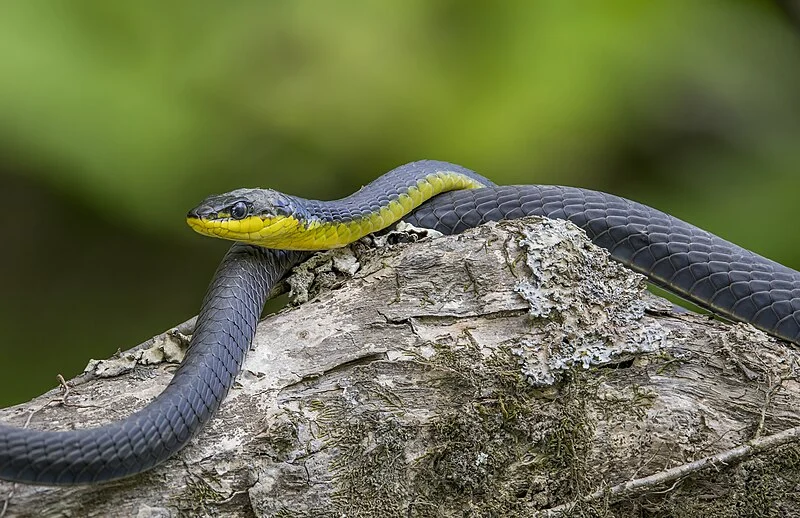
Yes, some snakes do eat rattlesnakes, and they're surprisingly good at it. Imagine a world where rattlesnakes aren’t at the top of the food chain. Sounds wild, right? Well, grab your hiking boots and your sense of wonder because we’re about to dive into a fascinating corner of the natural world where rattlesnakes have to watch their backs. Yes, you read that correctly – there are actually snakes that hunt and eat rattlesnakes! From the crafty kingsnake to the imposing indigo snake, these unexpected predators are more than just survivors – they’re the ultimate disruptors in the snake hierarchy. These fearless hunters possess unique adaptations that make them exceptionally good at taking down one of nature’s most feared reptiles. Key Takeaways: Some snakes are natural predators of rattlesnakes. These snakes have unique adaptations that make them effective hunters. Understanding this predator-prey relationship sheds light on the complex dynamics of ecosystems. Meet the Kingsnake Let’s kick things off with one of the most well-known rattlesnake predators: the kingsnake. With a name that practically screams royalty, the kingsnake truly lives up to its title. These impressive serpents come in a variety of colors and patterns, but they all share one common trait – their fearlessness in the face of rattlesnakes. Description and Characteristics Kingsnakes are medium to large-sized snakes, typically measuring between 3 to 6 feet in length. They boast a variety of striking patterns, from black and white bands to vibrant reds and yellows, depending on the species. Their shiny, smooth scales make them easily recognizable and quite the spectacle in the wild. Hunting Behavior What makes the kingsnake a formidable predator is its technique. When hunting rattlesnakes, the kingsnake employs a method known as constriction. This involves wrapping its muscular body around the rattlesnake and squeezing until its prey is subdued. But wait, there’s more! Kingsnakes are immune to rattlesnake venom, which means they can take a few bites without flinching, making them practically invincible in this epic showdown. Adaptations for Preying on Rattlesnakes Kingsnakes have evolved several fascinating adaptations that make them adept at hunting rattlesnakes. Their immunity to venom is the most notable, but they also have strong, flexible jaws that allow them to swallow their prey whole. Plus, their keen sense of smell helps them track down rattlesnakes with precision. Fun Fact Did you know that kingsnakes get their name not just because they are the "kings" of their domain, but also because they can overpower and eat other snakes, including venomous ones? It’s a royal title well-deserved! With their impressive hunting skills and natural immunity to venom, kingsnakes are the ultimate underdog heroes of the snake world. Stay tuned as we introduce you to another fascinating rattlesnake predator – the indigo snake. The Fearless Indigo Snake Next up in our lineup of rattlesnake predators is the magnificent indigo snake. These glossy, iridescent serpents are not just stunning to look at but are also incredibly effective hunters. Let's delve into what makes the indigo snake such a formidable foe for rattlesnakes. Description and Characteristics Indigo snakes are among the largest snakes in North America, with some individuals growing up to 8 feet in length. Their scales are a deep, shiny blue-black that glisten with a rainbow-like sheen when caught in the light, making them one of the most beautiful snakes in the wild. Despite their impressive size and striking appearance, indigo snakes are non-venomous and pose no threat to humans. Habitat and Range Indigo snakes prefer a variety of habitats, including pine flatwoods, hardwood forests, and coastal dunes. They are primarily found in the southeastern United States, with their range extending from Florida up to parts of Georgia and South Carolina. These snakes are known for their extensive home ranges and are often on the move, which increases their chances of encountering prey, including rattlesnakes. How It Hunts Rattlesnakes Unlike the kingsnake, the indigo snake doesn't use constriction to subdue its prey. Instead, it relies on its sheer strength and size to overpower rattlesnakes. Indigo snakes are known to grab rattlesnakes by the head and thrash them against the ground, a method that quickly immobilizes their prey. Their tough, scaly skin provides some protection against bites, and their speed and agility allow them to avoid serious injury. Fun Fact Indigo snakes are often seen sharing burrows with gopher tortoises, a behavior that benefits both species. The burrows provide a safe retreat for the indigo snake and help the gopher tortoise by keeping their shared home free of pests. With their impressive size, striking beauty, and fearless hunting techniques, indigo snakes are truly remarkable predators. But our exploration doesn’t end here – let’s meet another surprising snake that preys on rattlesnakes: the bullsnake. The Surprising Bullsnake Last but certainly not least, let’s get to know the bullsnake, a predator that might just surprise you with its rattlesnake-hunting prowess. These hefty serpents are not only skilled hunters but also masters of disguise, able to mimic their venomous cousins to perfection. Description and Characteristics Bullsnakes are among the largest snakes in North America, often reaching lengths of up to 8 feet. Their coloration is typically yellowish with brown, black, or reddish blotches running down their backs, giving them a somewhat rattlesnake-like appearance. This visual similarity is no coincidence – it’s part of their survival strategy. Diet and Hunting Techniques Bullsnakes are opportunistic feeders with a diet that includes small mammals, birds, and, you guessed it, other snakes. When it comes to rattlesnakes, bullsnakes use their impressive size and strength to overpower their prey. They’re constrictors, meaning they wrap their muscular bodies around their prey and squeeze until it can no longer breathe. This method is highly effective, even against the venomous bite of a rattlesnake. Interaction with Rattlesnakes Bullsnakes have developed a fascinating behavioral adaptation – they can mimic the sound of a rattlesnake’s rattle by vibrating their tails against dry leaves or other debris. This clever mimicry can deter predators, but it also serves to confuse and intimidate rattlesnakes. By sounding like a rattlesnake, bullsnakes can bluff their way out of potentially dangerous encounters or gain the upper hand when hunting. Fun Fact Bullsnakes are known for their hiss, one of the loudest and most intimidating in the snake world. This impressive hiss, combined with their rattlesnake mimicry, makes them masters of deception in the animal kingdom. With their size, strength, and cunning mimicry, bullsnakes are truly fascinating predators that keep rattlesnakes on their toes. Their unique adaptations and hunting strategies highlight the incredible diversity and ingenuity found in nature. Conclusion So there you have it – a glimpse into the thrilling and unexpected world of snakes that eat rattlesnakes. From the immune and mighty kingsnake to the bold and beautiful indigo snake, and the cunning and deceptive bullsnake, these predators showcase the incredible diversity and adaptability of nature's hunters. Recap of the Key Points Kingsnakes: Immune to rattlesnake venom and skilled constrictors. Indigo Snakes: Large, powerful, and capable of overpowering rattlesnakes with sheer strength. Bullsnakes: Masters of mimicry and deception, using their size and cunning to hunt rattlesnakes. Reflecting on these predator-prey relationships reminds us of the intricate and dynamic balance within ecosystems. Each snake species plays a vital role, not only in controlling rattlesnake populations but also in maintaining the health and stability of their environments. Their unique adaptations and behaviors highlight the ingenuity and resilience of wildlife. So, next time you think of rattlesnakes as the ultimate reptilian rulers, remember there are others out there who challenge that throne. These fearless hunters add a layer of complexity and wonder to the natural world, proving that even the fiercest predators have their own predators to contend with.
- Brian Moss (President)
- AAAC Wildlife Removal
11/13/2024
Total words : 1281
Are Snakes Born Live? Unveiling the Mystery of Serpent Birth
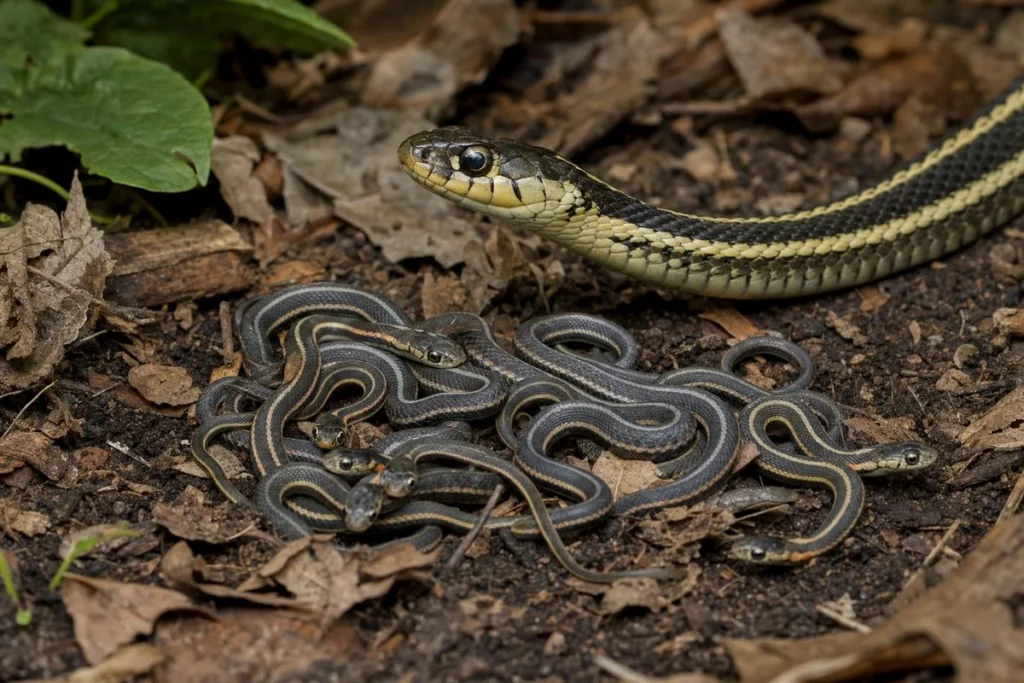
Yes, some snakes give birth to live young, while others lay eggs! Have you ever wondered how snakes come into the world? Do they hatch from eggs like chickens, or do they make a grand entrance already slithering around? The answer is a bit of both, and it's as fascinating as these slinky reptiles themselves. Depending on the species, some snakes are born live, while others emerge from eggs. Let's dive into the wonderfully weird world of snake reproduction and unravel this slippery mystery. In this article, we’ll clear up any confusion about snake births. Whether you’re an amateur herpetologist, a snake enthusiast, or just someone with a curious mind, you'll find plenty of intriguing information here. Plus, you'll get to know some of the specific snake species that give birth to live young and those that prefer the egg-laying route. Key Takeaways Some snakes give birth to live young, while others lay eggs. The type of birth depends on the species. Examples of both oviparous (egg-laying) and viviparous (live-bearing) snakes will be provided. What Does "Born Live" Mean? When we talk about animals being "born live," we’re referring to a reproductive strategy known as viviparity. In viviparous species, the mother gives birth to live young rather than laying eggs. This method of reproduction allows the young to develop inside the mother's body, offering them protection and a stable environment until they are ready to face the outside world. Contrast with Oviparity (Egg-Laying) On the flip side, we have oviparity. Oviparous animals, including many snakes, lay eggs. These eggs are incubated outside the mother's body, and the young hatch when they’re fully developed. The incubation period can vary widely depending on the species and environmental conditions. Introduction to Ovoviviparity (A Mix of Both) And just when you thought things couldn’t get any more interesting, enter ovoviviparity—a delightful mix of both viviparity and oviparity. Ovoviviparous snakes develop eggs inside their bodies, but instead of laying them, the eggs hatch internally, and the mother then gives birth to live young. This method provides the benefits of internal development without the mother having to produce a placental connection. Understanding these three methods—viviparity, oviparity, and ovoviviparity—sets the stage for exploring the diverse reproductive strategies found in the snake world. Now, let’s get specific and meet some snakes that exemplify these fascinating methods of birth. Snakes That Give Birth to Live Young Now that we’ve covered the basics of snake reproduction, let’s dive into the specifics and meet some remarkable snakes that give birth to live young. These viviparous and ovoviviparous snakes have adapted to their environments in fascinating ways. Boa Constrictors One of the most well-known snakes that give birth to live young is the boa constrictor. Native to the tropical regions of Central and South America, these powerful snakes are famous for their impressive size and strength. Boa constrictors are viviparous, meaning their babies develop inside the mother and are born fully formed. This method provides the young boas with a better chance of survival in their often harsh environments, as they skip the vulnerable egg stage entirely. Garter Snakes Garter snakes are another example of snakes that give birth to live young, though they do so in a slightly different manner. Found throughout North America, garter snakes are ovoviviparous. This means their eggs develop inside the mother and hatch just before birth or immediately after being laid. This fascinating reproductive strategy allows garter snakes to thrive in cooler climates where externally laid eggs might not survive. Rattlesnakes Rattlesnakes, those iconic denizens of the American Southwest, also give birth to live young. Like boa constrictors, rattlesnakes are viviparous. This adaptation is particularly beneficial in their arid habitats, where the ground may be too dry or unstable for egg incubation. By carrying their young internally, rattlesnakes can ensure a higher survival rate for their offspring. Why Do Some Snakes Give Birth to Live Young? The question of why some snakes give birth to live young boils down to adaptation and survival. In environments where conditions are tough, such as extreme temperatures or predation risks, giving birth to live young can offer a significant advantage. The mother can keep her developing babies safe and warm, increasing their chances of surviving and thriving once they’re born. Next, we’ll look at snakes that lay eggs, and explore why this method of reproduction works well for them. Snakes That Lay Eggs While many snakes give birth to live young, an equally fascinating group of snakes lay eggs. These oviparous snakes have their own unique adaptations and strategies for ensuring the survival of their offspring. King Cobras King cobras, the world’s longest venomous snakes, are notorious for their regal appearance and potent venom. These majestic reptiles are oviparous, meaning they lay eggs. Found primarily in forests and plains across India and Southeast Asia, king cobras lay their eggs in carefully constructed nests. The mother guards her eggs fiercely until they hatch, providing a level of parental care that is relatively rare among reptiles. This protective behavior ensures that the young have a greater chance of surviving in the wild. Pythons Pythons are another group of egg-laying snakes that have captivated the interest of snake enthusiasts. These large, muscular snakes, found in Africa, Asia, and Australia, are known for their impressive size and strength. Pythons lay eggs and, like king cobras, some species exhibit maternal care. The mother python coils around her eggs to protect them from predators and to regulate their temperature through muscle contractions, known as shivering thermogenesis. This remarkable behavior helps ensure that the eggs develop properly and hatch successfully. Corn Snakes Corn snakes, popular among pet owners for their striking colors and manageable size, are also oviparous. Native to the southeastern United States, these snakes lay their eggs in warm, hidden locations such as rotting logs or leaf litter. Corn snakes don’t provide parental care after laying their eggs, but their choice of well-hidden, warm incubation sites helps ensure that the eggs remain safe and develop in optimal conditions. Why Do Some Snakes Lay Eggs? The decision to lay eggs, for many snake species, comes down to evolutionary advantages in specific environments. Laying eggs allows these snakes to produce a larger number of offspring at once, increasing the odds that some will survive to adulthood. Additionally, in stable and warm environments, egg-laying can be more energy-efficient for the mother, as she can lay her eggs and move on, rather than carrying her developing young internally. Understanding the diversity of snake reproduction helps us appreciate these incredible creatures even more. Whether laying eggs or giving birth to live young, each snake species has evolved strategies that best suit their unique lifestyles and habitats. Why Do Some Snakes Give Birth to Live Young? The question of why some snakes give birth to live young instead of laying eggs is all about adaptation and survival. Different environments and ecological pressures have led to the evolution of various reproductive strategies in snakes. Here are some reasons why viviparity (live birth) can be advantageous for certain snake species: Adaptation to Harsh Climates In environments with extreme temperatures, whether scorching heat or freezing cold, viviparity can provide a significant advantage. By retaining the developing embryos inside their bodies, mother snakes can keep them at a stable temperature, protecting them from the potentially lethal fluctuations of the external environment. This is particularly important in habitats where external conditions can change rapidly and unpredictably. Protection from Predators Eggs laid in the open or even in hidden nests can be vulnerable to predation. Birds, mammals, and other reptiles may easily find and consume the eggs, leading to high mortality rates. Viviparous snakes, by carrying their young internally until they are ready to be born, can reduce the risk of losing their offspring to predators. The young are born more developed and often better able to evade predators from the moment of birth. Increased Survival Rates Live-born young tend to have higher survival rates because they are generally born more developed and robust compared to their egg-hatched counterparts. This means they are better equipped to fend for themselves shortly after birth. For instance, boa constrictors and rattlesnakes, which give birth to live young, produce offspring that are immediately capable of hunting and defending themselves. Adaptation to Specific Ecological Niches Certain ecological niches favor the development of live birth over egg-laying. For example, snakes that inhabit rocky or densely vegetated areas may find it challenging to locate suitable sites for laying eggs. In such environments, carrying the young internally until they are ready to be born can be a more practical reproductive strategy. This adaptation allows the mother to be more mobile and better able to find food and escape predators during the gestation period. Fun Facts About Snake Reproduction To wrap up our exploration of snake reproduction, here are some fun and fascinating facts about how these incredible creatures bring new life into the world: Double Trouble: Some snake species can store sperm for several years, allowing them to fertilize their eggs long after mating. This means a single mating event can result in multiple clutches of eggs or litters of live young over time. Parthenogenesis: In rare cases, some female snakes can reproduce without a male. This process, known as parthenogenesis, involves the development of embryos from unfertilized eggs. It's been documented in species like the Komodo dragon and certain types of boas. Communal Nests: Some egg-laying snakes, like the king cobra, build communal nests where multiple females lay their eggs together. This strategy can provide better protection and more stable incubation conditions for the eggs. Postpartum Care: While most snakes don’t provide care for their young after birth, a few exceptions exist. For example, some python species protect and incubate their eggs, and the female cobra fiercely guards her nest until the eggs hatch. Snake reproduction is a complex and varied process, showcasing the incredible adaptability and evolutionary ingenuity of these reptiles. Whether through live birth or egg-laying, snakes have developed fascinating ways to ensure their species' survival. Conclusion We’ve slithered through the fascinating world of snake reproduction, uncovering the diverse and ingenious ways these reptiles bring their young into the world. From live births to egg-laying, snakes have evolved a variety of strategies to ensure the survival and success of their offspring.
- Brian Moss (President)
- AAAC Wildlife Removal
11/06/2024
Total words : 1736
Snake Physical Characteristics: What Makes These Reptiles Unique?
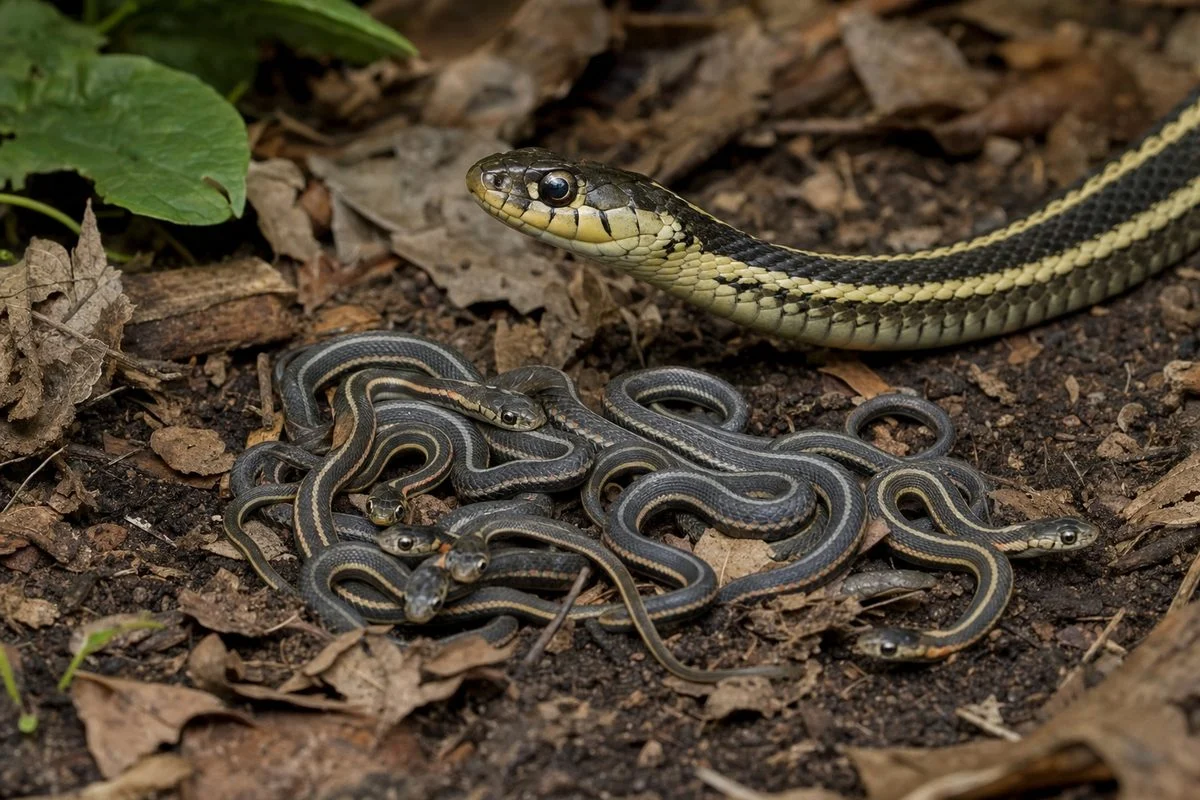
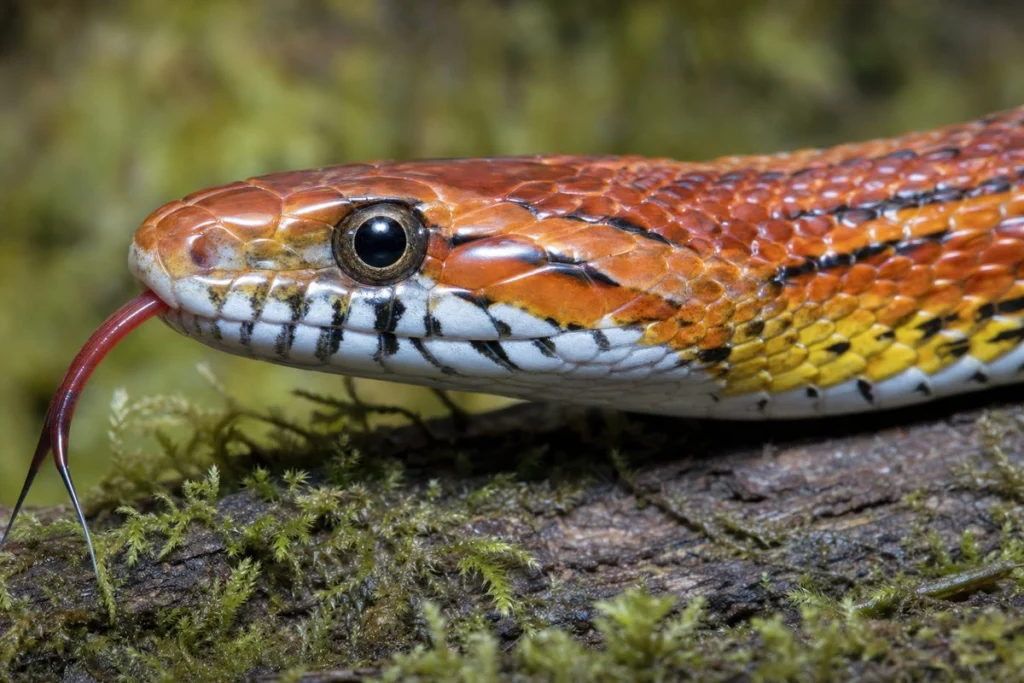
Snakes are fascinating creatures with a wide range of physical characteristics that make them unique among reptiles Snakes. Just the mention of these slithery creatures can send shivers down some spines, while others are filled with awe and curiosity. Whether you're a curious homeowner who stumbled upon a garden snake or an amateur herpetologist fascinated by reptilian wonders, snakes' physical characteristics are nothing short of extraordinary. From their mesmerizing scales to their limbless bodies, each trait serves a purpose in the grand tapestry of nature. In this article, we'll dive deep into the world of snake anatomy, exploring everything from their unique body structures to the remarkable adaptations that make them such successful survivors. You'll learn about the differences in physical traits among various species and how these characteristics aid in their daily lives, whether they're hunting, hiding, or defending themselves. Key Takeaways: Overview of snake body structures Unique adaptations of snakes Differences in physical traits among snake species How these characteristics aid in their survival and behavior An Overview of Snake Body Structures Head The head of a snake is more than just a container for its brain and sensory organs; it’s a marvel of evolutionary adaptation. Snake heads come in various shapes and sizes, each tailored to their environment and hunting style. For instance, a pit viper has heat-sensing pits between its eyes and nostrils, allowing it to detect warm-blooded prey even in the dark. Meanwhile, a snake’s eyes are adapted for excellent vision, some with elliptical pupils for night hunting and others with round pupils for daytime activity. Their forked tongues, constantly flicking in and out, pick up scent particles, guiding them to food or away from danger. Scales A snake's scales are not just for show; they serve multiple critical functions. These scales, which can be smooth or keeled (ridged), protect their skin from injury, aid in movement, and even help with moisture retention. Some snakes have iridescent scales that reflect light, creating a dazzling display that can confuse predators or attract mates. Each scale overlaps slightly with the next, providing a flexible armor that allows the snake to move gracefully across various terrains. Skeleton One of the most fascinating aspects of snake anatomy is their skeletal structure. Snakes have an incredibly flexible spine made up of hundreds of vertebrae, each with a pair of ribs attached. This flexibility allows them to perform their iconic slithering motion and enables them to coil tightly around prey or objects. Despite lacking limbs, snakes can move efficiently thanks to their ribs and muscles working in concert to push against surfaces. Their skulls are also highly specialized, with loosely connected bones that enable them to swallow prey much larger than their head. Snakes are living proof that sometimes, less is more. Their streamlined bodies, devoid of limbs but equipped with a suite of unique adaptations, are a testament to nature’s ingenuity. As we continue, we'll explore even more remarkable features that make these reptiles such fascinating creatures. Unique Adaptations of Snakes Venomous vs. Non-venomous One of the most striking adaptations among snakes is the presence or absence of venom. Venomous snakes, like vipers and cobras, possess specialized glands and fangs that deliver venom to subdue their prey or defend against threats. These fangs can be long and hollow, allowing venom to be injected deep into the prey, or they can be shorter with grooves that channel venom along the teeth. On the other hand, non-venomous snakes, such as pythons and garter snakes, rely on constriction or quick strikes to capture and kill their prey. Their physical traits, such as muscular bodies for constriction or quick reflexes for striking, are just as effective in their survival. Camouflage and Coloration Snakes are masters of disguise, and their coloration plays a crucial role in their ability to blend into their environments. Many snakes have developed colors and patterns that mimic their surroundings, allowing them to avoid predators and surprise their prey. For example, the green tree python's vibrant green scales blend seamlessly with the foliage of its arboreal habitat, while the sandy hues of a desert-dwelling rattlesnake make it nearly invisible against the backdrop of the desert floor. Some snakes also exhibit aposematic coloration, with bright, contrasting patterns that warn predators of their venomous nature, like the coral snake’s vivid red, yellow, and black bands. Heat Sensing Some snakes have developed a heat-sensing ability that gives them a distinct advantage, especially in hunting warm-blooded prey. Pit vipers, boas, and pythons possess specialized pits located between their eyes and nostrils that can detect infrared radiation. These heat-sensing pits allow them to "see" the heat emitted by their prey, effectively turning them into living thermal cameras. This adaptation is particularly useful for nocturnal hunters, allowing them to locate prey even in complete darkness. Snakes' unique adaptations are marvels of evolution, each serving a specific function that enhances their survival in a wide range of environments. These features, from venom to camouflage to heat sensing, illustrate the incredible diversity and specialization within the snake world. As we delve deeper, we’ll uncover the differences in physical traits among various snake species and how these differences reflect their ecological niches. Differences in Physical Traits Among Snake Species Size Variations Snakes exhibit an impressive range of sizes, from the tiny thread snake, which can be as small as a few inches, to the enormous anaconda, which can grow over 20 feet long. These size differences are more than just curiosities; they are adaptations to specific ecological niches. Smaller snakes, like the thread snake, often burrow and live in tight spaces, feeding on small insects and larvae. In contrast, large snakes like anacondas and reticulated pythons dominate their environments, preying on much larger animals, including mammals, birds, and even other reptiles. This vast size range among snake species highlights the incredible adaptability and evolutionary success of these reptiles. Habitat Influence The habitat a snake lives in significantly influences its physical characteristics. Arboreal snakes, which spend most of their lives in trees, tend to have longer, more slender bodies and prehensile tails to aid in climbing and navigating the forest canopy. Examples include the green tree python and the boomslang. Aquatic snakes, like sea snakes, have streamlined bodies and flattened tails that enable them to swim efficiently. Their nostrils are often located on top of their snouts, allowing them to breathe while mostly submerged. On the other hand, burrowing snakes, such as sand boas and blind snakes, have shorter, more robust bodies and reduced eyes, perfect for a life spent underground. Behavioral Adaptations Physical traits in snakes are often closely tied to their behaviors and survival strategies. For example, rattlesnakes have developed a rattle at the end of their tails, which they use as a warning signal to potential threats. This distinctive adaptation serves to deter predators without the need for a physical confrontation. Another fascinating example is the hood of a cobra, which it flares when threatened to appear larger and more intimidating. Additionally, snakes like the hognose snake exhibit dramatic behavioral displays, such as playing dead, to avoid predation. These behavioral adaptations, supported by their physical traits, demonstrate the complex interplay between a snake’s anatomy and its survival strategies. The diversity in physical traits among snake species is a testament to their adaptability and evolutionary success. From size and habitat adaptations to specialized behaviors, these differences enable snakes to thrive in a variety of environments. As we explore further, we'll see how these unique characteristics aid in their survival and daily behaviors, giving us a deeper appreciation for these remarkable reptiles. How Physical Characteristics Aid in Survival and Behavior Hunting and Feeding Snakes are formidable hunters, and their physical characteristics play a crucial role in their hunting strategies and feeding habits. One of the most impressive adaptations is the flexibility of their jaws. Unlike humans, snakes have highly flexible ligaments in their jaws, allowing them to open their mouths extraordinarily wide and swallow prey much larger than their heads. This adaptation is essential for snakes like pythons and boas, which constrict and consume large animals. Venomous snakes, on the other hand, use their specialized fangs to inject venom into their prey, quickly immobilizing them and starting the digestive process even before swallowing. This combination of jaw flexibility and venomous fangs makes snakes highly efficient predators. Defense Mechanisms In the wild, survival often hinges on a snake's ability to defend itself. Snakes have developed a variety of physical traits to deter predators and protect themselves. Some snakes, like the rattlesnake, use their rattling tails as an audible warning to potential threats, signaling that they are not to be trifled with. Others, such as the hognose snake, exhibit dramatic defensive behaviors, including playing dead and emitting foul smells to discourage predators. Additionally, many snakes have developed cryptic coloration that allows them to blend seamlessly into their environments, making them nearly invisible to both predators and prey. These defense mechanisms are vital for their survival in the wild. Reproduction The reproductive strategies of snakes are as diverse as their physical traits. Some snakes lay eggs, while others give birth to live young. Egg-laying snakes, like the king cobra, often exhibit unique adaptations for protecting their eggs. For instance, female king cobras build nests and guard their eggs until they hatch, an unusual behavior among snakes. Live-bearing snakes, such as many species of vipers, have developed physiological adaptations to nourish their developing young internally. These reproductive strategies, supported by specific physical characteristics, ensure the continuation of their species and adaptation to their environments. The physical characteristics of snakes are intricately linked to their survival and behavior. Whether hunting, defending themselves, or reproducing, these traits provide the tools they need to thrive in their respective habitats. Understanding these characteristics not only highlights the incredible adaptability of snakes but also fosters a greater appreciation for their role in the natural world. Conclusion Snakes are truly remarkable creatures, each equipped with a suite of physical characteristics that make them uniquely suited to their environments. From the flexible jaws that allow them to consume prey much larger than their heads, to the specialized scales and coloration that provide protection and camouflage, snakes have evolved a fascinating array of adaptations that aid in their survival. As we've explored, the differences in physical traits among various snake species highlight the incredible diversity within this reptilian order. Whether they are hunting, defending themselves, or reproducing, each physical trait serves a specific function, showcasing nature's ingenuity in designing these efficient and effective survivors. By understanding these unique characteristics, we not only gain a deeper appreciation for snakes but also recognize their important role in the ecosystem. So, the next time you encounter a snake, take a moment to marvel at the evolutionary marvels that make these reptiles so captivating. Embrace the wonder of their adaptations and the role they play in the intricate web of life.
- Brian Moss (President)
- AAAC Wildlife Removal
09/27/2024
Total words : 1820
Fascinating Facts About Snakes: Discover the Serpentine Wonders
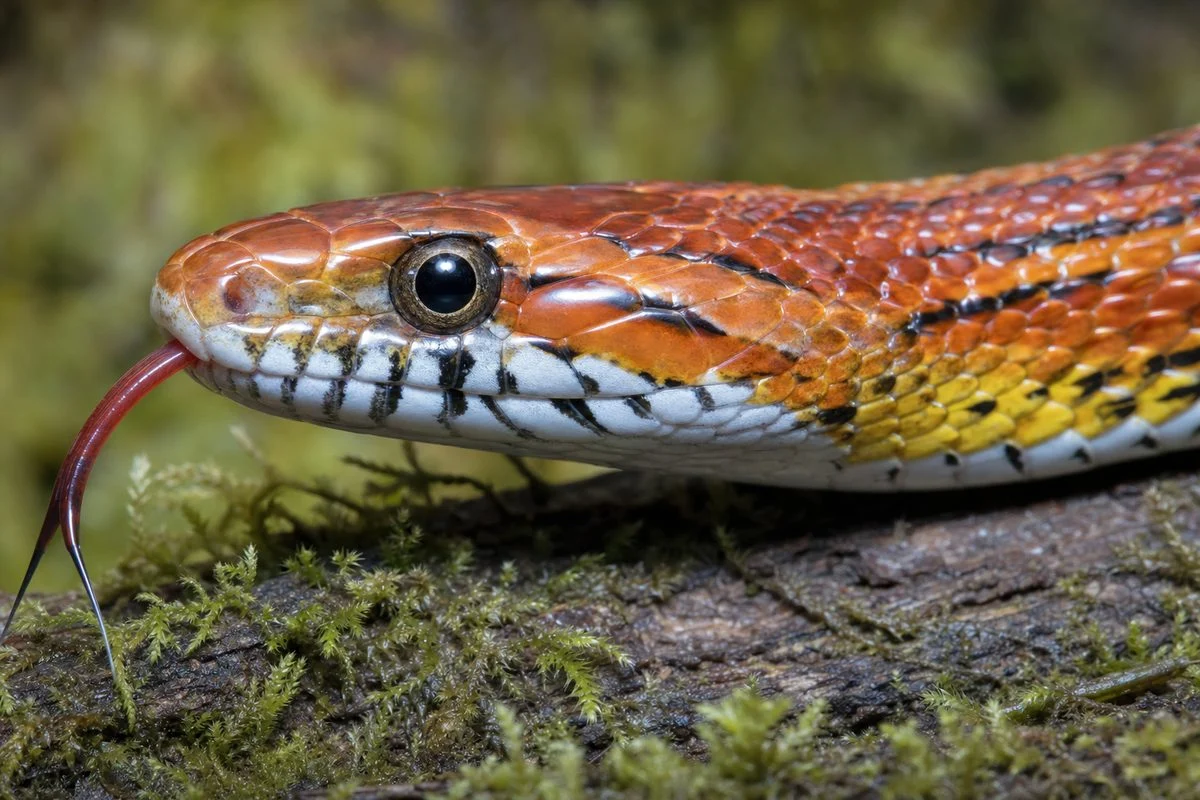
Snakes are among the most intriguing and misunderstood creatures on Earth. Ever wondered what makes snakes so fascinating? From their slithering motion to their mesmerizing scales, these creatures have captivated humans for centuries. Snakes are often misunderstood, feared, or even revered in various cultures, but there's so much more to them than meets the eye. Whether you're a seasoned herpetologist or just someone with a curious mind, there's always something new to learn about these incredible reptiles. In this article, we'll dive into the most intriguing facts about snakes, bust some common myths, and learn why these reptiles are more than just hiss-terious beings. By the end, you'll not only have a newfound appreciation for snakes but also a deeper understanding of their vital role in our ecosystem. So, let's shed the skin of misconceptions and slither into the world of serpentine wonders. Trust me, you'll be rattled by how fascinating snakes can be! Key Takeaway Snakes are diverse, with over 3,000 species worldwide. They play a crucial role in controlling pest populations. Not all snakes are venomous; most are harmless to humans. Snakes have unique adaptations for survival in various environments. Understanding and respecting snakes can prevent unnecessary fear and harm. Different Species and Their Unique Traits Snakes are incredibly diverse, boasting over 3,000 species worldwide. Each species has unique traits and behaviors that make them fascinating to study. Here are some standout examples: King Cobra The King Cobra is the world's longest venomous snake, reaching lengths of up to 18 feet. Known for its intimidating hood and potent neurotoxic venom, the King Cobra is a master of stealth and agility. Despite its fearsome reputation, it typically avoids human contact unless threatened. Python Pythons are non-venomous constrictors, meaning they kill their prey by wrapping around it and squeezing until it suffocates. The Reticulated Python holds the title for the longest snake in the world, sometimes growing over 20 feet long. These giants are excellent swimmers and can be found in diverse habitats from rainforests to grasslands. Rattlesnake Famous for the distinctive rattle at the end of their tails, rattlesnakes are a group of venomous snakes found mainly in the Americas. The rattle serves as a warning to potential predators and threats. Rattlesnakes are skilled ambush predators, relying on their camouflage and heat-sensing pits to detect prey. Garter Snake Common across North America, Garter Snakes are harmless to humans and often found in gardens and near water sources. They are known for their stripes running lengthwise along their bodies. These adaptable snakes can thrive in various environments and feed on a diet ranging from amphibians to insects. Boa Constrictor Another non-venomous species, the Boa Constrictor, is known for its powerful constriction technique. These snakes are native to tropical regions of Central and South America. Boas have a remarkable ability to climb trees and swim, making them versatile hunters. Black Mamba Native to Africa, the Black Mamba is one of the fastest and most venomous snakes in the world. Despite its name, its skin is actually brown or olive. Known for its aggressive behavior when threatened, the Black Mamba can strike repeatedly and deliver a potent neurotoxic venom. Snake Behavior and Hunting Techniques Snakes exhibit a wide range of fascinating behaviors and hunting techniques that showcase their adaptability and survival skills. Here’s a closer look at some of the most intriguing aspects of snake behavior: Hunting and Feeding Ambush Predators: Many snakes, such as rattlesnakes and pythons, are ambush predators. They rely on their camouflage to blend into their surroundings and wait patiently for unsuspecting prey to come within striking distance. With lightning-fast reflexes, they strike and subdue their prey using venom or constriction. Active Hunters: Other snakes, like the black mamba and the garter snake, actively hunt their prey. These snakes use their keen sense of smell and heat-sensing abilities to track down animals. Once they find their target, they strike with precision and efficiency. Shedding Skin Snakes periodically shed their skin in a process known as ecdysis. This is not only a growth mechanism but also a way to remove parasites. Before shedding, a snake's skin becomes dull and its eyes turn blue, indicating it's time for a fresh, new layer. The snake rubs against rough surfaces to start the peeling process, eventually slithering out of its old skin to reveal a shiny, vibrant new layer. Mating Rituals Snake mating behaviors can be quite elaborate. During the breeding season, males often engage in combat dances, where they intertwine and wrestle to establish dominance and win the favor of a female. Some species, like the garter snake, form mating balls, with several males competing to mate with a single female. Hibernation and Brumation In colder climates, many snakes enter a state of brumation, which is similar to hibernation in mammals. During this period, snakes significantly reduce their metabolic rate and become less active to conserve energy. They often find refuge in burrows, crevices, or other sheltered locations to wait out the cold months until temperatures rise again. Defense Mechanisms Venom: Venomous snakes, such as cobras and vipers, use their venom not only to subdue prey but also as a defense mechanism against predators. The venom can cause paralysis, pain, or even death, making it a highly effective deterrent. Camouflage: Many snakes rely on their coloration and patterns to blend into their surroundings, avoiding detection by both prey and predators. This camouflage can be so effective that a snake can remain virtually invisible until it moves. Mimicry: Some non-venomous snakes, like the milk snake, mimic the appearance of venomous species (such as the coral snake) to deter potential threats. This form of mimicry, known as Batesian mimicry, is a fascinating example of evolutionary adaptation. Habitats and Adaptations Snakes have adapted to thrive in a variety of environments around the world, demonstrating remarkable versatility and resilience. Here’s a closer look at the different habitats snakes occupy and how they have adapted to these diverse settings: Forests Rainforests: In the dense, humid rainforests of South America, snakes like the Green Anaconda and the Emerald Tree Boa have adapted to a life among the trees and waterways. Their vibrant green coloration provides excellent camouflage among the foliage, while their prehensile tails help them maneuver through the branches. Temperate Forests: In temperate forests, snakes such as the Timber Rattlesnake and the Garter Snake navigate through leaf litter and undergrowth. Their coloration often mimics the earthy tones of their surroundings, providing effective camouflage. Deserts Arid Environments: Deserts are home to snakes like the Sidewinder and the Desert Horned Viper. These snakes have developed unique adaptations to survive the harsh conditions, such as the sidewinding movement that allows them to traverse hot sand without overheating. They are also adept at conserving water and often remain inactive during the hottest parts of the day. Grasslands and Savannas Open Plains: In grasslands and savannas, snakes like the Eastern Brown Snake and the Black Mamba utilize their speed and agility to hunt and avoid predators. Their coloration helps them blend into the grasses, making them less visible to both prey and predators. Wetlands and Swamps Aquatic Habitats: Water snakes, such as the Northern Water Snake and the Cottonmouth, are well adapted to life in wetlands and swamps. They are excellent swimmers and often hunt fish and amphibians. Their semi-aquatic lifestyle allows them to exploit a niche that many other predators cannot. Urban Areas Adaptation to Human Environments: Some snake species, like the Rat Snake and the Brown Tree Snake, have adapted to living in urban and suburban areas. They often find shelter in abandoned buildings, gardens, and even sewers. These snakes play a crucial role in controlling rodent populations, highlighting their importance in urban ecosystems. Mountains High Altitude: In mountainous regions, snakes such as the Himalayan Pit Viper have adapted to colder temperatures and rocky terrains. These snakes often have slower metabolisms and are more tolerant of cooler climates compared to their lowland counterparts. Adaptations for Survival Camouflage: Many snakes have developed coloration and patterns that help them blend into their environments, making them nearly invisible to both prey and predators. Heat Sensing: Pit vipers, like rattlesnakes, have heat-sensing pits that allow them to detect warm-blooded prey even in complete darkness. Venom: Venomous snakes have evolved complex venom compositions tailored to their prey, ensuring efficient hunting and self-defense. Constricting: Non-venomous constrictors like pythons and boas use their powerful bodies to suffocate prey, compensating for their lack of venom. Myth-Busting Common Misconceptions Snakes are often the subject of myths and misconceptions, leading to unnecessary fear and misunderstanding. Let's bust some of the most common myths and reveal the truth about these fascinating reptiles: Myth: All Snakes Are Venomous Fact: Out of the thousands of snake species worldwide, only about 600 are venomous. The vast majority of snakes are harmless to humans. Even among venomous snakes, most will not bite unless provoked or threatened. Understanding which snakes are venomous and their behaviors can greatly reduce the risk of snake bites. Myth: Snakes Are Slimy Fact: Despite their appearance, snakes are not slimy at all. Their skin is dry and covered in scales made of keratin, the same protein that makes up human hair and nails. The smooth and often shiny appearance of their scales can give the illusion of sliminess, but in reality, they are quite dry to the touch. Myth: Snakes Chase Humans Fact: Snakes do not chase humans. When a snake moves towards a person, it is usually trying to escape to a safer location. Most snakes prefer to avoid confrontation and will only become defensive if they feel threatened or cornered. Giving snakes their space and respecting their territory is the best way to avoid any negative encounters. Myth: Snakes Are Aggressive Fact: Snakes are generally not aggressive. They are more likely to retreat or remain still to avoid detection. When they do strike, it is usually in self-defense. Many snakes have developed defensive behaviors such as hissing, rattling, or bluffing to scare off potential threats, but actual attacks on humans are rare. Myth: Snakes Can Hypnotize Their Prey Fact: The idea that snakes can hypnotize their prey with their gaze is pure fiction. Snakes do have excellent vision, particularly those that hunt during the day, but they rely more on their sense of smell and heat-sensing abilities to locate prey. The mesmerizing way a snake moves and its fixed gaze might seem hypnotic, but there's no magic involved. Myth: A Snake’s Bite Is Always Fatal Fact: While venomous snake bites can be dangerous and require immediate medical attention, they are rarely fatal, especially with prompt treatment. Advances in antivenoms and medical care have significantly reduced the mortality rate from snake bites. Non-venomous snake bites, on the other hand, are typically harmless and often result in little more than a scratch. Myth: Snakes Are Evil or Cursed Fact: Snakes have often been portrayed negatively in folklore and religion, leading to the belief that they are inherently evil or cursed. However, snakes play a vital role in ecosystems by controlling pest populations and maintaining ecological balance. They are an essential part of the natural world and deserve respect and protection. Why Busting These Myths Is Important Dispelling these misconceptions is crucial for fostering a better understanding and appreciation of snakes. Fear and misinformation can lead to unnecessary killing of snakes and a lack of support for their conservation. By learning the truth about snakes, we can coexist with these remarkable creatures and recognize their importance in maintaining healthy ecosystems. Understanding and respecting snakes, rather than fearing them, can lead to safer interactions and a greater appreciation for their role in nature. Let's move past the myths and embrace the fascinating reality of these incredible reptiles. Conservation Status and Importance Snakes are an integral part of our ecosystems, yet many species face threats from habitat loss, climate change, and human activities. Understanding the conservation status of snakes and their ecological importance is crucial for their protection and the health of our environment. Current Conservation Status Threatened and Endangered Species: Several snake species are currently listed as threatened or endangered. For example, the Saint Lucia Racer is considered the world's rarest snake, with fewer than 20 individuals left in the wild. Habitat destruction, invasive species, and human encroachment are major threats to their survival. Population Declines: Even common species like the Eastern Diamondback Rattlesnake are experiencing population declines due to habitat fragmentation and human persecution. Conservation efforts are essential to prevent further declines and ensure these species do not become endangered. Causes of Decline Habitat Loss: Deforestation, urbanization, and agricultural expansion lead to the destruction and fragmentation of snake habitats. Wetlands, forests, and grasslands are particularly vulnerable to development, leaving snakes with fewer places to live and hunt. Climate Change: Changes in temperature and weather patterns can disrupt the delicate balance of ecosystems. For instance, altered hibernation periods or shifts in prey availability can affect snake populations. Some species may struggle to adapt quickly enough to survive these changes. Persecution and Misunderstanding: Fear and misunderstanding often lead to the unnecessary killing of snakes. Venomous snakes, in particular, are targeted despite their important role in controlling pest populations. Public education and awareness are key to changing perceptions and reducing snake persecution. Ecological Importance Pest Control: Snakes play a vital role in controlling populations of rodents, insects, and other small animals. By keeping these populations in check, snakes help prevent the spread of diseases and reduce crop damage, contributing to a healthier and more balanced ecosystem. Prey and Predator: Snakes occupy various levels in the food chain, serving as both predators and prey. They provide a food source for larger animals such as birds of prey and mammals while also regulating the populations of their own prey. This balance is crucial for maintaining biodiversity. Indicator Species: The presence and health of snake populations can indicate the overall health of an ecosystem. A decline in snake numbers often signals broader environmental issues that need to be addressed. Protecting snakes can, therefore, have a positive ripple effect on other species and the ecosystem as a whole. Conservation Efforts Protected Areas: Establishing and maintaining protected areas like national parks and wildlife reserves helps safeguard critical habitats for snakes and other wildlife. Ensuring these areas are well-managed and connected can enhance their effectiveness. Research and Monitoring: Ongoing research and monitoring of snake populations provide valuable data for conservation strategies. Understanding their behavior, habitat requirements, and threats helps inform effective protection measures. Public Education: Raising awareness about the importance of snakes and dispelling myths can foster coexistence between humans and snakes. Educational programs, community outreach, and collaboration with local communities are essential for changing attitudes and promoting conservation. Conclusion Recap: Snakes are truly remarkable creatures, each species with its own unique traits and adaptations. We've uncovered fascinating facts about their diverse species, intriguing behaviors, and the incredible ways they've adapted to various habitats. We've also busted some common myths that often lead to misunderstandings and highlighted the crucial role snakes play in our ecosystems. Understanding the importance of snake conservation is key to protecting these vital members of our natural world. From controlling pest populations to maintaining ecological balance, snakes contribute significantly to the health of our environment.
- Brian Moss (President)
- AAAC Wildlife Removal