


- Brian Moss (President)
- AAAC Wildlife Removal
09/08/2026 Total words : 1262
How to Get a Snake Out of Your House if You Can’t Find It?
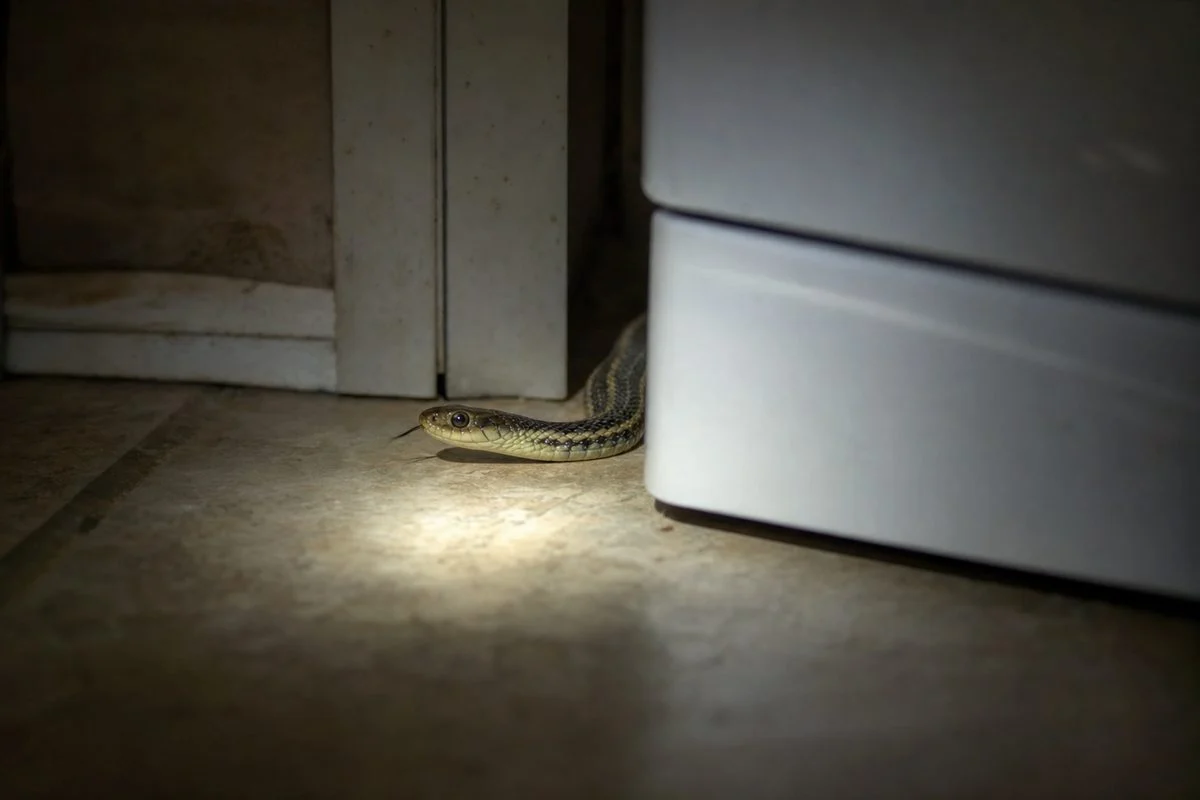
"To get a snake out of your house if you can’t find it, seal off rooms, remove food sources, set safe lures like damp towels, and call professionals if needed." Few things rattle homeowners faster than realizing a snake has slipped into the house, especially when it’s gone into stealth mode and you can’t find it. The unsettling part isn’t just the snake itself, but the not knowing where it’s hiding or when it might reappear. That mix of fear and uncertainty can turn your home into a guessing game you never signed up for. The good news is you’re not powerless. While snakes are masters of concealment, there are smart, safe ways to handle the situation without putting yourself at risk. Instead of tearing the house apart in a panic, you can follow proven steps to corner, coax, or calmly remove your uninvited guest, and when needed, call in the experts who do this every day. Why a Hidden Snake Is a Headache? Snakes are escape artists. Once inside, they slip into tight, dark spaces like behind appliances, under furniture, or even inside walls. Their quiet movements and ability to flatten their bodies make them nearly invisible when they want to be. This vanishing act isn’t just inconvenient, it can be stressful and even dangerous. You might walk through your own home feeling on edge, unsure if the snake is tucked in a corner, curled behind a shoe rack, or resting in a vent. That uncertainty creates anxiety, and it increases the chances of an accidental encounter that could end with a bite. To make matters worse, snakes can linger indoors for days if they find warmth, food, or shelter. This means that without a plan, you’re stuck with an unpredictable guest who won’t announce itself until it’s good and ready. Strategy 1: Seal Off Its Territory The first step is containment. If you know a snake is in your house but can’t see it, close interior doors and keep it confined to one section of the home. This prevents it from slithering into new hiding spots and makes it easier to track down later. Next, block potential escape routes. Cover floor gaps, vents, and cracks along baseboards with towels, cardboard, or tape as a temporary measure. The goal is to shrink the snake’s playground so it has fewer options for concealment. By cutting off hiding spaces, you force the snake to stay within reach instead of letting it roam freely. This simple move puts you back in control of the situation and sets up the next steps for safe removal. Strategy 2: Coaxing It Out with Lures Once the snake’s territory is contained, the next move is to gently encourage it to reveal itself. Snakes often respond to changes in environment, so introducing the right cues can help. For example, a damp burlap sack or towel placed near a wall creates a cool, dark hiding place that can attract the snake out of less accessible areas. Some homeowners also use sound or vibration, like lightly tapping furniture or flooring, to unsettle the snake enough to shift its position. While chemical odors such as ammonia or mothballs have been suggested, these carry risks for children and pets, so use extreme caution if you go that route. The key is to make your home less comfortable for the snake without putting your household in danger. Patience is critical during this stage. Snakes won’t rush out on command, but with the right setup, you increase your odds of spotting movement and making the next move toward safe capture or removal. Strategy 3: Patience—Let It Come to You When a snake hides, sometimes the smartest move is to wait it out. Snakes are active hunters, and eventually they’ll leave their hiding spot in search of food or water. By reducing noise and foot traffic in the area, you make the environment calm enough for the snake to feel safe emerging. You can increase your chances by placing a shallow dish of water in the confined space. Some homeowners even use a live rodent in a secured trap as bait, though this step should only be done with professional guidance. The point is to give the snake a reason to reveal itself instead of staying tucked away. Patience pays off here. Instead of tearing your home apart in frustration, let the snake’s natural instincts do the work. When it finally shows itself, you’ll be ready with the next steps for removal, or to call in the experts. When To Call in the Pros? Not every snake encounter can or should be handled alone. If the hidden snake could be venomous, or if you’re unsure of its species, the risk of injury is too high to play detective. Even non-venomous snakes may bite if they feel cornered, and those bites can still be painful and carry bacteria. Professional wildlife removal teams like AAAC bring both experience and the right equipment to the job. From protective gear to humane traps, they know how to locate and remove snakes without endangering your family or the animal. Their training also means they can identify the species on sight and tailor the approach to match its behavior. Calling in experts isn’t a sign of defeat, it’s a smart way to protect yourself while solving the problem quickly. Instead of guessing and worrying, you get peace of mind knowing the situation is handled safely and thoroughly. Prevent the Encore: Stop the Next Invisible Visit Once a snake has made it inside, prevention becomes the priority. Start with sealing gaps and cracks around the foundation, doors, and windows. Adding mesh covers to vents and drains also blocks common access points. By tightening up your home’s defenses, you remove the easy entrances snakes love to exploit. Outdoors, clean up areas that create shelter and food sources. Trim thick vegetation, remove woodpiles, and keep the lawn short to eliminate snake-friendly hiding spots. Controlling rodents is just as important since they’re a primary food source, if mice or rats are around, snakes won’t be far behind. Regular seasonal checks add another layer of security. A quick inspection in spring and summer, when snakes are most active, helps you spot issues before they become major problems. With consistent upkeep, your chances of another hidden house guest drop dramatically. Don’t Let the Snake Win Hide-and-Seek Finding out there’s a snake in your house you can’t see is unnerving, but it doesn’t have to spiral into panic. By sealing off its space, using simple lures, and patiently waiting, you can regain control of the situation without putting yourself in danger. The key is balancing smart DIY tactics with knowing when to call in help. Professional teams like AAAC Wildlife Removal bring the expertise and equipment that turn a stressful mystery into a quick, safe resolution. With prevention steps in place, you can stop the encore and keep future snakes from sneaking inside. Call AAAC Wildlife Removal Today! Don’t let a hidden snake keep you on edge in your own home. AAAC Wildlife Removal is ready to step in with safe, proven methods to track, capture, and remove snakes quickly. Our team knows how to identify entry points, close them off, and prevent another surprise visit down the road. Call us today and reclaim your home with confidence, because snakes don’t stand a chance when you’ve got AAAC on your side.
What Smell Do All Snakes Hate?
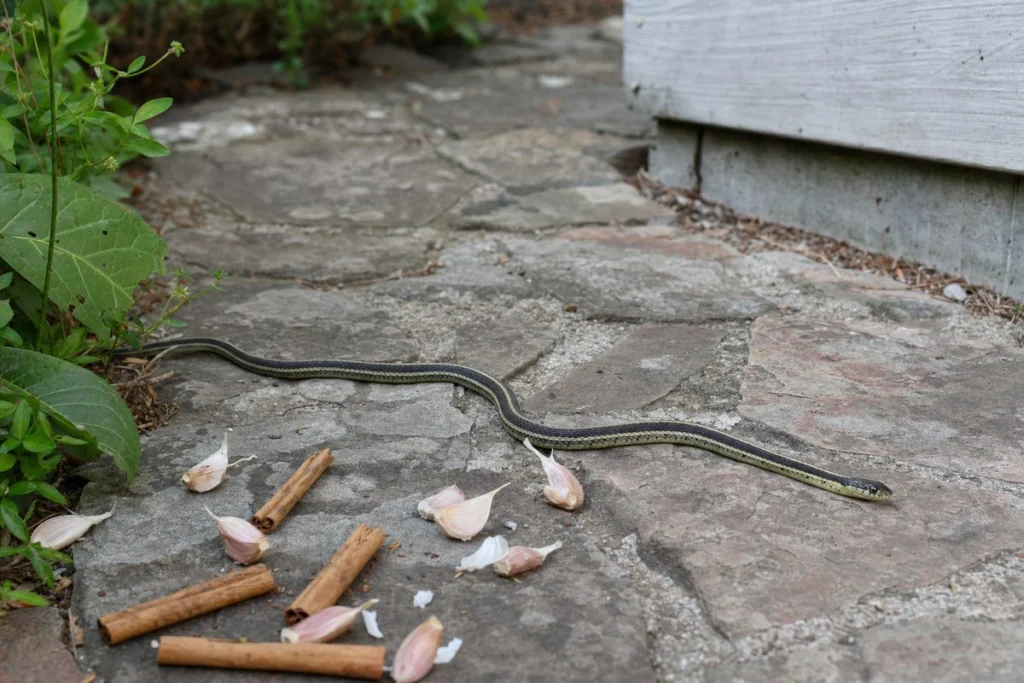
"Snakes hate strong scents like garlic, cinnamon, clove, and citrus, which irritate their sensory system and make them avoid treated areas." Snakes don’t need to knock on your door to make themselves at home, and nothing makes that thought more unsettling than wondering how to keep them away. Home remedies often pop up in conversations, with people swearing that certain smells are a snake’s kryptonite. Some of those claims are grounded in truth, while others are nothing more than myths passed around the neighborhood. The good news is that science does back up a few scents snakes find unbearable. The trick isn’t to turn your house into a spice cabinet, but to understand which smells actually irritate snakes and how to use them safely. That’s where AAAC Wildlife Removal steps in, to separate fact from fiction and show you how scent can be part of a smarter snake prevention plan. How Do Snakes Smell Anyway? Snakes don’t smell the way humans or pets do. Instead, they rely on a special organ called the Jacobson’s organ, located on the roof of their mouth, to process chemical particles from the air. When you see a snake flicking its tongue, it’s essentially “tasting” scent molecules and sending that information to this organ. This means strong odors can interfere with how snakes interpret their surroundings. Scents that irritate or overwhelm their chemical sensing can push them to avoid an area altogether. By understanding this unique system, it becomes clear why certain strong, pungent smells are more likely to keep snakes at bay. Snakes Avoid These Smells Ammonia and Naphthalene: These harsh chemicals overwhelm a snake’s sensory system, making the area uncomfortable. While effective at deterring snakes, they’re also dangerous to people, pets, and the environment, which makes them a poor long-term solution. Spices and Strong Oils: Garlic, onion, cinnamon, and clove give off intense odors that snakes dislike. These natural options irritate their chemical receptors and can be applied safely in controlled areas like gardens or near entry points. Citrus and Lemongrass: Bright, sharp fragrances such as lemon peels or lemongrass oil can make an area less attractive to snakes. These smells are offensive to them while being relatively pleasant for humans to use around the home. Snakes depend heavily on chemical cues for survival, so when those cues are disrupted by overpowering odors, they’re more likely to leave in search of a more comfortable habitat. Scent Strategies That Work (And Which to Skip) DIY Sprays: A simple mix of crushed garlic or boiled lemon peels in water can be sprayed near entry points and garden edges. This creates a lingering odor barrier without introducing toxic chemicals into your home. Spice Barriers: Sprinkling cinnamon, cayenne, or onion powder along baseboards, porch steps, or sheds can discourage snakes from crossing. Just remember to refresh the barrier after rain or heavy wind. Plant Power: Landscaping with natural deterrents like lemongrass, marigolds, or garlic adds a dual benefit. These plants not only brighten your yard but also give off scents snakes find irritating. Skip the Mothballs: While often recommended, mothballs contain chemicals harmful to people, pets, and soil. They’re not approved for outdoor snake control and can do more harm than good. Using scents the right way makes your property less comfortable for snakes, but they’re most effective when paired with other prevention tactics. Why Some Snakes Aren’t Bothered? Not every snake will react the same way to strong odors. Some species are less sensitive, while others may simply tolerate the smell if food or shelter is nearby. A hungry snake is more likely to ignore discomfort and stick around if it senses prey in the area. Over time, snakes can also become accustomed to mild scents if they linger without change. This is why rotating different natural deterrents can be more effective than relying on one smell alone. It keeps the environment unpredictable and less appealing for snakes to settle in. The takeaway is that while scents can help, they shouldn’t be the only strategy. Combining them with sealing entry points and removing attractants creates a much stronger defense against unwanted slithering guests. How AAAC Does It Smarter? At AAAC Wildlife Removal, we know scents can play a role in discouraging snakes, but we never rely on them alone. Our approach combines safe scent strategies with proven exclusion methods like sealing gaps, installing vent covers, and removing clutter that attracts both snakes and their prey. This creates a layered defense that actually works. We also focus on long-term results. A garlic spray or citrus barrier might buy time, but pairing that with rodent control, yard maintenance, and proper inspections ensures snakes don’t come back. Our trained technicians know how to identify high-risk areas and apply solutions that balance effectiveness with safety. By blending natural deterrents with professional-grade prevention, we help homeowners avoid the trial-and-error frustration of quick fixes. Instead, you get a clear, customized plan that keeps snakes out and your property secure. Smells Help, Smarts Win Snakes may hate sharp scents like garlic, citrus, and strong spices, but odors alone won’t keep them away for good. While these smells can make your property less appealing, the real key is pairing them with smart prevention steps such as sealing entry points, controlling rodents, and keeping the yard tidy. AAAC Wildlife Removal takes the guesswork out of the process by combining safe scent strategies with expert exclusion and long-term prevention. With the right balance of natural deterrents and professional solutions, you can keep snakes out without turning your home into a spice rack. Keep Snakes Away the Smart Way! Don’t rely on guesswork or risky home remedies to keep snakes at bay. AAAC Wildlife Removal offers safe, effective solutions that combine natural deterrents with professional prevention methods. From sealing entry points to applying smart scent strategies, our team knows how to protect your home and yard for the long term. Call AAAC Wildlife Removal today and take the stress out of snake control, because your home should smell like safety, not snake repellent.
- Brian Moss (President)
- AAAC Wildlife Removal
08/18/2026
Total words : 1023
How Long Will A Snake Stay In Your House?
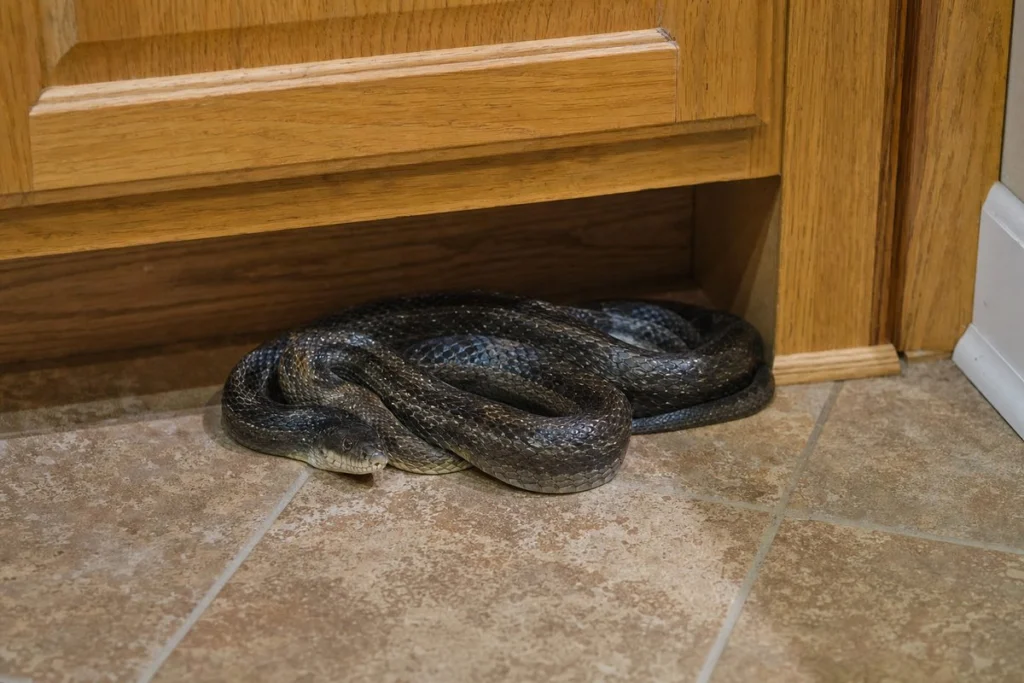
A snake can stay in your house for weeks or even months if it finds steady food, water, and shelter. Without these resources, most snakes leave on their own much sooner. Snakes that slip indoors don’t always leave quickly - they can remain hidden for weeks or months if they find prey, water, and safe shelter. This makes them more than a passing nuisance, as their presence often signals underlying issues like rodent infestations or entry gaps in the home. This article explains how long snakes typically stay inside, what conditions encourage them to remain, and where they tend to hide. It also covers seasonal behaviors, removal timelines, and how AAAC Wildlife Removal provides safe, lasting solutions to prevent repeat encounters. What Attracts a Snake Indoors, and How That Affects Stay Duration Snakes rarely wander into houses by accident; they follow resources that allow them to survive comfortably. The more of these resources they find, the longer they are likely to remain hidden indoors. Food Sources Rodents are the primary reason snakes settle inside homes, as they provide a steady food supply. If a house has signs of mice or rats, snakes may extend their stay for weeks or months. They are opportunistic hunters and will remain as long as prey is available. This connection makes rodent control essential for reducing snake residency. Shelter and Hiding Spots Snakes prefer undisturbed, dark spaces like attics, crawl spaces, or basements. These areas provide safety from predators and human activity, encouraging snakes to remain longer. The more clutter or storage available, the more hiding places snakes can exploit. A well-protected environment can turn a temporary visit into a long-term stay. Access to Water Even non-venomous snakes need consistent water sources to survive indoors. Leaky pipes, pet bowls, or damp basements provide the hydration they seek. If water remains available, a snake has little reason to leave. Addressing indoor moisture problems helps make the environment less appealing. Temperature and Seasonal Comfort Snakes use indoor environments to escape extreme outdoor conditions. During cold months, heated spaces offer warmth, while in hot months, basements provide cooler refuge. This seasonal benefit can extend their presence significantly. As long as temperatures indoors remain stable, snakes may choose to stay well past their initial entry. Common Hiding Places that Encourage Longer Residency Snakes seek quiet, dark spaces where they can avoid detection and feel secure. These locations allow them to remain indoors for weeks or even months without being noticed. Attics Attics offer warmth, insulation, and little human disturbance, making them ideal for snakes to settle in. Rodents often use attics as nesting sites, which attracts snakes looking for prey. Once inside, snakes can remain hidden among insulation or stored items. Because attics are rarely visited, residents may not realize a snake is living there. Shed skins or droppings are often the first signs of their presence. Crawl Spaces Crawl spaces provide consistent shelter with easy access through foundation cracks or vents. They stay cooler in the summer and warmer in the winter, giving snakes year-round comfort. Moisture from plumbing leaks or ground dampness can also provide a water source. These spaces often host insects and rodents, adding to the attraction. Without inspection, a snake can live in a crawl space undisturbed for long periods. Basements Basements are another prime hiding spot due to their low light, clutter, and accessibility from ground-level entry points. They often contain water sources such as sump pumps or leaky pipes. Storage boxes and furniture provide additional cover for snakes to hide behind or under. Rodents may also be active here, keeping snakes well-fed. Regular use of the basement increases the chances of detection, but in underused ones, snakes may remain unnoticed. Garages and Sheds Garages and sheds often have gaps under doors or unsealed vents that allow easy entry. Snakes take advantage of stored tools, boxes, or clutter for concealment. These areas may also house pests like crickets or mice, which become an immediate food supply. Because garages and sheds are not always sealed tightly, snakes can enter and exit freely. This flexibility makes them convenient temporary homes that sometimes turn into longer stays. Inside Walls and Cabinets Some snakes slip into gaps around plumbing or wiring and end up inside walls. Once there, they can remain for extended periods since the space is dark and rarely disturbed. In kitchens or bathrooms, cabinets near plumbing offer similar shelter and sometimes water access. These hiding places make snakes especially difficult to locate without professional help. Scratching noises or shed skins near wall gaps may be the only clues to their presence. Seasonal Behaviors Indoors Snakes adjust their indoor stays based on outdoor weather conditions. Seasonal changes can extend how long they remain hidden inside a home. Winter Brumation: During cold months, snakes may brumate in attics, basements, or walls to conserve energy. This state allows them to stay indoors for weeks or months until temperatures rise. Spring Activity: As weather warms, snakes become more active in search of food and mates. If prey remains available indoors, they may continue staying inside instead of leaving. Summer Heat: High outdoor temperatures drive snakes to cooler indoor spots like basements or crawl spaces. These areas provide stable climates that encourage extended residency. Fall Preparation: In autumn, snakes seek shelter to prepare for colder months. Homes with easy entry points can become long-term refuges before winter arrives. How Long Does It Actually Take to Remove a Snake? Snake removal can be quick or time-consuming depending on where the animal is hiding and what species is involved. Professionals assess access, safety risks, and behavior before determining how long the job will take. Simple, Visible Encounters If a non-venomous snake is out in the open, removal may only take minutes. Professionals can safely capture it with minimal tools and relocate it quickly. These cases usually occur in garages, porches, or open rooms where snakes are easy to spot. The process is straightforward, with little disruption to the household. Hidden in Clutter or Storage When snakes hide under boxes, furniture, or insulation, locating them requires more time. Each potential hiding spot must be checked thoroughly to avoid missing the animal. The extra steps slow down removal, often extending it to an hour or more. Careful handling ensures both safety and effectiveness in these situations. Venomous Species Removing venomous snakes takes longer due to the added precautions required. Specialized tools, protective gear, and sometimes multiple handlers are necessary. Every step must be deliberate to minimize risks of bites or escape. This makes venomous removals more time-intensive than non-venomous cases. Inside Walls or Crawl Spaces Snakes that slip into walls, crawl spaces, or attics are the hardest to remove. Professionals may need to use inspection cameras, traps, or repeated visits to confirm the snake’s location. These removals can take several hours, and in rare cases, multiple days. The complexity comes from the snake’s mobility and the difficulty of access. Final Takeaway on Snakes Staying Indoors How long a snake remains in your house depends on the resources it finds—food, water, shelter, and stable temperatures. In some cases, snakes may only stay a few days, but when conditions are favorable, they can remain hidden for weeks or even months. Their presence is often a symptom of broader issues like rodent activity or unsealed entry points. Professional removal provides a faster, safer solution than waiting for a snake to leave on its own. Experts not only locate and remove the animal but also identify how it entered and what keeps it inside. With AAAC Wildlife Removal, homeowners gain both immediate relief and long-term prevention to ensure snakes don’t make the house a recurring refuge.
- Brian Moss (President)
- AAAC Wildlife Removal
08/11/2026
Total words : 1284
How to Tell if a Snake is Venomous: Expert Guide & Safety Tips
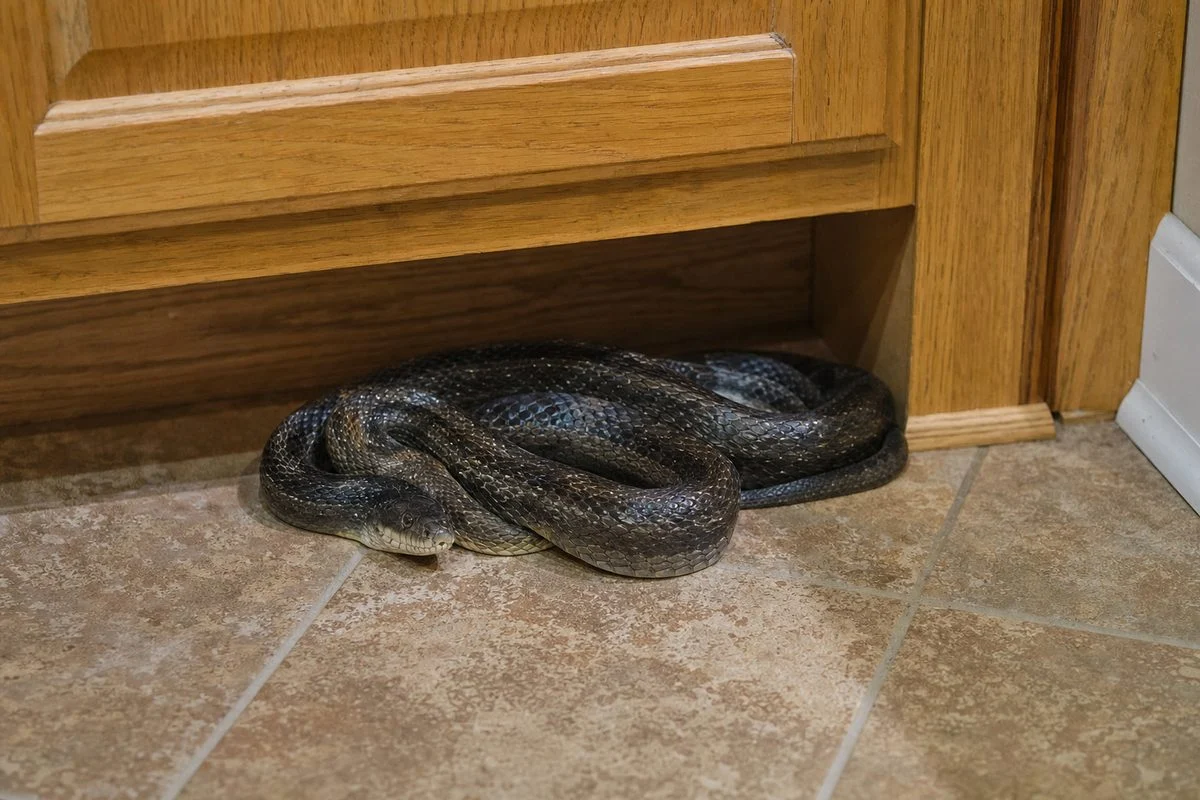
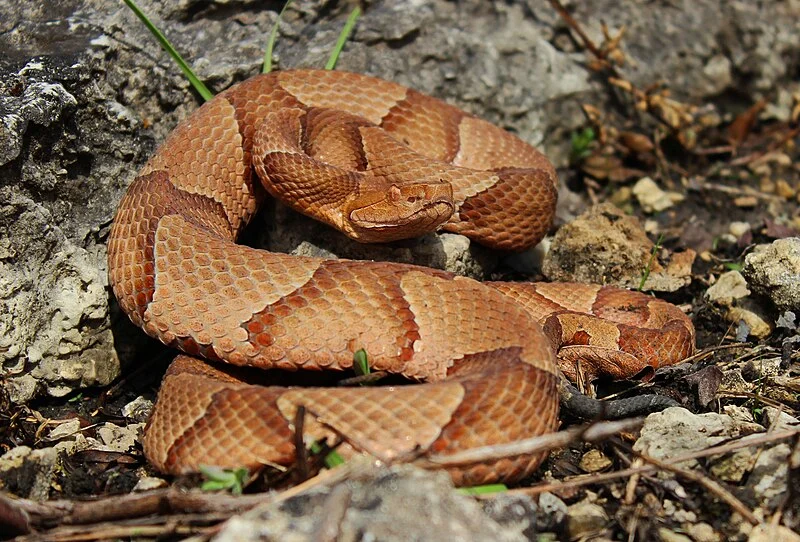
Check for these tell-tale signs to stay safe! Hey there, adventurer! Ever been out on a hike, soaking in the beauty of nature, when you suddenly spot something slithering across your path? Your heart skips a beat, and you wonder, "Is that snake dangerous?" We've all been there. It's a mix of excitement and a bit of panic. But fear not! I'm here to help you unravel the mystery of how to tell if a snake is venomous. In this guide, we’re diving deep into the world of snakes, busting myths, and giving you the lowdown on spotting the dangerous ones. Spoiler alert: It’s not just about the color! Whether you're a seasoned hiker, a curious learner, or someone who just loves nature, by the end of this article, you'll have the know-how to confidently identify whether a snake is a friend or foe. Stick with me, and I promise you’ll not only become the go-to snake expert among your friends but also feel a whole lot safer on your next outdoor adventure. Ready to become a snake-savvy superstar? Let’s slither right in! Key Takeaways Learn the main physical traits of venomous snakes. Understand behavioral signs that indicate danger. Discover safety tips for when you encounter a snake. Identifying Physical Traits Alright, let’s get down to business. How exactly can you tell if a snake is venomous? Here are the main physical traits to look out for: Head Shape One of the easiest ways to identify a venomous snake is by its head shape. Most venomous snakes have a distinct triangular or diamond-shaped head. This is due to the venom glands located on either side of their heads. So, if you see a snake with a broad, angular head, it’s time to stay cautious. Pupil Shape Ever heard that the eyes are the windows to the soul? Well, in the case of snakes, they can also be windows to danger. Venomous snakes often have elliptical, slit-like pupils, much like a cat’s eyes. In contrast, non-venomous snakes typically have round pupils. Next time you’re face-to-face with a snake, check out its peepers! Body Patterns This one’s a bit trickier because it’s not a hard-and-fast rule, but many venomous snakes have distinct, bright patterns on their bodies. However, don’t rely solely on this. Some harmless snakes can be just as colorful, while some venomous ones are more subdued in color. Presence of Fangs venomous snakes have prominent fangs that they use to inject venom into their prey. If you can safely observe, look for those tell-tale fangs. But remember, getting too close is never a good idea unless you’re a trained professional. Behavioral Signs Alright, now that we've covered the physical traits, let's talk about behavior. Snakes have their own way of communicating danger, and if you know what to look for, their behavior can be a dead giveaway. Aggressiveness Venomous snakes are often more aggressive when they feel threatened. If a snake is coiling up, hissing, or making sudden movements towards you, it's likely not a happy camper. This defensive behavior is a clear sign that the snake could be dangerous. Always give it plenty of space to avoid any unpleasant encounters. Warning Signals Some venomous snakes have built-in alarm systems. Take the rattlesnake, for instance. That iconic rattle isn’t just for show—it’s a warning to back off. Similarly, some snakes might flatten their bodies, puff up, or make loud hissing sounds. These warning signals are their way of saying, "Hey, stay away, I mean business!" Movement Watch the way the snake moves. Some venomous snakes, like the cottonmouth, have a unique way of swimming on the water’s surface with their bodies fully exposed. This distinctive movement can be a clue to their venomous nature. On land, a snake’s movement can also tell you a lot. If it seems overly confident and undeterred by your presence, it might be because it knows it has venomous backup. Safety Tips When Encountering Snakes Now that you’re well-versed in the physical and behavioral signs of venomous snakes, let’s talk about what to do if you actually encounter one. Here are some practical tips to keep you safe: Keep Your Distance This is the golden rule. The best way to stay safe is to maintain a respectful distance from any snake. Most snake bites occur when people try to handle or get too close to the snake. Stay Calm If you see a snake, don’t panic. Sudden movements can provoke a snake to strike. Take a deep breath, stay calm, and slowly back away from the snake. Educate Yourself Knowledge is power! Familiarize yourself with the types of snakes that are common in your area. Knowing what to expect can help you stay prepared and confident. Emergency Preparedness Know what to do in case of a snake bite. Quick and calm actions can make a huge difference. Keep a first aid kit handy and learn the basic steps of snake bite treatment. Remember, seeking professional medical help as soon as possible is crucial. Myth-Busting: Common Misconceptions Alright, let’s debunk some myths! There’s a lot of misinformation out there about snakes, and it’s time to set the record straight. Color Confusion Not all brightly colored snakes are venomous, and not all dull-colored snakes are safe. While some venomous snakes do have bright warning colors, many harmless snakes mimic these patterns to ward off predators. Don’t rely solely on color to make your judgment. Size Matters Think big snakes are more dangerous? Think again! Venomous snakes come in all sizes. Some of the most dangerous snakes can be quite small, so never judge a snake’s danger level by its size alone. Snake Charms Forget about those old wives' tales and folklore. Stick to facts and evidence-based knowledge. For example, the idea that all venomous snakes have triangular heads is generally true but not foolproof. Always use a combination of traits to make your identification. Conclusion Next time you’re out exploring, you’ll be armed with the knowledge to stay safe and maybe even impress your friends with your snake smarts. Remember, when it comes to snakes, respect and caution are your best friends. Happy adventuring, and may your paths be snake-free—or at least, snake-savvy!
- Brian Moss (President)
- AAAC Wildlife Removal
04/19/2025
Total words : 1064
Baby Rattlesnakes: Tiny but Dangerous? What You Need to Know
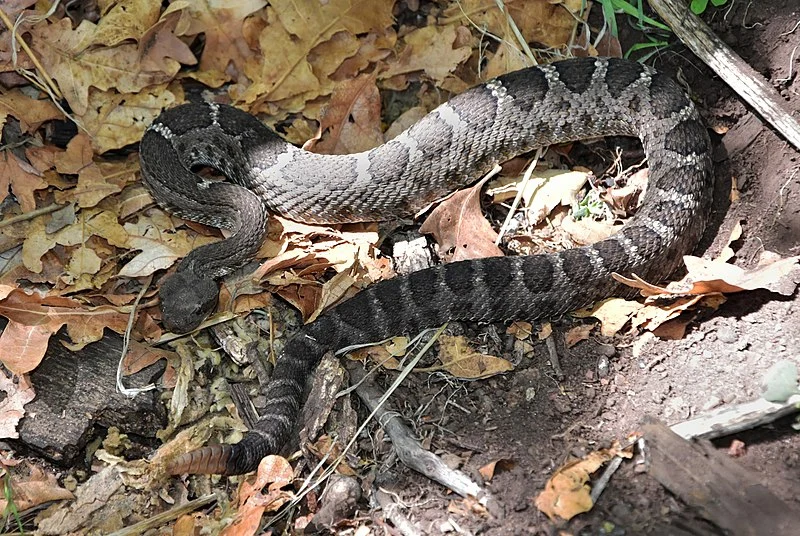
Understanding the truth about baby rattlesnakes can mean the difference between a safe encounter and a dangerous one. Are baby rattlesnakes dangerous? The short answer: Yes, they are. But let’s dive deeper into why these tiny reptiles pack such a powerful punch. Whether you're an adventurous hiker, a concerned parent, or just someone who enjoys the great outdoors, understanding the risks and behaviors of baby rattlesnakes can make a big difference in how you handle encounters with these fascinating creatures. Key Takeaways Baby rattlesnakes are just as venomous as adults, if not more. They are more likely to use all their venom in a bite. Identification tips: How to spot a baby rattlesnake. Safety tips: What to do if you encounter a baby rattlesnake. Myths debunked: Common misconceptions about baby rattlesnakes. The Venomous Truth About Baby Rattlesnakes Alright, let’s get to the heart of the matter: the venomous truth about baby rattlesnakes. These tiny terrors might look less intimidating than their adult counterparts, but don’t let their size fool you. Here’s why baby rattlesnakes are just as, if not more, dangerous than adults. Born Ready to Strike Baby rattlesnakes come into the world fully equipped with venom and the ability to deliver it. From day one, they can control the release of their venom, but here’s the kicker—they often don’t hold back. While adult rattlesnakes might conserve their venom, using it judiciously, baby rattlesnakes tend to inject all they’ve got when they bite. This means a bite from a baby can be just as lethal, if not more so, because you're getting the full dose. Venom Composition: Potent and Powerful The venom of a baby rattlesnake isn’t just a diluted version of the adult’s. In fact, it can be even more potent. The venom contains a complex mix of toxins designed to immobilize prey and begin the digestive process. For humans, this means that even a small amount can cause significant damage. The higher concentration of certain enzymes and proteins in baby rattlesnake venom can lead to more severe symptoms and complications. All or Nothing Approach One of the reasons baby rattlesnakes are considered more dangerous is their lack of control over venom injection. Adult rattlesnakes have learned to regulate how much venom they use, often delivering dry bites as a warning. Babies, on the other hand, haven’t mastered this skill yet. When they bite, they’re more likely to use all their venom. This "all or nothing" approach makes their bites particularly dangerous. Why They Bite Like their adult counterparts, baby rattlesnakes bite primarily in self-defense or when they feel threatened. However, because they’re smaller and less experienced, they might feel threatened more easily and thus be more likely to bite. This is why it’s crucial to be cautious and aware of your surroundings, especially in areas known to be inhabited by rattlesnakes. The Bottom Line When it comes to baby rattlesnakes, the adage "good things come in small packages" takes on a more ominous tone. Their venom is just as powerful, their bites can be more severe, and they’re not afraid to use everything they’ve got. Respecting these little creatures and understanding the risks they pose is key to staying safe in the great outdoors. Identifying Baby Rattlesnakes Now that we've covered how dangerous baby rattlesnakes can be, let’s move on to how you can identify them. Spotting these little vipers isn't always straightforward, especially since they don't look exactly like their adult counterparts. Here are the key characteristics to look out for. Physical Characteristics: Size and Color Baby rattlesnakes are typically born about 10 inches long, but they can range from 6 to 12 inches. They’re small, but their distinct markings can help you identify them. Look for the following: Color: Baby rattlesnakes often have brighter and more vivid colors compared to adults. Their patterns, usually consisting of blotches or bands, are more pronounced. Scales: Like adults, baby rattlesnakes have keeled scales (scales with a ridge down the center), which give them a rough texture. The Rattle (Or Lack Thereof) One of the biggest giveaways of a rattlesnake is, of course, its rattle. However, baby rattlesnakes don’t have a fully developed rattle yet. They’re born with a pre-button at the end of their tail, which isn’t capable of making the distinctive rattling sound. As they grow and shed their skin, new segments are added to their rattle. Until they’ve had a few sheds, their “rattle” might just be a silent nub. Head Shape and Eyes The shape of a rattlesnake’s head is another distinguishing feature: Triangular Head: Like adults, baby rattlesnakes have a distinctly triangular or arrow-shaped head, broader at the base and narrowing towards the snout. Eyes: Their eyes have vertical, cat-like pupils, unlike the round pupils of non-venomous snakes. However, getting close enough to observe their pupils is not advisable! Behavior: How They Move and Act Baby rattlesnakes exhibit some behavioral traits that can help in identification: Coiling and Striking: Even at a young age, rattlesnakes exhibit the classic coiled pose when they feel threatened. They’ll coil their body and hold their head high, ready to strike. Movement: They might move more erratically compared to adults. Due to their inexperience, they can be more defensive and unpredictable. Habitat and Timing Knowing when and where you’re likely to encounter baby rattlesnakes can also aid in identification: Season: Baby rattlesnakes are usually born in late summer to early fall. During this time, there might be an uptick in sightings. Environment: They can be found in the same habitats as adult rattlesnakes, including rocky areas, deserts, grasslands, and sometimes even near water sources. Key Tips for Identification If you see a small snake with vivid patterns and a triangular head, it’s best to assume it could be a baby rattlesnake. Lack of a fully developed rattle doesn’t mean it’s safe—baby rattlesnakes are still dangerous. Observing from a safe distance is crucial. If you’re unsure, it’s better to err on the side of caution and treat any small, patterned snake as potentially venomous. Safety Tips: Encountering a Baby Rattlesnake So, you’ve armed yourself with knowledge about how dangerous baby rattlesnakes can be and how to identify them. Now, let’s talk about what to do if you actually encounter one of these little guys. Whether you’re hiking in the wild or just walking in your backyard, these safety tips will help you handle the situation like a pro. Stay Calm and Back Away Slowly First things first: don’t panic. Baby rattlesnakes are more afraid of you than you are of them. Sudden movements can provoke a defensive reaction, so the best approach is to stay calm. Slowly and steadily back away from the snake, giving it plenty of space to retreat. Do Not Attempt to Handle or Provoke the Snake This might seem like common sense, but it’s worth repeating: never try to handle, touch, or provoke a rattlesnake, baby or otherwise. Even if it appears to be dead, leave it alone. Baby rattlesnakes, despite their size, can deliver a powerful bite that’s just as venomous as an adult’s. Keep Children and Pets Safe Kids and pets are naturally curious and might not understand the danger a baby rattlesnake poses. Here’s how to keep them safe: Educate: Teach your children to recognize the appearance of a rattlesnake and to alert an adult immediately if they see one. Supervise: Always keep an eye on young children and pets when they’re playing outside, especially in areas known to have snakes. Leash Pets: When hiking or walking in snake-prone areas, keep your pets on a leash and stay on designated paths. Wear Proper Footwear and Clothing If you’re heading into areas where rattlesnakes are common, dress for safety: Boots: Wear sturdy, closed-toe boots that cover your ankles. This provides some protection if you accidentally step near a hidden snake. Long Pants: Opt for long pants instead of shorts. Thick fabrics can offer an extra layer of protection against bites. Stick to Well-Worn Paths When hiking, stay on established trails and avoid wandering into tall grass, dense underbrush, or rocky areas where snakes might be hiding. Sticking to clear paths reduces your chances of a surprise encounter. Use a Walking Stick A walking stick can be a handy tool in snake country. Not only does it help with balance, but you can also use it to gently probe ahead in areas where visibility is low, like tall grass or thick underbrush. This can help alert any hidden snakes to your presence, giving them a chance to slither away before you get too close. Be Cautious Around Rocks and Logs Snakes love to hide in cool, shaded areas like under rocks and logs. When moving through these environments: Step on Logs: Step onto logs and rocks rather than over them. This way, you won’t accidentally surprise a snake that might be hiding on the other side. Look Before You Reach: If you need to pick something up or move a rock or log, use a stick or tool to shift it first. Never use your hands without checking the area. What to Do if Bitten Despite your best efforts, bites can still happen. If you or someone else is bitten by a rattlesnake: Stay Calm: Try to remain as calm and still as possible to slow the spread of venom. Call for Help: Seek immediate medical attention. Call emergency services or get to the nearest hospital. Immobilize the Affected Area: Keep the bite area at or below heart level and immobilize it to reduce venom spread. Remove Tight Clothing/Jewelry: Remove any tight clothing or jewelry near the bite site, as swelling can occur. Myth-Busting: Common Misconceptions Alright, it’s time to tackle some of the myths and misconceptions surrounding baby rattlesnakes. There’s a lot of misinformation out there, and clearing it up can help you stay safe and informed. Let’s dive into some of the most common myths and set the record straight. Myth: Baby Rattlesnakes Are Harmless One of the biggest misconceptions is that baby rattlesnakes are harmless because they’re small. This couldn’t be further from the truth. As we’ve discussed, baby rattlesnakes are born with fully functional venom and the ability to deliver it. In fact, their bites can be more dangerous because they tend to release all their venom at once. Size doesn’t equate to safety when it comes to these little vipers. Myth: Baby Rattlesnakes Can't Control Their Venom There’s a persistent belief that baby rattlesnakes can’t control how much venom they inject, leading to more dangerous bites. While it’s true that they might not have the same level of control as adults, this doesn’t mean they’re completely unregulated. They can control their venom, but they’re more likely to use it all because they haven’t yet learned the more conservative biting techniques of adult snakes. Myth: All Rattlesnakes Will Rattle Before Striking Many people believe that rattlesnakes always rattle before they strike as a warning. However, this isn’t always the case. Baby rattlesnakes, in particular, might not have a developed rattle or might not use it effectively. Even adults can strike without rattling if they’re startled or feel threatened suddenly. Relying solely on the presence of a rattle as a warning can lead to dangerous assumptions. Myth: Rattlesnake Bites Are Always Fatal While a rattlesnake bite is a serious medical emergency, it’s not always fatal, especially with prompt medical treatment. Advances in antivenom and medical care have significantly improved the prognosis for snakebite victims. However, it’s crucial to treat every bite seriously and seek immediate medical attention to reduce the risk of severe complications. Myth: You Can Suck Out the Venom This old wives’ tale is not only ineffective but can also be harmful. Trying to suck out the venom can introduce bacteria into the wound and cause more damage. The best course of action is to keep the affected area immobilized, stay calm, and get to a hospital as quickly as possible. Myth: Rattlesnakes Only Live in Deserts While rattlesnakes are commonly associated with desert environments, they can actually be found in a variety of habitats, including forests, grasslands, and even coastal areas. They’re adaptable creatures that can thrive in many different conditions. Knowing that they can be found in various environments can help you stay vigilant no matter where you are. Myth: Baby Rattlesnakes Are More Dangerous Than Adults This myth stems from the idea that baby rattlesnakes release all their venom in a bite, making them more dangerous. While it’s true that they might use more venom, adult rattlesnakes have larger venom glands and can deliver a more significant dose overall. Both baby and adult rattlesnakes pose serious risks, and it’s important to treat them both with caution and respect. Conclusion Alright, we’ve journeyed through the intriguing world of baby rattlesnakes, uncovering their dangers, how to identify them, safety tips for encounters, and busting some common myths. Let’s wrap it all up with a clear and concise conclusion. Baby rattlesnakes may be small, but they pack a powerful punch. Their venom is potent, their bites can be severe, and they’re not to be underestimated. By understanding their behavior, knowing how to identify them, and following safety precautions, you can enjoy the great outdoors without unnecessary fear. Remember, it’s all about awareness and respect. Whether you’re hiking through their natural habitat or simply living in an area where they might be present, being informed is your best defense. Baby rattlesnakes, like all wildlife, play a crucial role in the ecosystem, and with the right knowledge, you can coexist safely with these fascinating creatures. Stay vigilant, stay safe, and enjoy the beauty of nature responsibly. And hey, if you’ve got your own rattlesnake stories or tips, drop a comment below or reach out on social media. Let’s keep the conversation going and help each other stay informed and prepared.
- Brian Moss (President)
- AAAC Wildlife Removal
12/13/2024
Total words : 2375
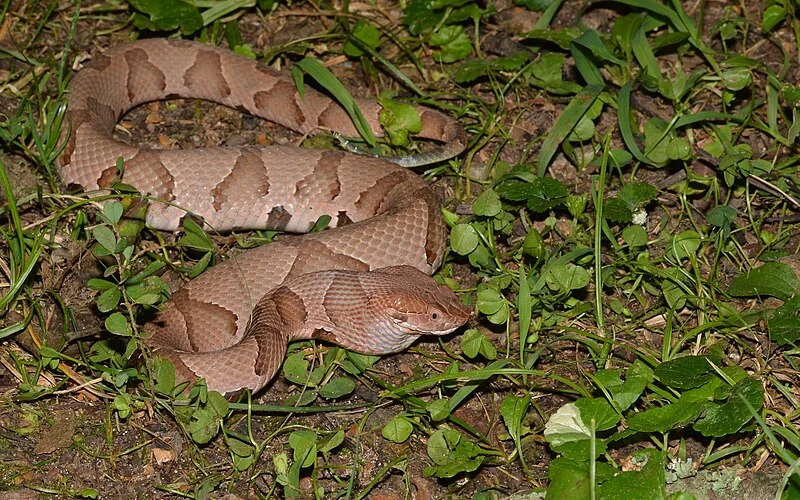
Do Copperhead Snakes Climb Trees? Surprising Arboreal Habits
Yes, Copperhead snakes can climb trees. They are often seen in low branches, seeking prey or sunbathing. Key Takeaways Copperhead snakes are primarily ground-dwelling but can climb trees when necessary. They use their muscular bodies to ascend low branches and shrubs for hunting, escaping threats, or regulating body temperature. Climbing behavior in copperheads is relatively rare but documented through instances and expert testimonials. Awareness and safety measures are crucial for those in copperhead-inhabited areas to minimize the risk of encounters. AAAC Wildlife Removal offers knowledge and services to promote safe and respectful interactions with wildlife. Copperhead snakes, known scientifically as Agkistrodon contortrix, are a fascinating species native to North America. Recognizable by their distinctive copper-colored heads and patterned bodies, these snakes often provoke both curiosity and caution among those who encounter them. Typically found in wooded areas, rocky hillsides, and near water sources, copperheads are skilled at blending into their surroundings, making them intriguing subjects for nature enthusiasts and herpetologists alike. However, a question that often arises is whether these ground-dwelling serpents possess the ability to climb trees, adding an element of surprise to their already enigmatic behavior. Exploring the climbing capabilities of copperhead snakes not only satisfies a natural curiosity but also holds practical implications for safety and wildlife understanding. If these snakes can indeed ascend trees, it could alter how people perceive and interact with their environment, especially in regions where copperheads are prevalent. At AAAC Wildlife Removal, we are dedicated to providing comprehensive information and safe solutions for dealing with wildlife encounters. This article delves into the behaviors, anatomical features, and documented instances that reveal whether copperhead snakes climb trees, offering valuable insights for those sharing their habitat with these captivating creatures. Copperhead Snake Behavior and Habitat Copperhead snakes are primarily nocturnal, becoming especially active during the warmer months. They are ambush predators, relying on their camouflage to remain unseen while they wait for prey such as rodents, birds, frogs, and insects. Their hunting strategy involves lying motionless and striking quickly when an unsuspecting prey comes within reach. This sit-and-wait tactic is facilitated by their heat-sensing pits located between the eyes and nostrils, which allow them to detect warm-blooded animals even in the dark. These snakes thrive in a variety of habitats, including deciduous forests, rocky hillsides, wetlands, and areas near streams and rivers. Copperheads are also known to inhabit suburban areas, where they can sometimes be found in gardens, under porches, or in woodpiles. Their adaptability to different environments is a key factor in their widespread presence across the eastern and central United States. Despite their adaptability, copperheads prefer areas with ample cover and moisture, which helps them regulate their body temperature and remain hidden from predators. Climbing Abilities of Copperhead Snakes While copperhead snakes are predominantly ground dwellers, their physical capabilities do not entirely preclude them from climbing. Anatomically, copperheads possess strong, muscular bodies that can support their weight when climbing. Unlike some other snakes that are more adept at climbing, such as rat snakes, copperheads lack the specialized scales that provide additional grip. However, their climbing ability is not entirely absent and they can ascend low shrubs, rock piles, and occasionally, trees. Comparative studies with other snake species reveal that copperheads have a moderate ability to climb, often driven by specific needs such as hunting or escaping threats. For instance, rat snakes, which share similar habitats, are excellent climbers and often ascend trees to hunt for birds and their eggs. Copperheads, while not as proficient, may climb to reach prey, avoid predators, or explore their surroundings. Expert opinions suggest that while tree climbing is not a common behavior for copperheads, it is within their physical capabilities, especially in environments that necessitate such actions. Documented Instances and Evidence Although copperhead snakes are not renowned for their climbing abilities, there have been several documented instances and anecdotal reports of these snakes found in trees or elevated locations. Wildlife biologists and herpetologists have occasionally observed copperheads resting on low branches or entwined in shrubs. Such observations are typically rare and often surprise those who encounter these snakes in such unexpected places. Photographic and video evidence, while not abundant, does exist and supports these claims. For instance, a few wildlife enthusiasts and researchers have captured images of copperhead snakes coiled in low-hanging branches, seemingly comfortable in their elevated perches. Additionally, testimonials from herpetologists indicate that while copperhead snakes do not frequently climb, they are capable of doing so when motivated by certain factors. These instances, though not the norm, provide compelling evidence that copperheads possess the ability to climb, albeit not as proficiently as some other snake species. Reasons and Purposes for Climbing Understanding why copperhead snakes might climb trees involves examining their behavior and survival strategies. One primary reason for climbing is the pursuit of prey. Copperheads are opportunistic feeders, and if a potential meal is located in an elevated position, they may climb to capture it. This behavior is particularly likely in environments where prey such as birds, small mammals, or insects are accessible in low branches or shrubs. Another reason for climbing is to escape from predators or environmental threats. Climbing can provide a temporary refuge from ground-based dangers, such as larger predators or human activity. Additionally, copperheads might climb to regulate their body temperature, seeking warmer or cooler spots as needed. Trees and shrubs can offer such microhabitats, allowing the snakes to thermoregulate more effectively. Finally, climbing can be part of exploratory behavior, as copperheads navigate their environment to find suitable habitats or breeding grounds. These factors collectively explain why, despite their primarily terrestrial nature, copperhead snakes occasionally venture into the trees. Safety Considerations for Humans Understanding the climbing abilities of copperhead snakes is crucial for ensuring safety, especially for those living in or visiting areas where these snakes are common. While it is rare to encounter a copperhead in a tree, being aware of this possibility can help prevent unexpected encounters. For hikers and campers, it is advisable to stay alert and avoid placing hands or feet on tree branches or shrubs without first checking for the presence of snakes. Always use a flashlight when navigating through wooded areas at night to spot any potential dangers. Homeowners should take precautions to minimize the likelihood of copperheads entering their yards or homes. Keeping gardens and yards well-maintained, with grass trimmed and debris cleared, can reduce hiding spots for snakes. Installing snake-proof fencing and sealing any gaps or holes in the exterior of homes can further deter these reptiles from entering living spaces. If you encounter a copperhead snake in a tree or elsewhere, it is best to keep a safe distance and contact a professional wildlife removal service, such as AAAC Wildlife Removal, to handle the situation safely and humanely. Conclusion Copperhead snakes, while primarily ground-dwelling, do possess the ability to climb trees, though this behavior is not commonly observed. Their muscular bodies and opportunistic nature allow them to ascend low branches and shrubs when necessary, whether for hunting prey, escaping threats, or regulating their body temperature. Documented instances and expert testimonials provide evidence of their climbing capabilities, although these occurrences are relatively rare. For those living in or exploring areas inhabited by copperheads, understanding their behavior and taking appropriate safety measures is essential. By staying informed and vigilant, humans can coexist with these fascinating snakes while minimizing the risk of unexpected encounters. At AAAC Wildlife Removal, we are dedicated to providing the knowledge and services needed to ensure safe and respectful interactions with wildlife.
- Brian Moss (President)
- AAAC Wildlife Removal