


- Brian Moss (President)
- AAAC Wildlife Removal
09/15/2026 Total words : 2635
What food is poisonous to squirrels?
“Chocolate, avocados, onions, and moldy foods are some of the most poisonous items you can leave out for squirrels. Even small amounts of these everyday ingredients can cause serious health issues—or be fatal—for these sensitive rodents.” Squirrels may look harmless scampering across your fence or chasing each other up a tree, but when they show up in your attic or tear through your garden, that charm disappears fast. In leafy neighborhoods where parks are close by and backyard bird feeders are everywhere, it’s no surprise that squirrels are regular visitors—and sometimes uninvited tenants. While many people enjoy watching them or even tossing out food, what you leave behind can actually be dangerous to squirrels—and a bigger headache for you without proper squirrel control. This article isn’t about harming wildlife. It’s about knowing what food is poisonous to squirrels so you don’t accidentally invite them in or make them sick. If you’ve been leaving out scraps, filling feeders, or composting without thinking twice, there’s a good chance you’re creating a squirrel buffet without even realizing it. Let’s break down what to avoid, what to secure, and how to protect both your home and the squirrels from a bad encounter. What Is The Most Dangerous Foods for Squirrels? Chocolate and Caffeinated Products Chocolate is one of the most toxic substances you can accidentally leave out for squirrels or any rodent. It contains theobromine—a stimulant that these small animals can't metabolize effectively. Just a small amount from a brownie, chocolate almond bar, or sugar-filled candy can trigger tremors, elevated heart rate, or seizures in squirrels. Since they have such fast metabolisms and tiny bodies, the toxic effects hit hard and fast, often with serious consequences. Caffeinated foods and drinks are equally dangerous. Coffee grounds, soda spills, or chocolate-covered espresso beans tossed into a compost pile can be life-threatening if a squirrel gets into them. Where outdoor parties and backyard BBQs are common, it’s easy for sugary or caffeine-rich snacks to end up where rodents roam. To keep squirrels safe and your property clear of unwelcome visitors, make it a habit to clean up thoroughly and store all sweet or stimulant-laced foods securely. Avocados Avocados contain persin, a fungicidal toxin found in the fruit’s skin, pit, and even its leaves. While persin might not harm humans, it can be toxic to many animals, including squirrels. The risk isn’t just in eating an avocado—squirrels that nibble on a discarded peel, chewed seed, or exposed pit can experience digestive issues or worse. What makes this even more concerning is how easily avocado waste can be overlooked, especially in compost bins. If you’re growing avocado trees or preparing guacamole from scratch, this is something to stay mindful of. As urban farming and composting become more popular, the risk of accidentally exposing squirrels to this toxic fruit increases. Make sure avocado scraps are properly sealed or discarded, and if you have a tree, regularly clear fallen fruit from the yard. It’s better to be safe than to unknowingly poison a local animal. Onions, Garlic, and Spicy Foods While these aromatic kitchen staples may keep your chili full of flavor, they spell serious trouble for squirrels. Onions and garlic contain compounds that can damage red blood cells, leading to anemia and other health complications. The danger extends to cooked dishes, too. If a squirrel gets into leftover food seasoned with garlic or onions, even in small amounts, it can suffer lasting effects. In worst cases, repeated exposure can be fatal over time. Spicy foods also pack a punch that squirrels can’t handle. Hot sauce remnants, chili powder, or discarded tacos can cause severe digestive distress. Where spicy dishes are a staple, food waste often ends up in outdoor bins or compost piles. Make sure spicy scraps are stored in critter-proof containers, and avoid tossing seasoned leftovers near your patio or yard. The goal isn’t just to avoid harming squirrels—it’s to stop inviting them altogether. Alcohol and Fermented Fruit Alcohol might seem like an unlikely threat to wildlife, but squirrels are highly sensitive to it. Whether it’s beer spills from a tailgate, wine left out on the porch, or sugary cocktails left on patio tables, these drinks can lead to disorientation, slowed reaction time, and eventually liver failure in squirrels. Their small bodies can't handle even trace amounts, and it doesn't take much to put them in serious danger. Another sneaky culprit? Overripe or fermenting fruit, especially in backyards with peach, fig, or persimmon trees. As the fruit falls and begins to break down, it can release natural alcohols that attract squirrels and get them intoxicated. They may stagger, fall from trees, or become easy prey for predators. Regularly clean up fruit from the ground and keep alcoholic beverages secure during outdoor events. Salty Snacks and Chips Salt is another ingredient that can easily disrupt a squirrel’s internal balance. While humans can handle a salty snack during a football game or backyard hangout, squirrels don’t process salt well. Even a few bites of junk food like chips, pretzels, or salted walnut snacks can dehydrate them and overwork their kidneys. These types of treats also contain added sugar and artificial ingredients that offer zero nutritional value for squirrels—making them both harmful and useless from a dietary perspective. Many of these items—especially sugary breakfast cereals or processed snack mixes—are casually dropped or tossed outside without much thought. But to a hungry squirrel, that forgotten bowl of cereal or spilled trail mix is a full meal. Where outdoor events, food trucks, and weekend cookouts are part of the culture, squirrels quickly learn where the good stuff is. Cleaning up sugary crumbs and sealing snack waste tightly are easy steps that help discourage squirrels from turning your yard into their favorite buffet line. AAAC Wildlife Removal · What food is poisonous to squirrels_ Surprising “Healthy” Foods That Still Poisonous To Squirrels Not all squirrel-dangerous foods are obviously harmful. Some look totally natural or even nutritious—but for squirrels, they can cause more harm than good. These foods often show up in gardens, bird feeders, compost piles, or well-meaning attempts to “feed the wildlife.” Here’s what to watch for. Raw Corn (Especially Moldy Corn) Corn might seem harmless—it’s a common ingredient in bird seed, livestock feed, and even human snacks. But when corn starts to mold, it can develop aflatoxins, which are highly toxic to squirrels and many other animals. Aflatoxins are produced by certain types of fungi and can affect liver function, immune systems, and even lead to cancer in wildlife. A squirrel doesn’t have to eat much moldy corn for it to cause serious internal damage. The risk goes up during warm, humid stretches—especially in summer—when moisture speeds up mold growth. Corn that’s left outside for too long, stored improperly in feeders, or tossed into compost piles can quickly become a hidden hazard. If you’re putting out corn in a feeder, store it in a dry place, change it frequently, and never offer anything that smells off or looks discolored. It’s not just about nutrition—it’s about safety. Bread and Processed Carbs Bread might feel like a safe, throwaway snack for critters—but it’s actually a poor and potentially harmful food choice for squirrels. Bread, crackers, and other refined carbs offer little to no nutrition, and they can expand in a squirrel’s stomach, leading to bloating or discomfort. In some cases, processed bread products contain preservatives and additives that are hard for squirrels to digest, weakening their system over time. Squirrels that eat too much bread often end up malnourished despite feeling full. This is especially common in neighborhoods where residents leave out food “just to be nice.” Unfortunately, the kindness backfires. Instead of helping, you may be attracting squirrels that grow dependent on an unhealthy food source—and more likely to take up permanent residence in your attic. If you want to be squirrel-friendly, stick to natural deterrents and avoid the bread basket. Peanuts (Especially Salted or Moldy) Peanuts are a bit of a wildcard. While they’re often seen in squirrel food blends or used to lure wildlife for photos, they aren’t actually nuts—they’re legumes. And when they’re salted, roasted, or worse, moldy, they become a serious risk. Moldy peanuts, like corn, can carry aflatoxins that attack a squirrel’s liver and immune system. Salted peanuts, on the other hand, can cause dehydration and kidney stress. This matters because many people use peanuts to feed birds or squirrels without realizing the risks. In fact, some birdseed mixes from big-box stores still include them. If you’re trying to keep squirrels away from your yard—or avoid poisoning them by accident—skip the peanuts. And if you must use them, go for raw, unsalted, and fresh, and use a squirrel-proof bird feeder so your effort to help one species doesn’t endanger another. Foods That Attract Squirrels (But Shouldn’t) Some foods might not be poisonous, but they’re basically neon signs saying “Free Snacks Here!” for squirrels. These attractants can lead to more frequent visits, nesting, and eventual infestations. If you’re trying to squirrel-proof your yard or keep them from invading your home, these are the items to manage carefully. Bird Seed and Pet Food Bird feeders are one of the top culprits for squirrel problems. Many blends contain sunflower seeds, millet, corn, and peanuts—aka squirrel candy. Once they find a reliable food source, squirrels will return again and again, sometimes destroying the feeder in the process. The same goes for pet food left outside. Dry kibble and wet food alike are high-protein, calorie-dense meals that squirrels will happily devour. Where backyard birdwatching is popular and outdoor pet bowls are common, this becomes a recurring issue. If squirrels are showing up regularly, the first thing to check is whether your bird feeder is squirrel-proof and elevated away from fences or trees. Also, never leave pet food unattended, especially overnight. A raccoon might beat the squirrels to it, but either way—you’ve got a new pest problem on your hands. Fruit Trees and Garden Crops If your backyard features fruit-bearing trees or a vegetable garden, you’re basically running a squirrel café. Figs, peaches, tomatoes, squash, strawberries—they’ll eat it all, and then some. What’s worse, squirrels don’t always eat the whole fruit. They’ll take one bite, drop it, then move to the next, leaving half-gnawed produce all over the yard. This kind of waste isn’t just annoying—it invites more wildlife and signals that your property is a reliable food source. Yards with nut or fruit trees and garden plots make it easy to understand how squirrels find paradise there. To cut down on the attraction, install protective netting, harvest ripe produce early, and fence off your garden beds. If fruit trees are the issue, keep the ground clear of fallen fruit and consider installing metal baffles to keep squirrels from climbing up. Prevention here is key—once they associate your yard with food, they won’t be in a hurry to leave. Humane Prevention Tips for Homeowners Getting rid of toxic or attractive foods is only half the battle. If you want squirrels to stay out of your attic, garden, or walls for good, you need to create an environment that’s less appealing overall. These humane, practical steps can help you protect your property without harming squirrels—or breaking any wildlife laws. Don’t Feed Them—Even Accidentally Feeding squirrels, even unintentionally, leads to dependency. Once they learn that your yard has a steady buffet of snacks—whether from bird feeders, trash, or leftover fruit—they’re more likely to return, build nests, and chew through your home. That’s when things get expensive. Insulation damage, chewed wires, and attic infestations are all common in squirrel-prone areas, especially in older homes with easy access points. It’s important to understand that “just tossing out scraps” or letting them share pet food isn’t doing them a favor. It’s putting them in harm’s way and encouraging behavior that will eventually need to be corrected—likely with professional wildlife removal. Your best move? Cut off their food supply and make your home boring and uninviting for a squirrel on the hunt. Secure Trash and Compost Open garbage bins, compost heaps, and yard waste piles are like food courts for squirrels. Apple cores, pizza crusts, vegetable scraps—if it smells edible, they’ll be in it. Even worse, once they’ve found your compost pile or trash bags, they’re likely to stick around and start scouting for entry points into your attic or crawl spaces. If you're composting in your backyard, heat and moisture speed up fermentation—making it even more pungent and appealing. To stop this, invest in locking trash cans and compost bins with tight-fitting lids. Avoid using plastic bags that animals can rip open easily, especially on trash night. If you’ve got a compost pile, keep it off the ground or fenced in with mesh to keep squirrels and other critters out. What might start as a curious squirrel rummaging in your compost can quickly turn into a full-blown pest issue. Use Natural Repellents and Smells They Hate One of the easiest and most humane ways to keep squirrels away is to use smells they can’t stand. Peppermint oil, garlic spray, vinegar, and cayenne powder are all natural deterrents that irritate a squirrel’s senses without causing harm. You can soak cotton balls in these oils and place them near entry points, or create your own spray for fences and garden beds. In regions with mild winters, squirrels stay active nearly year-round, so it helps to reapply repellents regularly. Target spots like attic vents, bird feeder poles, and garden borders. If you’re trying to protect specific crops or planters, mesh covers combined with repellents create a strong double-layer of defense. Bonus: these same repellents often work on raccoons and opossums, too. Work With a Local Expert Sometimes, even your best DIY efforts fall short—especially if squirrels have already gotten inside. That’s where professional help makes a difference. A licensed wildlife control team can inspect your home for entry points, seal off vulnerable spots, and install humane exclusion devices that let squirrels out but not back in. They’ll also know what local regulations allow and what’s safe for both your property and the animals. AAAC Wildlife Removal specializes in this exact kind of situation. Our local offices know the neighborhoods, the habits of local squirrel populations, and the seasonal behaviors that lead to infestations. Wherever you are, we can help you reclaim your space—quickly, legally, and without harming the squirrels. Keep Squirrels Safe—And Out of Your House Knowing what food is poisonous to squirrels isn’t just about protecting them—it’s about protecting your home, too. The snacks you leave behind, the bird feeders you stock, and the garden you tend could all be attracting unwanted attention. From toxic treats like chocolate and onions to high-risk leftovers and moldy corn, a little knowledge goes a long way in preventing harm and stopping infestations before they start. If squirrels have already turned your attic into a crash pad or your backyard into a snack station, it’s time to take action. AAAC Wildlife Removal offers humane squirrel removal, full-home inspections, and prevention strategies that actually work. Find your local office for fast service and zero guesswork. Call today—and make your home less inviting to pests and safer for everyone involved.

What is the number one killer of squirrels?
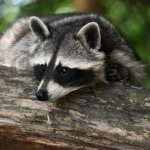
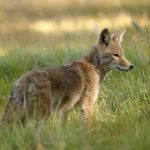
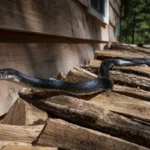
“The number one killer of squirrels isn’t cars or disease—it’s predators like hawks, owls, coyotes, and even outdoor cats.” Squirrels may look like carefree little acrobats racing across trees and rooftops, but their survival isn’t as easy as it seems. These animals face constant threats every single day, from predators overhead to dangers on the ground, and not all of them make it through a season alive. That leaves many people wondering: what is the number one killer of squirrels? The answer might surprise you. While many assume cars or harsh weather take the top spot, it’s actually predators that claim the most squirrel lives. Hawks, owls, snakes, coyotes, and even free-roaming cats are a squirrel’s biggest danger. Understanding this helps homeowners see why squirrels often move closer to houses, attics, and neighborhoods where they hope to find safety from the natural threats outside. The Top Threat: Predators in the Wild The number one killer of squirrels is predation. Despite their quick reflexes and acrobatic skills, squirrels are a vital part of the food chain. Hawks, owls, coyotes, and other hunters rely on them for survival, which keeps squirrel populations in balance. While this is a natural process, it also explains why squirrels frequently push closer to human homes in search of safety. In cities and their surrounding suburbs, predators are never far away. Open fields, wooded areas, and even neighborhood parks provide hunting grounds where squirrels are easy targets. Young squirrels and those caught foraging in open spaces are the most vulnerable, but even experienced adults can be taken by surprise when predators strike quickly and silently. Main Predators of Squirrels: Hawks and Owls – These birds of prey swoop down at high speeds, often leaving squirrels no time to react. Daytime hunters like hawks and nighttime hunters like owls make squirrels vulnerable around the clock. Coyotes – Opportunistic and adaptable, coyotes hunt squirrels both in wooded areas and near the edges of neighborhoods. Their presence has grown in urban areas, creating constant pressure on local squirrel populations. Snakes – Many snakes target young or unsuspecting squirrels near nests. Arboreal snakes can climb trees and ambush squirrels directly in their nests, making them especially dangerous to litters. Domestic Cats – Outdoor cats are surprisingly effective hunters and kill a significant number of squirrels each year. Unlike natural predators, cats often hunt for sport, which adds even more pressure to local populations. Foxes – While not as common in suburbs, foxes still roam rural and park areas, and squirrels are a frequent target when other prey is scarce. Predation not only reduces squirrel numbers but also changes their behavior. In urban settings, squirrels may avoid open yards or wooded edges where predators are active, instead climbing into attics, garages, and rooflines. These man-made shelters offer protection from natural enemies, but they create new problems for homeowners when squirrels start nesting indoors. Other Major Causes of Squirrel Death Road Traffic Collisions with vehicles are one of the most visible dangers to squirrels living in urban and suburban areas. These animals often dart across busy roads without hesitation, making them highly vulnerable during rush hours. Unfortunately, their natural zigzag running pattern—meant to escape predators—often makes it harder for drivers to avoid them. Morning and evening are peak times for squirrel activity, which also line up with commuter traffic. As neighborhoods expand and roads cut through wooded areas, more squirrels find themselves in harm’s way. For many urban squirrels, cars are a daily hazard that significantly shortens their lifespan. Disease and Parasites Squirrels are also at risk from illnesses like squirrel pox, mange, and respiratory infections. These diseases can weaken entire populations, especially when squirrels live in close proximity to one another. Parasites such as ticks, fleas, and internal worms further add to the burden, often leading to slow declines in health. Dense squirrel populations in parks and neighborhoods make it easier for diseases to spread. While not always immediately fatal, these conditions lower a squirrel’s ability to escape predators or survive harsh weather, ultimately increasing mortality rates. Starvation and Harsh Weather Although squirrels are skilled food gatherers, starvation does occur, particularly in times of drought or after severe winters. When natural food sources like acorns or berries run short, squirrels struggle to find enough to survive. Young squirrels and weaker adults are often hit the hardest. Harsh weather also plays a role in survival. Extreme summer heat can dehydrate squirrels quickly, while unexpected freezes during winter can wipe out food stashes. These seasonal challenges make food security a constant battle for squirrels year-round. Human Hazards Human activity poses another serious risk to squirrels. Poison left out for rodents, improperly set traps, and accidental electrocution on power lines all claim squirrel lives. While these may not always be intentional, the consequences can be deadly for urban wildlife. DIY removal attempts also put squirrels in danger, and in many cases, create risks for homeowners as well. Improper handling can lead to injury, property damage, and health hazards. This is why professional wildlife control is always the safer and more humane option. Why This Matters for Homeowners The constant threats squirrels face in the wild—predators, cars, disease, and harsh weather—often push them toward the safety of human homes. Attics, soffits, and garages provide secure shelter where squirrels can escape predators and extreme temperatures. For them, your property isn’t just convenient, it’s a lifeline. Unfortunately, this survival instinct creates serious problems for homeowners. Once inside, squirrels can chew wires, tear insulation, and damage structural wood, all while leaving behind droppings that pose health risks. What seems like a harmless guest can quickly escalate into costly repairs and dangerous hazards. Understanding why squirrels seek shelter helps explain why infestations are so common. By recognizing the pressures these animals face outdoors, homeowners can better appreciate the importance of prevention. Addressing entry points early ensures your attic doesn’t become the next refuge for a desperate squirrel. How AAAC Wildlife Removal Can Help Humane Removal At AAAC Wildlife Removal, the focus is always on safe and humane solutions. Instead of harmful traps or poisons, trained specialists use proven techniques to remove squirrels without causing unnecessary suffering. This approach protects the animals while keeping your home and family safe from unintended consequences. Humane removal also reduces the chance of future issues. By addressing the infestation correctly from the start, you avoid problems like dead animals in walls or attics, which can create odor and sanitation concerns. It’s the responsible way to restore balance without making things worse. Exclusion and Prevention Once squirrels are removed, the next critical step is sealing off entry points. Professionals carefully inspect the roofline, soffits, vents, and chimneys to find where squirrels are sneaking in. These vulnerable spots are then sealed with durable materials designed to withstand chewing and weather conditions. Prevention is just as important as removal. By closing access points, you ensure squirrels don’t come back, reducing the cycle of infestation. Homeowners benefit from long-term peace of mind knowing their property is protected against repeat invasions. Repairs and Cleanup Squirrels often leave behind extensive damage that needs professional attention. Chewed wires, shredded insulation, and droppings are not just a nuisance—they can become fire hazards and health risks if ignored. AAAC’s team offers repair and sanitation services to restore your attic to a safe, clean condition. Cleanup also helps prevent future problems. Removing droppings and nesting materials eliminates odors and bacteria that could attract other wildlife. A thorough restoration ensures your home is safe for your family while discouraging pests from returning. Conclusion: Nature’s Balance and Homeowner Action Predators may be the number one killer of squirrels, but they’re far from the only threat these animals face. Disease, traffic, weather, and human hazards all play a role in shortening squirrel lifespans. These challenges often explain why squirrels seek the safety of attics, garages, and rooflines when the outdoors becomes too dangerous. For homeowners, this survival instinct can turn into an expensive headache. Once inside, squirrels can damage insulation, chew through electrical wiring, and leave droppings that create serious health concerns. Ignoring the problem rarely makes it go away—in fact, it usually leads to more damage over time. The good news is you don’t have to deal with it alone. AAAC Wildlife Removal specializes in humane squirrel removal, exclusion, and cleanup to keep your home safe. If you’ve noticed scratching in your attic or other signs of squirrel activity, call AAAC today and let the experts protect your home while keeping nature in balance. Take Action Today Don’t wait until a squirrel infestation turns into costly damage. Protect your home with safe, humane, and effective wildlife removal services. AAAC Wildlife Removal is ready to help you solve the problem fast and prevent it from happening again. 📞 Call us today or request an inspection online to keep your home squirrel-free—for good.
- Brian Moss (President)
- AAAC Wildlife Removal
07/14/2026
Total words : 1494

American Red Squirrel Facts: The Quirky, Acrobatic Neighbors of Our Forests
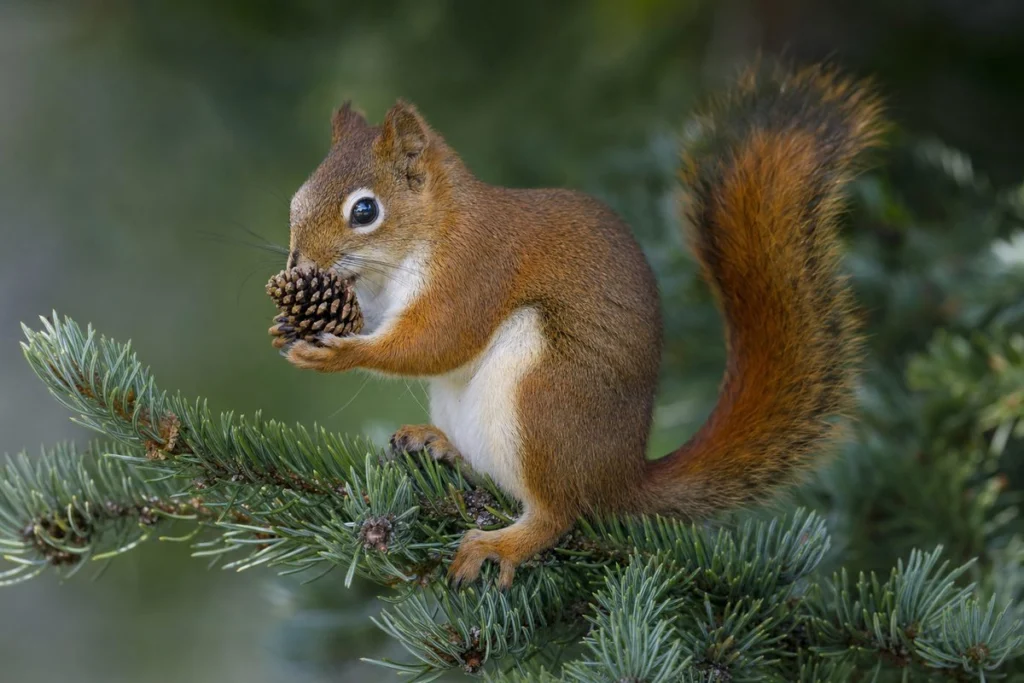
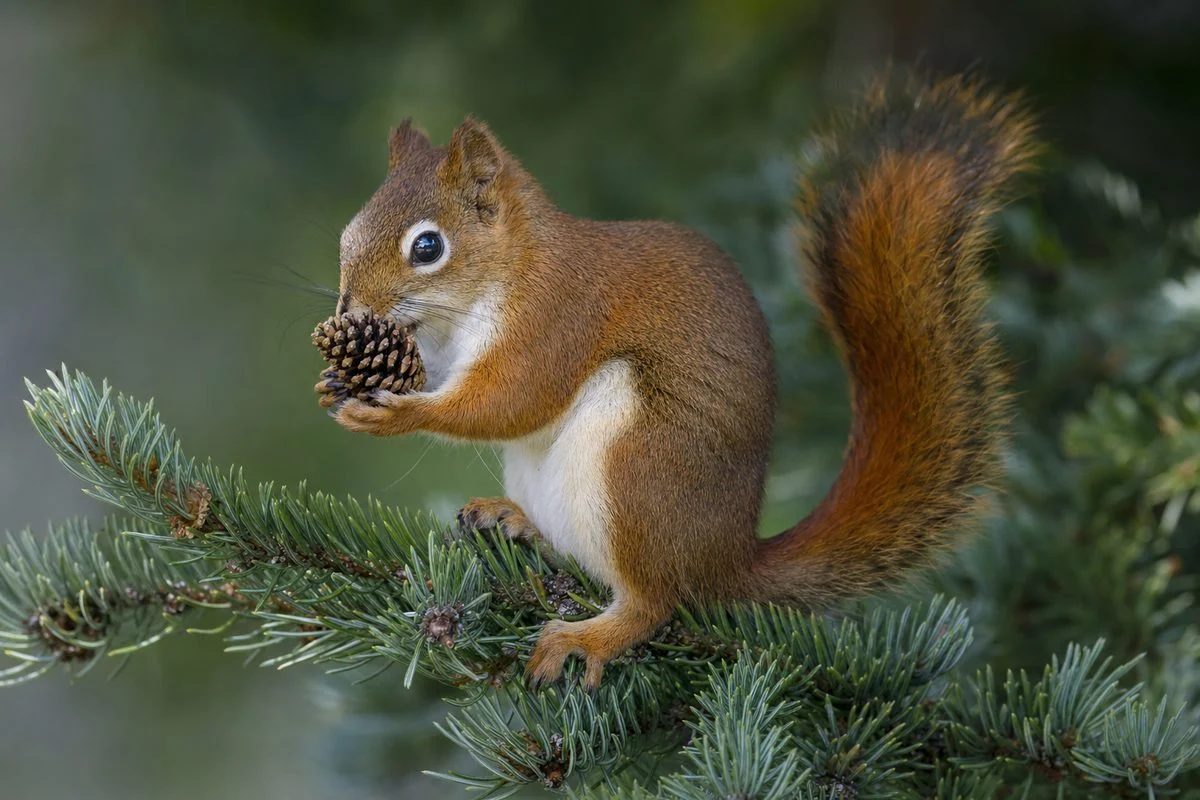
The American Red Squirrel is a small, feisty, and fascinating creature often seen darting through trees and chattering away. Hi there, nature lovers! Ever spotted a tiny, russet-colored acrobat scurrying up a tree or heard a high-pitched, rapid chatter in the woods? You've likely encountered the American Red Squirrel! These energetic little creatures are not only adorable but also incredibly fascinating. Let's dive into the quirky world of the American Red Squirrel and discover some of their most interesting traits. Key Takeaways American Red Squirrels are known for their vibrant red fur and white underbellies. They are highly territorial and can be quite aggressive. These squirrels are expert foragers and have complex food storage systems. Their vocalizations include a variety of sounds used for communication and warning. They play a crucial role in forest ecosystems. Appearance and Behavior Alright, let’s get up close and personal with these charismatic critters. The American Red Squirrel might be small, but it packs a lot of charm into that tiny frame. Distinctive Look One of the first things you’ll notice about the American Red Squirrel is its striking reddish fur. This vibrant color sets it apart from other squirrels, making it quite the head-turner. Complementing its red coat is a white underbelly that adds a nice contrast. Those big, dark eyes and tufted ears give them a perpetually curious and slightly mischievous expression. Size and Weight These squirrels are petite, typically around 12 inches long from nose to tail, with their bushy tails making up a good portion of that length. They weigh in at about half a pound, which might not seem like much, but it’s all muscle and energy. Active and Agile If you’ve ever watched a red squirrel in action, you know they’re always on the move. They’re like the parkour athletes of the animal kingdom, leaping from branch to branch with incredible agility and speed. Whether they’re foraging for food or just playing, their movements are a blur of frenetic energy. Territorial Natur Don’t be fooled by their small size – these squirrels have big personalities and are fiercely territorial. They’ll defend their patch of forest with loud chattering, tail flicking, and even physical confrontations if necessary. This territorial behavior helps them secure their food caches and nesting sites from intruders. Daily Routine Red squirrels are diurnal, meaning they’re active during the day. Their mornings are usually spent foraging for food, while afternoons might be dedicated to grooming and resting in their nests. As evening approaches, they’re back out foraging, ensuring they have enough supplies to see them through the night and the next day. Habitat and Range Now that we’ve got a good look at these feisty little furballs, let’s explore where they call home and how they stake out their territory. Forest Dwellers American Red Squirrels are true forest aficionados. Their preferred hangouts are coniferous forests, where they can feast on their favorite snacks – pine seeds. These forests provide them with an abundance of food and plenty of trees for shelter and play. However, they’re not too picky and can also thrive in mixed woodlands that offer a variety of food sources and nesting sites. Home Sweet Home These squirrels are expert architects when it comes to building nests. They often construct their homes, called dreys, high up in the trees using twigs, leaves, and moss. These dreys provide insulation against the cold and protection from predators. Sometimes, they take advantage of existing tree cavities or even move into abandoned bird nests. Territorial Nature Red squirrels are known for their fiercely territorial behavior. Each squirrel stakes out a territory that can range from half an acre to over two acres, depending on the availability of food and nesting sites. They defend these territories with an impressive display of chattering, tail flicking, and even physical confrontations. Trespassers are not welcome! Marked Boundaries To mark their territories, these squirrels use a combination of scent marking and vocalizations. They have special glands on their cheeks, feet, and under their tails that release scent markers. By rubbing these glands on trees and other objects, they create a scent map that informs other squirrels of their presence. Their vocal warnings are equally important, as they let potential intruders know that the area is already claimed. Range and Distribution The American Red Squirrel’s range covers a vast area across North America. They’re found from Alaska and Canada all the way down through the Rocky Mountains and into parts of the northeastern United States. Their adaptability to different forest types allows them to thrive in various environments, from dense, cold boreal forests to more temperate, mixed woodlands. Adaptation to Seasons These squirrels are well-adapted to seasonal changes. In winter, their thick fur provides insulation against the cold, and they rely on their cached food supplies to survive when resources are scarce. During the warmer months, they’re busy gathering food and reinforcing their nests to prepare for the next winter. Diet and Foraging Ready to dive into the dining habits of our red-coated friends? The American Red Squirrel's diet is as dynamic and fascinating as they are. These little creatures are master foragers, and their eating habits play a vital role in the forest ecosystem. Food Preferences The primary staple of the American Red Squirrel’s diet is conifer seeds, particularly from pine trees. They have a special knack for extracting seeds from pine cones, which they deftly strip using their sharp teeth. But these squirrels are far from picky eaters. Their diet also includes a variety of other foods such as nuts, berries, fruits, fungi, and even tree bark. Caching Behavior One of the most intriguing aspects of the American Red Squirrel's behavior is their food caching habit, also known as “larder hoarding.” These squirrels create multiple food caches, known as middens, where they store pine cones and other food items. Middens are often located at the base of trees and can be used year after year, becoming extensive storage sites that help the squirrels survive through the winter when food is scarce. Complex Storage Systems Their caching strategy is quite sophisticated. They don't just stash food anywhere; they carefully select and prepare storage sites. By spreading their food across numerous caches, they reduce the risk of losing their entire supply to thieves or spoilage. Each cache is strategically located and often covered with leaves and other debris to conceal it from potential raiders. Seasonal Diet Changes The American Red Squirrel’s diet changes with the seasons. During the spring and summer, they feast on fresh berries, fruits, and new plant growth. In the fall, their diet shifts to gathering and storing nuts and seeds to prepare for the winter months. They also consume fungi, which they may even store in tree crevices to dry out for later consumption. Nutty Efficiency These squirrels are incredibly efficient foragers. Their sharp teeth and nimble paws allow them to quickly harvest and prepare their food. They can strip a pine cone in mere minutes, and their strong jaws can crack open the toughest nuts. This efficiency is crucial for building up their food stores before the onset of winter. Memory Masters American Red Squirrels have excellent memories, especially when it comes to locating their food caches. They use spatial memory to remember the locations of their many food stashes, even months after hiding them. This remarkable ability ensures they can find enough food to sustain themselves through the harsh winter months. Dietary Flexibility While seeds and nuts are their primary food sources, American Red Squirrels are opportunistic feeders. They may also consume insects, bird eggs, and even small vertebrates when other food sources are limited. This dietary flexibility helps them adapt to different environments and seasonal changes. Communication and Vocalizations Now that we’ve explored the diet and foraging habits of the American Red Squirrel, let’s tune into the lively chatter and complex communication methods of these vocal little critters. Chatterboxes of the Forest American Red Squirrels are known for their vocal nature. These tiny chatterboxes use a wide array of sounds to communicate with each other and to signal various messages. From high-pitched squeaks to rapid-fire chattering, their vocalizations are a constant backdrop in their forest habitats. Vocal Repertoire The vocal repertoire of the American Red Squirrel includes several distinct sounds, each serving a specific purpose: Chirps and Squeaks: These are often used for general communication between squirrels, conveying a range of emotions from curiosity to mild agitation. Rattles and Chatters: Rapid, repetitive sounds that can serve as a territorial warning. If you hear a red squirrel chattering away, it’s likely telling another squirrel to back off from its turf. Growls and Screams: These louder and more aggressive sounds are typically used in confrontations or to ward off predators. Whistles and Trills: High-pitched and melodious, these sounds are often associated with courtship and mating behaviors. Alarm Calls One of the most important aspects of the red squirrel’s vocalizations is their alarm call system. When a squirrel detects a predator, it emits a series of loud, sharp calls to alert other squirrels in the vicinity. These alarm calls can vary depending on the type of threat: Short, Sharp Calls: Often used to signal the presence of ground predators like foxes or snakes. Longer, Repetitive Calls: Typically used to warn of aerial predators like hawks or owls. These calls can sometimes be mistaken for bird calls, given their clarity and repetition. Body Language In addition to vocalizations, American Red Squirrels use body language to communicate. Tail flicking is a common visual signal that often accompanies vocal warnings. The rapid movement of their bushy tails can indicate agitation, serve as a territorial display, or help in deterring predators by making the squirrel appear larger. Scent Marking Communication isn’t limited to sounds and gestures. Red squirrels also rely on scent marking to establish territory and convey information. They have special scent glands on their cheeks, feet, and under their tails, which they rub on trees, branches, and other objects. This scent marking creates a chemical map that informs other squirrels about the presence and boundaries of their territory. Social Interactions While American Red Squirrels are generally solitary and territorial, they do engage in social interactions, especially during the mating season. Their vocalizations become particularly intricate and frequent during this time, with males and females exchanging calls and responding to each other’s signals as part of their courtship rituals. Learning and Adaptation Interestingly, young red squirrels learn the meaning and use of these vocalizations from their parents and other adult squirrels. This learning process is crucial for their survival, as understanding alarm calls and territorial signals helps them navigate their environment and avoid dangers. Role in the Ecosystem Alright, folks, let's dive into the bigger picture and see how these energetic little squirrels contribute to the health and vitality of our forests. The American Red Squirrel might be small, but it plays a significant role in maintaining the balance of its ecosystem. Seed Dispersers One of the most critical roles the American Red Squirrel plays in its ecosystem is that of a seed disperser. By gathering and storing seeds and nuts in various caches, these squirrels inadvertently help with forest regeneration. Not all of their cached food is retrieved, leading to the germination of new trees and plants. This natural planting activity supports forest diversity and growth. Fungi Farmers Red squirrels also have a penchant for fungi, which they harvest and store. Some of these fungi form symbiotic relationships with tree roots, aiding in nutrient absorption and overall tree health. When squirrels consume and excrete these fungi, they help spread fungal spores throughout the forest, promoting a healthy and interconnected ecosystem. Prey and Predator In the intricate web of forest life, American Red Squirrels serve both as prey and predators. As prey, they are an essential food source for various predators, including hawks, owls, foxes, and even domestic cats. Their presence in the food chain supports the survival of these larger animals. On the flip side, red squirrels help control insect populations by feeding on insects and their larvae, contributing to pest management in their habitats. Nutrient Cycling The activities of red squirrels, such as caching food and building nests, contribute to the forest's nutrient cycling. Their abandoned food caches and nesting materials decompose, enriching the soil with organic matter. This process enhances soil fertility, supporting plant growth and maintaining the health of the forest floor. Forest Health Indicators The population and health of American Red Squirrels can serve as indicators of forest health. A thriving squirrel population often signals a healthy, balanced ecosystem with abundant food sources and suitable habitats. Conversely, a decline in their numbers might indicate environmental issues such as habitat loss, disease, or imbalances in the food web. Biodiversity Boosters By fostering forest regeneration and supporting fungal networks, red squirrels indirectly boost biodiversity. Their seed dispersal activities encourage the growth of a variety of plant species, which in turn supports a wide range of animal life. A diverse forest is a resilient forest, better equipped to withstand environmental changes and disturbances. Nesting Sites for Other Animals The nests built by American Red Squirrels, whether in tree cavities or dreys, often become homes for other animals once abandoned. Birds, small mammals, and even insects can take over these structures, finding shelter and raising their young. This recycling of nesting sites supports the broader forest community and enhances habitat availability. Fun and Lesser-Known Facts Now that we’ve covered the essential roles and habits of the American Red Squirrel, let’s delve into some of the quirky, fun, and lesser-known facts about these fascinating creatures. Get ready for some surprising tidbits that will make you appreciate these little dynamos even more! Color Variations While the American Red Squirrel is typically known for its vibrant reddish fur, there can be some variation in color. Some individuals may have darker or lighter fur, depending on their geographical location and genetics. In certain regions, you might even spot squirrels with a more greyish or brownish hue, blending in perfectly with their surroundings. Memory Masters Red squirrels have an impressive memory, particularly when it comes to locating their food caches. They can remember the locations of hundreds, sometimes thousands, of buried food stashes, which is crucial for their survival during the winter months. Their ability to recall these sites after weeks or even months is a testament to their cognitive skills. Longevity In the wild, American Red Squirrels can live up to five years, although many face numerous dangers that can shorten their lifespan. Those that make it past their first year often have a good chance of living longer, thanks to their learned survival skills and established territories. Super Chewers Red squirrels have incredibly strong teeth that grow continuously throughout their lives. They need to gnaw on hard materials like nuts, bark, and even bones to keep their teeth from growing too long. This gnawing not only helps maintain their dental health but also allows them to access a wide range of food sources. Seasonal Adaptations These squirrels are well-adapted to changing seasons. In the winter, their fur becomes thicker and their behavior more reserved as they rely on their food caches. During the warmer months, they become more active, spending much of their time foraging and preparing for the next winter. This seasonal adaptability helps them thrive in various environments. Playful Personalities Despite their territorial nature, red squirrels are known to engage in playful behaviors, especially younger ones. They can often be seen chasing each other through the trees, playing games of tag, and performing acrobatic leaps. This play is not only fun to watch but also essential for developing their physical and social skills. Solitary Yet Social While primarily solitary creatures, red squirrels do have social interactions, particularly during the mating season. They communicate through a variety of vocalizations and body language, establishing relationships that are crucial for reproduction and territorial management. Females are particularly vocal during the mating season, using calls to attract and communicate with potential mates. Ingenious Nest Builders American Red Squirrels are skilled nest builders. Their nests, or dreys, are constructed high up in the trees and are made from twigs, leaves, moss, and other materials. These nests are not only cozy but also well-insulated, providing protection from the elements and predators. Some squirrels may also use tree cavities or even take over abandoned bird nests. Impact on Tree Health Interestingly, red squirrels can influence tree health both positively and negatively. While they help with seed dispersal and forest regeneration, their feeding habits can sometimes damage trees. They strip bark to access the nutritious cambium layer, which can harm the tree if done excessively. This bark-stripping behavior is a double-edged sword in their ecological impact. Adaptable Diet Though they prefer seeds and nuts, red squirrels are opportunistic feeders. Their diet can include bird eggs, insects, and even small vertebrates when other food sources are scarce. This adaptability in their diet allows them to survive in varying environmental conditions and seasons.
- Brian Moss (President)
- AAAC Wildlife Removal
12/23/2024
Total words : 2863

Flying Squirrel Facts: Unveiling the Secrets of These Aerial Acrobats
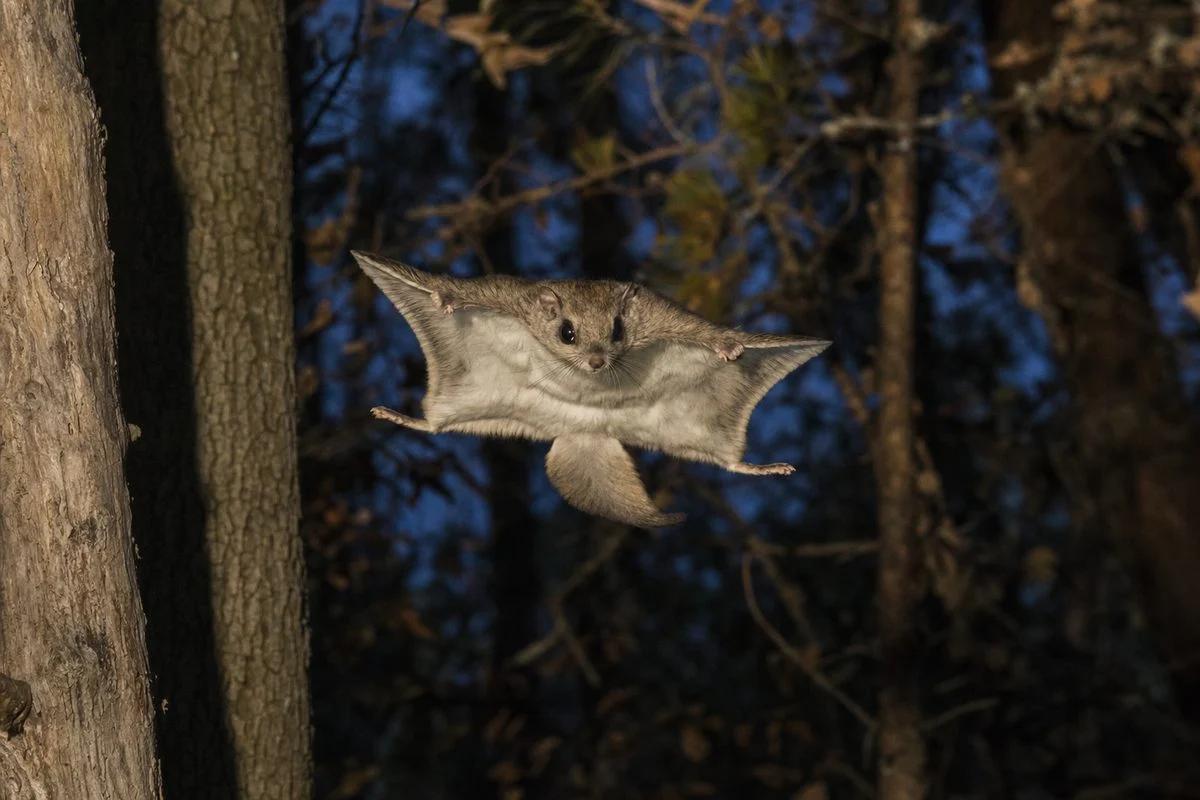
Yes, flying squirrels actually glide – they don’t fly like birds or bats Ever wondered what it's like to glide from tree to tree, high up in the forest canopy? Imagine soaring through the night sky, navigating effortlessly between branches and leaves. That's everyday life for the enchanting flying squirrel. These nocturnal acrobats are not just any ordinary squirrels – they possess unique adaptations that make them true marvels of nature. Let’s dive into the captivating world of flying squirrels and uncover some mind-blowing facts that will leave you in awe! Key Takeaways Flying squirrels glide, not fly. They have unique adaptations that allow them to navigate the forest. These creatures play a crucial role in their ecosystem. Flying squirrels have some surprising and quirky behaviors What Makes Flying Squirrels So Special Flying squirrels are the daredevils of the squirrel family, equipped with a host of special traits that set them apart. First off, let’s clear up a common misconception: flying squirrels don’t actually fly like birds or bats. Instead, they glide through the air using a special membrane called the patagium, which stretches from their wrists to their ankles. This allows them to soar gracefully between trees, sometimes covering distances of up to 150 feet in a single leap! Their large, dark eyes are perfectly adapted for their nocturnal lifestyle, helping them see in the low light conditions of the forest night. The soft, dense fur not only keeps them warm but also helps cushion their landings. And let’s not forget their bushy tails, which act like rudders, aiding in steering and stability during their aerial adventures. There are several species of flying squirrels, with the Northern and Southern Flying Squirrels being the most well-known in North America. Each species has its own unique characteristics, but all share the incredible ability to glide and a set of fascinating behaviors that make them a joy to learn about. How Do Flying Squirrels Glide? The mechanics of gliding are nothing short of extraordinary. When a flying squirrel wants to move from one tree to another, it climbs to a high point and launches itself into the air. Stretching out its limbs, the patagium expands, creating a wing-like surface that catches the air and allows the squirrel to glide. By adjusting the position of its legs and tail, it can steer and control its descent with impressive precision. These adaptations are crucial for their survival, allowing them to escape predators, find food, and explore their environment. It's like having a built-in parachute that enables them to navigate the forest canopy effortlessly. Plus, it looks incredibly cool! Fun fact: While the average glide covers about 20-30 feet, some flying squirrels have been recorded gliding up to 150 feet in a single bound! That’s equivalent to jumping across half a football field. Imagine having that kind of superpower! Flying Squirrel Habitats and Lifestyle Flying squirrels are true forest dwellers, making their homes in various types of woodlands across the globe. They thrive in both deciduous and coniferous forests, preferring areas with plenty of mature trees. These trees not only provide the high perches they need for gliding but also offer abundant food sources. During the day, flying squirrels take refuge in tree cavities, abandoned woodpecker holes, or nests they’ve constructed out of leaves and twigs. Come nightfall, they emerge to forage and socialize. Their diet is quite diverse, including fruits, nuts, seeds, fungi, and even insects. Their nocturnal nature and excellent night vision make them proficient night-time foragers. Despite their solitary foraging habits, flying squirrels are quite social when it comes to nesting. It's not uncommon to find several squirrels sharing a nest, especially during the colder months. This communal living helps them conserve body heat and stay warm through the winter. One of the most fascinating aspects of flying squirrels is their role in the ecosystem. They are vital for seed dispersal, helping to spread various tree and plant seeds throughout the forest. This contributes to forest regeneration and biodiversity. Additionally, their diet includes fungi that form symbiotic relationships with tree roots, aiding in nutrient absorption – an essential process for healthy forest ecosystems. Surprising and Quirky Behaviors Flying squirrels are not just impressive gliders; they also have some pretty quirky behaviors. Communication among these creatures is a complex blend of vocalizations, body language, and even chemical signals. They produce a range of sounds, from high-pitched chirps and whistles to low, throaty growls, each serving a different purpose, such as warning of danger or calling to a mate. Socially, flying squirrels exhibit a range of interactions. They are generally peaceful and avoid conflict, preferring to resolve disputes through displays and vocalizations rather than physical confrontations. Their social structure is fascinating, especially when it comes to nesting. During the breeding season, males may compete for females, but outside of this period, they often exhibit cooperative behaviors, sharing nests and food resources. Interestingly, flying squirrels sometimes find their way into urban areas, adapting to city life with remarkable ease. They might nest in attics or other sheltered spaces, gliding between buildings just as they would between trees. Their ability to adapt to various environments showcases their incredible resilience and versatility. One particularly charming behavior is their "glide display," a form of acrobatic showmanship where they perform elaborate gliding maneuvers. This is thought to be a way of demonstrating their prowess to potential mates or rivals. It's a breathtaking sight that highlights their agility and grace. Conclusion Flying squirrels are undoubtedly some of the most captivating creatures in the animal kingdom. From their impressive gliding abilities to their vital ecological roles and quirky behaviors, they offer a fascinating glimpse into the wonders of nature. Next time you find yourself in a forest at night, look up – you might just catch a glimpse of these incredible aerial acrobats in action. Whether you’re a seasoned nature enthusiast or someone simply curious about the world, flying squirrels are sure to inspire a sense of wonder and appreciation for the natural world. So share these fun facts with friends, explore more about these amazing creatures, and keep the spirit of curiosity alive!
- Brian Moss (President)
- AAAC Wildlife Removal
12/11/2024
Total words : 1025
Are Squirrels Nocturnal? Uncover Their Daily Habits
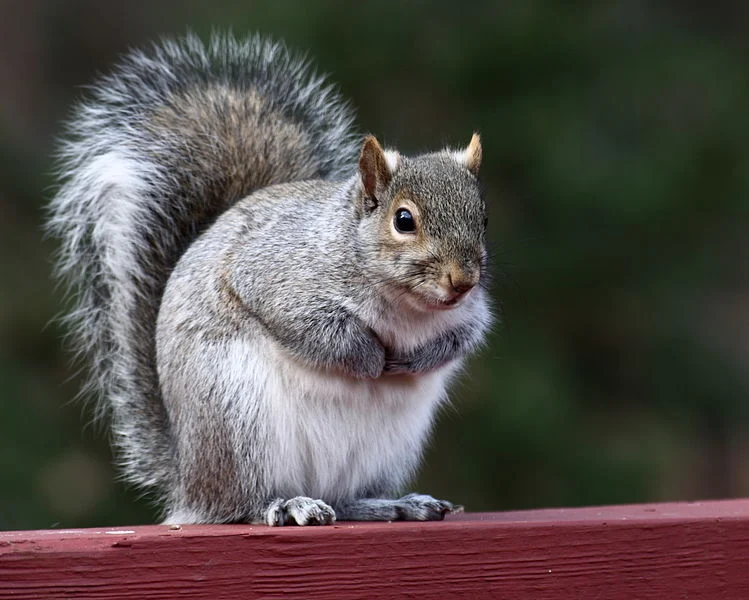
No, squirrels are not nocturnal. They're diurnal, meaning they are active during the day. Have you ever been woken up in the middle of the night by mysterious scurrying sounds, only to wonder if those pesky squirrels are up to no good while you're trying to catch some Zs? I’ve been there, staring at the ceiling and pondering if squirrels are nocturnal creatures plotting their next heist under the cover of darkness. Well, let’s dive right into it and settle this once and for all. Spoiler alert: those late-night noises probably aren’t from our furry friends! Squirrels, with their twitchy tails and acorn-obsessed antics, have a surprising schedule that just might align more with yours than you think. Key Takeaways Squirrels are diurnal, meaning they are active during the day. They follow a specific daily schedule with peak activity in the early morning and late afternoon. Understanding squirrel activity can help in managing encounters and preventing disruptions. What Does Nocturnal Mean? Alright, let's break this down. What exactly does it mean to be nocturnal? If you've ever stayed up late enough to hear the mysterious rustlings of the night, you've experienced a glimpse into the nocturnal world. Being nocturnal means being active during the night and resting during the day. It's the opposite of what most humans do (unless you’re a night owl or work the graveyard shift). Nocturnal animals have adapted to thrive in the darkness, relying on enhanced senses like night vision, keen hearing, and a superb sense of smell to navigate and hunt when the sun is down. Squirrel Activity Patterns So, if squirrels aren’t nocturnal, what’s their deal? Are they just lounging around all day, munching on acorns and plotting their next heist? Not quite. Squirrels are diurnal creatures, which means their lives are a bit more aligned with our own daylight schedules. Diurnal Behavior Being diurnal means that squirrels are active during the day and sleep at night. Unlike their nocturnal counterparts who prowl in the darkness, squirrels are busy little critters under the sun. They’ve evolved this way for a number of reasons, primarily because it suits their lifestyle and survival needs. Squirrel Schedules: A Day in the Life Ever wondered what it’s like to be a squirrel? These little furballs have a surprisingly structured daily routine. Let's dive into a typical squirrel day, from sunrise to sunset. Morning Routine When the first light of dawn peeks through the trees, squirrels are already on the move. Early mornings are bustling times for these energetic creatures. They kick off their day with some serious foraging. Whether it’s acorns, berries, or seeds, breakfast is all about gathering as much food as possible. You’ll see them scurrying across lawns, climbing trees, and leaping from branch to branch with impressive agility. This morning activity isn't just about finding food for immediate consumption. Squirrels are also in full prep mode, stashing away snacks in secret caches for future feasts. Their memory is remarkably sharp when it comes to locating these hidden treasures, though occasionally they forget, which leads to new trees growing from forgotten stashes. Talk about unintentional gardening! Midday Rest As the sun rises higher and the day warms up, squirrels slow down. The heat of the day isn’t the most comfortable time to be darting around. So, like any sensible creature, squirrels take a break. They retreat to their nests, known as dreys, which are usually nestled high in the trees. These dreys are cozy little havens made from twigs, leaves, and other natural materials, offering shade and protection. During this midday lull, squirrels might nap or simply rest, conserving energy for the next round of activity. You might spot them lounging on branches, looking like they’re just hanging out and enjoying the view. Afternoon Adventures As the day starts to cool off, squirrels get a second wind. Late afternoon is another prime time for action. Refreshed from their midday rest, they’re back to foraging and frolicking. This is also a time for social interactions. You might see them chasing each other in playful games or engaging in territorial displays. This period is crucial for gathering enough food to last through the night and into the next day. They revisit their food caches, check on their stored supplies, and continue to add to their collections. The hustle and bustle continue until the light begins to fade. Evening Retreat When dusk sets in, squirrels prepare for the night. They retreat to their dreys, ensuring they’re safe from nocturnal predators like owls and raccoons. Their nests, high up in the trees, offer a secure place to rest. Squirrels are meticulous about maintaining their nests, often adding new materials to keep them sturdy and insulated. As night falls, the day winds down for these diurnal creatures. They settle in, ready to rest and recharge for another day of adventures. Why Aren’t Squirrels Nocturnal? So, why have squirrels chosen the daylight for their adventures instead of the mysterious allure of the night? There are a few key reasons why these furry acrobats are diurnal, and it all comes down to evolution, safety, and sustenance. Evolutionary Reasons for Being Diurnal Squirrels have evolved over millions of years to be day-dwellers. Their ancestors likely found that being active during the day offered several advantages, helping them survive and thrive. Vision is a huge factor here. Squirrels have excellent daytime vision, allowing them to spot predators, find food, and navigate their arboreal playground with ease. Their eyes are adapted to detect colors and details in bright light, making them superbly suited for daytime activities. Predatory Risks at Night The night is filled with hidden dangers for squirrels. Nocturnal predators such as owls, foxes, and raccoons are on the prowl, and being active at night would make squirrels easy prey. By staying active during the day, squirrels can see these threats coming and take swift action to avoid them. The bright daylight provides a clear view of their surroundings, helping them stay one step ahead of danger. Food Availability During the Day Food plays a critical role in a squirrel’s decision to be diurnal. Many of the foods that squirrels love—like nuts, seeds, fruits, and berries—are easier to find and gather during the day. Daylight allows them to locate these resources efficiently, using their sharp vision to spot ripe fruits or detect the slight movement of a buried nut. Plus, many of their food sources are also diurnal, making it a match made in evolutionary heaven. Temperature and Energy Conservation Squirrels are also strategic about managing their energy and body temperature. Daytime activity allows them to take advantage of the warmth of the sun, especially in cooler climates. By being active when it’s warmest, they conserve energy that would otherwise be spent on maintaining body heat. Conversely, resting during the heat of midday helps them avoid overheating and conserves energy for more productive times of the day. Social Interactions Squirrels are social creatures, and much of their interaction happens during daylight hours. From playful chases to territorial displays, these interactions are essential for mating, establishing dominance, and maintaining social bonds. The daylight provides the perfect setting for these activities, ensuring that squirrels can see and be seen by their peers. In essence, squirrels have adapted to a diurnal lifestyle because it offers them the best chances for survival. Their vision, food sources, and social structures are all geared towards daytime activity, making the daylight hours their prime time for action. So next time you see a squirrel darting across your yard or leaping through the trees, remember that they’re perfectly designed for their sunlit escapades, leaving the night to other creatures of the dark. Fun Facts About Squirrel Behavior Squirrels are more than just cute, bushy-tailed acrobats. They have some fascinating behaviors that make them truly unique in the animal kingdom. Here are some fun and quirky facts about our diurnal friends that might surprise you. Super Squirrely Memory Despite their reputation for being a bit scatterbrained, squirrels have an impressive memory when it comes to locating their food caches. They use spatial memory and visual cues to remember where they’ve buried their nuts. Of course, they don’t remember every single stash, but they find enough to keep them well-fed through the seasons. The forgotten ones? Well, they often sprout into new trees, contributing to forest growth! Master Planners Squirrels are known for their cunning and strategic planning. They’ll often engage in deceptive behavior to throw off potential thieves. For example, if they sense another squirrel or predator watching, they might dig a fake hole and pretend to bury a nut, only to stash it in a safer location later. Talk about sneaky! High-Flying Acrobatics Squirrels are the daredevils of the animal world. They can leap distances up to ten times their body length and are capable of making mid-air adjustments to land perfectly on target. Their tails serve as rudders, helping them balance and steer while making these impressive jumps. Chatterboxes Squirrels have a surprisingly rich vocal repertoire. They communicate through a variety of sounds including chirps, squeaks, and even purrs. These vocalizations can signal alarm, establish territory, or even express curiosity. Their communication isn’t limited to sounds—squirrels also use tail flicks and body language to convey messages. Squirrel Superpowers Did you know that squirrels can rotate their ankles 180 degrees? This unique ability allows them to climb down trees headfirst, giving them a significant advantage when navigating their arboreal homes. Their sharp claws and flexible joints make them expert climbers, able to traverse vertical surfaces with ease. Cheeky Storage Units Squirrels’ cheeks aren’t just for show—they’re built-in grocery bags. These cheek pouches allow squirrels to carry multiple items at once, which is particularly handy when they’re foraging. They can stuff their cheeks with nuts and seeds and transport them back to their nests or storage sites. Eco-Friendly Gardeners Squirrels play a crucial role in their ecosystems as inadvertent gardeners. By burying nuts and seeds, they help with forest regeneration and plant propagation. The seeds they forget about can grow into new plants, contributing to the health and diversity of their habitats. Social Butterflies While some species of squirrels are solitary, others are quite social. Tree squirrels, for example, often engage in playful chasing and wrestling, which helps young squirrels develop their physical skills and social bonds. Ground squirrels are even more communal, living in colonies and working together to spot predators and protect their young. These fun facts highlight just how fascinating and intricate squirrel behavior can be. From their acrobatic feats to their clever food-stashing tactics, squirrels bring a lot of charm and complexity to our natural world. Next time you see a squirrel in action, you’ll know there’s a lot more going on behind those bright eyes and twitchy tails! Conclusion Squirrels, with their boundless energy and curious nature, add a delightful touch of wild charm to our daily lives. Understanding their diurnal habits, appreciating their unique behaviors, and learning how to coexist with them can enhance our appreciation for these fascinating creatures. From their early morning foraging to their high-flying acrobatics and strategic food stashing, squirrels have adapted beautifully to a life under the sun. Knowing that they are not nocturnal but rather active during the day helps us better understand and interact with them. By taking steps to squirrel-proof our homes, protect our gardens, and enjoy their antics from a respectful distance, we can ensure that our coexistence is both peaceful and enjoyable. So, next time you see a squirrel darting across your yard or leaping through the trees, take a moment to appreciate their incredible adaptability and the playful spirit they bring to our world. Remember, these little critters play a significant role in our ecosystems, often acting as unintentional gardeners and contributing to forest growth. By fostering a harmonious relationship with them, we can enjoy the benefits of having squirrels around while minimizing the challenges they sometimes present. So, embrace the cheeky, bushy-tailed neighbors in your midst, and let their presence remind you of the vibrant, interconnected world we share. After all, life is a bit more lively and entertaining with a few squirrels in the mix!
- Brian Moss (President)
- AAAC Wildlife Removal
12/06/2024
Total words : 2060
Are Squirrels Omnivores? Exploring Their Diverse Diet
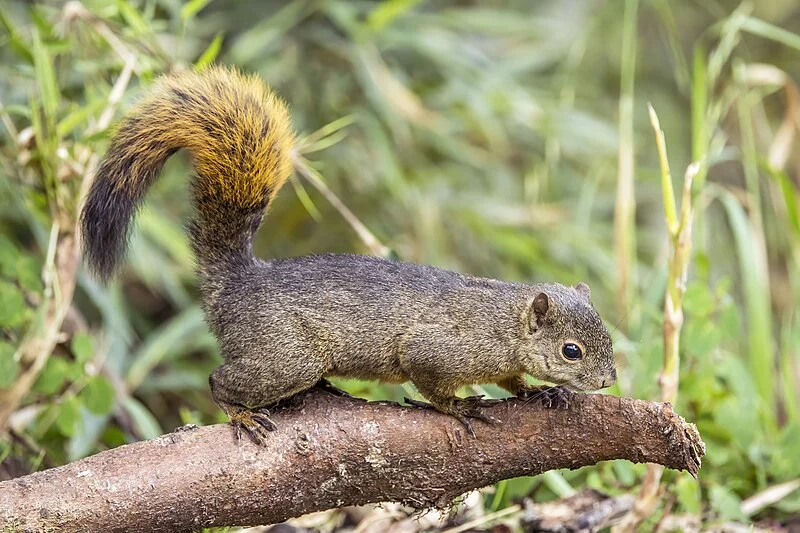
Yes, squirrels are omnivores, meaning they eat both plant and animal matter. But let's dive into the details of their diverse diet. Key Takeaways Squirrels eat a mix of plants and animals. Their diet includes nuts, seeds, fruits, fungi, insects, and even small animals. Understanding their diet helps in coexisting with them and making informed decisions about feeding them. Ever wondered what squirrels munch on when they're not busy scampering around your backyard? If you've seen these furry acrobats nibbling away at everything from nuts to bird eggs, you might be curious about their diet. Are they picky eaters, or do they devour whatever they can get their paws on? Well, let’s settle the debate once and for all: yes, squirrels are omnivores! That means they enjoy a smorgasbord of both plant and animal matter. But what exactly does their menu look like, and why should you care? Whether you’re a nature enthusiast, a curious homeowner, or just someone who enjoys watching these critters in action, understanding the diverse diet of squirrels can shed light on their fascinating behavior and how they fit into our ecosystem. At AAAC Wildlife Removal, we’ve seen it all when it comes to these bushy-tailed bandits. In this article, we’ll explore the ins and outs of what squirrels eat, how their dietary habits change with the seasons, and the impact this has on their daily lives. So grab a snack (preferably not a squirrel’s favorite) and let’s dive into the culinary world of these delightful and sometimes surprising omnivores! The Plant-Based Diet of Squirrels Squirrels are well-known for their love of plant-based foods, and for good reason. These energetic foragers spend a significant portion of their day searching for and consuming various plant materials. Let’s take a closer look at some of their favorites: Nuts and Seeds Nuts are perhaps the most iconic food associated with squirrels. Acorns, walnuts, pecans, and hazelnuts are among their top choices. These nutrient-rich snacks provide essential fats and proteins, making them perfect for energy storage, especially for the colder months Fruits and Berries Squirrels also have a sweet tooth and often feast on fruits and berries. Apples, grapes, and berries like strawberries, raspberries, and blackberries are all on the menu. These juicy treats not only offer a burst of energy but also hydration, which is crucial during hot summer days. Fungi and Mushrooms Squirrels are known to consume various types of fungi and mushrooms. This might come as a surprise, but fungi provide important nutrients that complement their diet. Plus, mushrooms can be a reliable food source during periods when other foods are scarce. Their ability to adapt to available plant foods demonstrates their omnivorous flexibility, ensuring they get a balanced diet no matter the season. The Animal-Based Diet of Squirrels While squirrels are often seen munching on nuts and fruits, they also have a surprising side to their diet that includes animal matter. This aspect of their omnivorous nature helps them meet their nutritional needs more comprehensively. Insects and Larvae Insects are a significant part of a squirrel’s diet, especially in the spring and summer. Beetles, caterpillars, and larvae provide a protein boost, which is essential for growth and repair. This high-protein diet is particularly beneficial for nursing mothers and young squirrels. Bird Eggs Squirrels are known to raid bird nests for eggs. These protein-packed snacks are a valuable food source, especially when plant-based foods are less abundant. It might seem ruthless, but in the wild, survival often requires opportunistic feeding habits. Small Animals and Carrion Though less common, squirrels have been observed eating small animals like young birds and even small rodents. Additionally, they might consume carrion if they come across it. This behavior underscores their adaptability and resourcefulness in various environments. Understanding these dietary habits not only provides insight into their survival strategies but also helps explain some of the more unexpected behaviors you might observe in your backyard. Seasonal Changes in Diet Squirrels are masterful at adapting their diets to the changing seasons, ensuring they always have access to the nutrients they need. In spring and summer, when food is abundant, squirrels feast on a variety of fresh plant matter. This includes tender buds, leaves, flowers, and a plethora of fruits and berries. These foods provide hydration and energy, essential for their high activity levels. As autumn approaches, squirrels shift their focus to gathering and storing nuts and seeds, which are rich in fats and proteins. This behavior, known as caching, involves burying nuts in various locations to retrieve during the winter months. Winter presents a stark challenge as food sources become scarce. During this time, squirrels rely heavily on their cached supplies and may consume tree bark, fungi, and even the occasional insect or bird egg to survive. This seasonal dietary flexibility showcases their remarkable adaptability and survival instincts, allowing them to thrive in diverse environments. The Impact of Diet on Squirrel Behavior The diet of squirrels significantly influences their behavior and interactions within their habitats. Their foraging activities are driven by the availability of food, leading them to be constantly on the move, searching for their next meal. This quest for sustenance often makes them highly territorial, especially when it comes to defending valuable food sources like nut trees or bird feeders. Squirrels are known for their strategic food storage habits, burying nuts and seeds in scattered locations to ensure they have enough reserves to last through the winter. This behavior not only helps them survive during harsh conditions but also inadvertently contributes to forest regeneration, as forgotten caches can sprout into new trees. Additionally, their omnivorous diet allows them to exploit various food sources, from plants to small animals, which enhances their adaptability in different environments. Understanding these dietary-driven behaviors can help homeowners and nature enthusiasts coexist more harmoniously with these resourceful creatures, whether it’s managing bird feeders or appreciating their role in the ecosystem. Should You Feed Squirrels? Feeding squirrels can be a delightful pastime, bringing these energetic critters up close for observation. However, it's important to consider the pros and cons before making it a regular activity. On the positive side, feeding squirrels can supplement their diet, especially during harsh weather or food shortages. It also offers a unique opportunity to observe their behaviors and interactions up close. However, there are downsides to consider. Feeding squirrels can make them overly dependent on human-provided food, potentially disrupting their natural foraging behaviors. It can also attract other unwanted wildlife or pests to your property. If you do decide to feed squirrels, it's best to offer foods that align with their natural diet. Nuts like almonds, walnuts, and hazelnuts are excellent choices. Fruits such as apples, grapes, and berries are also good options. Avoid giving them processed foods, sugary snacks, or anything with artificial additives. By feeding squirrels responsibly, you can enjoy their presence while ensuring their health and well-being. Fun Facts About Squirrel Eating Habits Squirrels have a plethora of quirky and interesting eating habits that make them fascinating creatures to watch. For instance, their famous nut-burying behavior is not just for immediate consumption but is a strategic way to store food for winter. They possess an incredible spatial memory, allowing them to remember the locations of thousands of buried nuts. Squirrels also have a unique way of handling their food; they often rotate nuts between their paws, inspecting them closely before deciding to eat or cache them. Another intriguing fact is that squirrels have been observed "deceptive caching" – pretending to bury food to throw off potential thieves watching them. This clever tactic helps protect their valuable food supplies from other hungry animals. Additionally, squirrels are known to chew on tree bark and branches, not only to access the nutritious inner layers but also to help keep their ever-growing teeth in check. These behaviors highlight the resourcefulness and adaptability of squirrels, making them one of the most intriguing animals to observe in the wild. Conclusion In conclusion, squirrels are indeed omnivores, showcasing a fascinating and diverse diet that includes both plant and animal matter. Their dietary habits, from munching on nuts and berries to occasionally snacking on insects and bird eggs, highlight their adaptability and resourcefulness. Understanding what squirrels eat not only gives us a glimpse into their survival strategies but also helps us appreciate their role in our ecosystems. At AAAC Wildlife Removal, we've seen firsthand how these clever creatures navigate their environments, driven by their need to find food. Whether you're a homeowner looking to coexist peacefully with your backyard visitors or a nature enthusiast eager to learn more, knowing about the omnivorous nature of squirrels can deepen your appreciation for these lively animals. So next time you spot a squirrel darting through the trees or burying a nut, you’ll have a better understanding of the complex and varied diet that fuels their energetic lives.
- Brian Moss (President)
- AAAC Wildlife Removal