


- Brian Moss (President)
- AAAC Wildlife Removal
06/30/2026 Total words : 1083
What smell do woodpeckers hate?
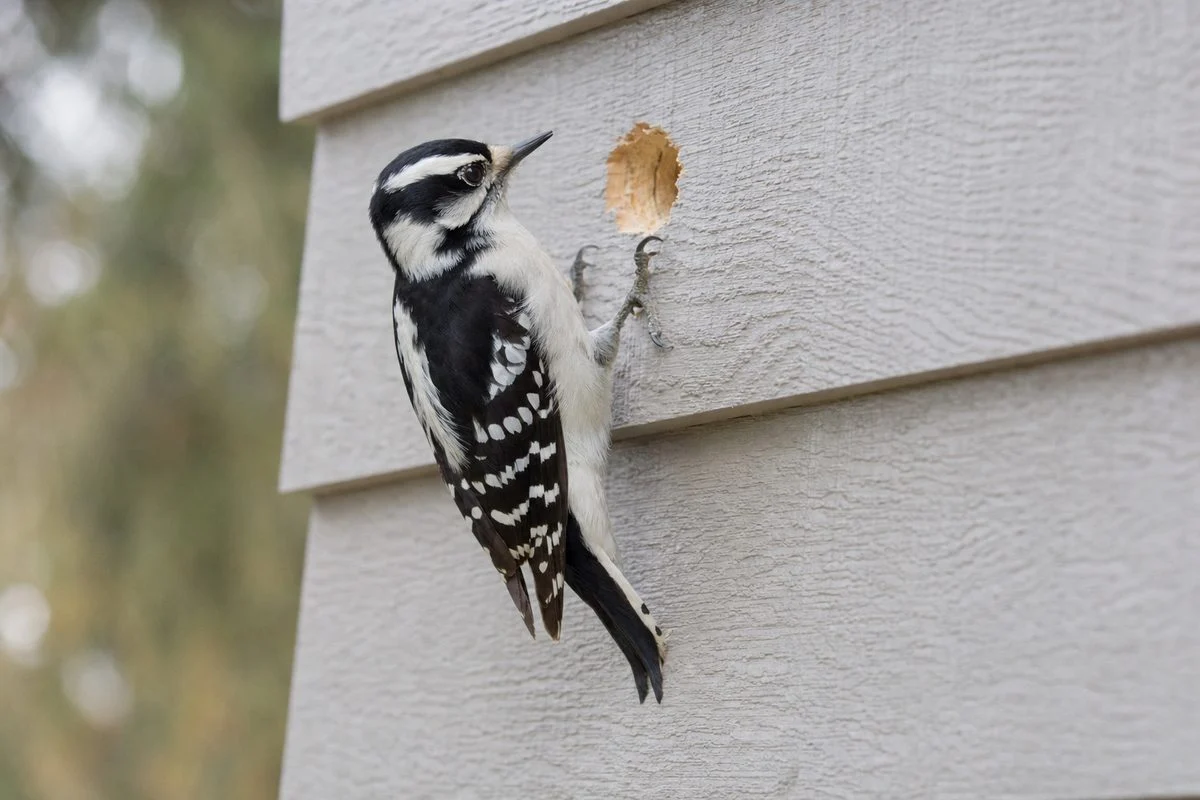
Woodpeckers dislike strong scents such as citrus, peppermint oil, garlic, and vinegar, which can overwhelm their sensitive senses. Applying these odors to affected areas can help deter them from pecking your home or trees. Woodpeckers can cause a surprising amount of damage when they decide to peck at your siding, trim, or trees. While they’re fascinating birds, their constant drilling can leave behind holes and noise headaches, making many homeowners look for safe, effective ways to keep them away. What Smell Do Woodpeckers Hate the Most? Woodpeckers are sensitive to strong, pungent scents, which can make certain odors highly effective at driving them away. Citrus oils, peppermint oil, garlic, and even chili-based sprays are known to irritate their senses and make the area less inviting. Applying these smells to problem spots creates an environment they’re likely to avoid. The key is to use natural scents that repel without causing harm to the birds or damaging your property. Concentrating these odors around pecking sites, entry points, or frequently targeted trees can significantly reduce woodpecker activity over time. Regular reapplication will keep the deterrent strong and consistent. Do Essential Oils Repel Woodpeckers? Essential oils like peppermint, lemon, eucalyptus, and orange can be powerful natural deterrents for woodpeckers. Their strong aroma overwhelms the birds’ senses, making the treated areas less appealing for pecking or nesting. These oils are safe to use when diluted properly and won’t harm the birds or surrounding plants. To apply, mix a few drops of your chosen essential oil with water in a spray bottle and target the areas where woodpeckers have been active. Reapply every few days or after rain to maintain the scent’s strength. Consistent use can help break their habit of returning to the same spot. Does Vinegar Keep Woodpeckers Away? Yes, vinegar’s sharp, acidic scent can discourage woodpeckers from lingering or pecking in a specific area. The strong odor irritates their sense of smell, making treated surfaces less attractive for feeding or drumming. White vinegar is the most commonly used option because it’s safe, affordable, and easy to apply. To use vinegar as a deterrent, soak a cloth or sponge in it and place it near the problem spot, or spray a diluted solution directly on siding or trees. Be mindful of sensitive surfaces, as vinegar’s acidity can cause discoloration on certain materials. Refresh the treatment regularly to keep the scent potent enough to be effective. Are There Commercial Woodpecker Repellents That Use Scent? Several commercial woodpecker repellents are designed with strong, unpleasant scents to deter birds from pecking. These products often use ingredients like methyl anthranilate (a grape extract), essential oils, or capsaicin to overwhelm the woodpecker’s senses. Many are available as ready-to-use sprays, making them convenient for regular application. When choosing a commercial repellent, look for options labeled as safe for birds, pets, and plants. Apply according to the manufacturer’s instructions, focusing on the areas where woodpeckers are most active. Regular use, combined with other deterrent methods, can make these products more effective over time. Can You Use Predator Scents to Deter Woodpeckers? Predator scents, such as coyote or fox urine, can make woodpeckers think a threat is nearby, encouraging them to leave the area. These scents tap into the bird’s natural instincts to avoid predators, which can make them an effective deterrent when placed strategically. They are typically available in liquid or granule form at wildlife supply stores. To use predator scents effectively, apply them near problem spots like the base of affected trees or along siding where pecking occurs. Keep in mind that rain, wind, and sunlight can weaken the smell, so frequent reapplication is necessary. While this method can work well, it’s best used alongside other deterrents for long-term success. How Often Should You Reapply Scents to Keep Woodpeckers Away? The effectiveness of scent deterrents depends on how consistently they are maintained. Rain, wind, and sun exposure can quickly weaken or wash away strong odors, making reapplication essential. In most cases, scents should be refreshed every two to three days or immediately after bad weather. For persistent woodpecker problems, a regular scenting schedule can help maintain a consistent deterrent barrier. Pairing frequent reapplication with visual or sound-based deterrents can increase overall effectiveness and reduce the need for constant upkeep over time. What Other Methods Work with Scent Deterrents? Scent deterrents work best when combined with other strategies that target a woodpecker’s senses. Visual tools like reflective tape, hanging CDs, or bird scare balloons create movement and flashes of light that make the area feel unsafe. Sound deterrents, such as wind chimes or motion-activated noise devices, can also break their routine and drive them away. For a more permanent solution, consider covering frequently targeted areas with bird netting or metal flashing. This creates a physical barrier that prevents access, while scents and visual cues discourage them from even attempting to return. Using a multi-sensory approach increases the chances of keeping woodpeckers away for good. Are Scent Deterrents Safe for Woodpeckers and the Environment? When used correctly, most scent deterrents are safe for woodpeckers, pets, and the environment. Natural options like essential oils, vinegar, and citrus peels repel without causing harm, making them a humane choice for homeowners. The key is to avoid toxic chemicals or overly concentrated substances that could irritate the birds’ skin or respiratory system. Eco-friendly repellents also help preserve the balance of your yard’s ecosystem. Choosing biodegradable or plant-based products ensures that rainwater runoff won’t contaminate soil or harm beneficial insects and plants. Always follow application guidelines to maintain safety while still discouraging woodpeckers effectively. Conclusion Using scent deterrents is a humane and effective way to discourage woodpeckers from damaging your home or trees. Strong smells like citrus, peppermint, vinegar, and certain predator scents can make targeted areas far less appealing without causing harm to the birds. For best results, pair these scents with visual or sound-based deterrents and reapply them regularly, especially after bad weather. This combined approach not only protects your property but also keeps woodpeckers safe while encouraging them to move on to more natural habitats. Protect Your Property with AAAC Wildlife Removal If woodpeckers are turning your home or trees into their personal drum set, AAAC Wildlife Removal can help. Our team uses safe, humane, and effective strategies to deter woodpeckers, repair damage, and prevent future problems. We combine proven deterrent methods with expert property inspections to give you lasting peace of mind.
How Do I Get Rid Of A Woodpecker: Tips And Tricks
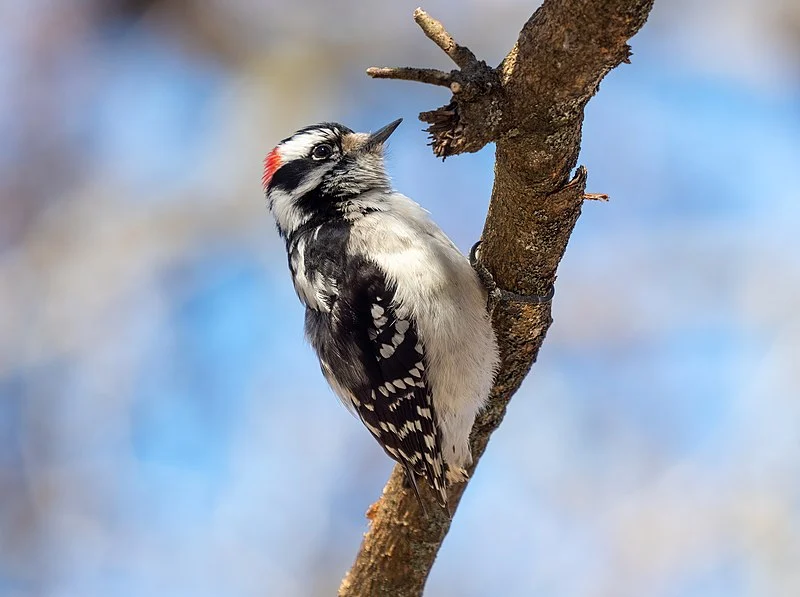
To get rid of a woodpecker, you can use visual deterrents like shiny objects, predator decoys, or wind chimes to scare it away. Additionally, applying taste aversion products or installing bird netting around the affected area can effectively prevent woodpeckers from causing further damage. Key Takeaways Understand woodpecker behavior to effectively protect your property. Combine immediate deterrents, like loud noises and shiny objects, with long-term measures, such as repairing rotten wood and installing bird netting. Ensure all methods used are humane and comply with wildlife protection laws. Address underlying issues like insect infestations to prevent attracting woodpeckers. Expert advice and solutions, like those from AAAC Wildlife Removal, can assist in managing woodpecker problems. Patience and persistence are essential for creating a woodpecker-free environment. Woodpeckers, with their distinctive drumming sounds, are fascinating birds that play a crucial role in our ecosystem. However, when they start pecking on your house, trees, or other property, they can quickly become a nuisance. Not only can their persistent pecking cause significant structural damage, but it can also be quite noisy and disruptive. If you're dealing with an unwelcome woodpecker, you're likely searching for effective ways to deter these birds without causing them harm. At AAAC Wildlife Removal, we understand the challenges that come with managing wildlife on your property. Our team of experts is dedicated to providing humane and practical solutions to help you get rid of woodpeckers. From immediate deterrents like making loud noises and hanging shiny objects, to long-term preventive measures such as fixing rotten wood and providing alternative food sources, we've got you covered. Our tips and tricks are designed to protect your property while respecting the natural behaviors of these birds. Understanding why woodpeckers are attracted to your property is the first step in addressing the problem. By learning more about their habits and needs, you can implement strategies that will not only resolve the current issue but also prevent future occurrences. Let's dive into the world of woodpecker deterrence and find the best solutions for keeping your home and garden woodpecker-free with the help of AAAC Wildlife Removal. Understanding Woodpecker Behavior Woodpeckers are unique creatures with specific behaviors that can sometimes lead to conflicts with humans. To effectively deter them, it's essential to understand why they are attracted to your property in the first place. Woodpeckers peck on surfaces for several reasons. Primarily, they search for food, often pecking on wood to find insects hiding beneath the surface. If your home or trees have an insect infestation, woodpeckers will be naturally drawn to these areas. During the breeding season, woodpeckers create cavities in wood to lay their eggs and raise their young. These cavities can be found in dead trees, wooden structures, or even the siding of your home. Additionally, woodpeckers use their pecking to establish territory and communicate with other birds. This behavior, known as drumming, is often heard in the early morning and can be quite loud. Understanding these behaviors is the first step in finding effective and humane solutions to deter woodpeckers from causing damage to your property. Immediate Solutions to Deter Woodpeckers When dealing with a woodpecker problem, it's important to act quickly to prevent further damage. Here are some immediate solutions you can implement to deter woodpeckers: Make Loud Noises One of the simplest ways to scare away woodpeckers is to make loud noises. This can be done by clapping your hands, banging pots and pans, or using a noise-making device like an air horn. The sudden, unexpected noise can startle the bird and discourage it from returning. Place a Fake Bird of Prey on Your Property Woodpeckers are naturally wary of predators. Placing a decoy, such as an owl or hawk, can effectively deter them. Ensure the fake bird is realistic and move it occasionally to maintain the illusion of a real predator. Put Wind Chimes Up Wind chimes can serve as both a visual and auditory deterrent. The sound and movement of the chimes can make the area less appealing to woodpeckers. Place wind chimes near the areas where woodpeckers are most active for the best results. Visual Deterrents Using visual deterrents is another effective way to keep woodpeckers at bay. Here are some methods that rely on sight to scare away these birds: Hang Up Shiny Objects Reflective objects can disorient and scare woodpeckers. Hang items like aluminum foil strips, old CDs, or reflective tape near the areas they frequent. The sunlight reflecting off these objects will create an unsettling environment for the birds. Set Up a Pinwheel Pinwheels combine movement and reflection, making them excellent deterrents. Place colorful, reflective pinwheels around your property, especially near areas with woodpecker activity. The spinning motion and glinting light can keep woodpeckers from feeling comfortable. By implementing these immediate solutions and visual deterrents, you can start protecting your property from woodpecker damage right away. Remember, consistency is key—regularly changing and moving deterrents will enhance their effectiveness. Long-term Preventive Measures While immediate solutions can provide quick relief, long-term preventive measures are crucial to ensuring woodpeckers do not return. By addressing underlying issues and making your property less attractive to these birds, you can prevent future problems. Get Rid of Insect Infestations Insects are a primary food source for woodpeckers. If your property has an insect infestation, it's likely to attract these birds. Regularly inspect your home and garden for signs of insect activity and take appropriate measures to control and eliminate pests. Using professional pest control services can ensure thorough and effective treatment. Provide Different Food Sources Offering alternative food sources can distract woodpeckers from your home. Set up bird feeders stocked with suet, nuts, and seeds away from the areas where woodpeckers have been causing damage. This can redirect their attention and reduce their pecking behavior on your property. Fix Rotten Wood Rotten or decayed wood is easier for woodpeckers to peck through and can attract insects, further enticing the birds. Regularly inspect and repair any rotten wood on your property. Replace damaged wood with treated or harder wood types that are less attractive to woodpeckers. Restrict Access to Certain Areas with Bird Netting Bird netting is an effective way to protect specific areas from woodpecker damage. Install netting over vulnerable parts of your home, such as eaves, siding, and rooftops. Ensure the netting is taut and securely fastened to prevent woodpeckers from getting through. Plug Holes with Wood Putty If woodpeckers have already created holes in your home, it's important to repair them promptly. Use wood putty to fill in the holes and prevent further damage. Once the putty has dried, sand it smooth and paint over it to match the surrounding surface. This will not only deter woodpeckers but also restore the appearance of your property. Humane and Safe Practices When dealing with wildlife, it's essential to use humane and safe practices. Here are some guidelines to ensure your methods are effective and ethical: Emphasize the Importance of Humane Solutions Woodpeckers are protected by various wildlife conservation laws. It's important to use non-lethal methods to deter them. Humane solutions not only comply with legal requirements but also respect the role woodpeckers play in the ecosystem. Legal Considerations and Wildlife Protection Laws Before implementing any deterrent methods, familiarize yourself with local wildlife protection laws. Some species of woodpeckers are protected, and harming them can result in legal penalties. Ensure that your methods are compliant with these regulations. Tips for Safely Handling Direct Encounters If you have a direct encounter with a woodpecker, it's important to handle the situation carefully: Do Not Harm the Bird: Use non-lethal methods to scare the bird away. Use Protective Gear: If you need to remove a woodpecker from your property, wear gloves and protective clothing. Call a Professional: For persistent problems or if you're unsure how to handle the situation, contact a wildlife removal expert like AAAC Wildlife Removal for assistance. By following these humane and safe practices, you can effectively deter woodpeckers while ensuring their well-being and compliance with legal regulations. These long-term preventive measures will help maintain a woodpecker-free environment on your property. Conclusion Dealing with woodpeckers can be a challenging and frustrating experience, but with the right strategies, it is possible to protect your property while respecting these important birds. By understanding woodpecker behavior and implementing a combination of immediate deterrents and long-term preventive measures, you can effectively keep woodpeckers at bay. Solutions such as making loud noises, hanging shiny objects, and using decoy predators offer quick relief, while addressing insect infestations, repairing rotten wood, and installing bird netting provide lasting protection. Remember to always use humane and legal methods to deter woodpeckers, ensuring compliance with wildlife protection laws. At AAAC Wildlife Removal, we are committed to helping you manage wildlife issues with expert advice and effective solutions. With patience and persistence, you can create a woodpecker-free environment and enjoy the peace of mind that comes with knowing your home is protected.
- Brian Moss (President)
- AAAC Wildlife Removal
11/29/2024
Total words : 1487
What Does The Woodpecker Do All Day?
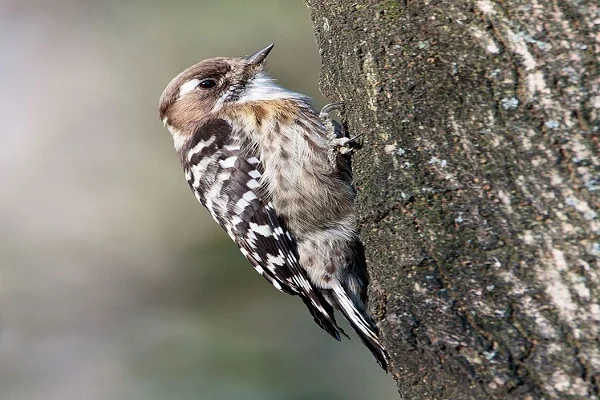
Woodpeckers will always leave a mark for their fascinating pecking abilities. These birds are small to medium-sized and have strong bills that are used for drilling and drumming on trees. They are members of the family Picidae and are known to be the only bird that can peck without getting a headache. Most woodpecker species reside in tropical areas, with very few living in temperate regions. While they're always trendy for their pecking ability, woodpeckers do more than just drill trees. Let's look at some of the things woodpeckers do all day. Woodpeckers Love to Drill Holes A woodpecker's favorite activity is probably drilling holes. Woodpeckers peck wood using their long, sharp beaks to make small or large holes in trees. The hole size will depend on the type of food the woodpecker is looking for. Smaller holes are usually made to eat insects. The woodpecker will insert its bill into the hole and use its long tongue to flick the insects out. Larger holes are made to store food or to make a nest. The woodpecker will line the hole with soft materials like moss, leaves, or hair. Some woodpeckers will even use their drilling skills to create music! The Northern Flicker, for example, will drum its beak on metal objects to make a loud noise. The most common place to see these little creatures is on a tree trunk, specifically drilling dead trees. Woodpeckers Drum To Communicate With Others Woodpeckers use their ability for communication. If you hear woodpecker drums, they're probably finding a mate or declaring their territory. The sound is made by the woodpecker rapidly hitting its beak against a hard surface. This behavior is more common in male woodpeckers since they need to attract females and keep other males away from their territory. Woodpeckers also use their beaks to create a knocking sound to communicate with other woodpeckers. This sound is usually used to warn others of predators or to alert others of food sources. Hunting And Foraging For Food Woodpeckers will eat larvae, ants, spiders, and other small insects. While foraging for food, the woodpecker will use its long tongue to lap up the insects. If you're lucky enough to catch a glimpse of a woodpecker in action, you'll notice they have a unique way of hunting. The woodpecker will sit on the tree and look around for prey. When it spots an insect, it lunges forward and catches the bug with its beak. Establish Territories Drumming is not only used for attracting mates but it's also used to establish territories. Woodpeckers will drum on trees and other surfaces to let other woodpeckers know where their territory is. The drumming noise is made by the woodpecker rapidly hitting its beak against a hard surface. This behavior is more common in male woodpeckers since they need to keep other males away from their territory. Female woodpeckers are usually more subtle when it comes to establishing their territory. Instead of drumming, they will use their beaks to make a knocking sound. This sound is generally used to warn others of predators or to alert others of food sources. Building Their Nest Woodpeckers will build nests during nesting season. The male woodpecker will find a suitable nesting site and start drilling holes to make the nest. After the nest is created, the female woodpecker will lay between two and eight eggs. Both parents take turns incubating the eggs and feeding the chicks. When the chicks are old enough, they will leave the nest and establish their territories. Even though woodpeckers are small birds, they significantly impact the ecosystem. By eating insects, they help to control insect populations. And drilling holes in trees help aerate the tree and make them healthier. So the next time you see a woodpecker, take a moment to appreciate all the hard work they do! Woodpeckers' Mating Habit Woodpeckers are monogamous, which means they will mate with one partner for their lifetime. The breeding season for woodpeckers usually starts in late spring and lasts until early summer. During this time, the male woodpecker will find a suitable nesting site and start drilling holes to make the nest. More About Woodpeckers About 300 species of woodpeckers exist worldwide, and about 22 of those types live in the United States. The most common type of woodpecker in North America is the Downy Woodpecker. These little birds are black and white with a small patch of red on their heads. The biggest woodpecker in North America is the Ivory-billed Woodpecker. These birds are about 20 inches long and have black feathers with white stripes running down their backs. The male Ivory-billed Woodpeckers also have a red crest on their heads. Although this animal loves to live in forests, some species, like the Gila Woodpecker, can be found in deserts. And the Lewis' Woodpecker can be found in open woodlands and forests. No matter where they live, all woodpeckers have one thing in common: their long tongues! These tongues can be up to 4 inches long and are sticky, so they can help the bird lap up bugs. Woodpecker Damage Woodpeckers are undeniably intriguing. But along this, some people may view them as pests because they can damage homes and other structures. The woodpecker's beak is designed for drilling into trees. But this same beak can also leave dents in siding and shingles. And if the woodpecker continues to peck at the same spot, it can create a hole. More often than not, they don't just leave a single hole but a series of holes that form an unappealing appearance. To deter woodpeckers, you can try hanging shiny objects or wind chimes near the area where the bird is pecking. The movement and noise will startle the woodpecker and make it fly away. You can also try using an Ultrasonic Bird Repellent. These devices emit high-frequency sounds that only birds can hear. While woodpeckers can be pesky, it's important to remember all the good they do for the environment. So the next time you see one, take a moment to appreciate these fantastic birds! Final Thoughts Woodpeckers are famous for their wood-pecking ability. They drill holes to make music, establish territory, and build nests. These flying creatures act as biological control agents. By eating insects, they help to control insect populations. While these animals are famous for this behavior, we've discussed that these creatures don't just peck. They also use their beaks to make a knocking sound to communicate with other woodpeckers. This is usually done to warn others of predators or to alert others of food sources. We hope you enjoyed learning more about woodpeckers and their behavior! To explore more about woodpecker activities and their fascinating nesting habits, click here: woodpecker activities. Woodpecker FAQs Why do woodpeckers love to drum in trees, metal items, and houses? Woodpecker drumming is a way to communicate with other woodpeckers. The woodpecker makes a noise rapidly, hitting its beak against a hard surface. Why do woodpeckers drill holes into trees? Woodpeckers drill holes so they can build their nests. They will also use this to establish their territory and find a mate during breeding. Aside from this, they are doing this in search of carpenter bees or insects that hide under the bark of trees. How to deter woodpeckers from my property? You can use bird netting, plastic owls, and wind chimes to deter woodpeckers from your property. It would help if you also try to make your property less attractive to woodpeckers by removing standing water and eliminating potential food sources. You can also scare birds by displaying a replica of their predators or making loud noises. Where do woodpeckers live? Woodpeckers are found in woods all over the world. They usually use tree trunks of hollow trees or fallen logs as their habitat.
- Brian Moss (President)
- AAAC Wildlife Removal
05/01/2023
Total words : 1305
- Brian Moss (President)
- AAAC Wildlife Removal
05/01/2023 Total words : 1305
What Does The Woodpecker Do All Day?
Woodpeckers will always leave a mark for their fascinating pecking abilities. These birds are small to medium-sized and have strong bills that are used for drilling and drumming on trees. They are members of the family Picidae and are known to be the only bird that can peck without getting…
What Is the Largest Woodpecker Ever Recorded?
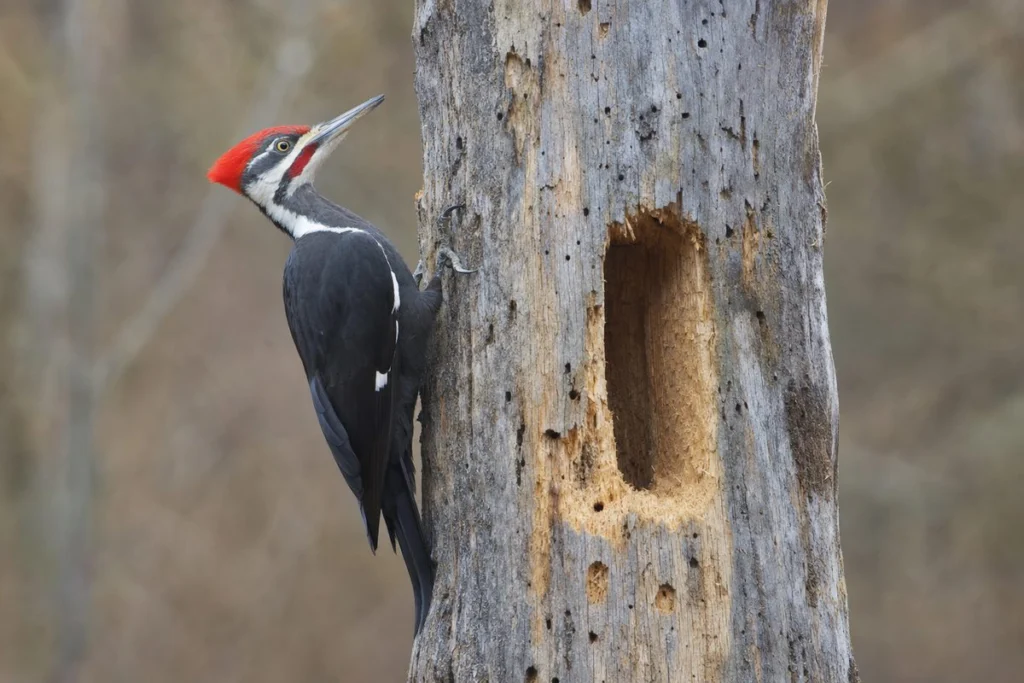
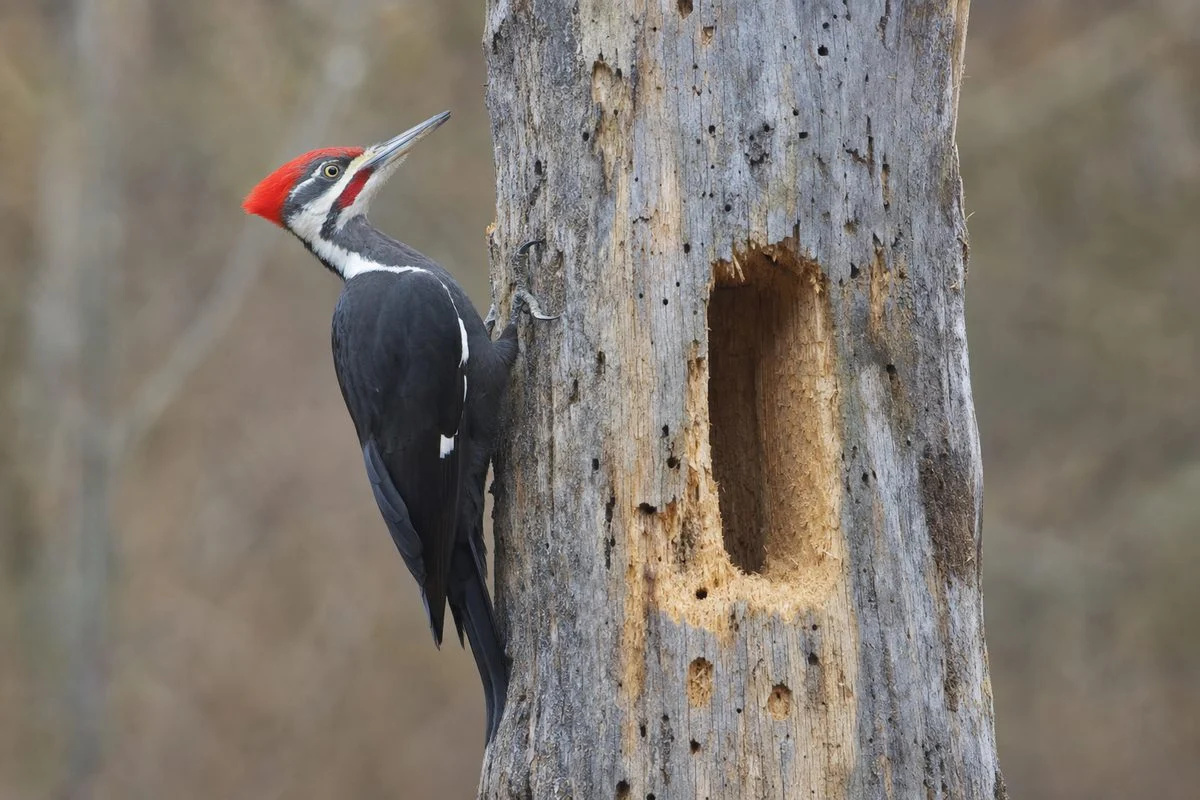
The wood-pecking ability alone is already a wow factor for woodpeckers. How much more when we find out these animals can grow large too? In the United States and many places worldwide, woodpecker pecking is considered a sign of friendship and happiness. If you pay close attention, distinctive sounds come from woodpeckers' drilling and drumming. And around the world, they have over 300 species. So there is a solid odd that these creatures will have different sizes, from being unbelievably small to intriguingly big. Let's find out the largest woodpecker ever recorded! What is the largest woodpecker known? The largest woodpecker in the world is known as the Imperial woodpecker. Measuring up to 23.6 inches (60 cm), this bird resides in Mexico's Sierra Madre Occidental range. These species count as critically endangered as they disappeared almost a century ago and no living specimen has been recorded since 1956. The Three Largest Woodpeckers Recorded Among all species of woodpeckers, three of their abundant populations gain prominence in size. Here are the largest woodpeckers: Largest Woodpecker: Imperial The Imperial Woodpecker is the largest of its kind, as mentioned earlier. It can grow up to 23.6 inches (60 cm), with a wingspan reaching 30 inches. The last recorded sighting of this species was in 1956 in Mexico's Sierra Madre Occidental range. They have black bodies with large white stripes on their wings. The male has a red crest, while the female has a black crest. These woodpeckers create large nests by excavating holes in rotten trees. They primarily feed on insect larvae, usually hiding under the barks of dead trees. Imperial woodpeckers face the challenge of extinction because each breeding pair needs to situate in a large area of forest to survive. It's known to be at least 10 square miles. So with extreme deforestation in Mexico, these species found it challenging to reproduce and multiply. Largest Woodpecker: Ivory-Billed Woodpecker The Ivory-Billed Woodpecker is another species that has stirred intrigue over the years regarding its existence. It is another large woodpecker with an ivory-bill and measures 21 inches (51 cm). This species is only found in Cuba and South America. In the 1880s, the Ivory-Billed Woodpecker was already classed as endangered. They were thought to be extinct not just once but many times in their lifetime. This is because when they're finally declared extinct, evidence and sightings of a small population suddenly appear and declare existence. Hence, it has been removed from the extinct species list many times, only to be returned when it disappears without a trace. These species prefer forest habitats. But because of extreme logging and deforestation, they are now classified as near extinction. Currently, there is no knowledge if the remaining individuals are thriving to live or if they've unfortunately lost the battle against nature. The Ivory-Billed Woodpeckers are black with white patches on their neck and a little white patch on their wings. Like other species, the males have a red crest, while the females have a black. Largest Woodpecker: Pileated Woodpecker The Pileated Woodpecker is another member of the largest species bagging North America's largest woodpecker title (except the Ivory-Billed Woodpecker, which is presumed extinct). It is native to North America and is found in some parts of Canada. They can measure 16 to 19.1 inches (48.5 cm). They are not as rare as the Imperial or Ivory-billed woodpeckers but are still threatened by deforestation in some areas. These species got their name from the Latin word pileatus, meaning "capped," which refers to their vibrant red crest. They have black bodies with white marks on their face and throat areas. They have a rich diet of insects like wood-boring beetle larvae, carpenter ants, bees, fruit, nuts, and berries. They may also drill deeper than usual on dead, large trees to invade ant nests. What makes these species unique is that instead of the traditional round hole, they often have rectangular holes when they're foraging for their prey. In addition, the males of these species showcase their drilling by making a nest before they mate with females. How did they get that large? The woodpeckers' large size is an evolutionary advantage for these species. It allows them to reach deep crevices where other birds can't, which makes it easier for them to find food. Their long tongue also helps in this department as they can reach up to 3 inches (7.5 cm). The factors that affect woodpeckers' size are their diet and their habitat. Woodpeckers with a more varied diet tend to be larger than those without. This is because they need the extra energy to fuel their body for all the different types of food they consume. As for habitat, woodpeckers living in forests are often larger than in other areas. This is because there is an abundance of food sources in forests, which allows them to grow to their full potential. The large size of these woodpeckers also makes them more resistant to predators. Their size intimidates most predators, and their sharp beaks can cause severe damage. What is the average height and size of a woodpecker? Some woodpeckers can be about the size of a crow. The average height of a woodpecker is between 16 and 19 inches (41 and 48 cm), with a wing span of up to 30 inches (76 cm). The average wingspan is between 38 and 46 inches (97 and 117 cm). The average weight is between 56 and 91 grams (2 and 4 ounces). All of these depend on the species. Some woodpeckers are very small, like the Downy Woodpecker, which only measures up to 7 inches (18 cm). On the other hand, some woodpeckers are very large, like the Pileated Woodpecker, which can measure up to 19.1 inches (48.5 cm). Want To Stop The Drumming Above Your Head? Call Us Today! When woodpeckers peck on your house siding, it can make a lot of noise and leave unpleasant traces. If you want to stop the woodpecker from damaging your home, call AAAC Wildlife Removal today. We will inspect your property and determine the best action to take. We have over two decades of experience dealing with woodpeckers and other pests, so you can rest assured that your problem will be taken care of promptly and professionally. Summary The woodpecker is a bird known for its ability to peck at trees. They have more than 300 species accounting for various colorations, behavior, and sizes. The Pileated Woodpeckers, the largest woodpecker in North America, Ivory-Billed Woodpeckers, and Imperial Woodpeckers have gained dominance, being the largest woodpeckers in the wild. Their sizes lead to various advantages, such as reaching deep crevices for food, better predator resistance, and mate selection. Even though they have many benefits, their large size can also be a disadvantage. Their weight makes it difficult for them to take off, and their long beaks can make it hard for them to find food. Despite all the disadvantages, these woodpeckers have managed to thrive for many years. And with proper conservation, we can ensure that they will continue to exist for many years to come. To learn more about the largest recorded woodpecker species and their fascinating behaviors, click here: largest recorded woodpecker. FAQs What happens to woodpecker holes after nesting? After woodpeckers nurture their young enough to be independent, they leave their nest and come back when it's the nesting season again. So long as it is still usable and convenient for woodpecker parents to lay their eggs and raise their young. When it comes to the holes when they forage for food, swifts, ducks, bats, pine martens, and owls may utilize them for their shelter.
- Brian Moss (President)
- AAAC Wildlife Removal
04/03/2023
Total words : 1242
- Brian Moss (President)
- AAAC Wildlife Removal
04/03/2023 Total words : 1242
What Is the Largest Woodpecker Ever Recorded?
The wood-pecking ability alone is already a wow factor for woodpeckers. How much more when we find out these animals can grow large too? In the United States and many places worldwide, woodpecker pecking is considered a sign of friendship and happiness. If you pay close attention, distinctive sounds come…